This is the second post on our weekend away in Wiltshire.
Part 1 – Food
Part 2 – Historic Houses
Part 3 – Gardens
VISITING HISTORIC HOUSES ON OUR WEEKEND AWAY
What will our future homes look like, and will we all be living in igloo-like or yurt-like pods? I already live in a much smaller house than the one I grew up in. I once told my mother that the footprint of my entire London town house can fit into her front garden in Kuala Lumpur, with space to spare. My mother, never one to be outdone, said that my house has three floors but hers only has two (in reply: but it is a bungalow! ). Perhaps her point was that no one should ever wallow in self-pity.
Wallowing in self-pity is tempting when, as owner of a large estate, the government decides that you cannot own so much without a heavy tax penalty. Historically you would suffer the burden of the tax, which could ruin you. In the past 50 years many large estates have been able to avoid paying Inheritance Tax or Capital Gains Tax when the asset changed hands (via gift or death) under the Conditional Exemption Tax Incentive. Provided the owner of the outstanding heritage property, art or land meets specific undertakings, including mandatory public access, there is an exempt from IHT or CGT.
It is now possible to visit some of these large estates via membership of the National Trust and Historic Houses. As members of both we have over the years derived so much pleasure from visiting some spectacular properties. At the end of the visit I always think how difficult it must be to clean such huge spaces, when I sometimes struggle to clean our (very small) townhouse.
Historic Houses
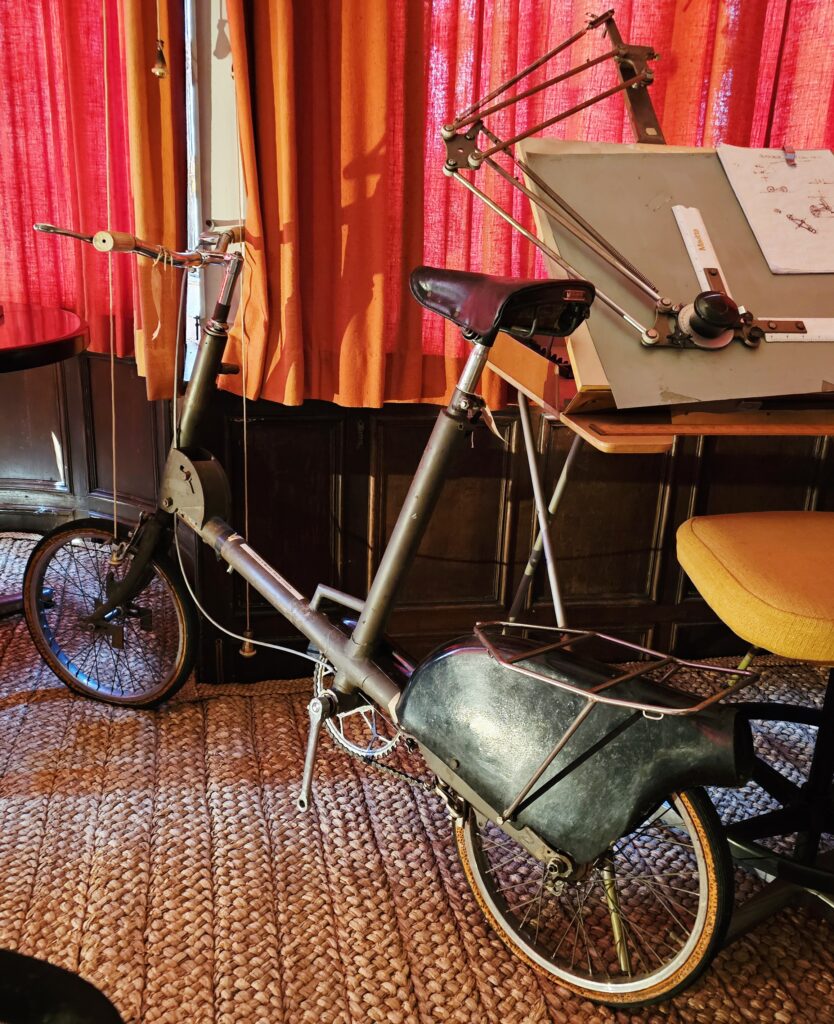
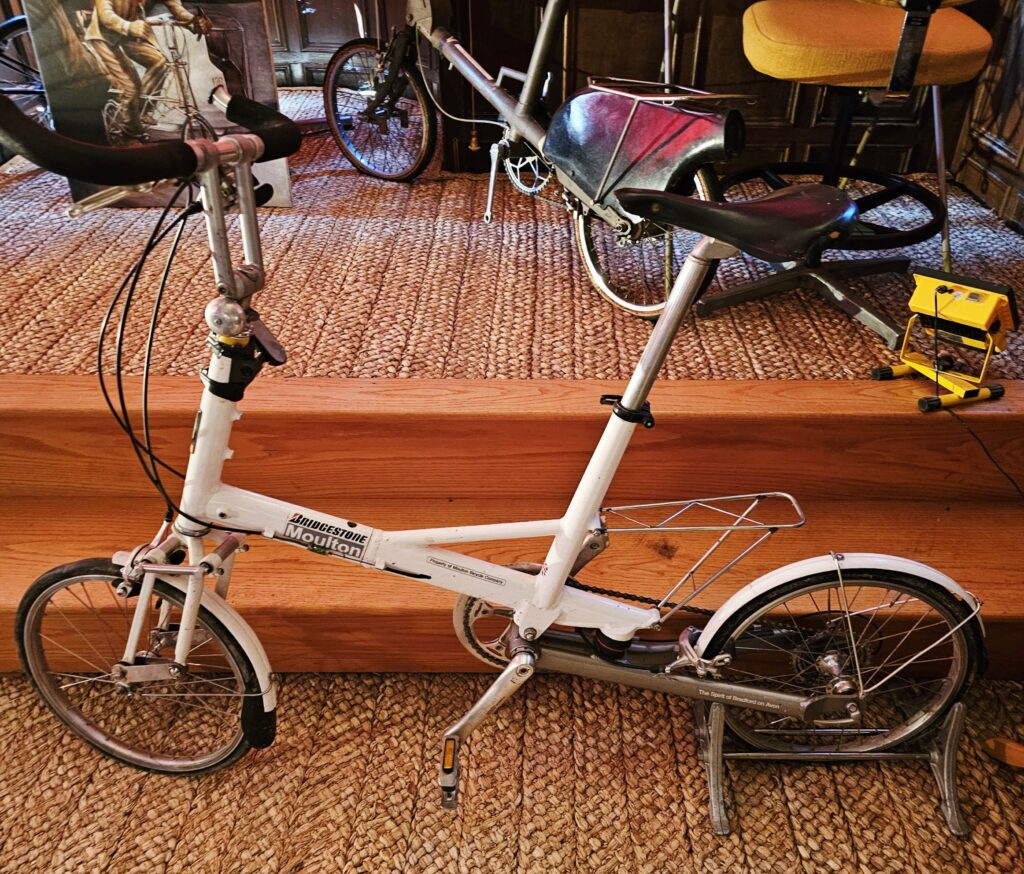
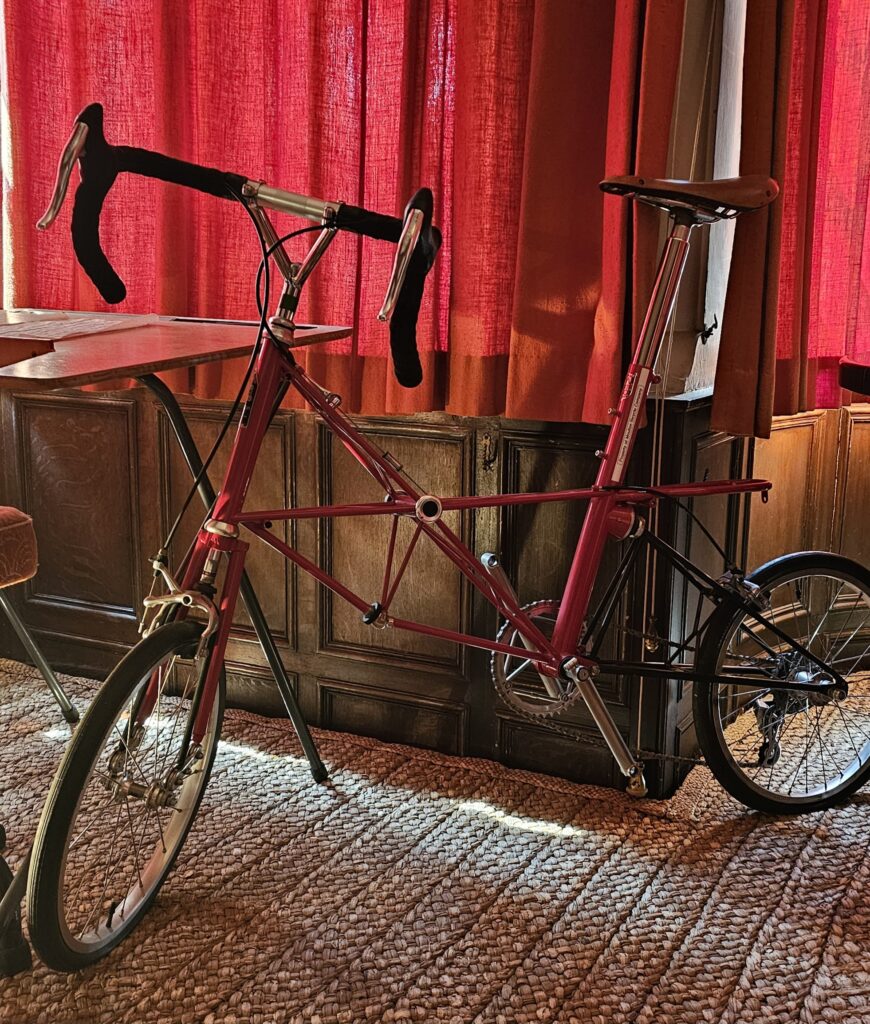
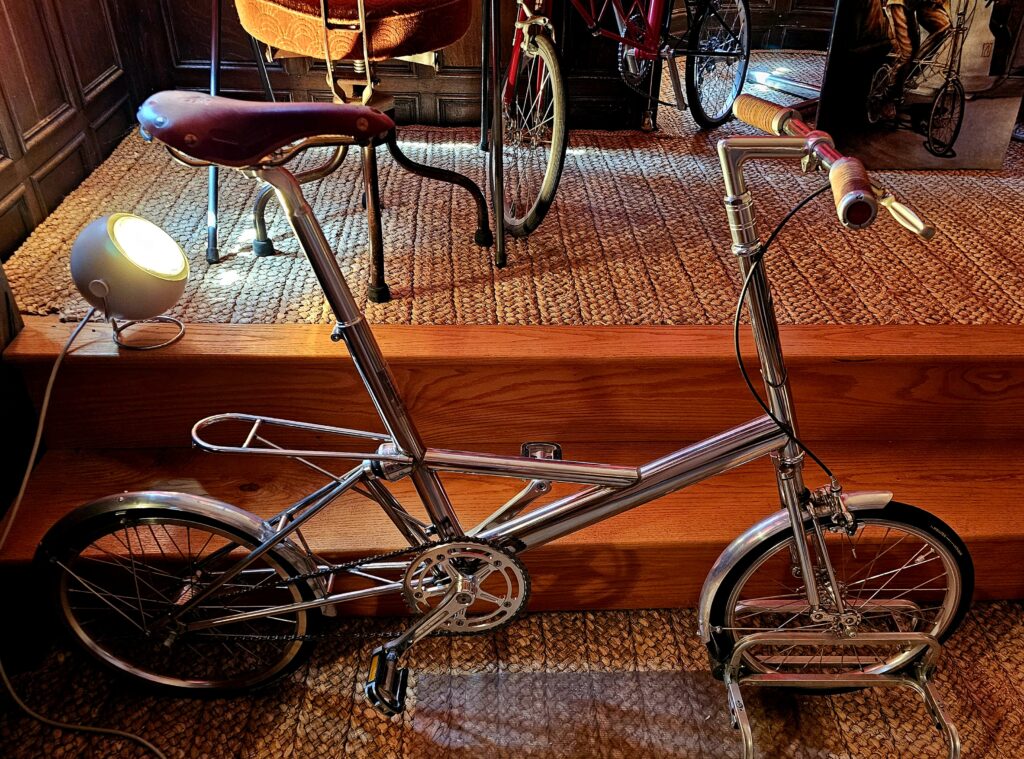
The Hall Estate opens its house for guided tours only a few times a year, and so we left London early for the drive to Bradford-on-Avon for one of these tours (schedule here). The house dates back to 1610, some original features remain, there has been some restoration and renovation work and it was used during WWII as a home for evacuee expectant mothers. Most interestingly it was the home of the industrialist and inventor of the Moulton Bicycle Alex Moulton until his death in 2012. As part of the house tour you get to see Dr Moulton’s study and a few early versions of the bicycle. There is a special edition Moulton Hall bicycle.
To supplement the income required to run the house (£150,000 per annum) the house and gardens can be rented for weddings and events, and a few of the rooms have been converted for renting out as hotel rooms.
The splendid Hall Estate
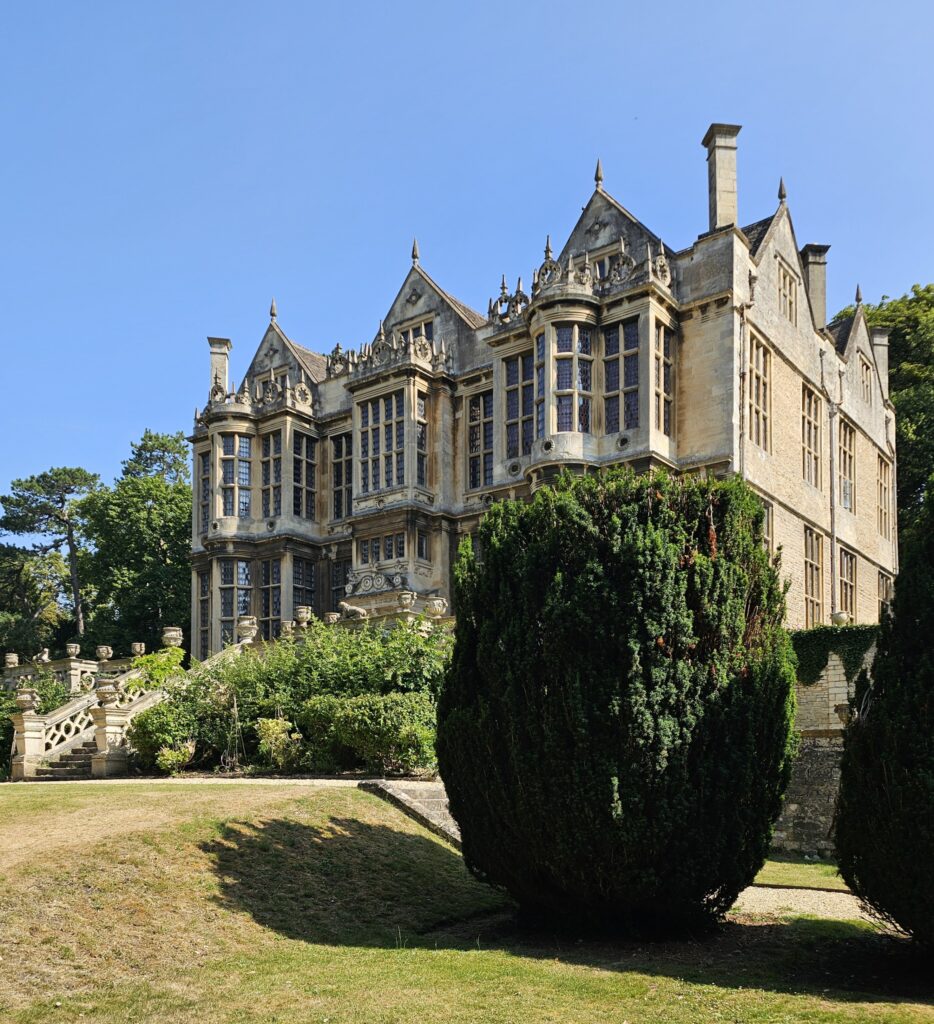
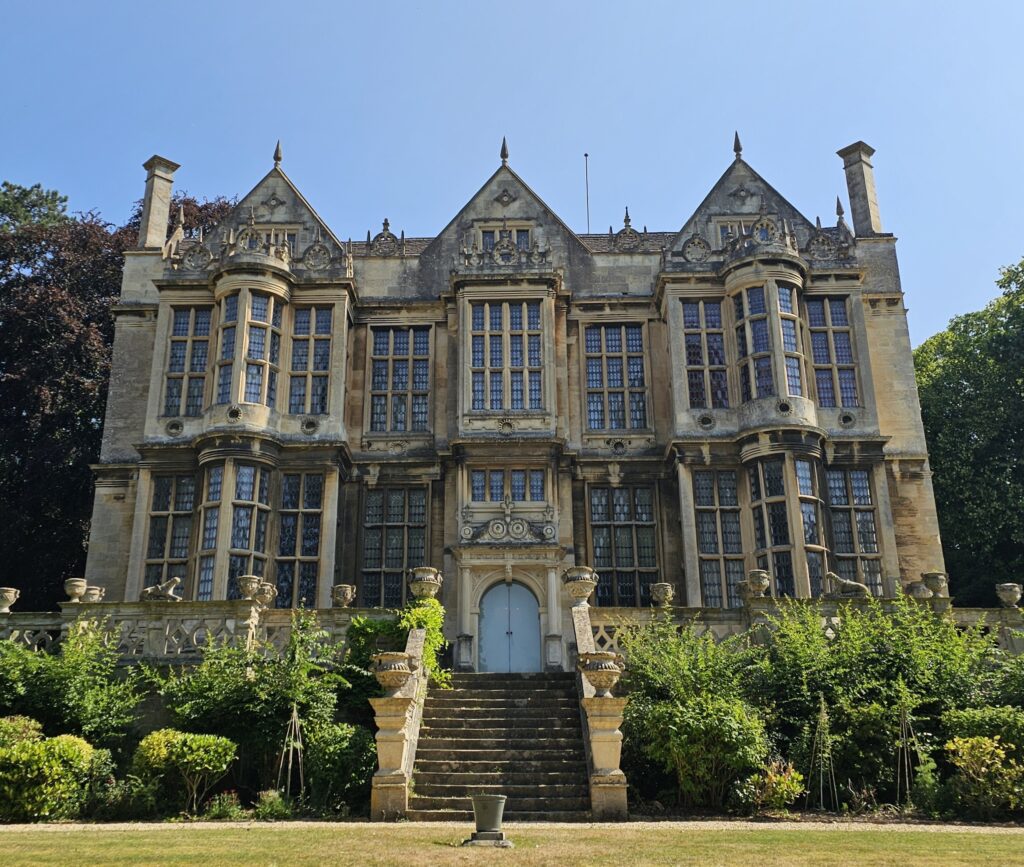
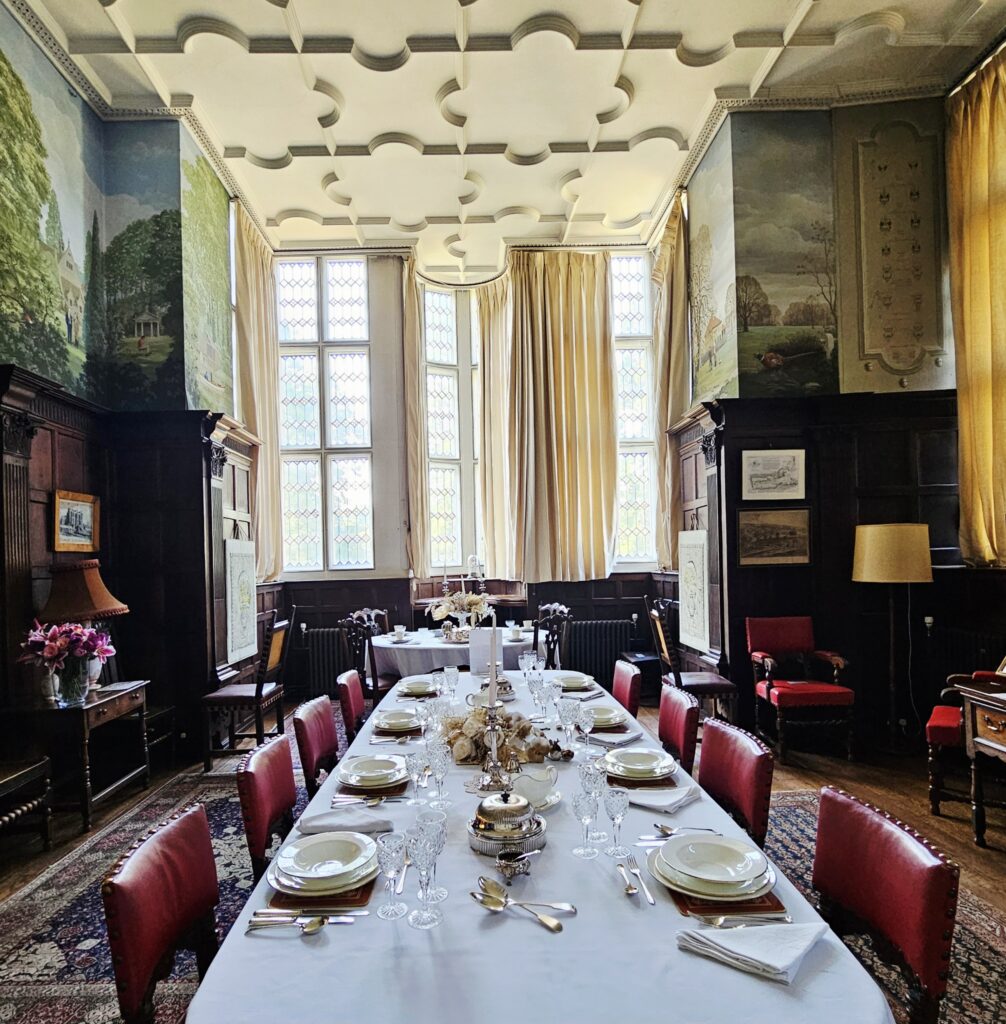
Early versions of the Moulton Bicycle
National Trust
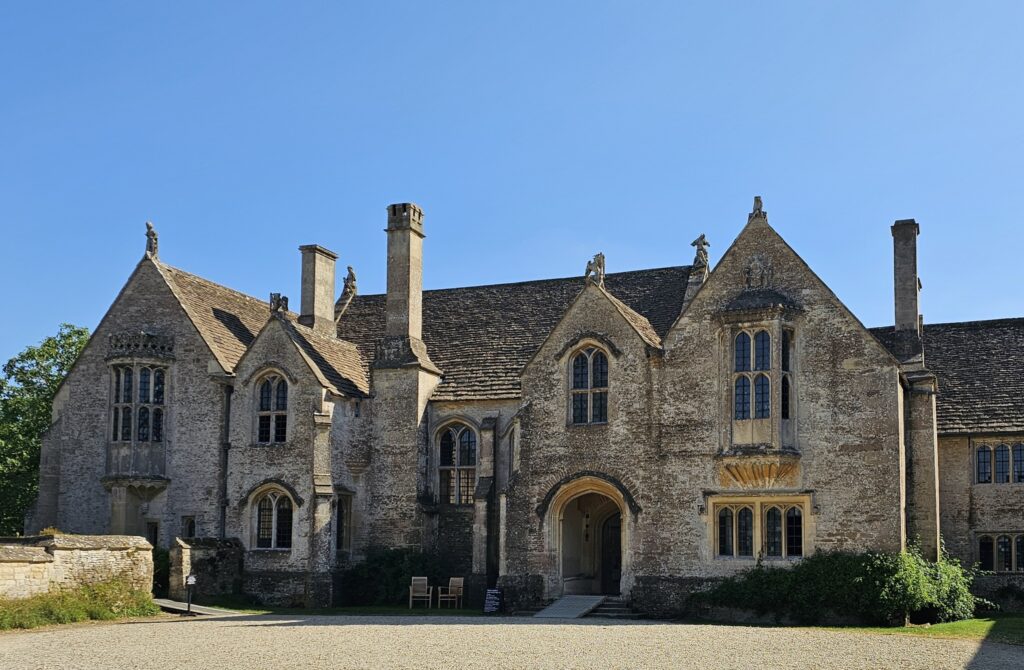
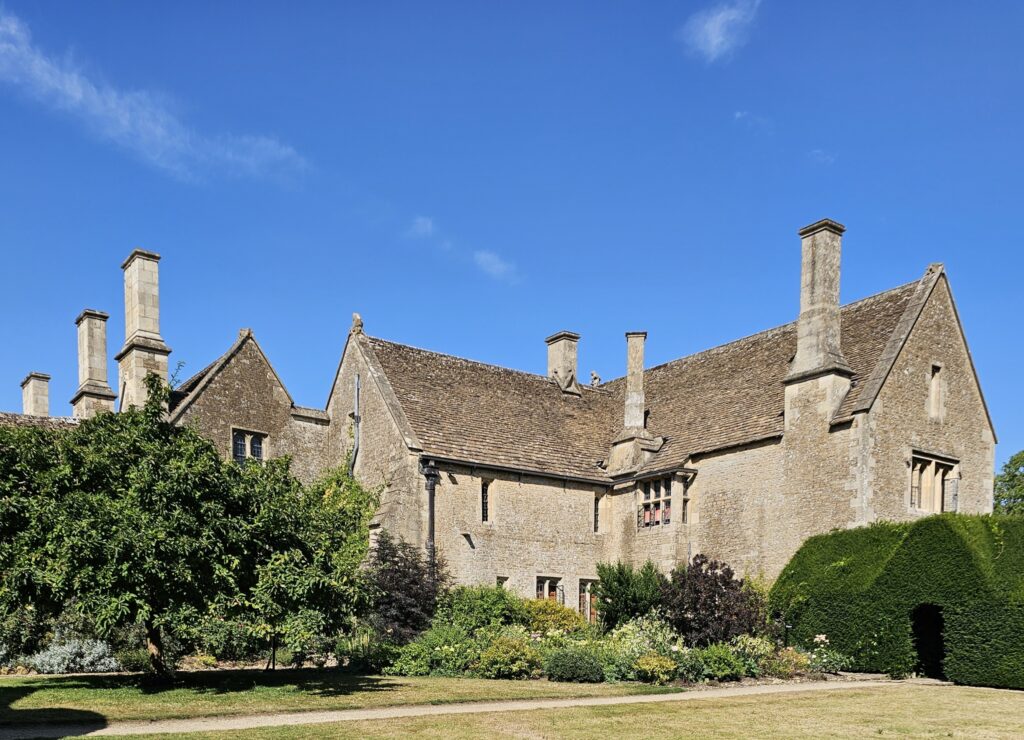
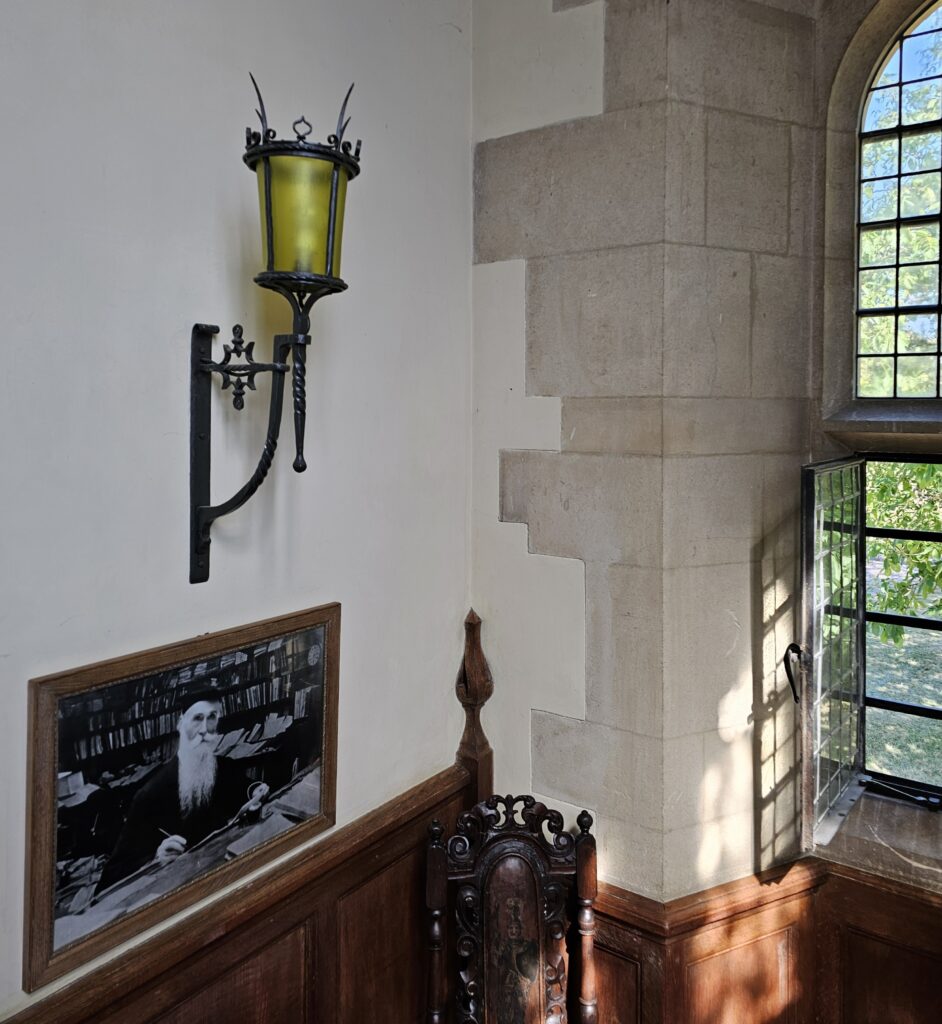
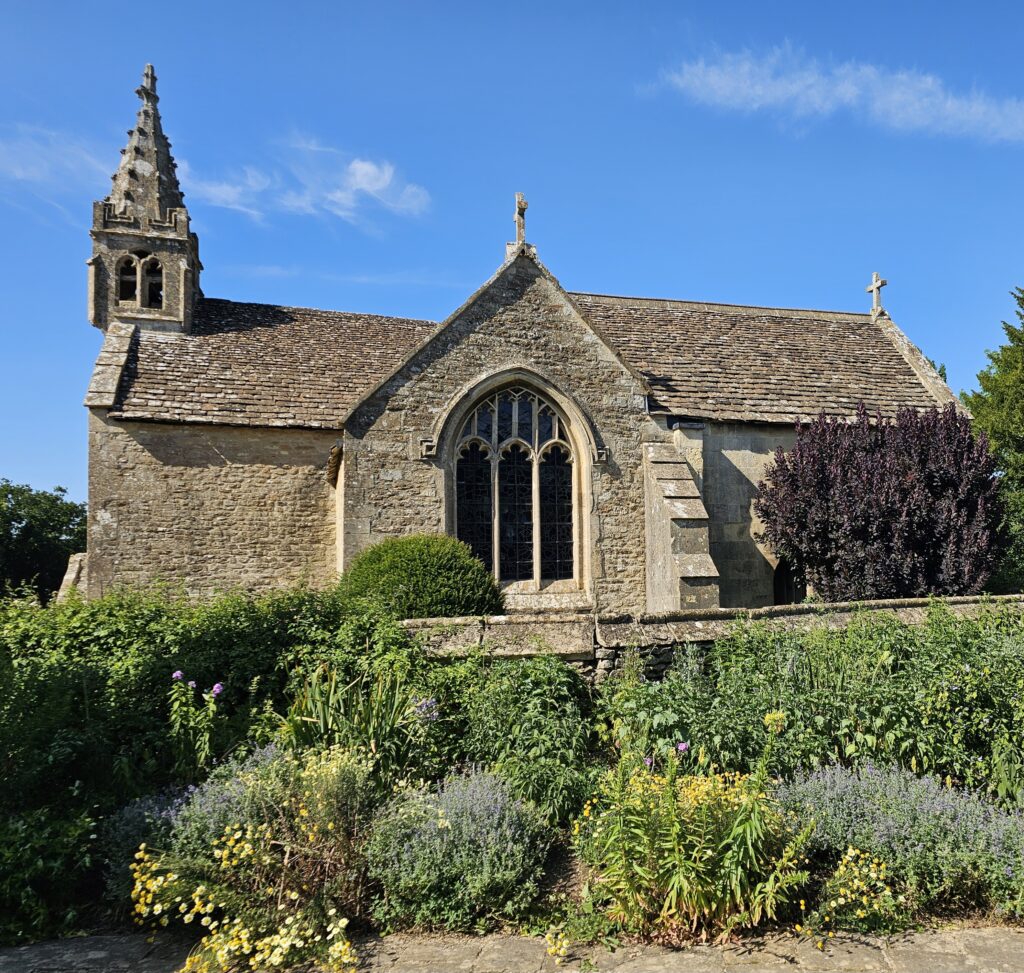
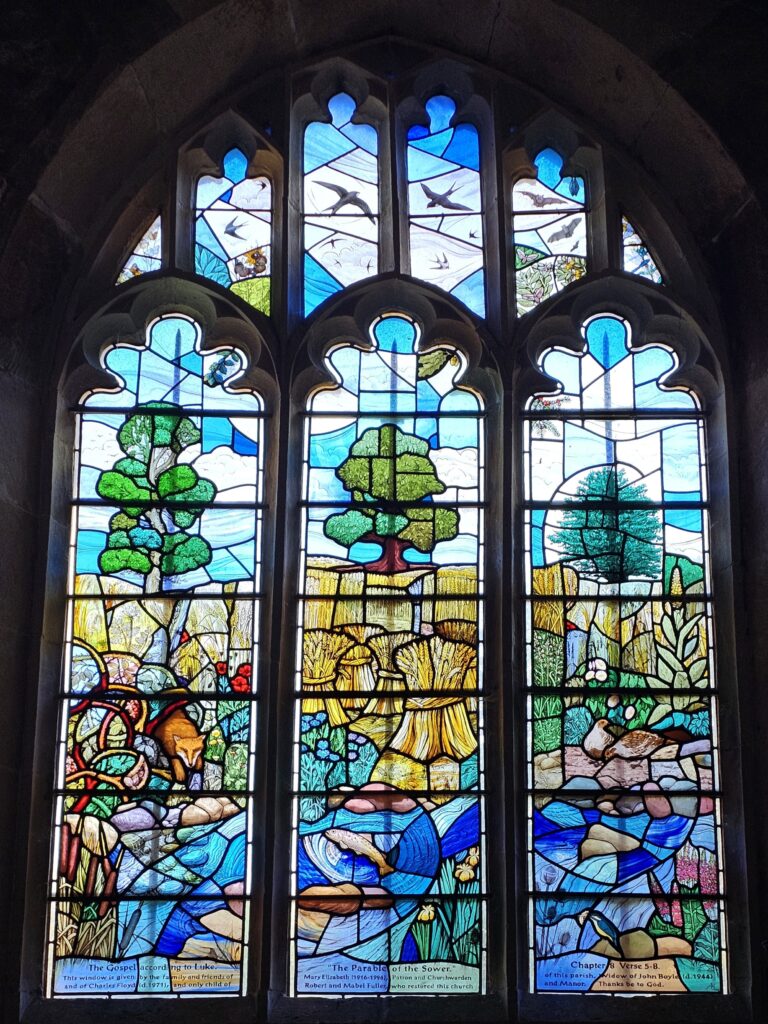
Great Chalfield Manor does not open on a Friday, Saturday or Monday, making it awkward even for a long weekend in Wiltshire. We rushed here after Sunday lunch and just made it for the penultimate house tour of the day. The manor and garden were used in the TV series Poldark (2015 – 2019) and Wolf Hall (2015) and in the film The Other Boleyn Girl (2008). Details in the book National Trust on Screen by Harvey Edgington and Lauren Taylor, published by National Trust, ISBN 978-0008688288.
Great Chalfield Manor and All Saints Church
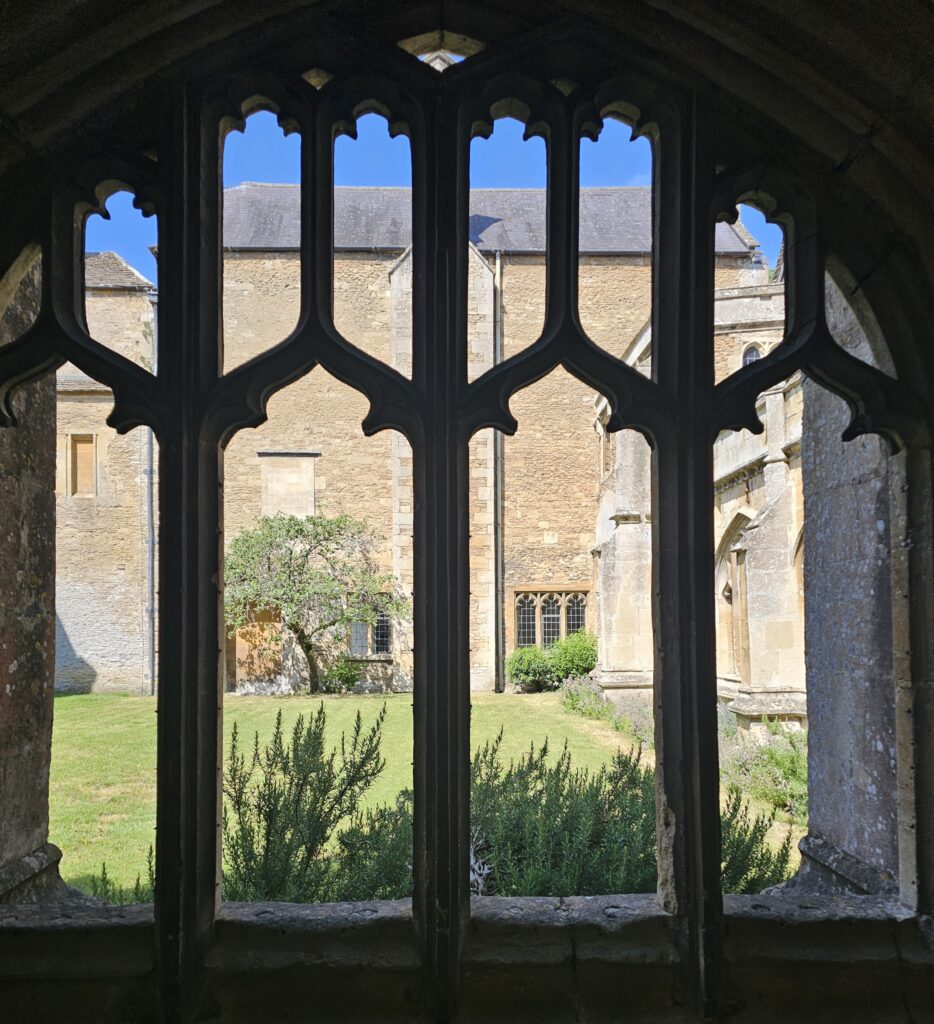
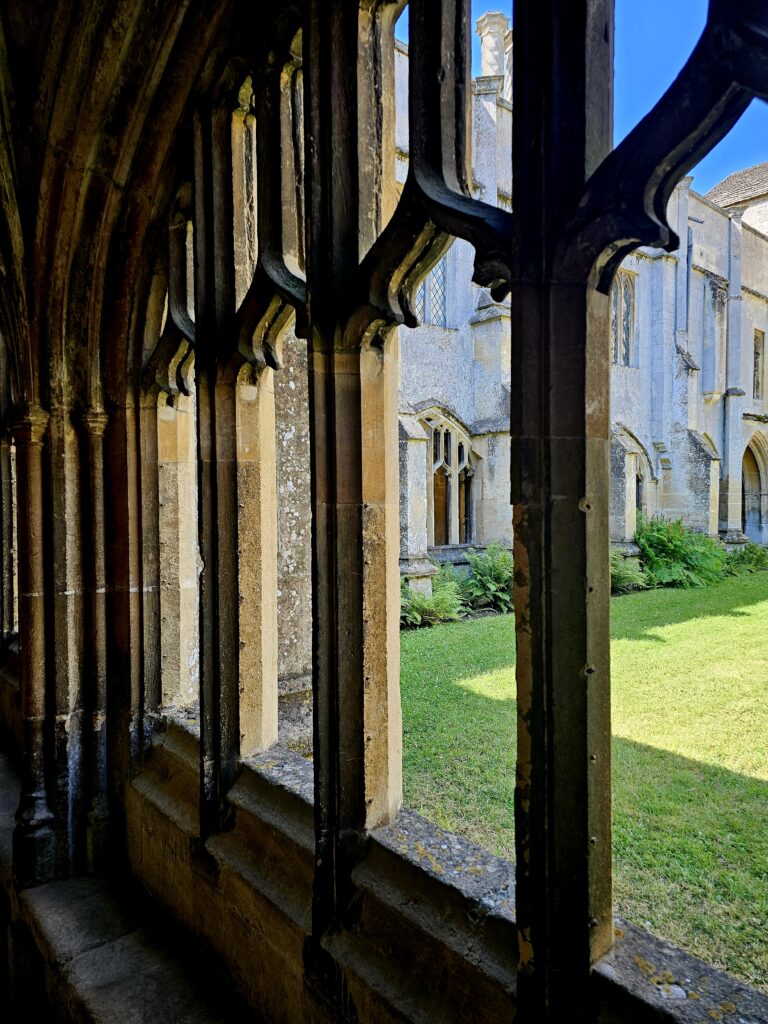
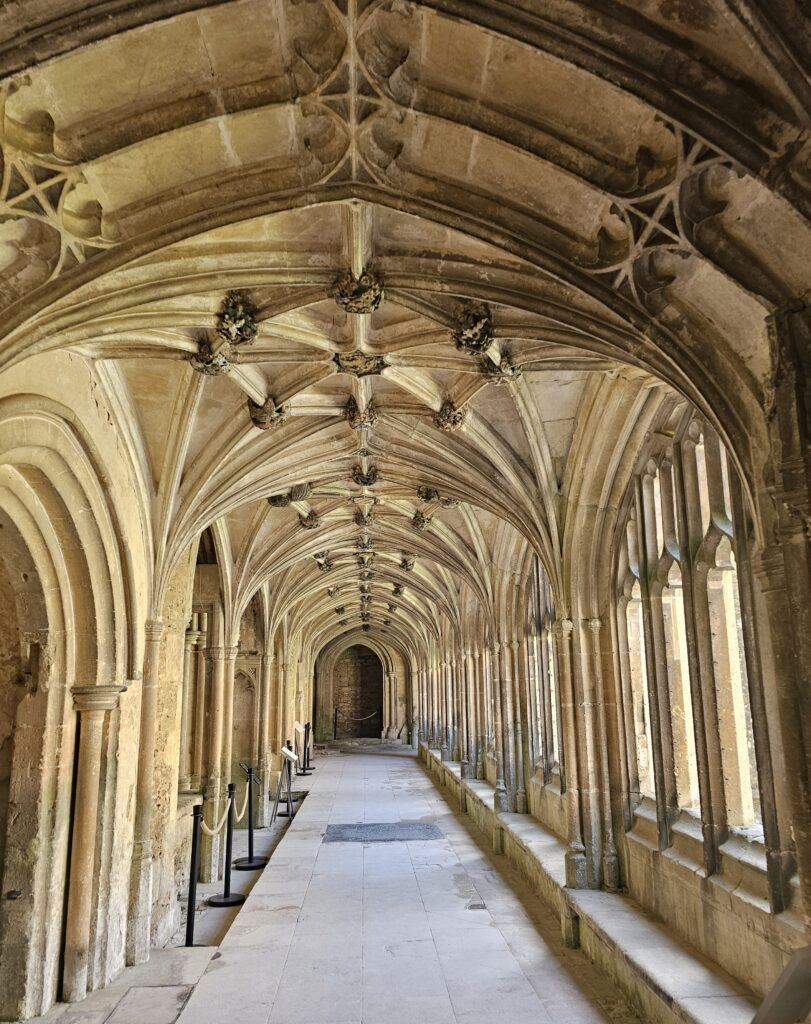
Lacock, village, museum and abbey, is the only NT property in the area we have visited several times before. I think our last visit was before we had mobile phones, or at least mobile phones with cameras that take such amazing photos. There were more rooms open during this visit than previously, and the guides were very engaging.
You would recognise Lacock Abbey and Lacock Village as many costume dramas were filmed here including my favourite Pride and Prejudice with Colin Firth as Mr Darcy (1995). Films include Harry Potter (several) and Downton Abbey (2019). Details in the book National Trust on Screen by Harvey Edgington and Lauren Taylor, published by National Trust, ISBN 978-0008688288.
Lacock Abbey was an historic abbey turned into a family home. For anyone interested in photography, the Fox Talbot Museum explores the history of photography and the Fenton Collection of early photographic equipment is housed here. It was here at Lacock Abbey that William Henry Fox Talbot took the world’s first photographic negative in 1835. Some of his cameras are displayed in the V&A Museum London.
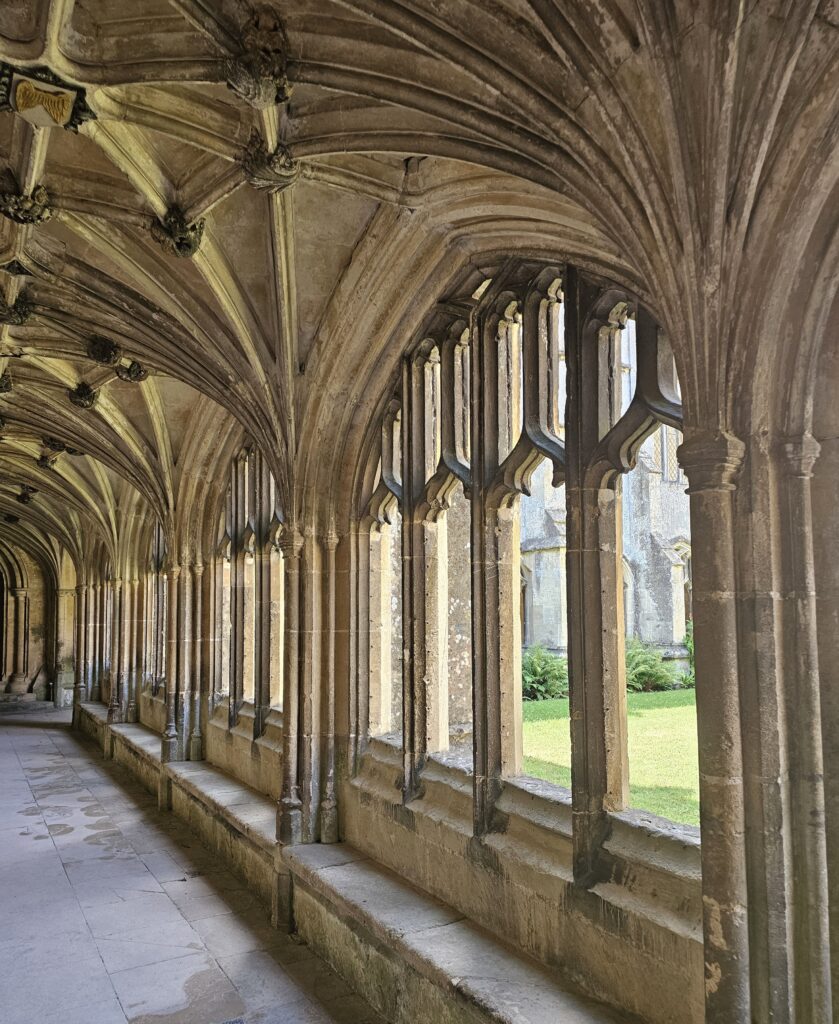
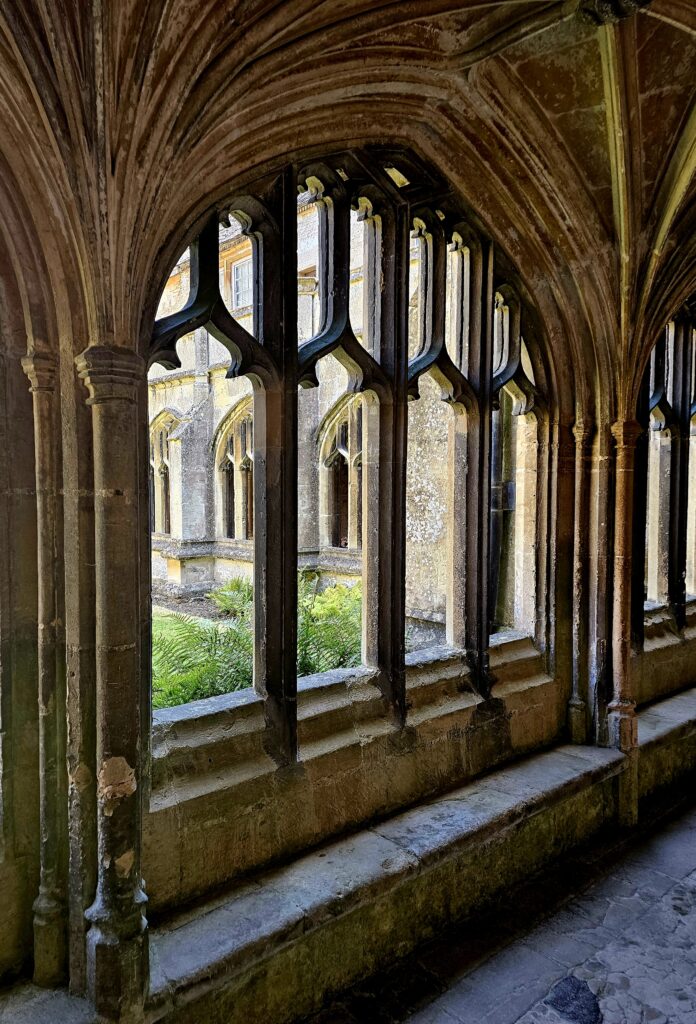
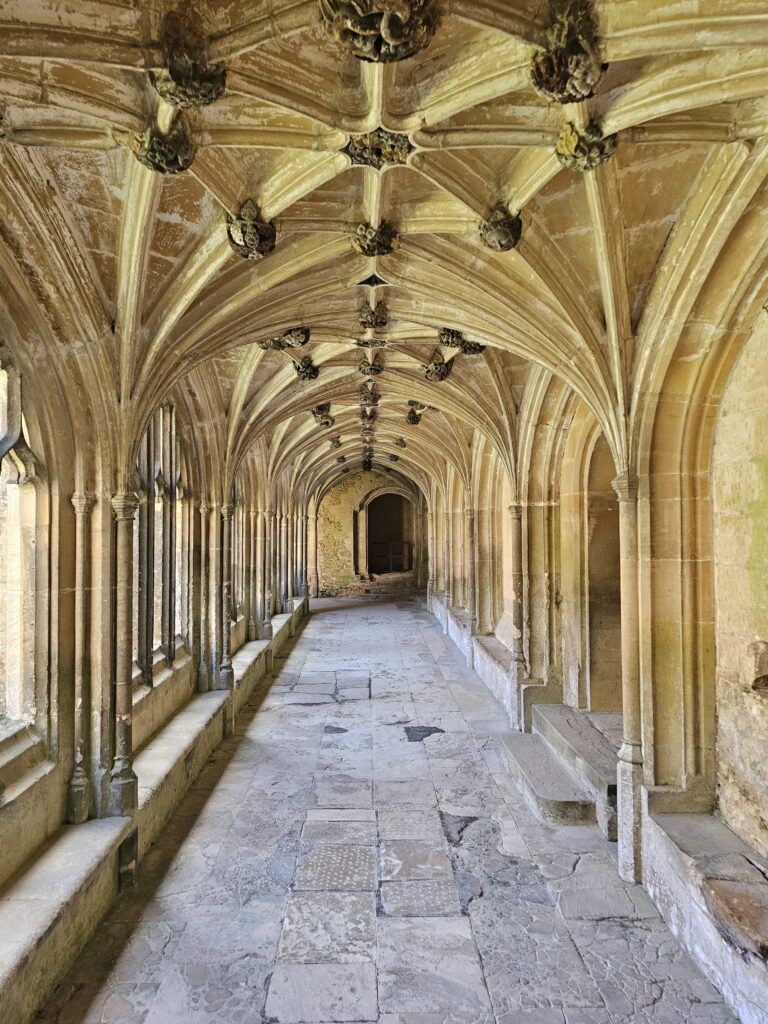
The cloisters are my favourite part of the whole abbey
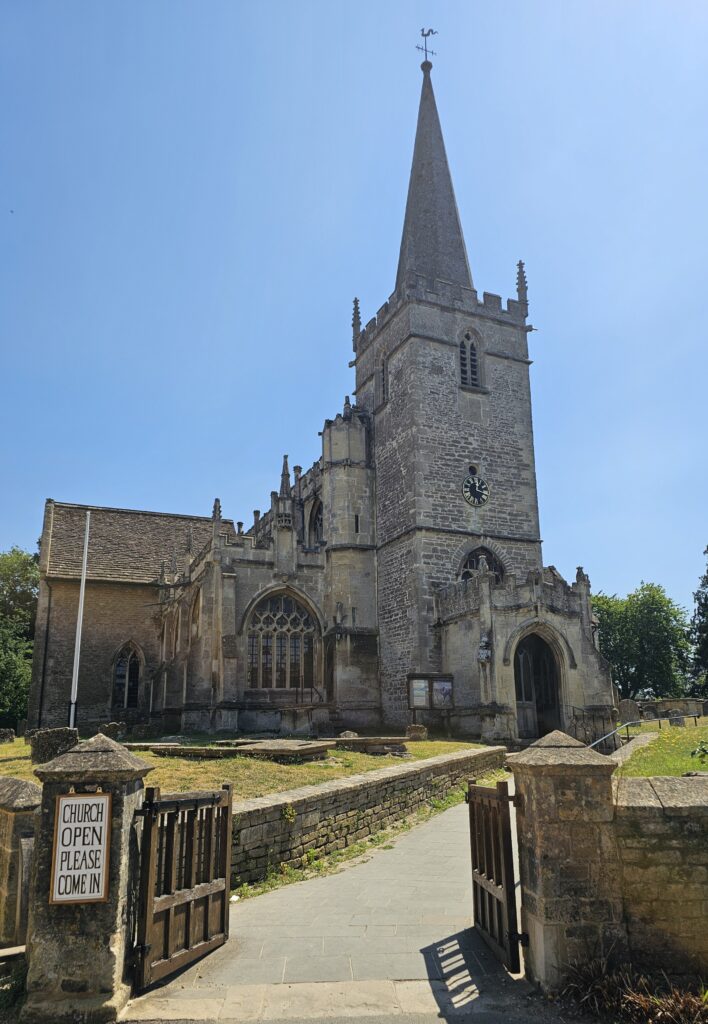
Lacock Village and St Cyriac’s Church
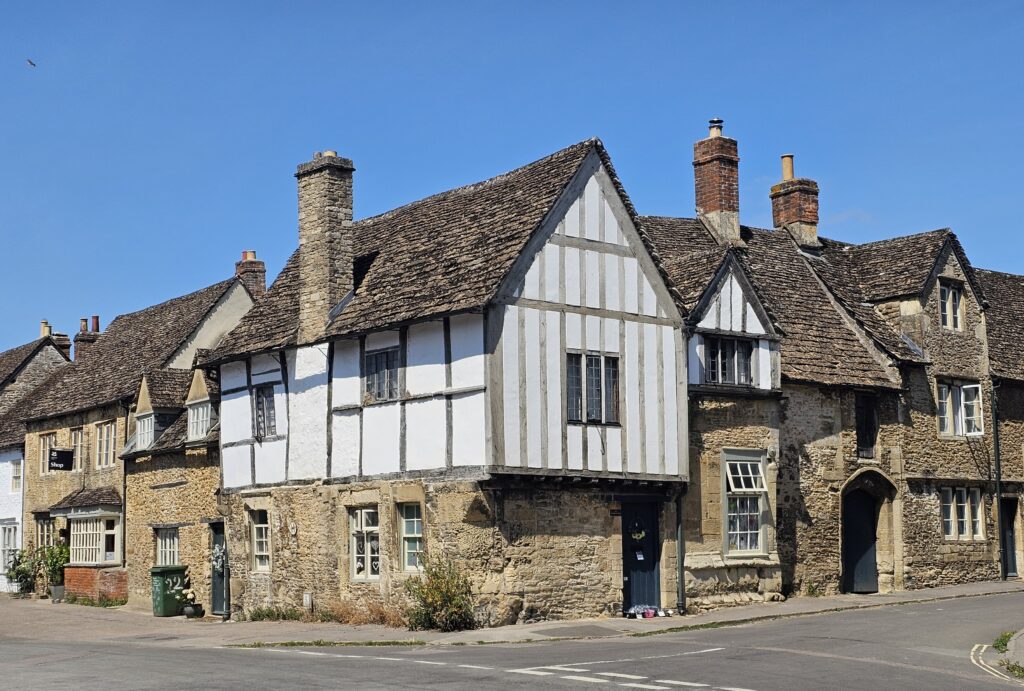
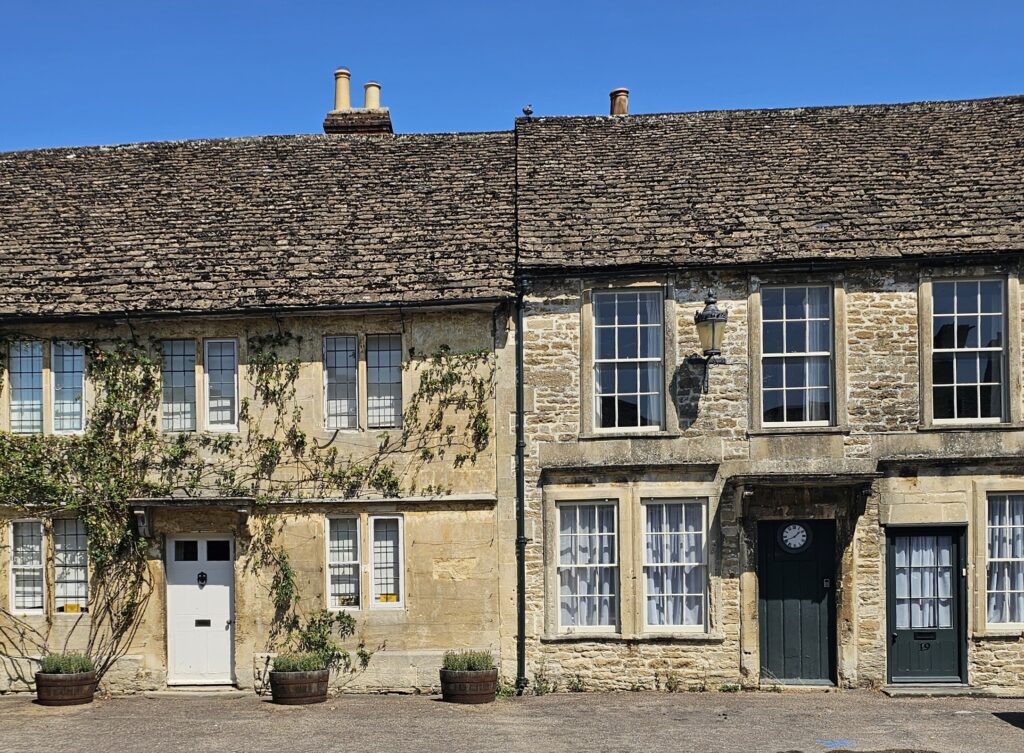
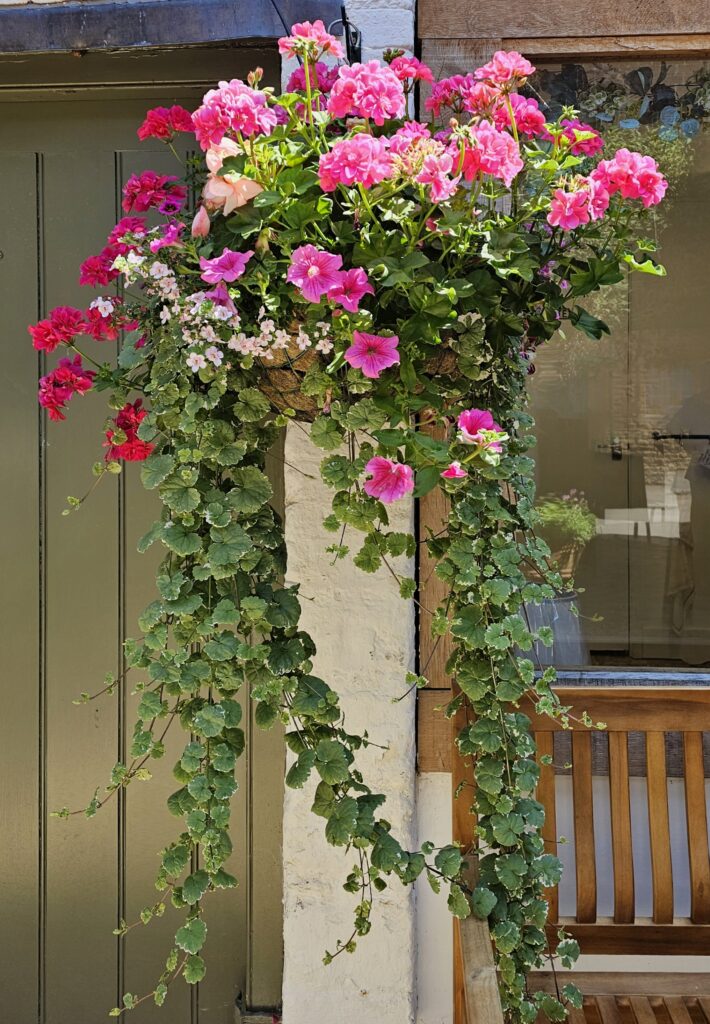
Beautiful floral hanging baskets in the village