Stay connected via Google News
Follow us for the latest travel updates and guides.

Four hundred inquiries from American farmers poured in after a single interview. Not for a John Deere. Not for a Case IH. For a tractor built in Alberta with a remanufactured 1990s diesel engine and zero electronics.
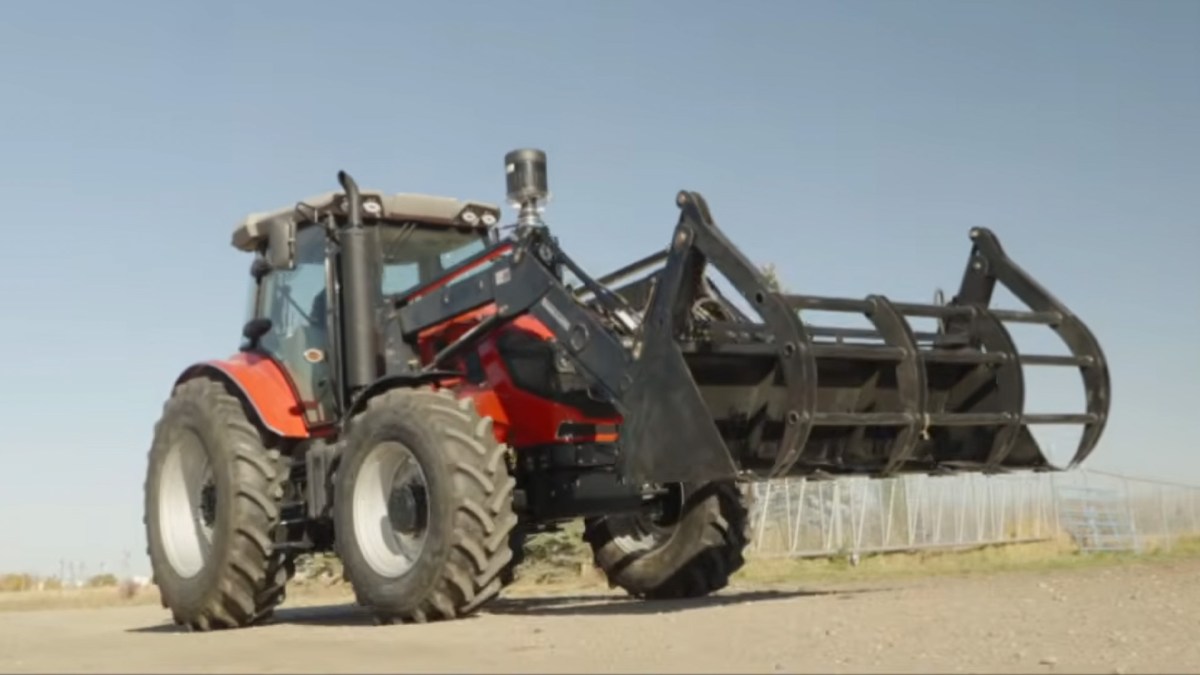
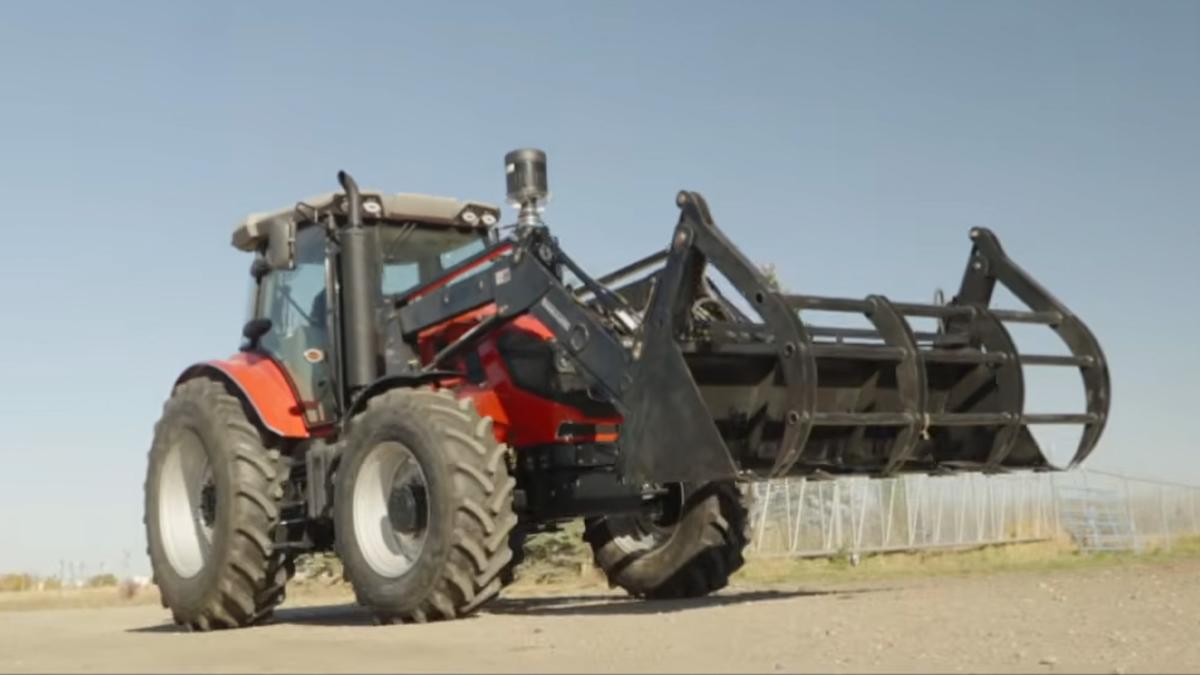
Ursa Ag, a small Canadian manufacturer, is assembling tractors powered by 12-valve Cummins engines — the same mechanically injected workhorses that powered combines and pickup trucks decades ago — and selling them for roughly half the price of comparable machines from established brands. The 150-horsepower model starts at $129,900 CAD, about $95,000 USD. The range-topping 260-hp version runs $199,900 CAD, around $146,000.
Try finding a similarly powered John Deere for that money.
Owner Doug Wilson isn’t pretending this is cutting-edge technology. That’s the entire point. The 150-hp and 180-hp models use remanufactured 5.9-liter Cummins engines, while the 260-hp gets an 8.3-liter unit.
All are fed by Bosch P-pumps — purely mechanical fuel injection, no ECU, no proprietary software handshake required. The cabs are sourced externally and stripped to essentials: an air ride seat, mechanically connected controls, and nothing resembling a touchscreen.
This plays directly into a fight that has been simmering for years. John Deere’s right-to-repair battles became a national story when farmers discovered they couldn’t fix their own equipment without dealer-authorized software. Lawsuits followed, then legislation.
Deere eventually made concessions, but the damage was done. A generation of farmers learned exactly how much control they’d surrendered by buying machines loaded with proprietary code.
Wilson saw the gap and drove a tractor through it. The 12-valve Cummins is arguably the most widely understood diesel engine in North America. Every independent shop, every shade-tree mechanic with a set of wrenches, every farmer who grew up turning bolts has encountered one.
Parts sit on shelves in thousands of stores. Downtime — the thing that actually costs a farmer money during planting or harvest — shrinks dramatically when you don’t need a factory technician with a laptop to diagnose a fuel delivery problem.
Ursa Ag’s dealer network remains tiny, and the company sells direct. Wilson admitted they haven’t scaled up distribution because they can’t keep shelves stocked as it stands. He says 2026 production will exceed the company’s entire cumulative output, which is a bold claim from a small operation, and whether they can actually deliver is the single biggest question hanging over this story.
The U.S. market is where things get interesting. Ursa Ag has no American distributors yet, though Wilson says that’s likely to change. The easiest answer is yes, we can ship to the United States,” he told reporters.
Those 400 American inquiries after one Farms.com segment suggest the appetite is real. Farmers who have been buying 30-year-old equipment to avoid modern complexity now have a new alternative — a machine with fresh sheet metal, a warranty, and an engine philosophy rooted firmly in the past.
There’s a reason the used tractor market has been so robust. Plenty of operators looked at a $300,000 machine full of sensors and software and decided a well-maintained older unit was the smarter bet. Ursa Ag is manufacturing that bet from scratch.
Whether a small Alberta company can scale fast enough to meet demand from an entire continent is another matter. The big manufacturers have supply chains, dealer networks, and financing arms that took decades to build. Wilson has remanufactured Cummins engines and a value proposition that resonates with anyone who has ever waited three days for a dealer tech to show up with a diagnostic cable.
The farm equipment industry spent 20 years adding complexity and cost. Ursa Ag is wagering that a significant number of farmers never wanted any of it.
Stay connected via Google News
Follow us for the latest travel updates and guides.