

Standard zoom

the best of both lenses
Have your cake and eat it
Nearly every iPhone carries multiple lenses on the back, so why not use them together?
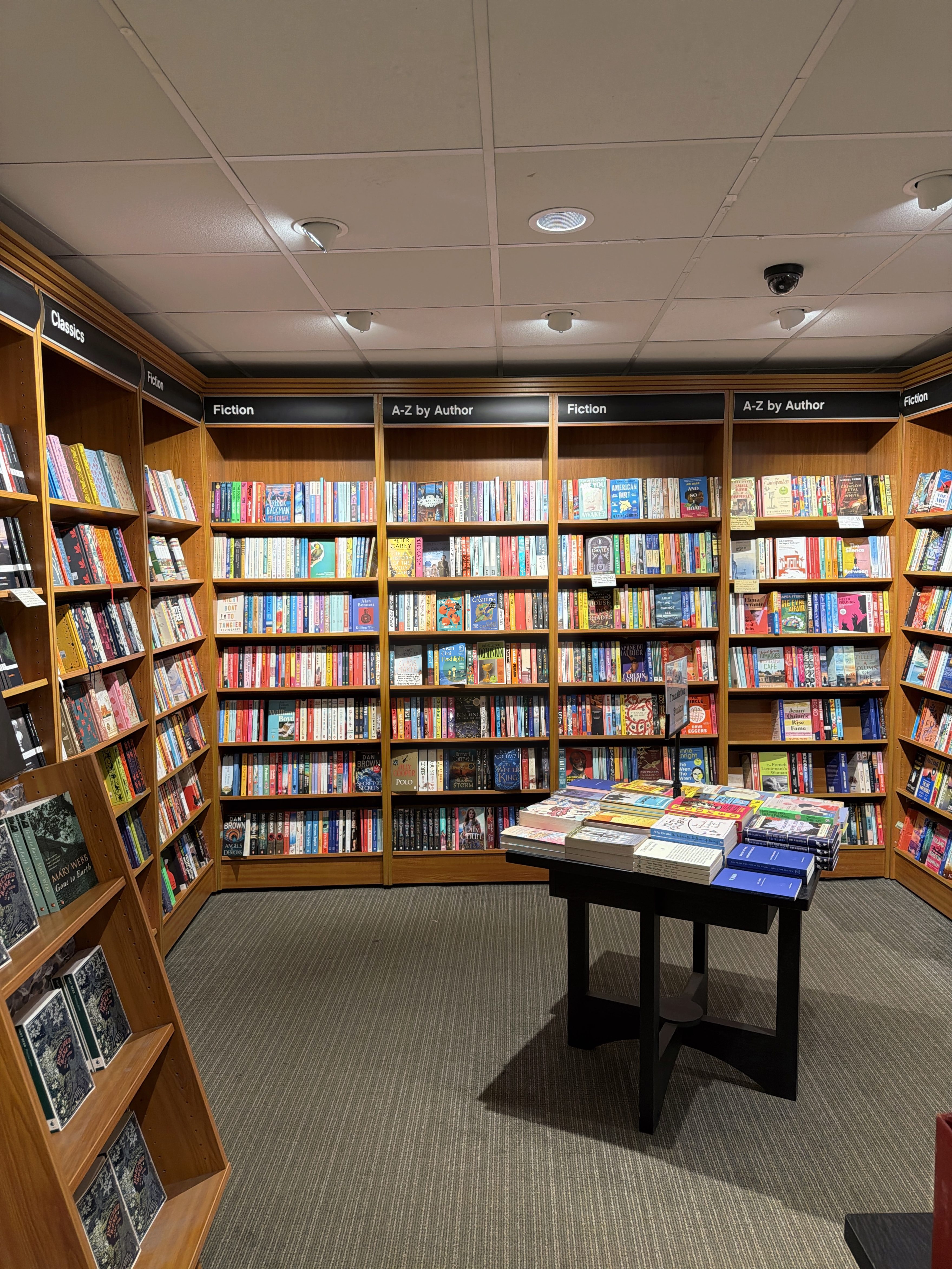
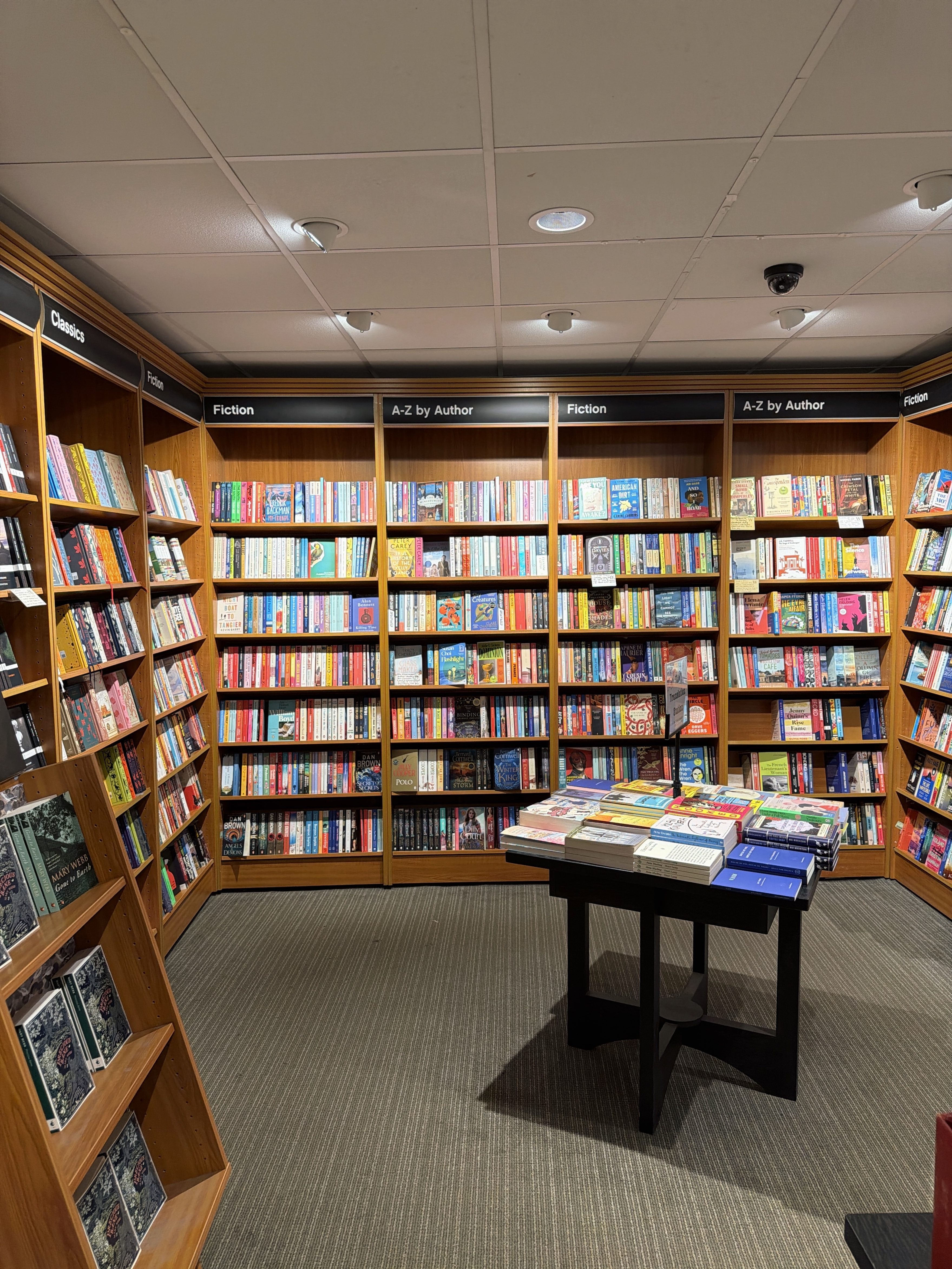
Photosynthesis combines the fine detail of the zoom lens with the wider angle of the main, keeping the best parts of each to give the best photos your iPhone can deliver.
For iPhones without an optical zoom lens, Photosynthesis delivers an equally impressive experience of combining the detail of the main camera with the breadth of the ultra-wide. This is also available on Pro iPhones with zoom.
DETAIL FROM A DISTANCE
Front row detail with crowd context
Photosynthesis is perfect for concerts and other live events, giving you the clearest view of your subject without compromising on the atmosphere.
The 1x + Zoom pairing gives an incredible upgrade in quality to the centre of your photo, while 1x + 0.5x lets you add wider context to your photo without compromising on detail.
Real detail without compromise
Until now, you’ve had to choose between detail and field of view. Now you can have both in one seamless photo.
Photosynthesis gives you the freedom to capture the widest field of view possible without losing any detail if you decide to crop or re-frame later.
Every pixel Photosynthesis delivers is captured by your camera, with no generative AI use whatsoever.
GALLERY
Shot on iPhone.
The centre glow highlights the otherwise seamless border between the lenses.
Not limited to long-distance shots
From awkward selfies in your kitchen ...
... to the moments you never want to forget ...
... capture every pixel of detail your phone can deliver.
More example photos
Turn a great view into an even greater photo.
Some test shots are more interesting than others.
Who doesn’t love a photo of a chalkboard?
This one was quite fun, I’ll admit.
Just look at that architecture.
How it works
Simply press the shutter.
One press of the shutter captures two of your iPhone’s lenses together. The app then combines them into a single high-res photo, keeping the best detail possible for each part of the photo, using only real optical detail captured by each lens, with no generative AI.
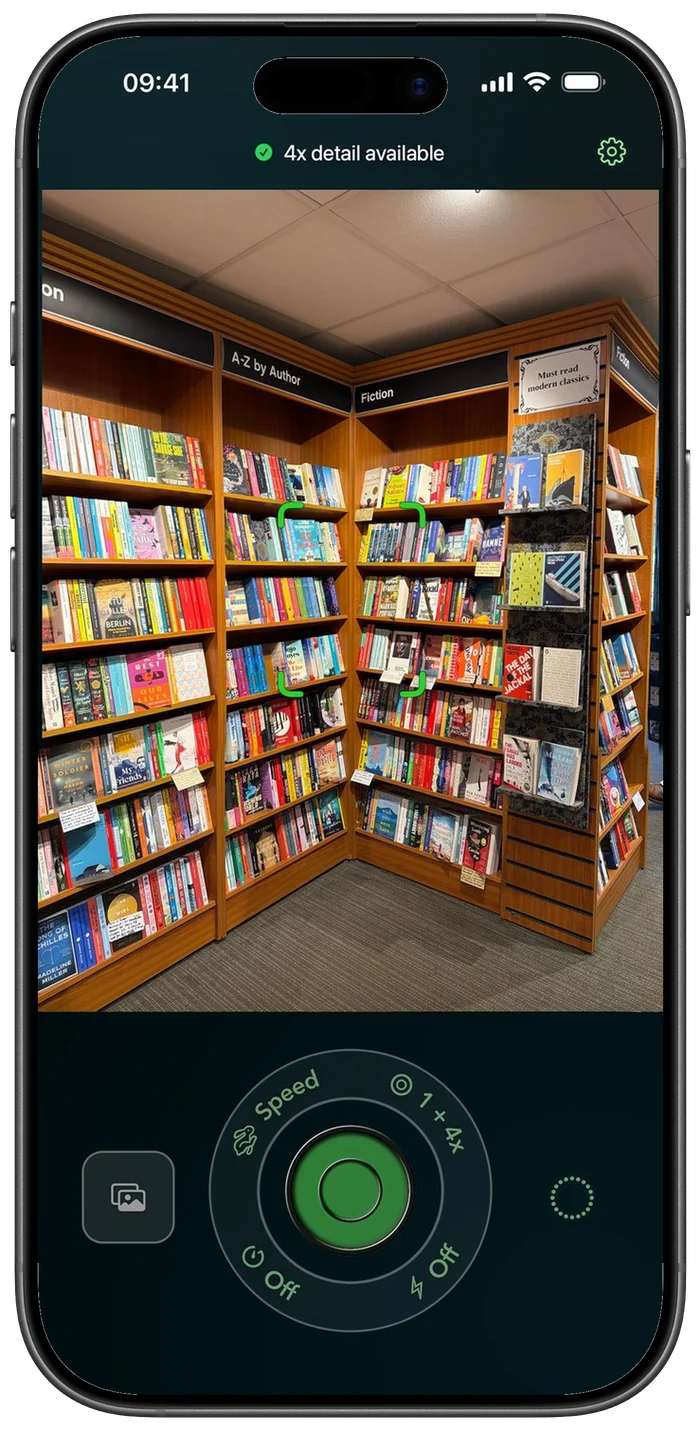
Line up the shot
Frame your subject inside the brackets that indicate the more detailed lens.
Press the shutter
Photosynthesis captures from multiple lenses simultaneously, allowing for a combined capture even during motion.
Marvel at the results
Alignment and colour are matched automatically between lenses, so you get the wide framing with the inner lens’s real optical detail.
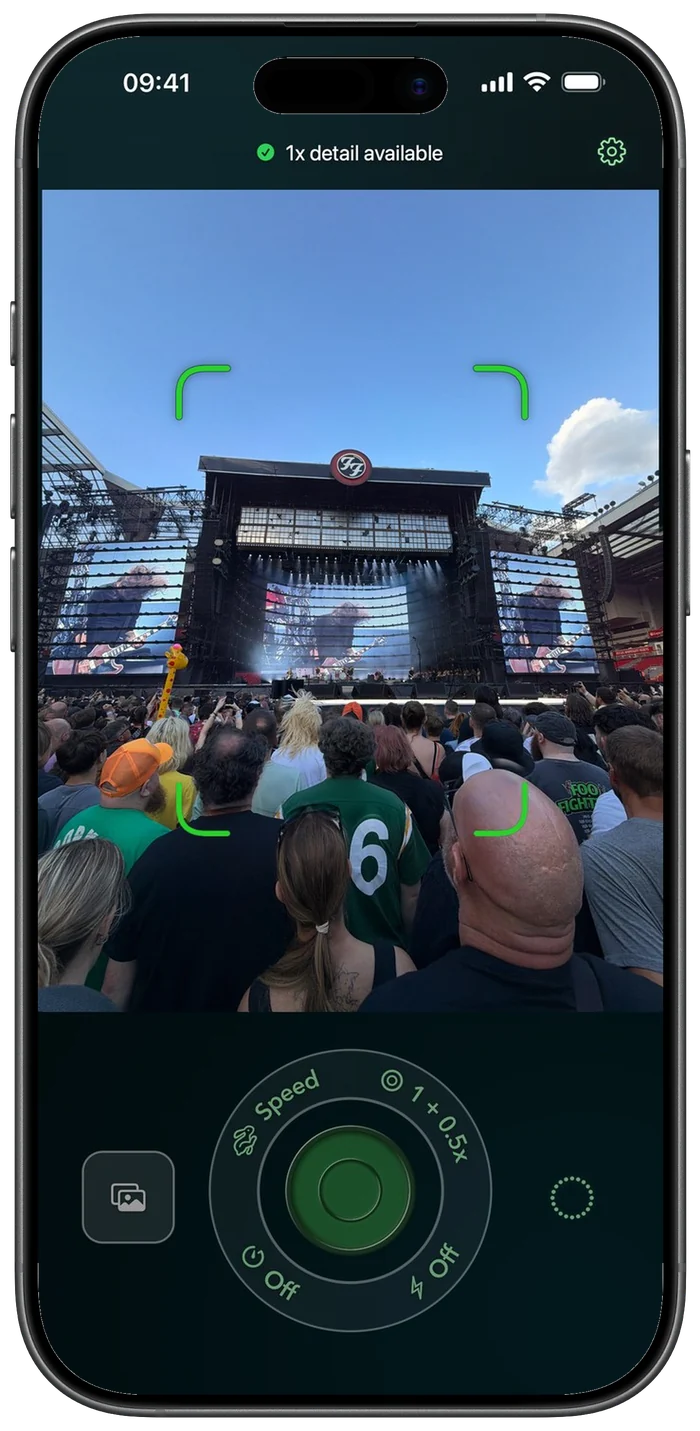
In the app
A camera and custom editor built around two-lens photos
Easy-to-understand framing
The brackets over the viewfinder indicate the area covered by the more detailed lens. Frame your subject inside them to capture the best detail.
The best of both lenses
The app processes both images, matching their alignment and colour, to deliver a single photo combining the larger area of the outer lens with the real optical detail of the inner one.
A fully-functional editor
Apply filters, adjust the image manually, crop and rotate as standard, with an extra layer of editing tools designed for two-lens photos. You can tweak the alignment of the inner lens, and ‘paint’ over any errors to correct ghosting or doubled subjects.
Professional exports
Export the finished photo to your Photos library or any other app, with a number of formats including a layered Photoshop (PSD) document, spatial photo, side-by-side 3D, and more.
Use our custom Photosynthesis file to export and re-import a photo to Photosynthesis without losing any layers or editing capabilities.
What you get
Shoot and edit as much as you like
Free
Everything is unlocked for the first 14 days. Following this, you can still capture and edit as many photos as you like for free.
- Unlimited captureTake as many two-lens photos as you like.
- Unlimited editing and viewing in-appGet the best out of every photo.
- 3 exports a monthThe limit only applies to exporting a photo outside of Photosynthesis, as ‘flat’ finished image files.
- Backup to iCloudOptionally backup every capture to your iCloud storage.
Unlimited
Everything unlocked in one reasonably-priced subscription.
- Unlimited capture, editing and viewingCapture every moment with the most detail possible.
- Unlimited exportsSave and share every photo with no monthly limit.
- Professional export formats• Layered Photoshop (PSD) documents
- Custom themes and app iconsPick from our preset colour themes, or build your own.
- Backup to a custom folderAs well as optional iCloud backup, auto-transfer a copy of every photo to a folder of your choosing.
Frequently asked questions
Which iPhone models are supported?
Every iPhone with 2 or 3 lenses on the back from the iPhone 11 onwards is officially supported. iPhones with 2 lenses can combine both of those lenses into one image, while iPhones with 3 lenses can choose which pair they want to combine, or combine all three (currently in beta).
Is the detail created by AI?
There is no generative AI use in Photosynthesis. We do use machine learning to calculate the best alignment and colour match between the lens captures, but every pixel of detail comes from a photo taken by your camera.
Why can’t I zoom in the viewfinder?
Photosynthesis is designed to capture the most detail possible for every photo, without compromising with digital zoom. Keeping the image ‘zoomed out’ helps to frame your subject correctly for the full set of lenses. You can then focus in by cropping the photo once it has been processed.
Can I set focus manually?
The app defaults to focus in the centre of the viewfinder to optimise for the alignment of both lenses. A manual focus control would fight against this alignment.
Does it work up close?
Because the lenses are physically separate on your phone, the closer you are to the subject, the harder the two photos are to align. If they don’t align properly, you can always export the image from each lens on its own.
Where are my photos saved?
Every photo is kept inside the app so nothing is lost while the app is still installed. You can optionally backup to iCloud and/or a folder of your choosing, and you can auto-export every photo to the Photos app, as well as manually export in a number of different formats.
Why can’t I export any more photos?
Free users can export 3 photos a month. Capturing, editing and viewing photos in the app are unlimited — the limit only applies to exporting a photo outside of Photosynthesis.
Still have questions?
Get in touch by tapping ‘Send Feedback’ from the main Settings screen, or email us on hello@photosynthesis.camera and we’ll get back to you as soon as possible.