☼
The Sun
A dynamic sphere of plasma photographed by NASA's SDO every 12 seconds in 12 wavelengths — from the 5,000 K surface to 10-million-degree flare plasma. Each wavelength reveals a hidden layer of solar activity.
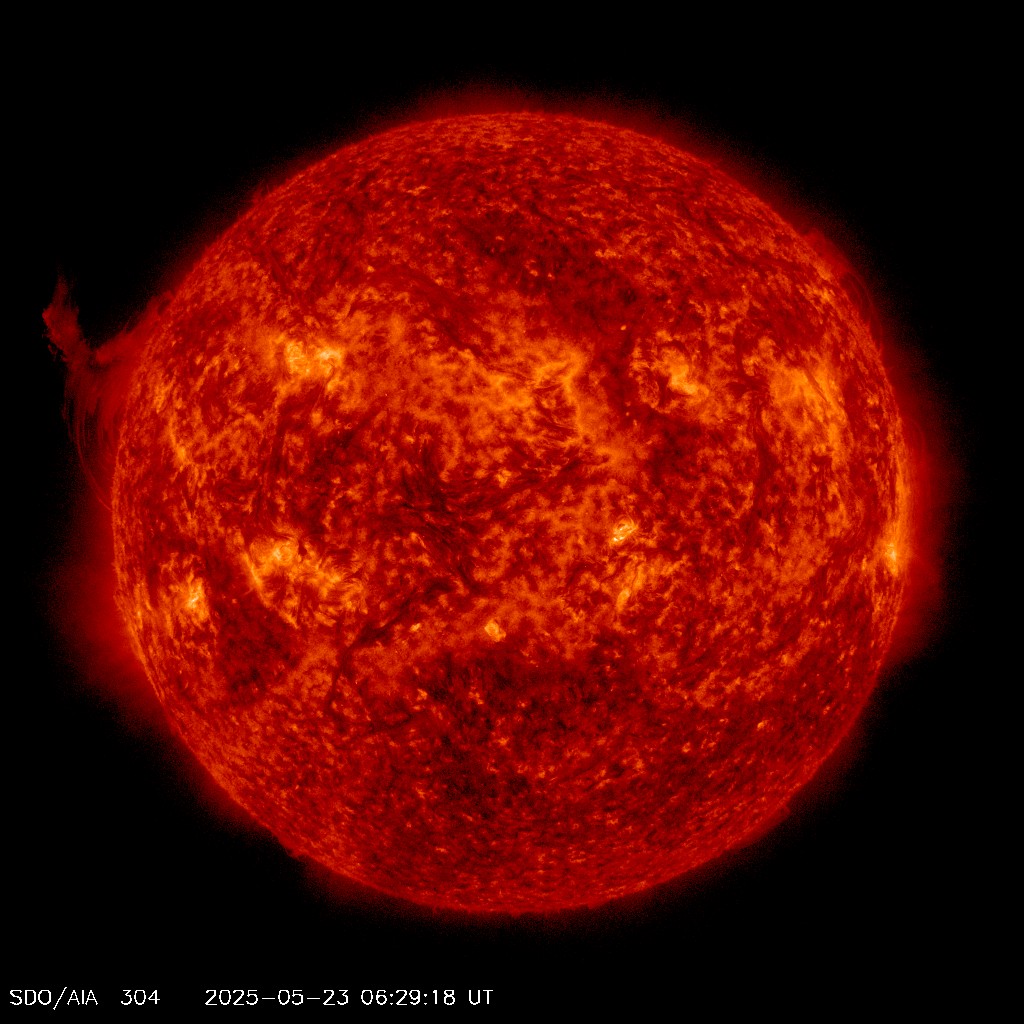
Chromosphere ~50,000 K 1024px
Moonrise —
Moonset —
Altitude —
Distance —
Next Full Moon —
Next New Moon —
Rolling 24hr — NASA SDO/AIA 171Å Quiet Corona
International Space Station — NASA HD Camera
Solar Flares —
CMEs —
Geo Storms —
Fetching data from NASA DONKI...
1.4M km Solar diameter
384,400 km Earth–Moon distance
10M K Hottest flare plasma
3,000 km/s Fastest CME speed
☼
A dynamic sphere of plasma photographed by NASA's SDO every 12 seconds in 12 wavelengths — from the 5,000 K surface to 10-million-degree flare plasma. Each wavelength reveals a hidden layer of solar activity.
☾
Completing a cycle every 29.53 days. Lumara uses Jean Meeus's Astronomical Algorithms — the same methods used by professional observatories — to calculate phase, illumination, rise/set, and distance offline.
⚡
Solar flares rated B→C→M→X. Coronal mass ejections at up to 3,000 km/s. Geomagnetic storms on the G1–G5 scale. Lumara tracks all three in real-time from NASA's DONKI database.
Everything you see here — plus offline moon data, solar timelapse videos, and 4K zoom — in your pocket.
☼ 12 Solar Wavelengths
🌙 Offline Moon Phases
⚡ Space Weather Alerts
🔒 Zero Tracking


No accounts. No tracking. No ads. Free forever.
Your location stays on your device. Solar and lunar images are fetched directly from NASA servers — we never see your data. Zero data collection. Period.
// MISSION BRIEFING
Completely. No premium tier, no ads, no in-app purchases. Every feature, forever.
Coming soon. The iOS build (universal — iPhone + iPad) was submitted to Apple Review on 2026-04-27. Add yourself to the waitlist by following @BeeswaxPat for the launch. Android is live now.
Never. You pick a city from a list — stored only on your device. No GPS, no transmission.
Directly from NASA's Solar Dynamics Observatory and ESA/NASA SOHO. Updated every ~15 minutes. Public domain.
Jean Meeus's Astronomical Algorithms — the same methods used by professional observatories. Accurate to minutes.
Different wavelengths reveal different layers of the Sun — from the 5,000 K surface to 10-million-degree flare plasma. 12 views, one star.
A massive burst of solar plasma traveling up to 3,000 km/s. Can trigger aurora and geomagnetic storms. Lumara tracks them via NASA DONKI.
Moon calculations work offline. Solar imagery and space weather require a connection — they're fetched live from NASA.
Geomagnetic activity on a 0–9 scale. Kp 5+ means a storm (G1–G5) and possible aurora at your latitude.
Beeswax Pat — a U.S. Army veteran and indie developer. One person, no funding, no tracking deals. Bug reports and feedback welcome at beeswaxpat@gmail.com.
NASA Solar Dynamics Observatory — Click anywhere to close
NASA LRO LROC WAC Mosaic — Click anywhere to close