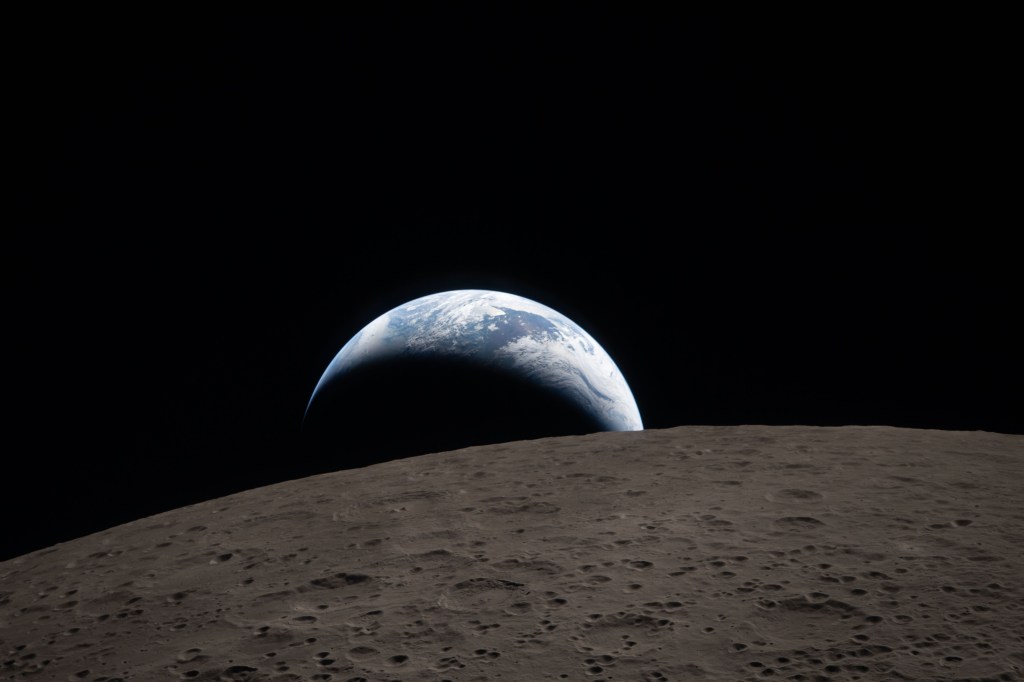
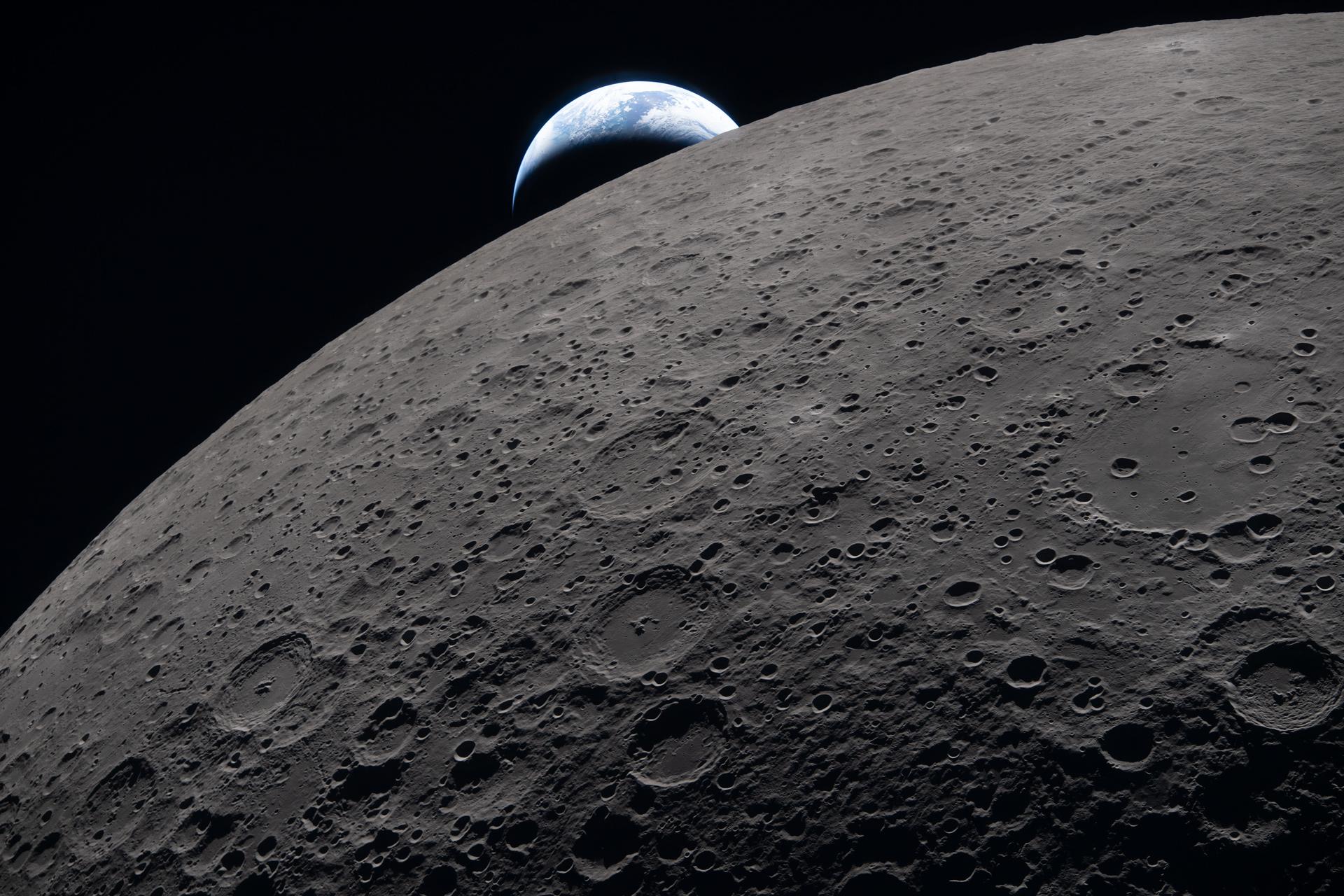
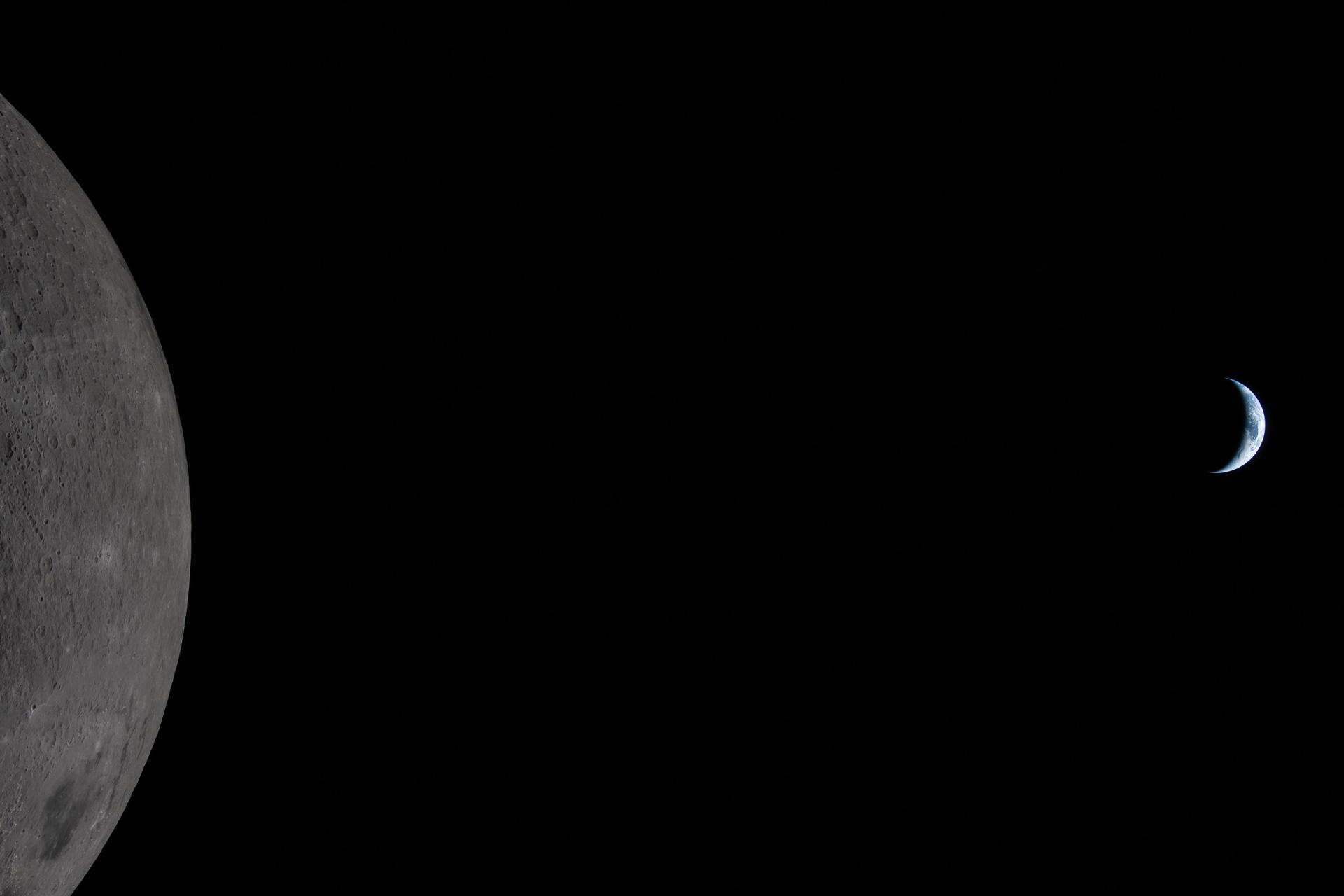
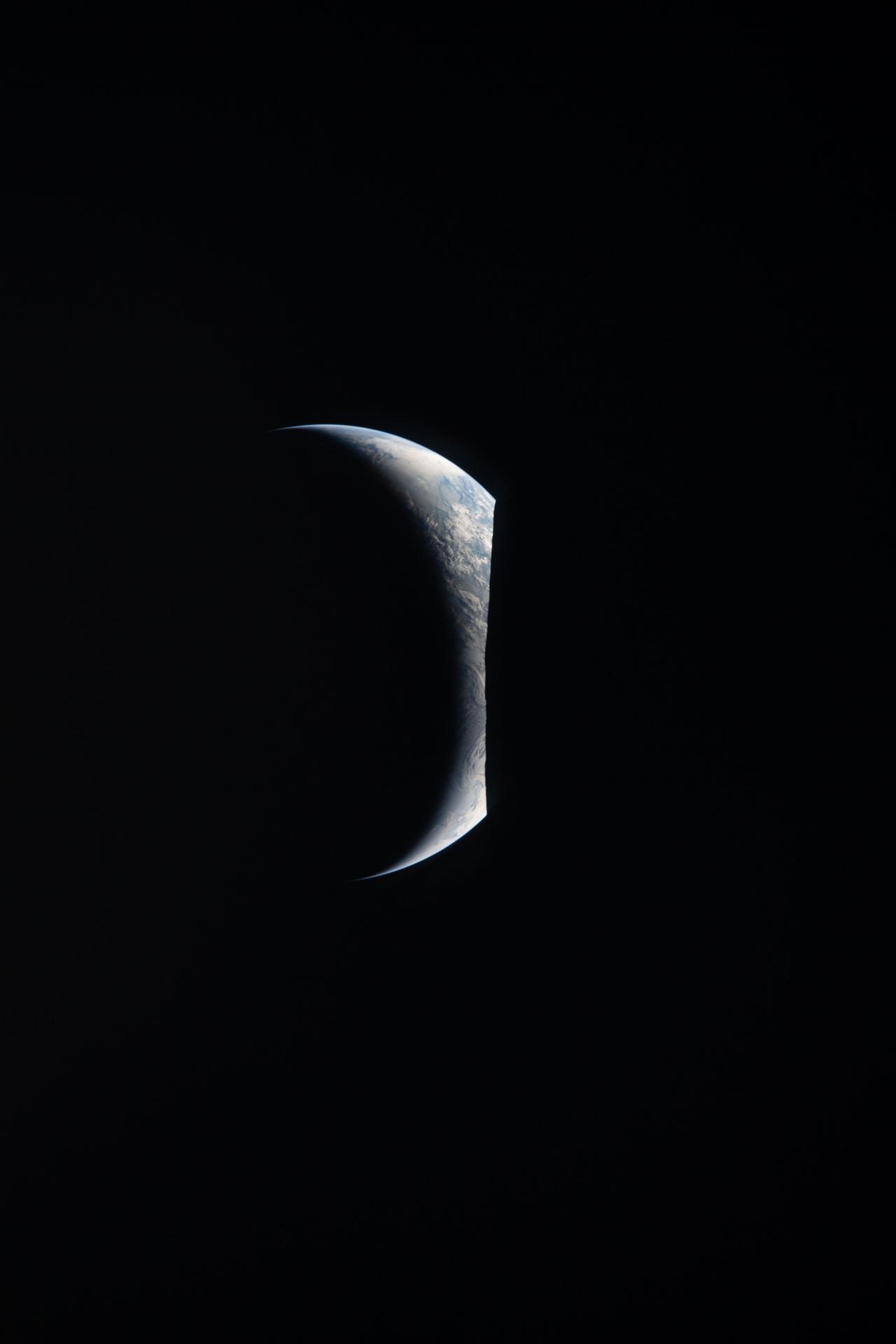
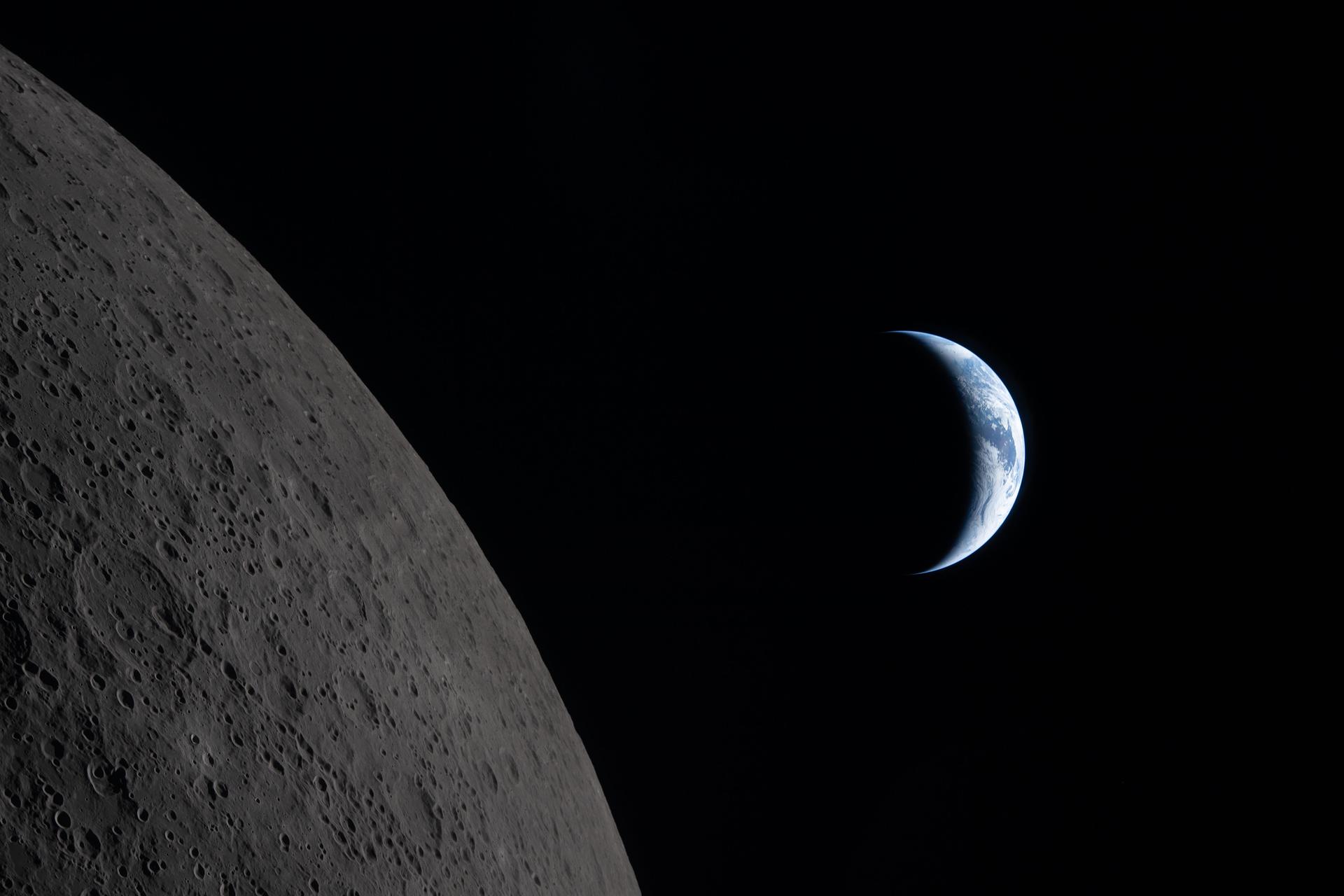
art002e009288 (April 6, 2026) – Earthset captured through the Orion spacecraft window at 6:41 p.m. EDT, April 6, 2026, during...
art002e009281 (April 6, 2026) – The Artemis II crew captures a portion of the Moon coming into view along the...
art002e009287 (April 6, 2026) – Earth sets at 6:41 p.m. EDT, April 6, 2026, over the Moon’s curved limb in...
art002e009301 (April 6, 2026) – Captured by the Artemis II crew during their lunar flyby on April 6, 2026, this...
art002e009298 (April 6, 2026) – A close-up view from the Orion spacecraft during the Artemis II crew’s lunar flyby on...
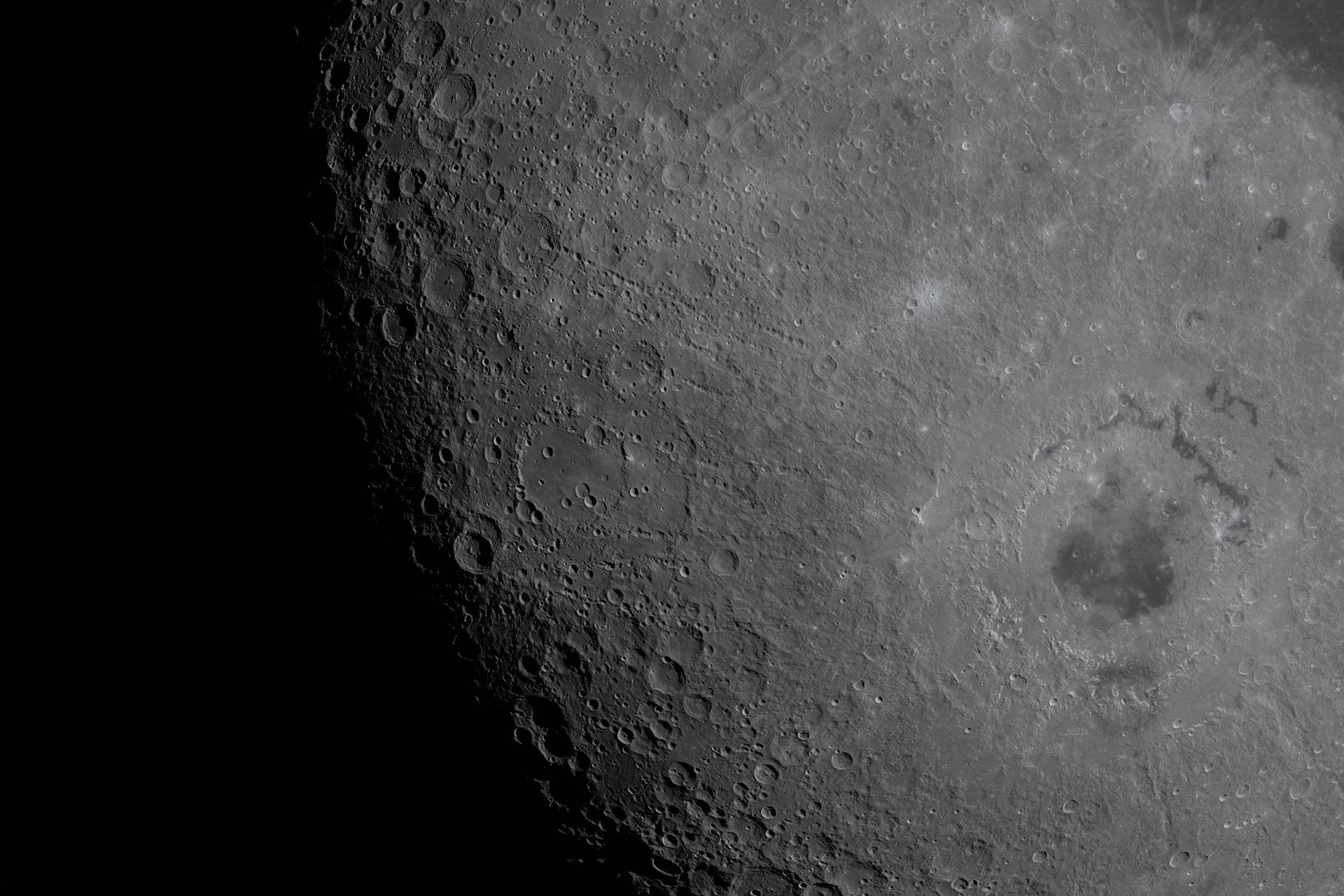
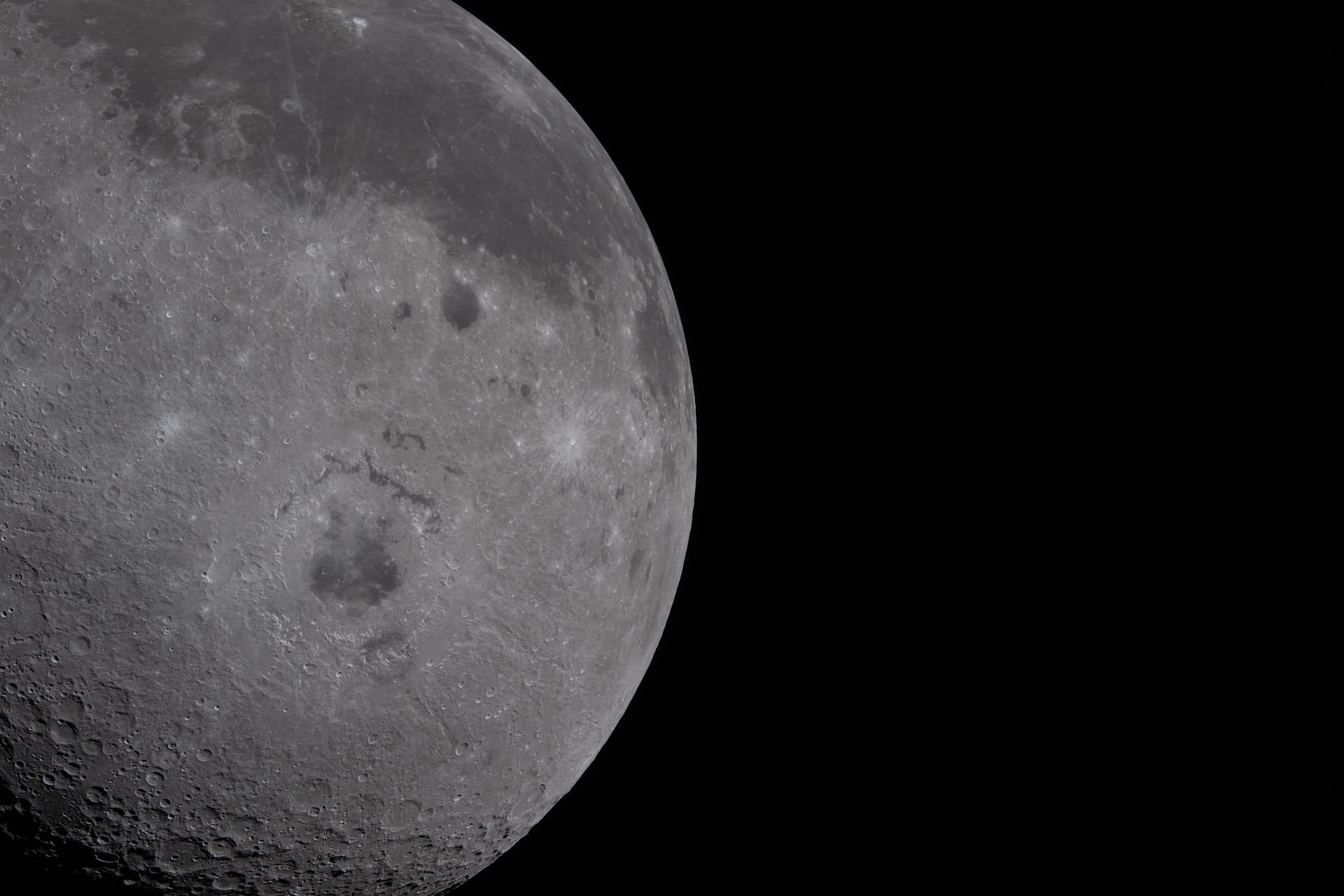
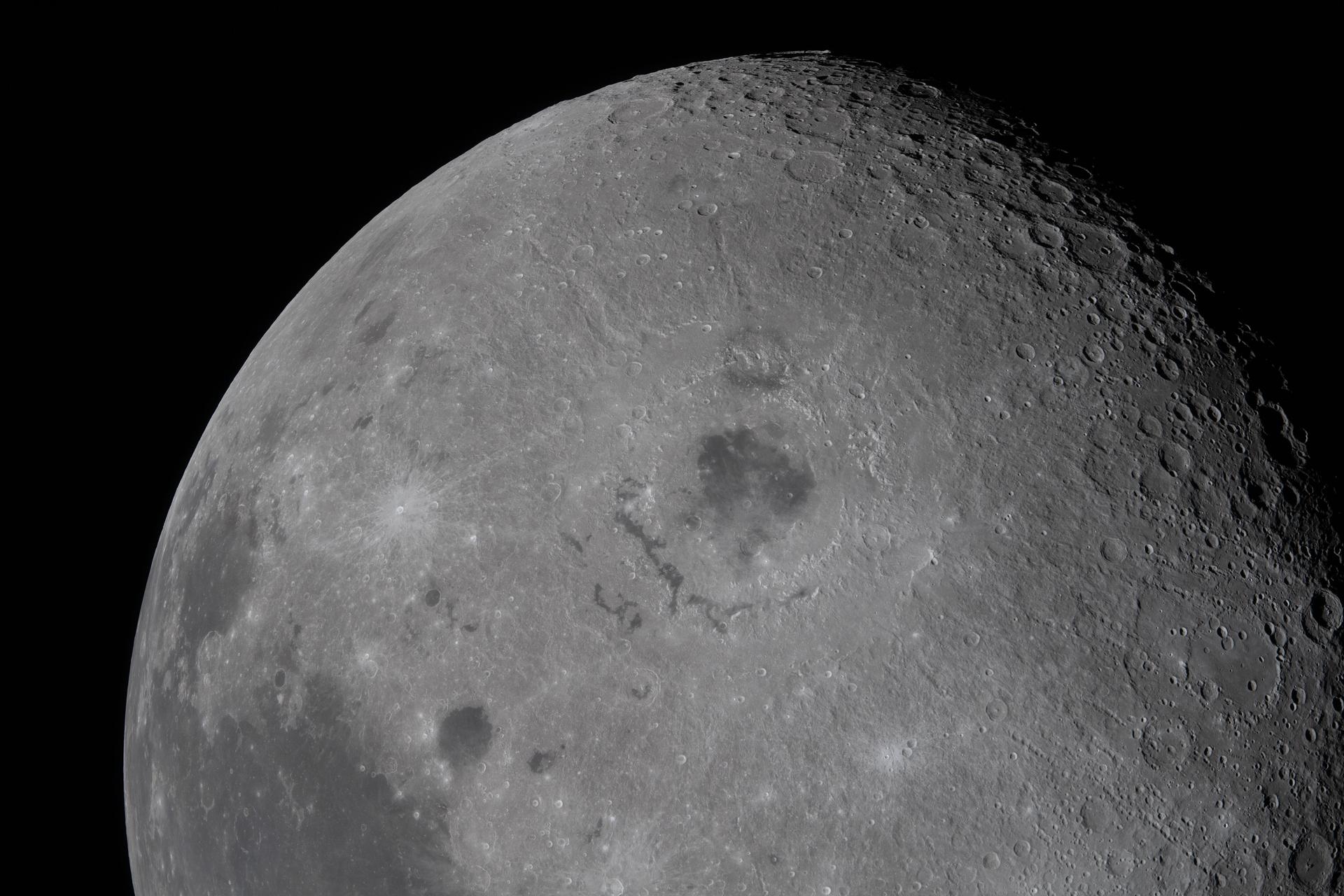
art002e009289 (April 6, 2026) – The lunar surface fills the frame in sharp detail, as seen during the Artemis II...
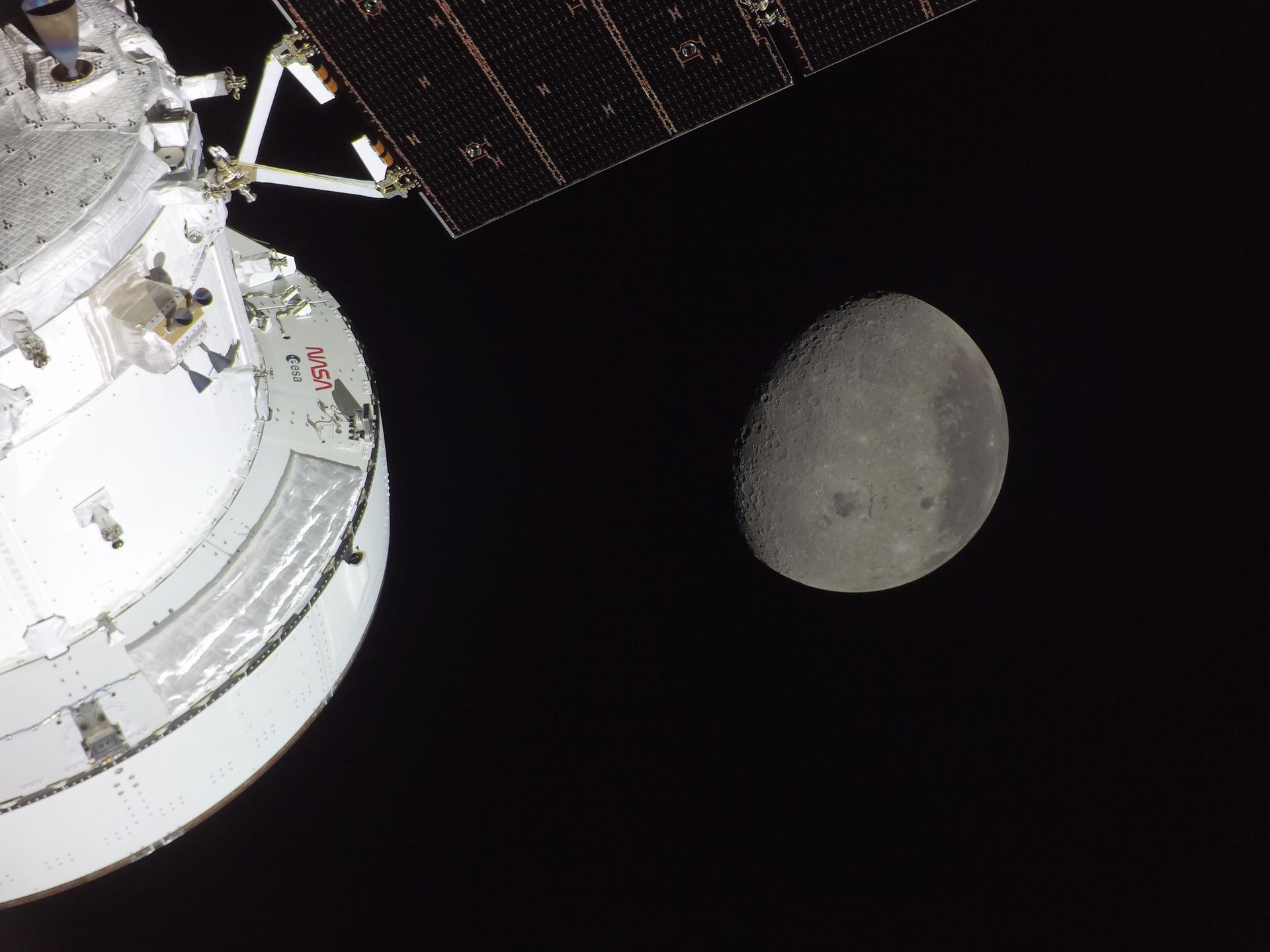
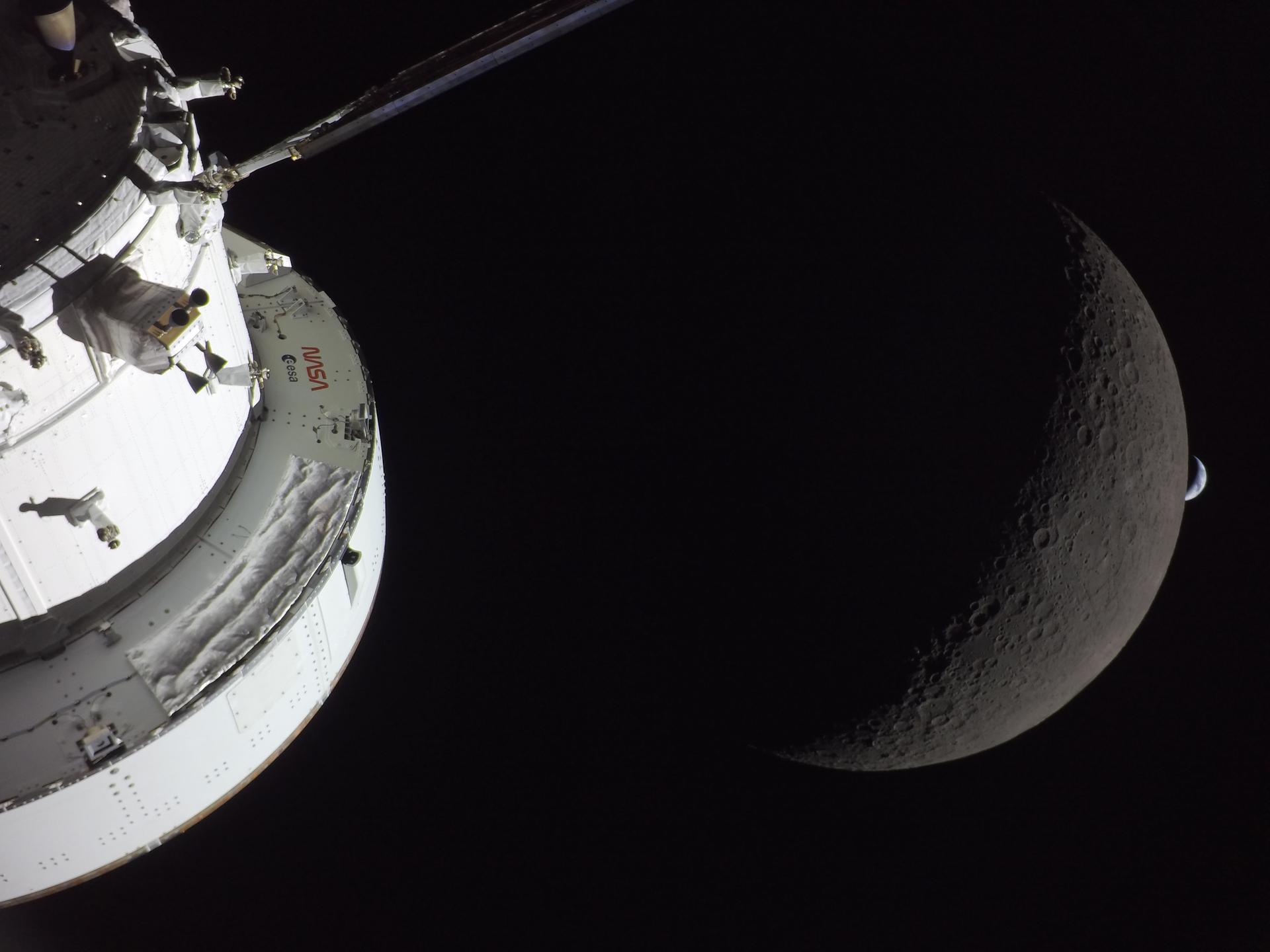
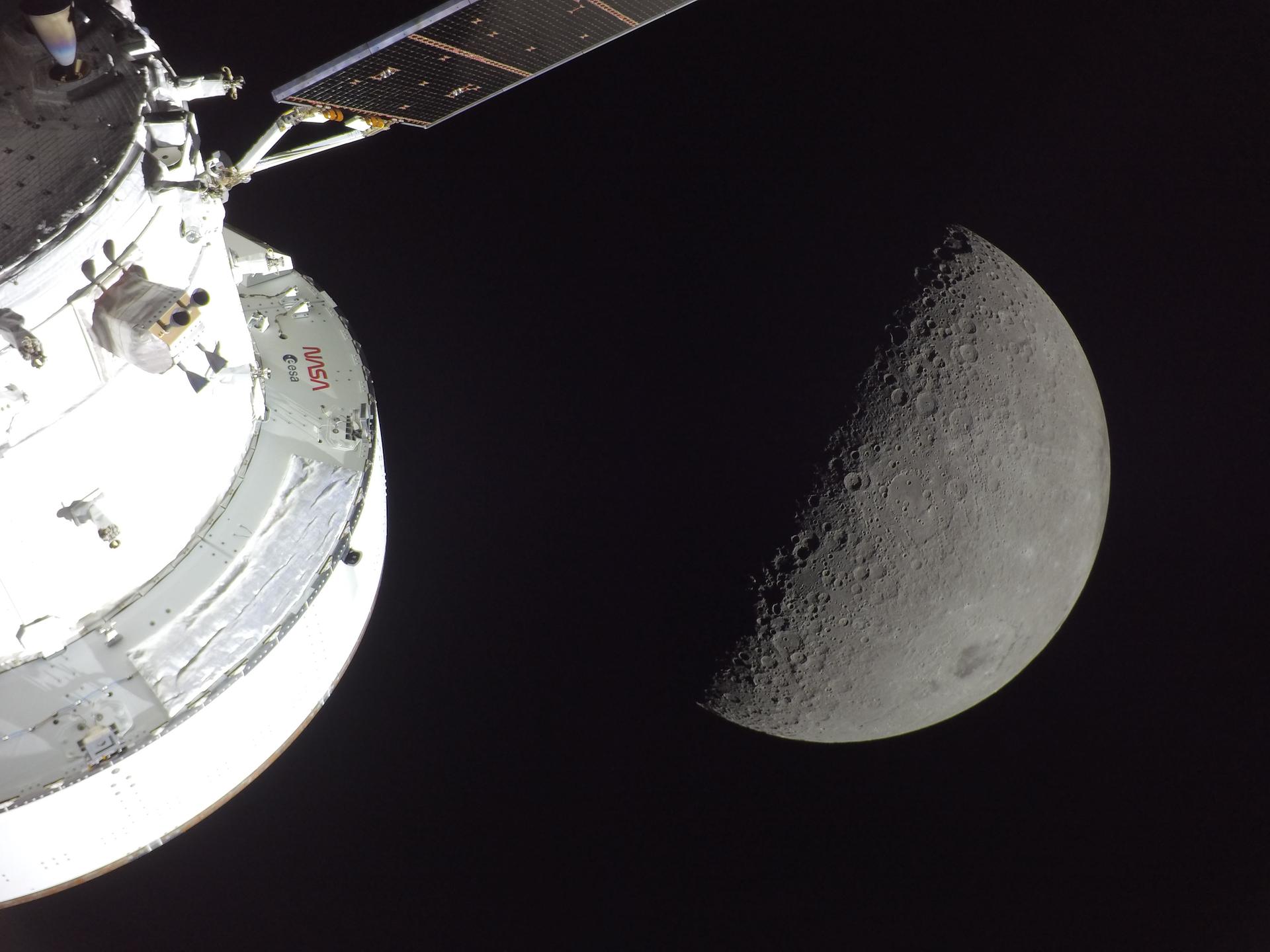
art002e009562 (April 6, 2026) - The Orion spacecraft is seen in the foreground lit up by the Sun. A waxing...
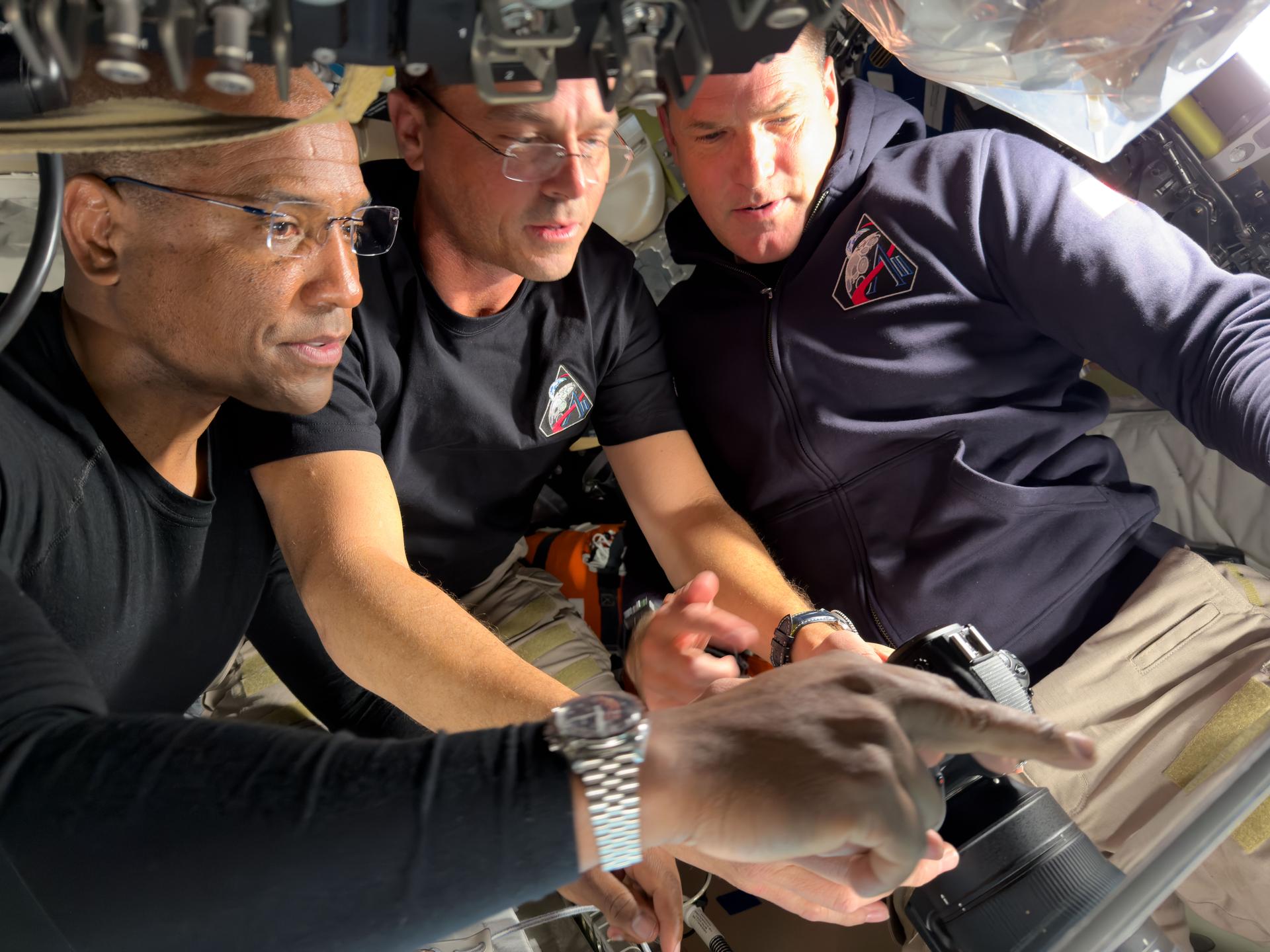
art002e009294 (April 6, 2026) – Artemis II Pilot Victor Glover, Commander Reid Wiseman, and Mission Specialist Jeremy Hansen prepare for...
art002e009567 (April 6, 2026) - NASA’s Orion spacecraft captures the Moon and the Earth in one frame during the Artemis...
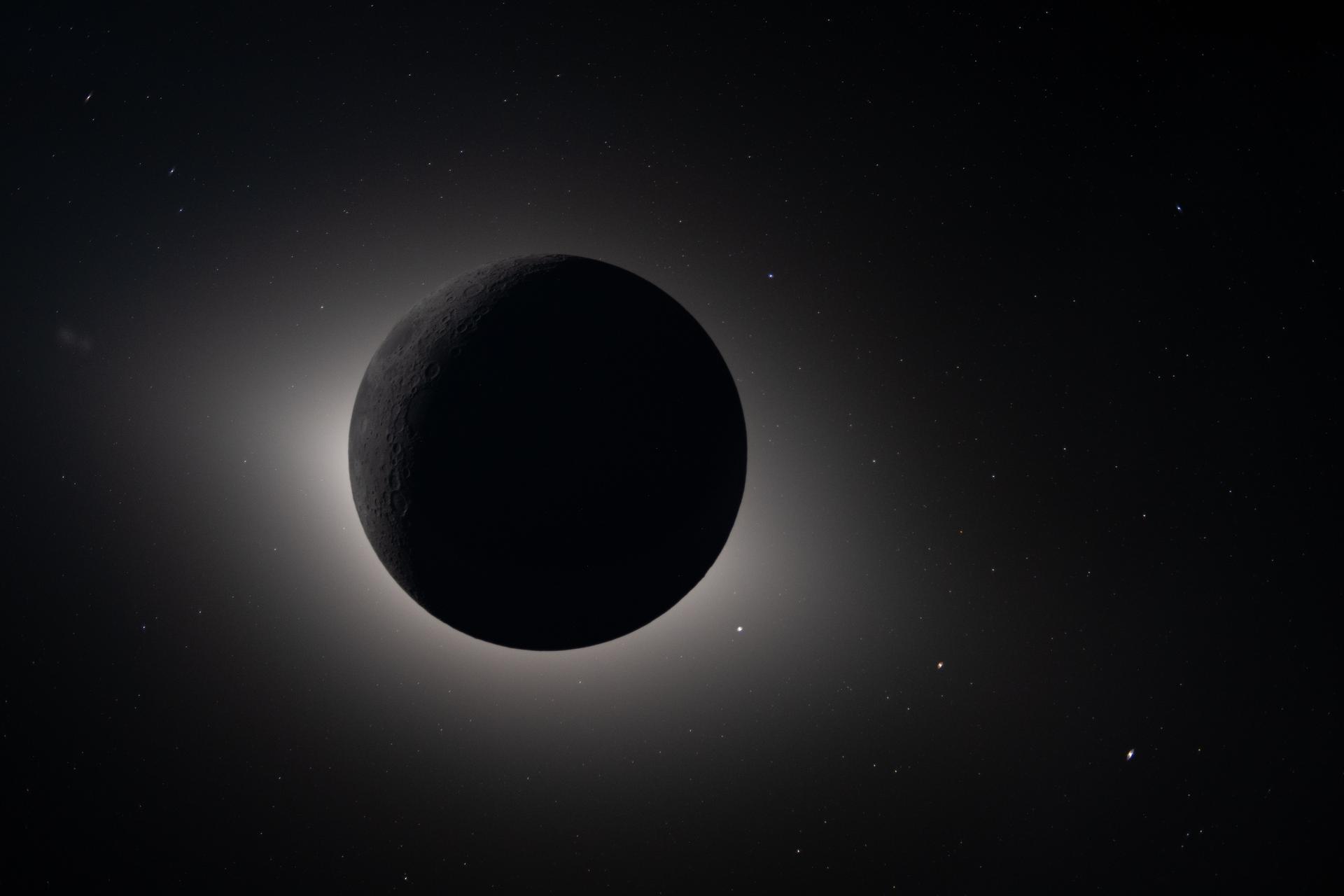
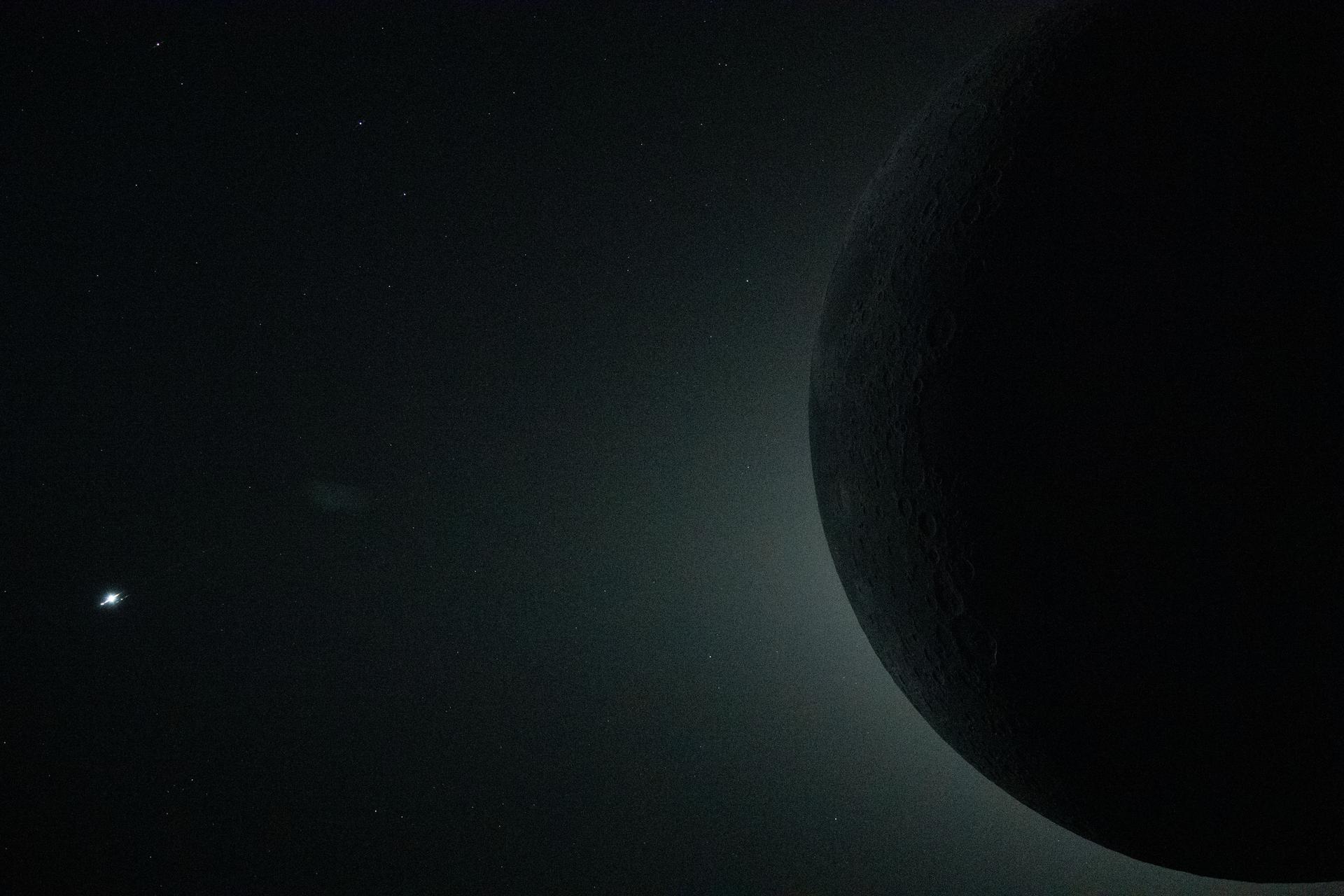
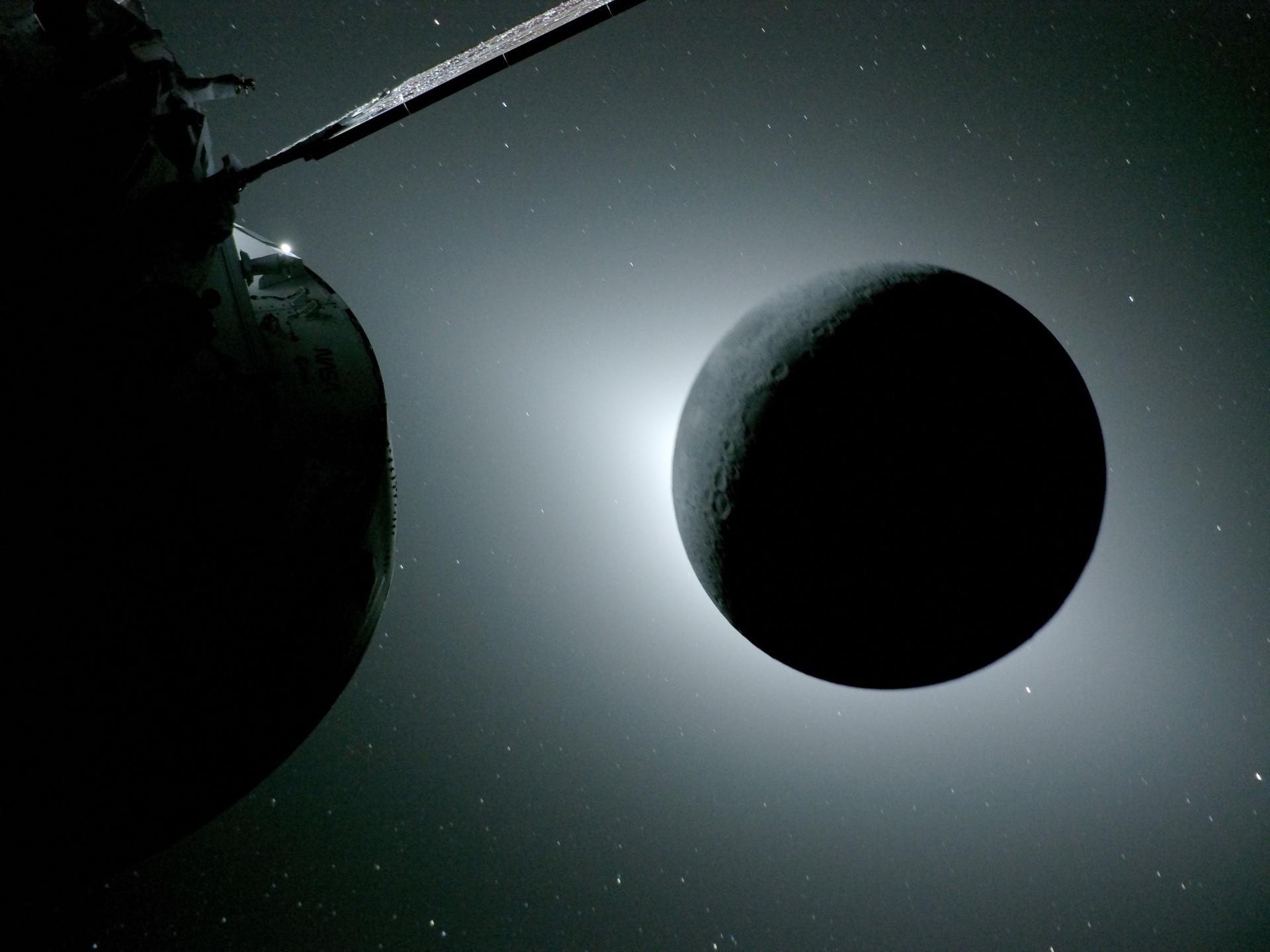
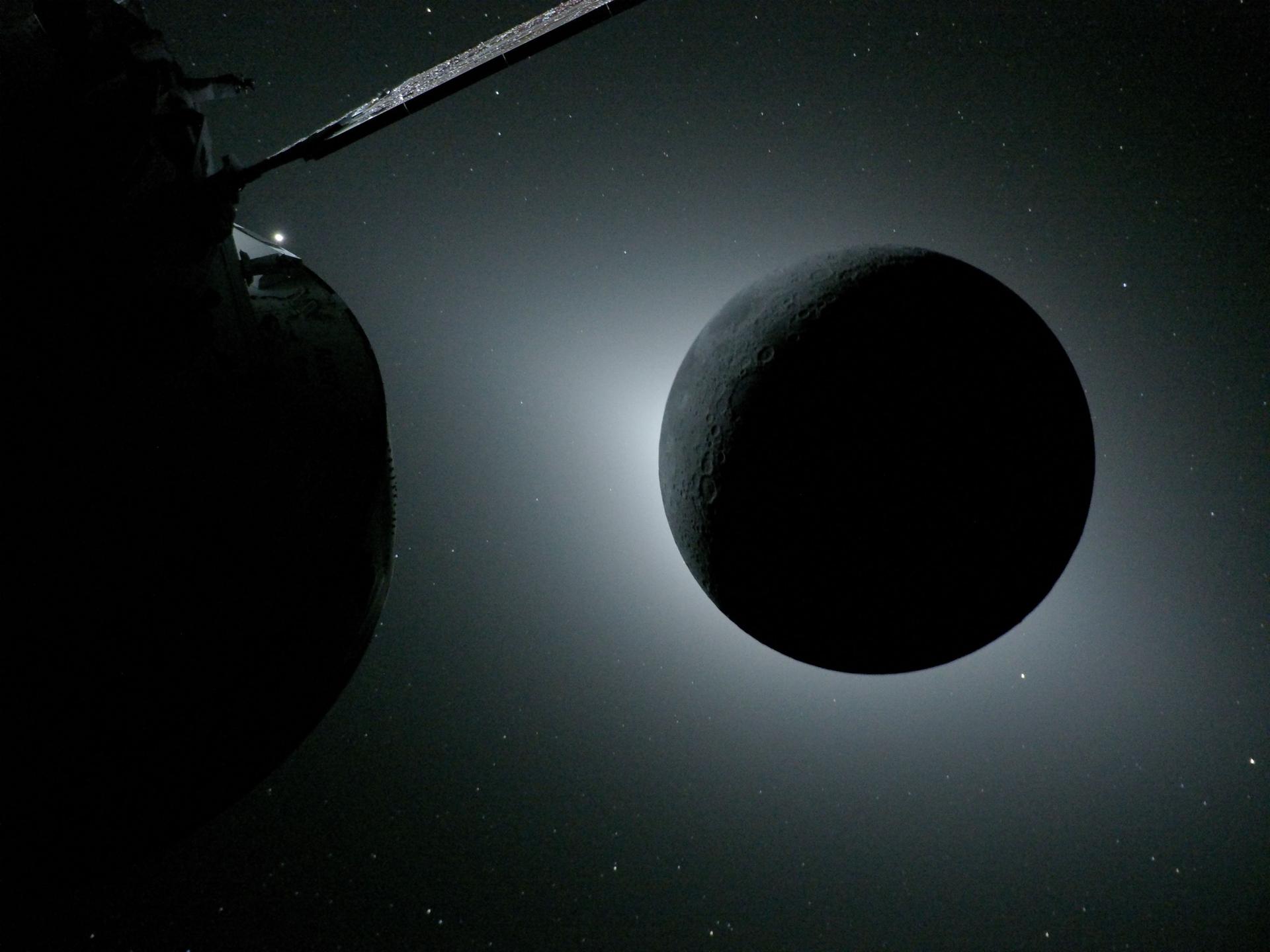
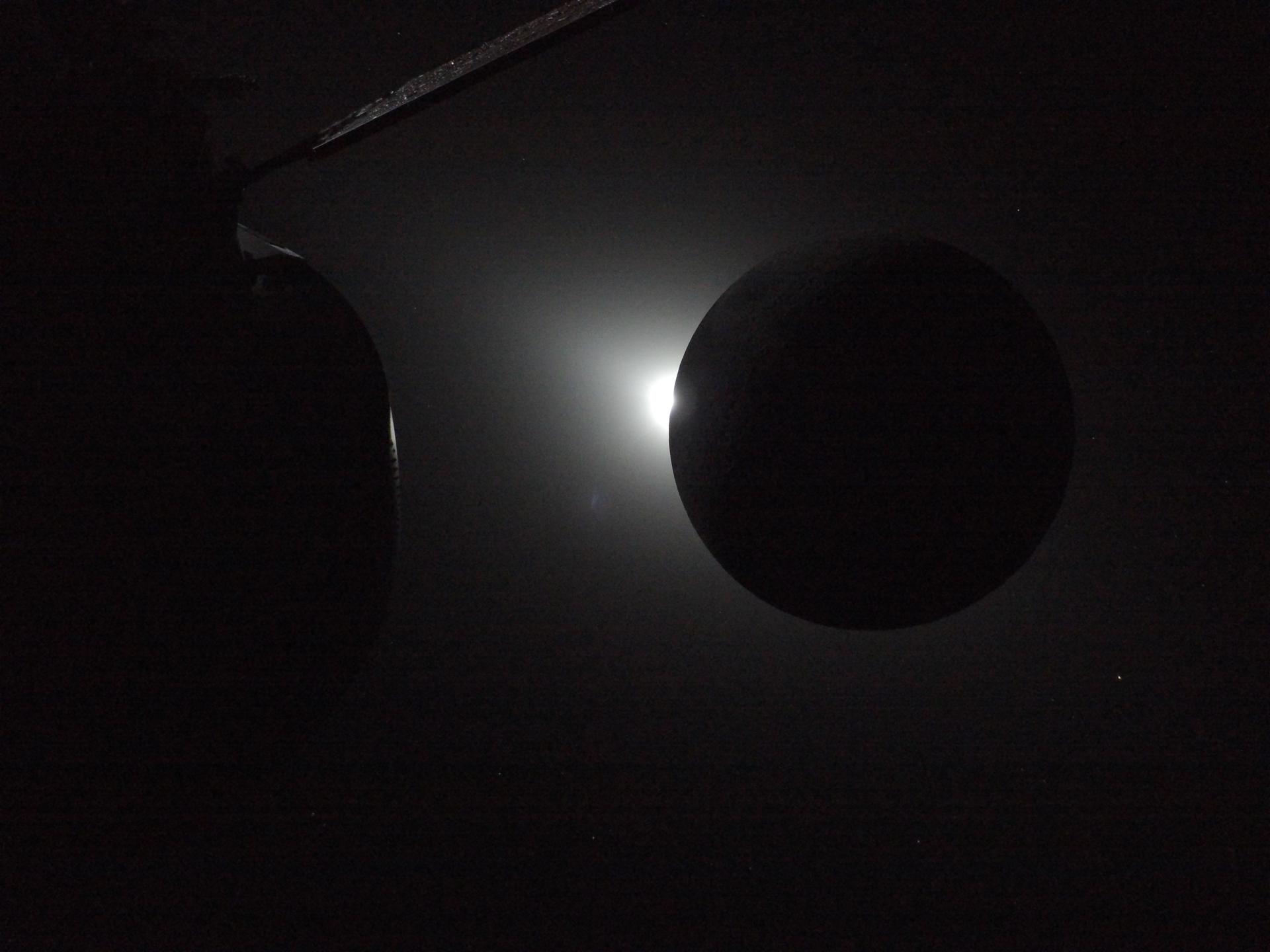
art002e009573 (April 6, 2026) - The Moon, seen here backlit by the Sun during a solar eclipse on April 6,...
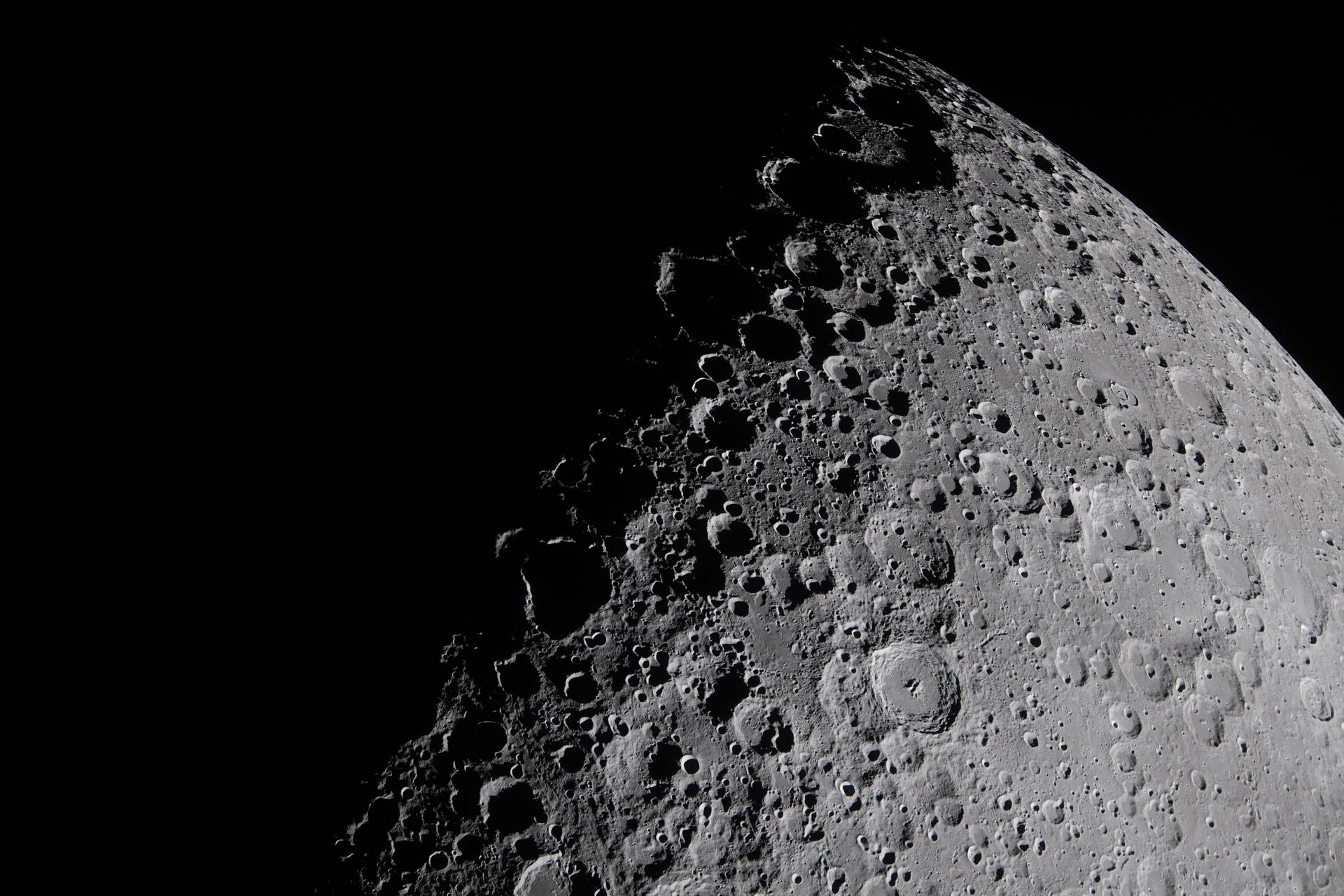
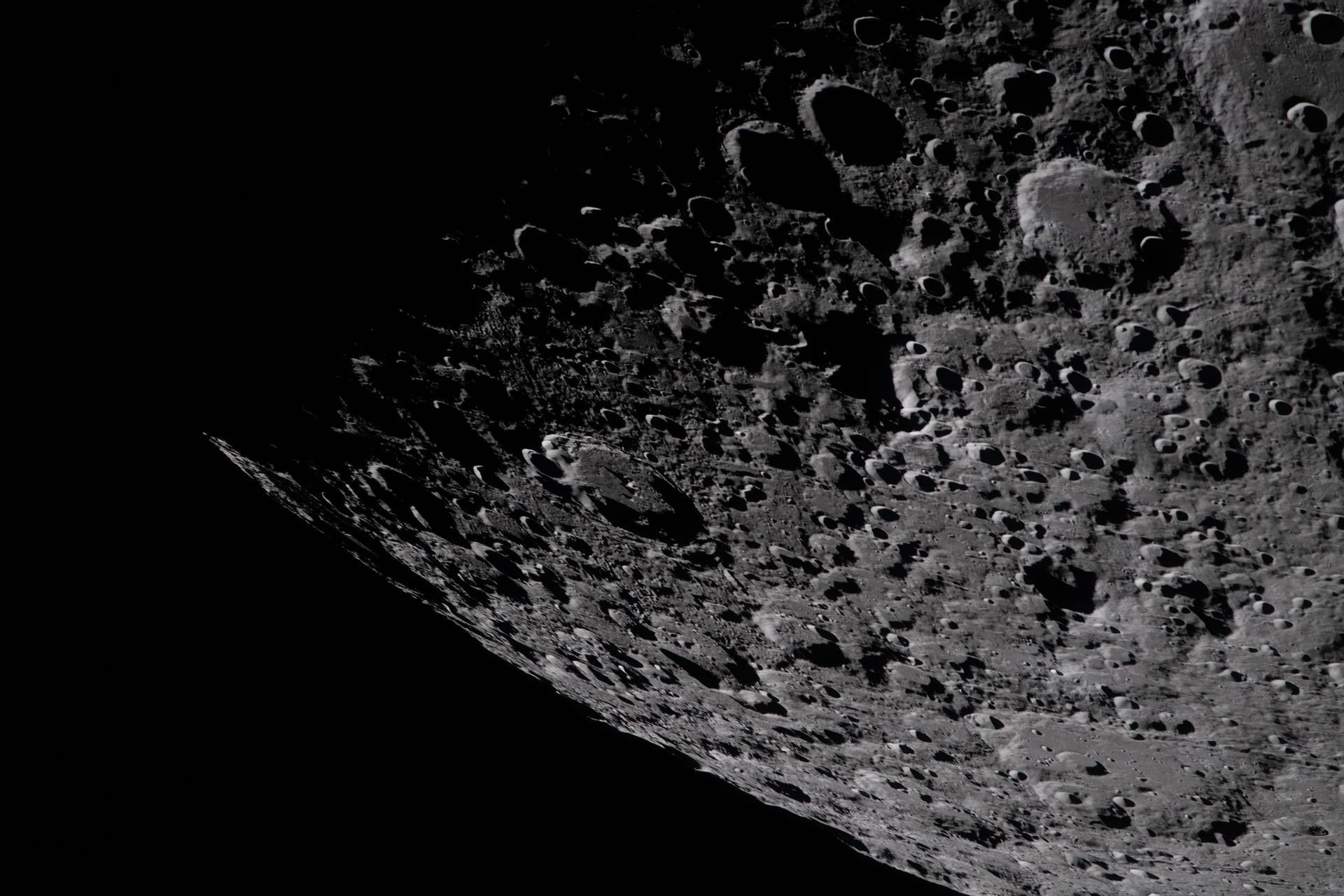
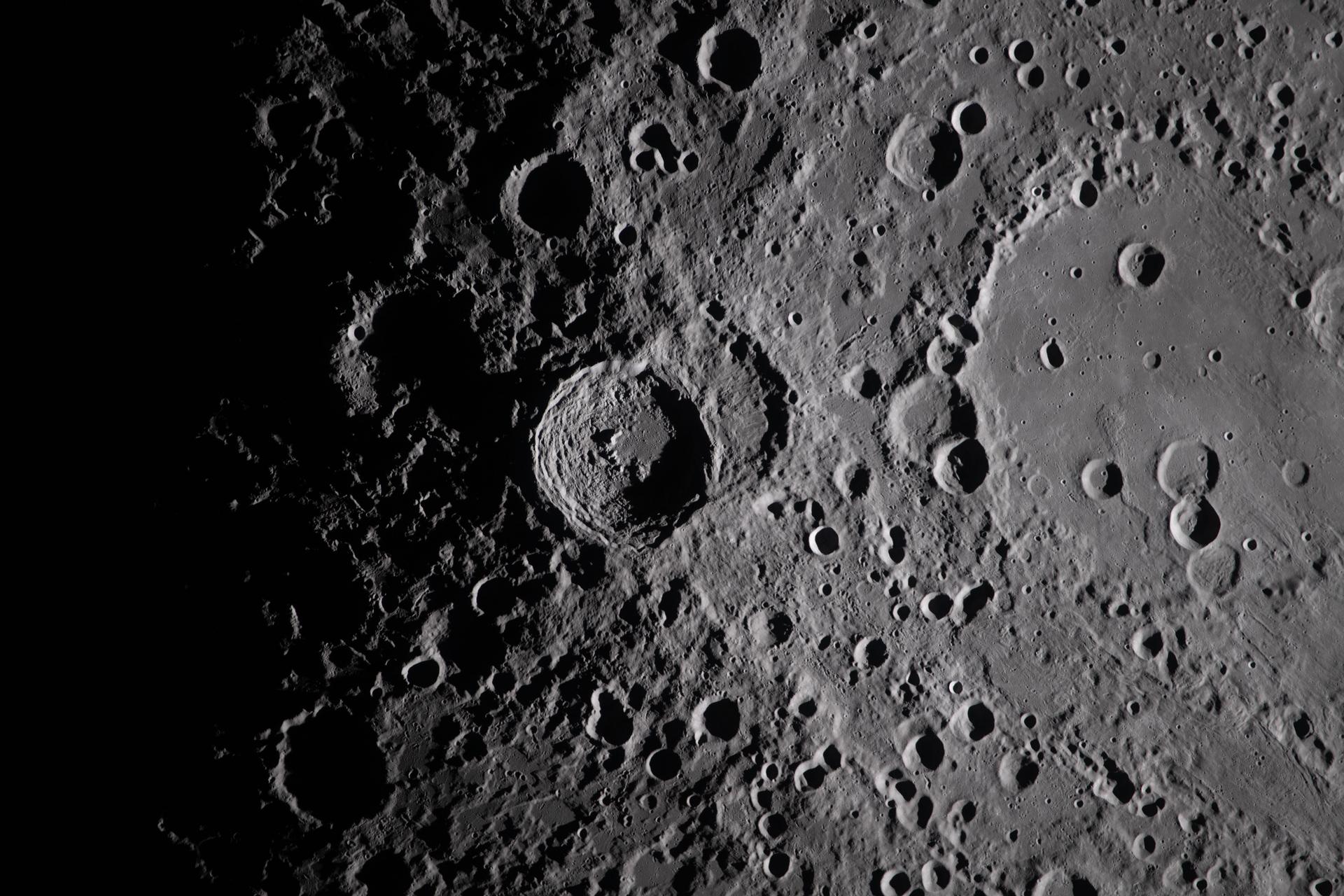
art002e009283 (April 6, 2026) – Captured by the Artemis II crew, the heavily cratered terrain of the eastern edge of...
art002e009299 (April 6, 2026) – Captured from the Orion spacecraft near the end of the Artemis II lunar flyby on...
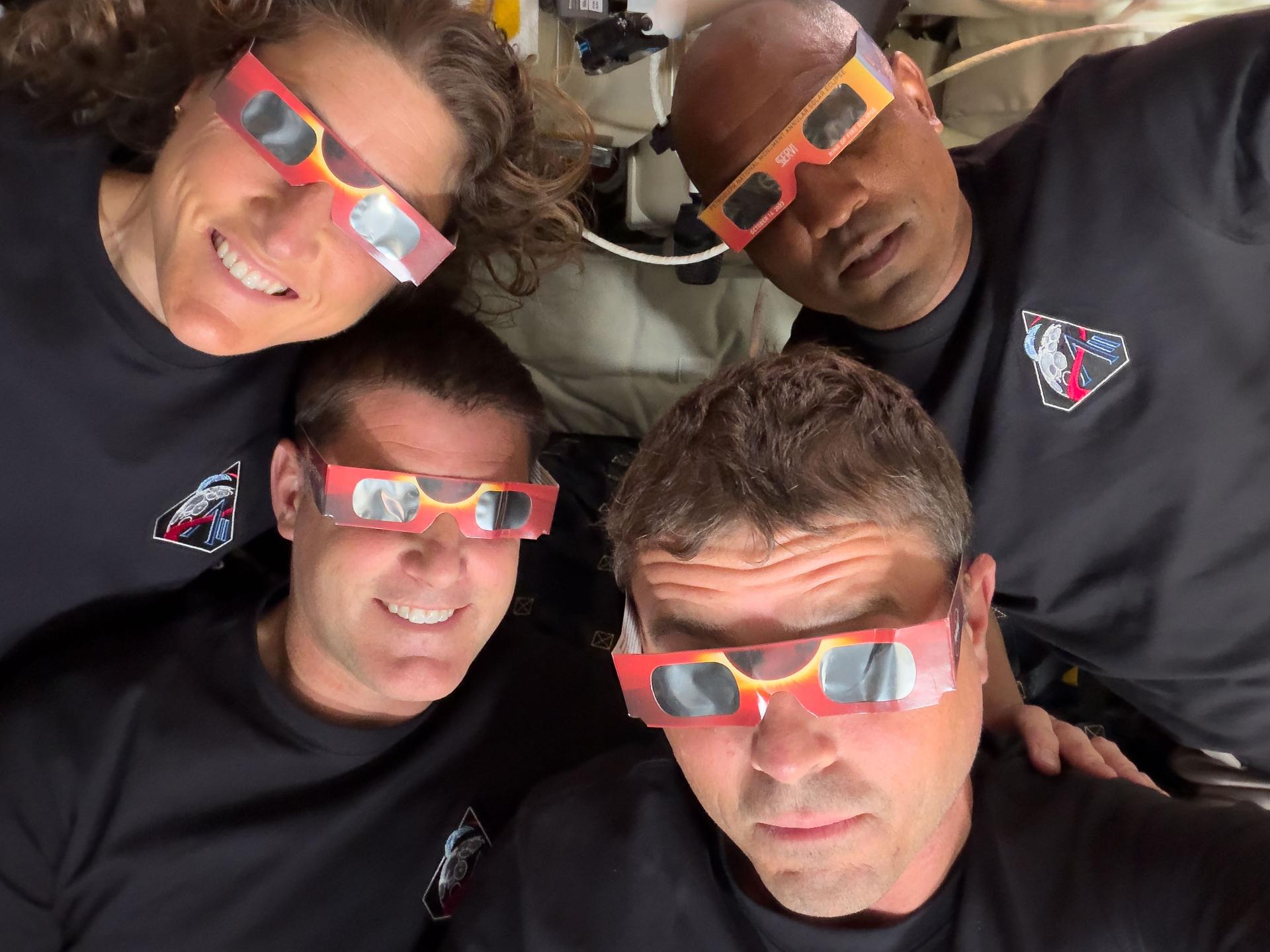
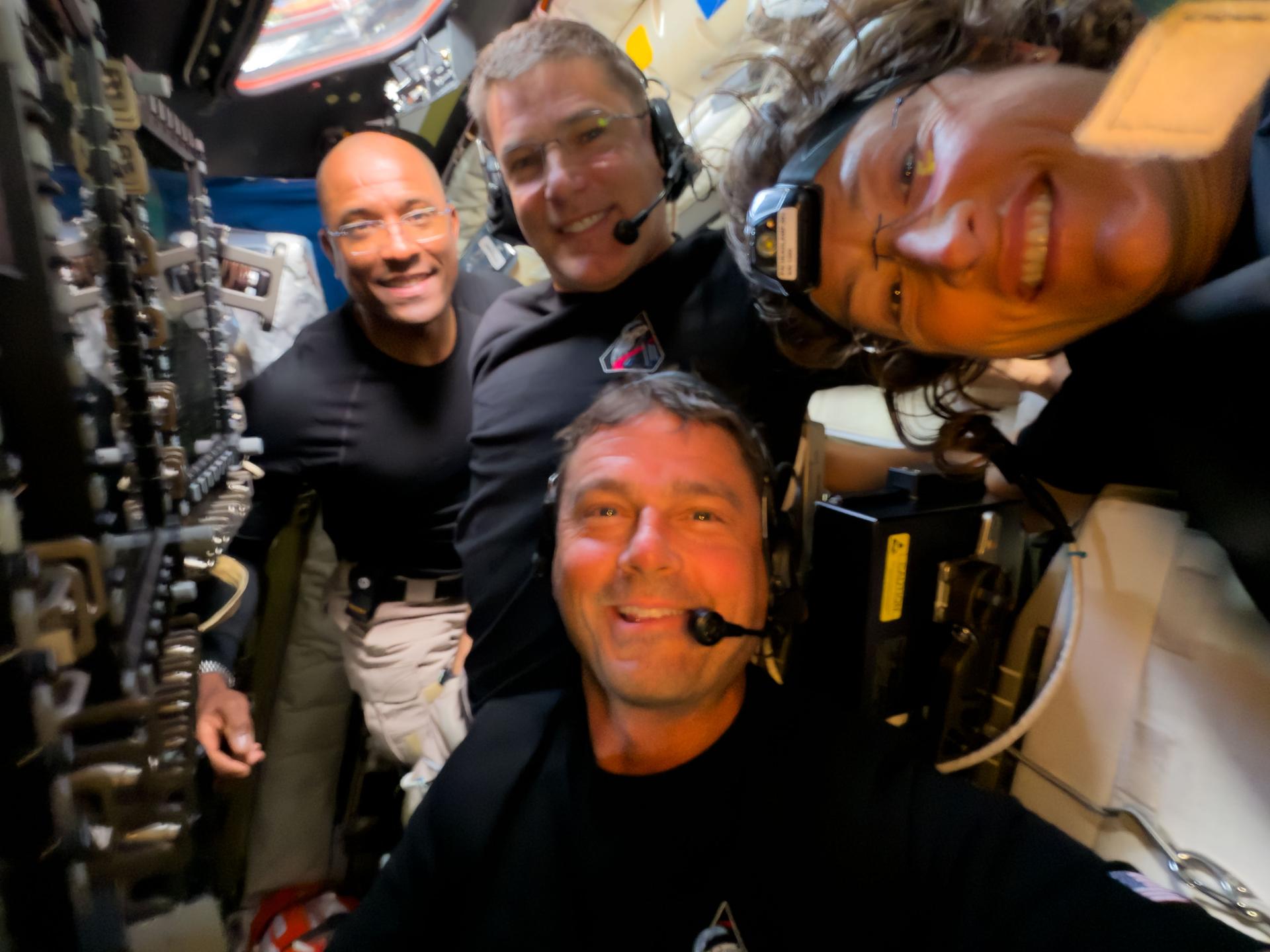
art002e009302 (April 6, 2026) – The Artemis II crew – Mission Specialist Christina Koch (top left), Mission Specialist Jeremy Hansen...
art002e009284 (April 6, 2026) – Earth appears tiny as the Moon looms large in this photo taken by the Artemis...
art002e009282 (April 6, 2026) - A close-up view taken by the Artemis II crew of Vavilov Crater on the rim...
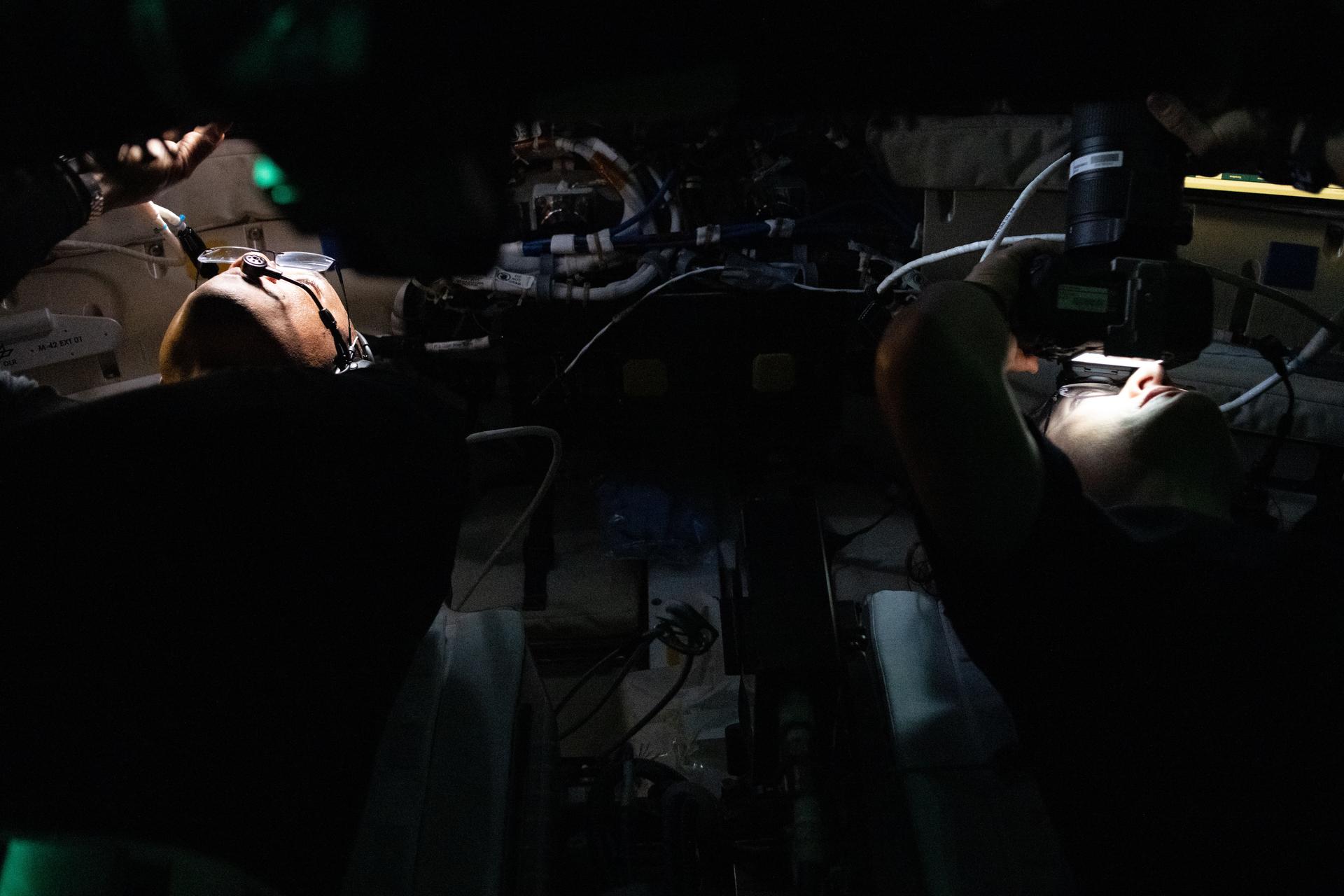
art002e009293 (April 6, 2026) – Artemis II Pilot Victor Glover and Mission Specialist Christina Koch gather images and observations of...
art002e009279 (April 6, 2026) – During their lunar flyby observation period, the Artemis II crew captured this image at 3:41...
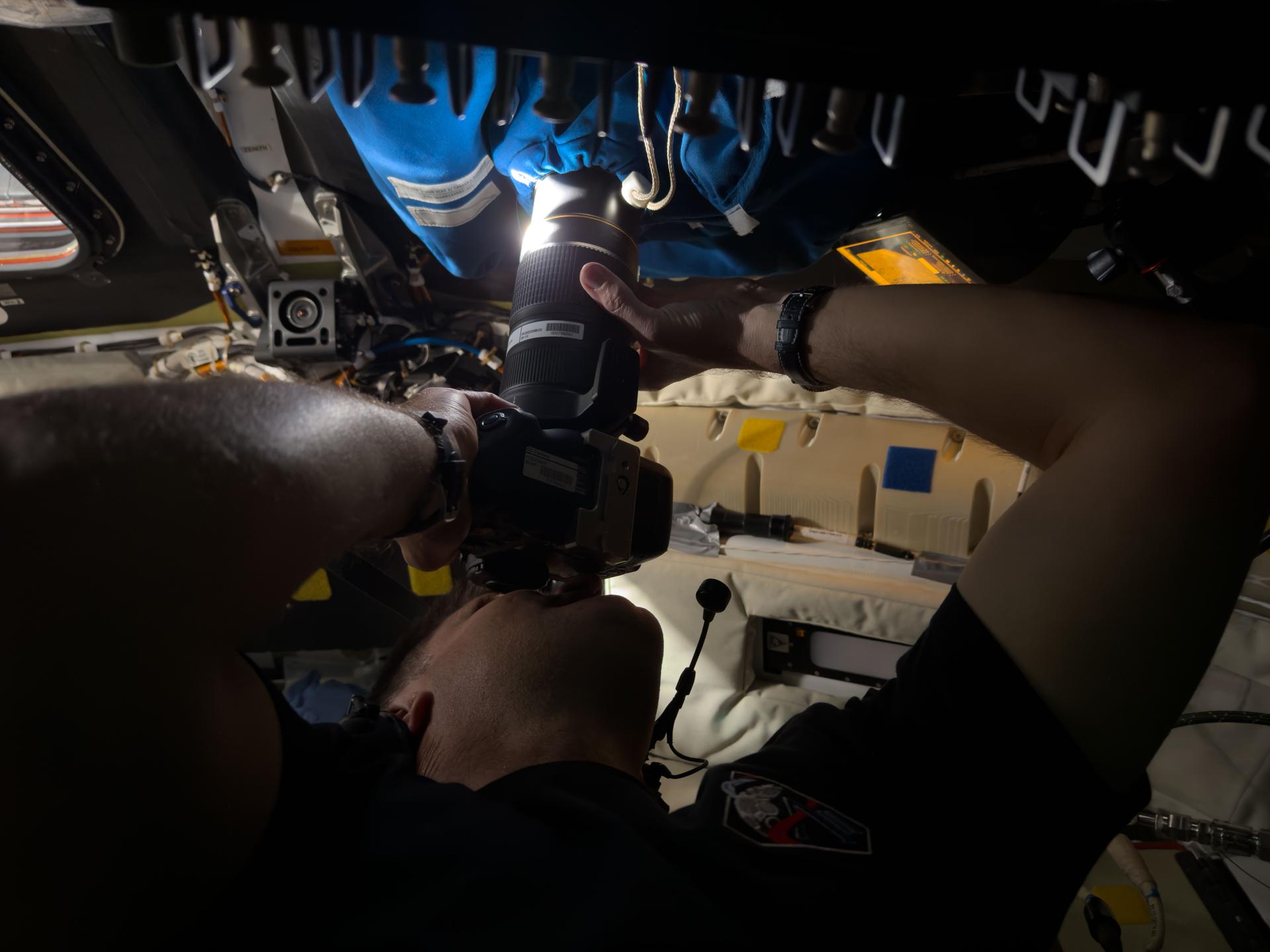
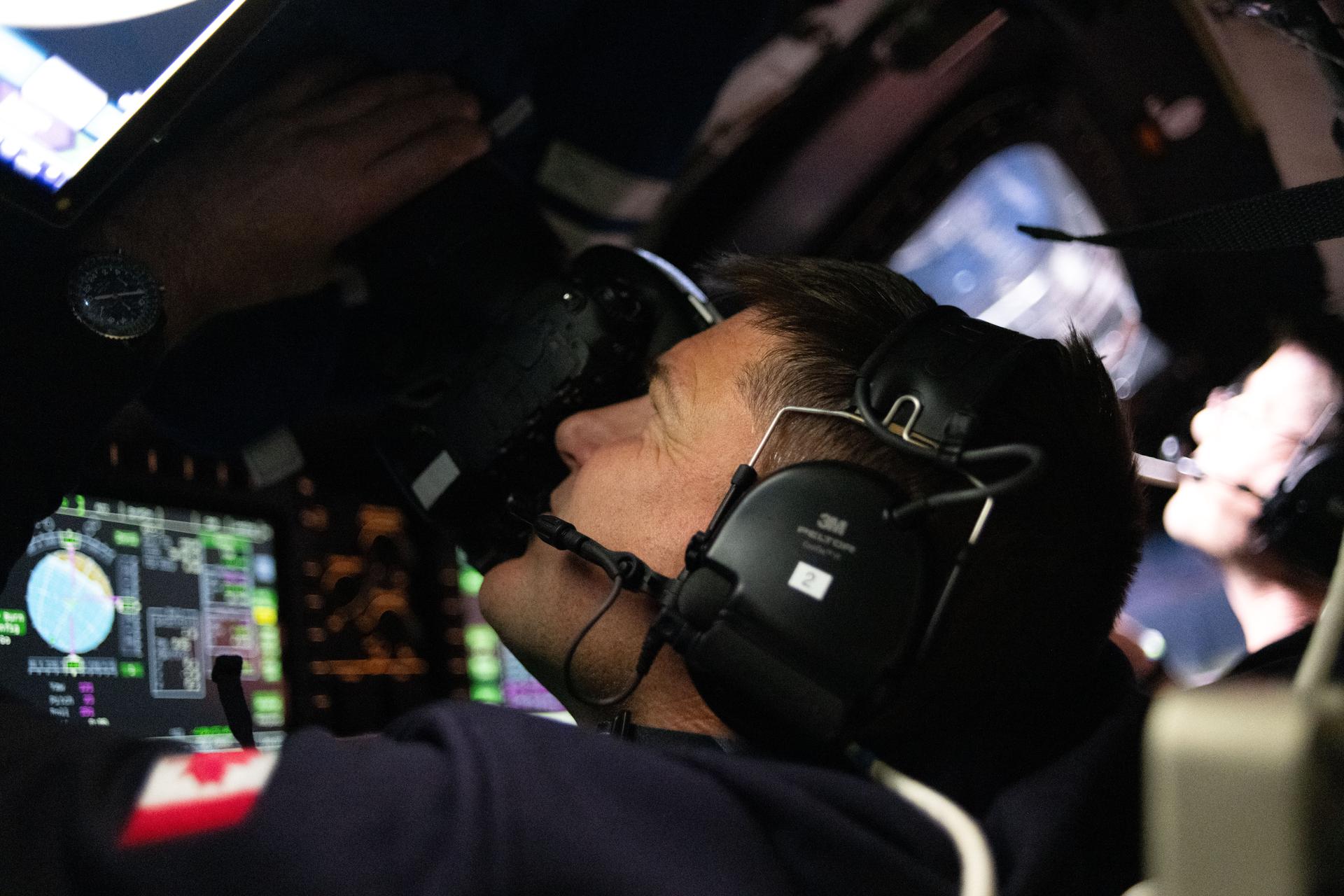
art002e009295 (April 6, 2026) – Astronaut Jeremy Hansen captures an image through the camera shroud covering window 2 of the...
art002e009571 (April 6, 2026) - The Moon, backlit by the Sun during a solar eclipse, is photographed by NASA’s Orion...
art002e009280 (April 6, 2026) – Earthrise captured through the Orion spacecraft window at 7:22 p.m. ET during the Artemis II...
art002e009566 (April 6, 2026) - NASA’s Orion spacecraft is seen in the foreground, lit up by the Sun. A first...
art002e009278 (April 6, 2026) - Just over half of the Moon fills the left half of the image. The near...
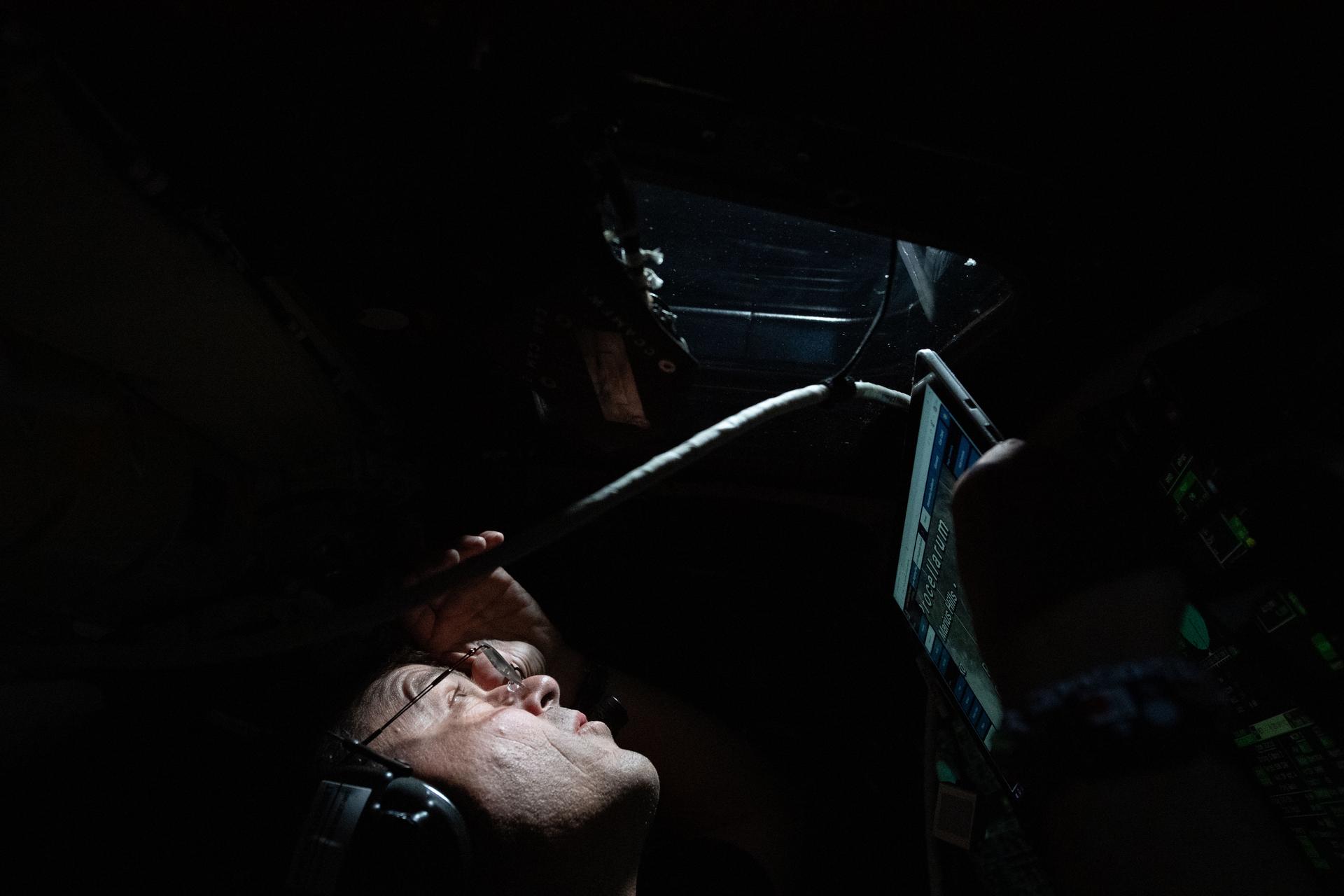
art002e009290 (April 6, 2026) – Artemis II Commander Reid Wiseman peers out the window of the Orion spacecraft just as...
art002e009296 (April 6, 2026) – Midway through their lunar observation period, the Artemis II crew members – Reid Wiseman, Victor...
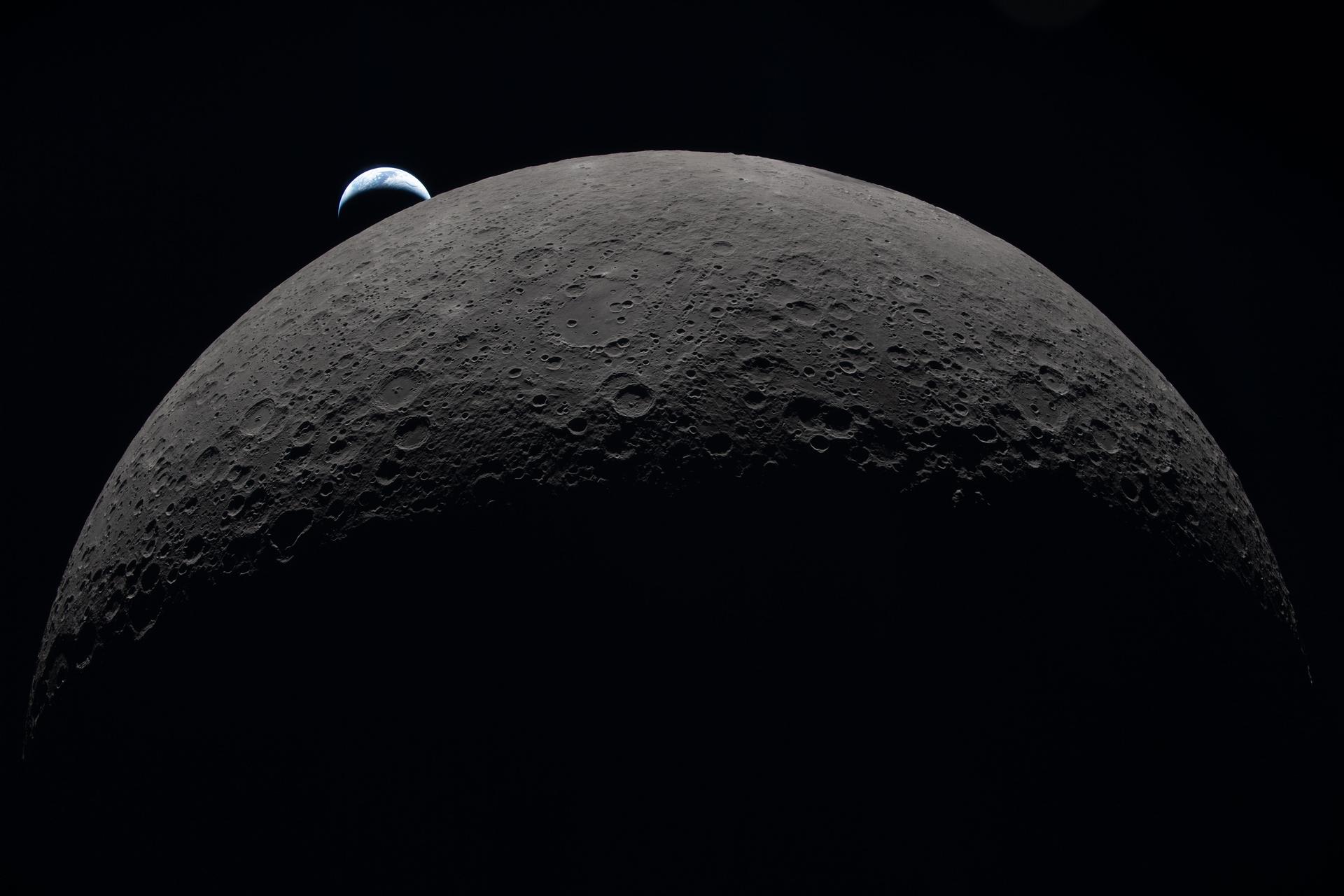
art002e009285 (April 6, 2026) – Our planet draws closer to passing behind the Moon in this image captured by the...
art002e009292 (April 6, 2026) – CSA (Canadian Space Agency) astronaut and Artemis II Mission Specialist Jeremy Hansen is seen taking...
art002e009277 (April 6, 2026) - In this view of the Moon, taken by the Artemis II crew at 2:19 p.m....
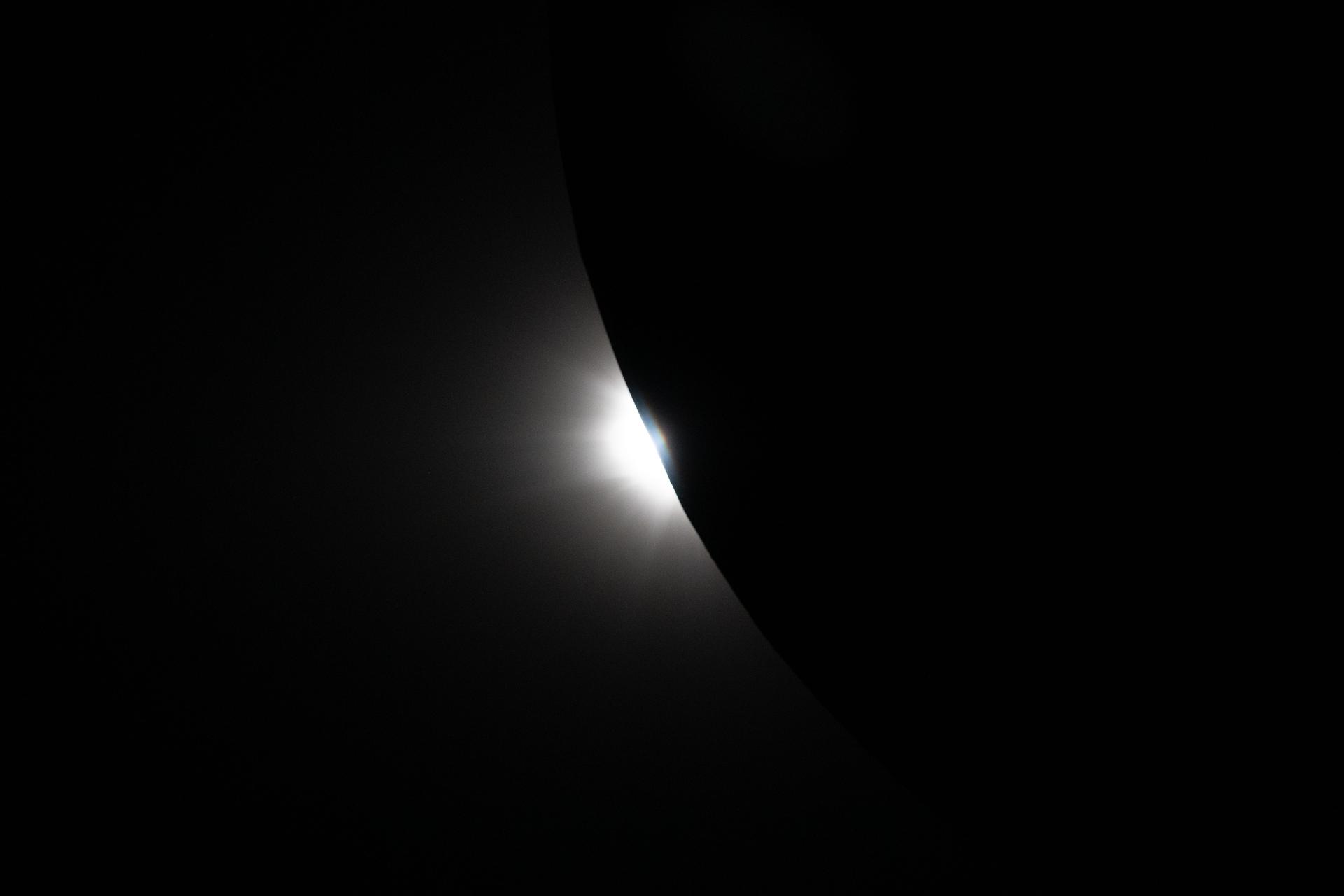
art002e009575 (April 6, 2026) - The Sun is rising at the left edge of the Moon, ending a nearly one-hour...