We are in the middle of the Second ReNESance (the first one is the one that saved the video game industry in North America). The combined decades of research and knowledge on how the venerable little NES works have produced a true cornucopia of games. We are all lucky to be here to witness it.
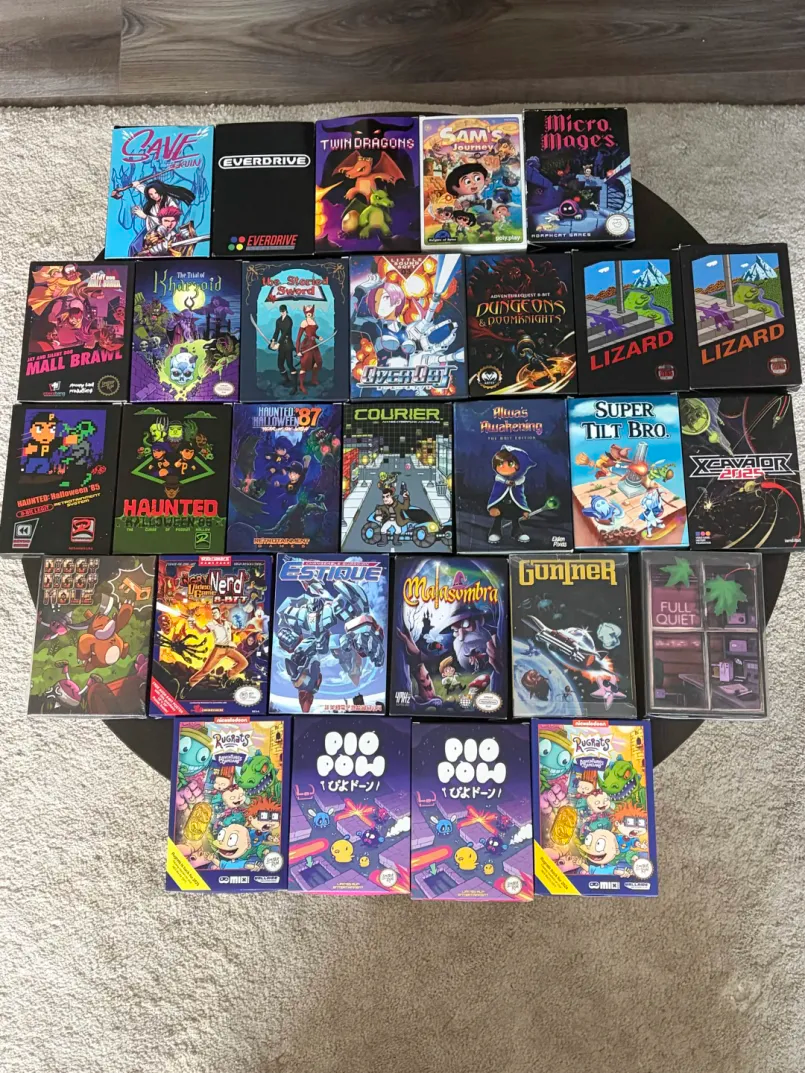
I am always happy to inform video game fans that the Nintendo Entertainment System is still receiving lots and lots of new third-party games.
In alphabetical order, because I refuse to rank them, here are 25 of my favourite modern NES games. Almost all can be obtained digitally, usually from the developer or publisher, most for a modest fee. Digital NES downloads are cheap! Most of these can also be obtained as physical cartridges for the true hi-fi experience on original hardware.
- All Hell Unleashed
- Alwa’s Awakening
- Anguna: Scourge of the Goblin King
- Blazing Rangers
- Changeable Guardian Estique
- The Cowlitz Gamers’ 2nd Adventure
- Data Man
- Dungeons and DoomKnights
- Garbage Pail Kids: Mad Mike and the Quest for Stale Gum
- Gunhawk
- GunTneR
- Haunted: Halloween Trilogy
- Jane Austen’s 8-bit Adventure
- Lizard
- MicroMages
- OverObj
- Project Blue
- Sam’s Journey
- Slow Mole
- The Storied Sword
- Super Bat Puncher Demo
- Super Tilt Bro
- The Trial of Kharzoid
- Twin Dragons
- Undercover Shot
All Hell Unleashed
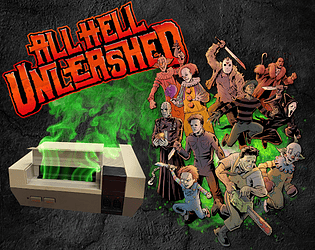
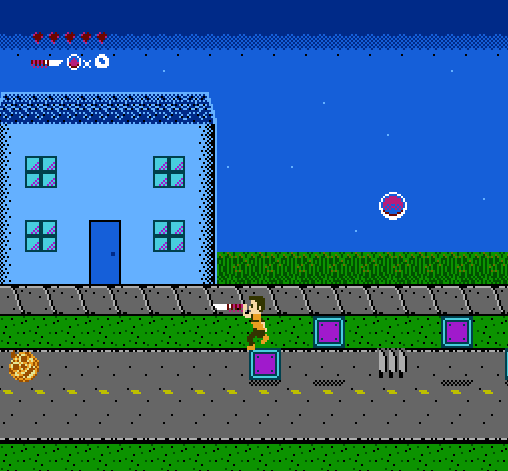
A little spooky, very pixelly. This game is a real gem.
Made by 8-bit Slasher who has been honing his skills in other horror games for the NES, All Hell Unleashed is an extensive love letter to the horror slashers of the 1980s and 1990s. There is an underlying story about an evil cult that is trying to resurrect something or other, but that’s just an excuse plot so that you can fight Jaws, Freddy, Jason, Ghostface and others. It works surprisingly well. You can select your favourite horror movie from a stage-select screen to do your platforming as you fight the forces of evil, culminating in the boss fights where the villain of each horror franchise swoops in for a mano-a-mano. The platforming feels good, and the boss fights function as set pieces showcasing the real villains we are here to see in their 8-bit glory.
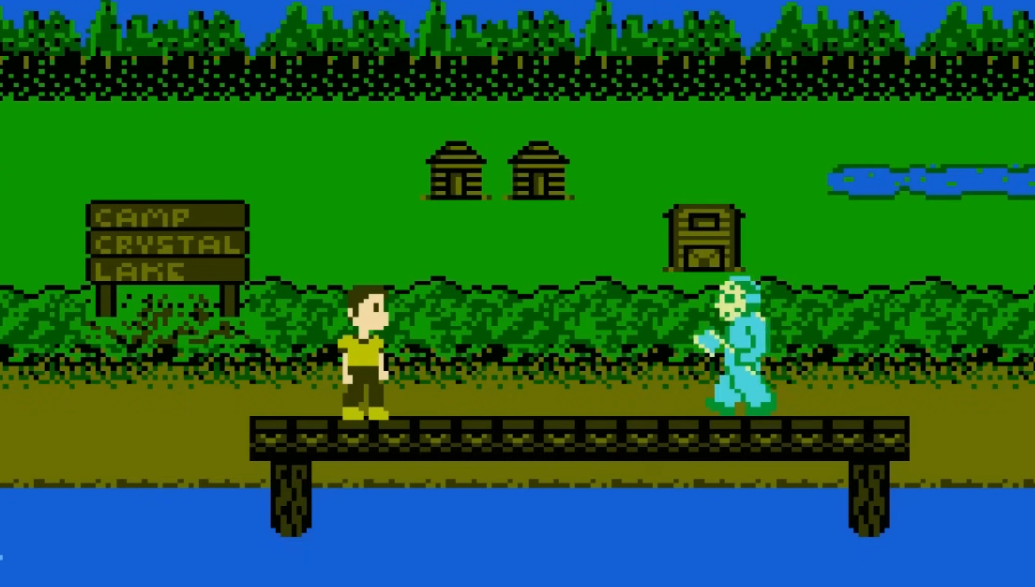
Finally Jason dons a better outfit on the NES than that silly purple jumpsuit!
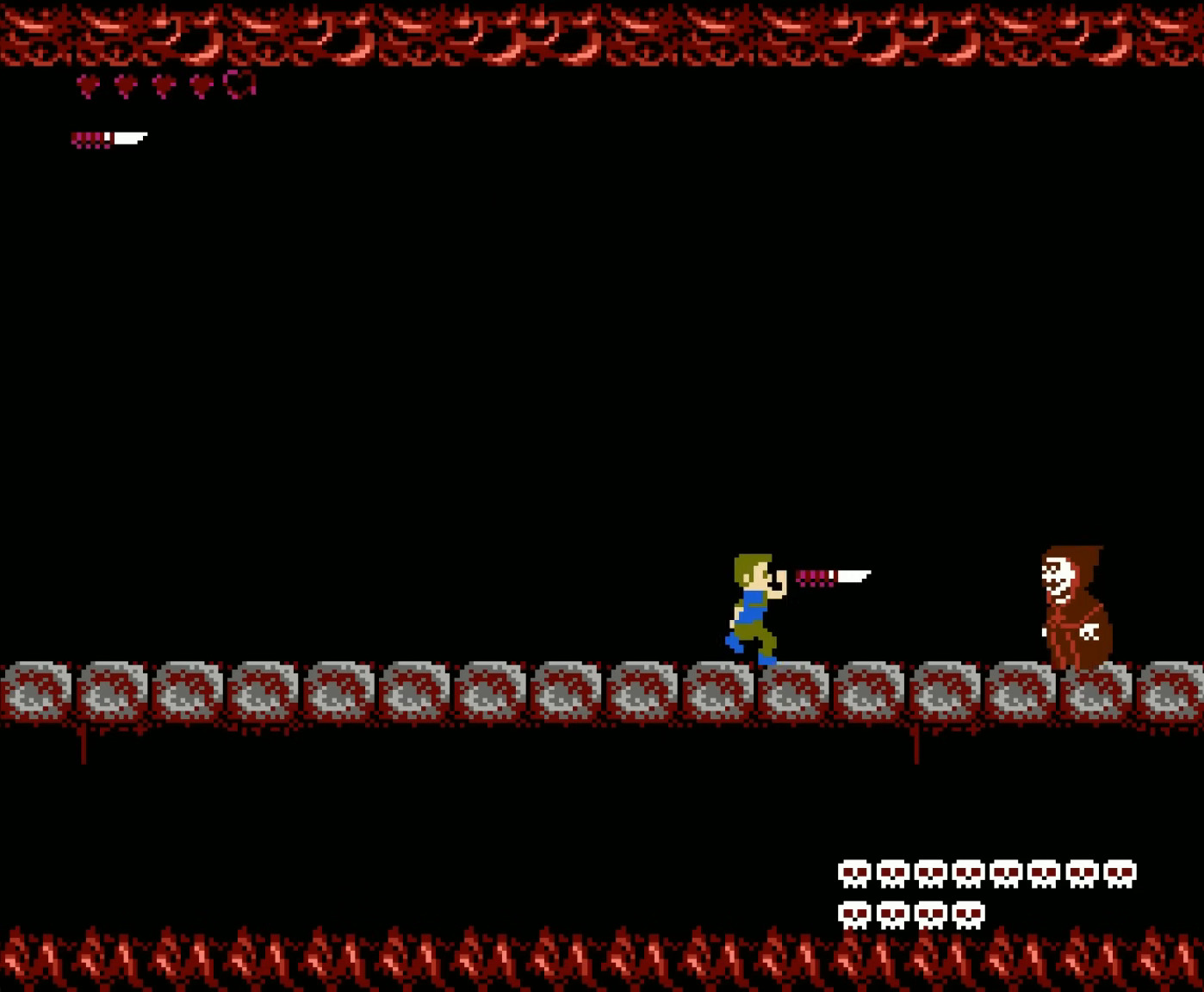
After each classic horror villain is defeated, it is time to take on the cult itself for one final showdown. Definitely a spine-tingling adventure!
Alwa’s Awakening
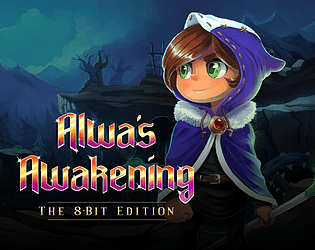
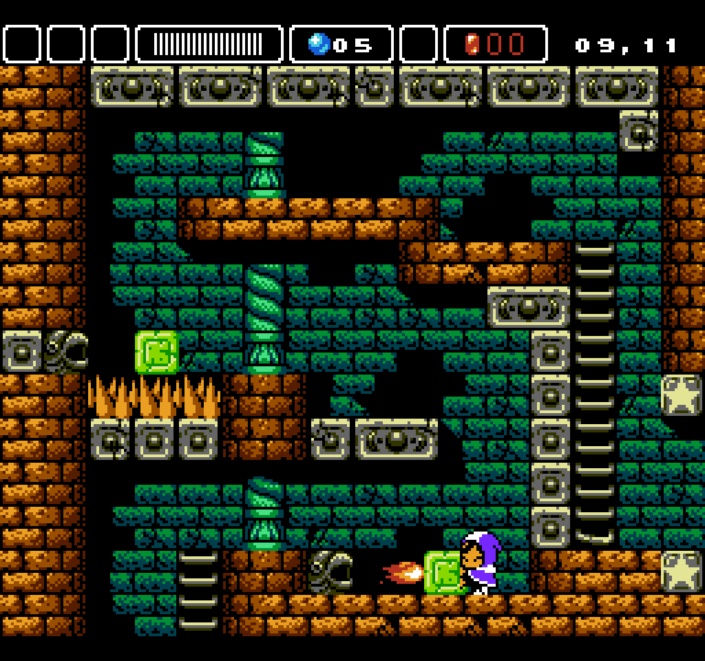
Alwa’s Awakening was originally a PC game made with pseudo-NES limitations (and in the case of the music, with actual NES limitations, as the developer used Famitracker to compose all of the music). If it doesn’t feel like a classic NES game and instead plays more like a modern indie Metroidvania, that’s because it is.
In the game, you play as Zoe, a girl who likes video games and one day awakens in the mystical land of Alwa, a place from one of her games. Your task is to guide Zoe through an adventure in Alwa where she will uncover power-ups that open up new avenues of adventure. Typical Metroidvania stuff, although a bit shorter than most games in the genre. The PC-to-NES port of this game was handled by my good friend Brad Smith of Lizard fame. He made a couple of interesting YouTube videos describing the process.
The game looks absolutely gorgeous for the NES, and its Famitracker-composed soundtrack made it through the porting process completely unscathed. There was a limited physical edition that today is only available via secondhand markets. If you can grab a copy, it’s a very high-quality production. This is some of the best stuff made for the system.
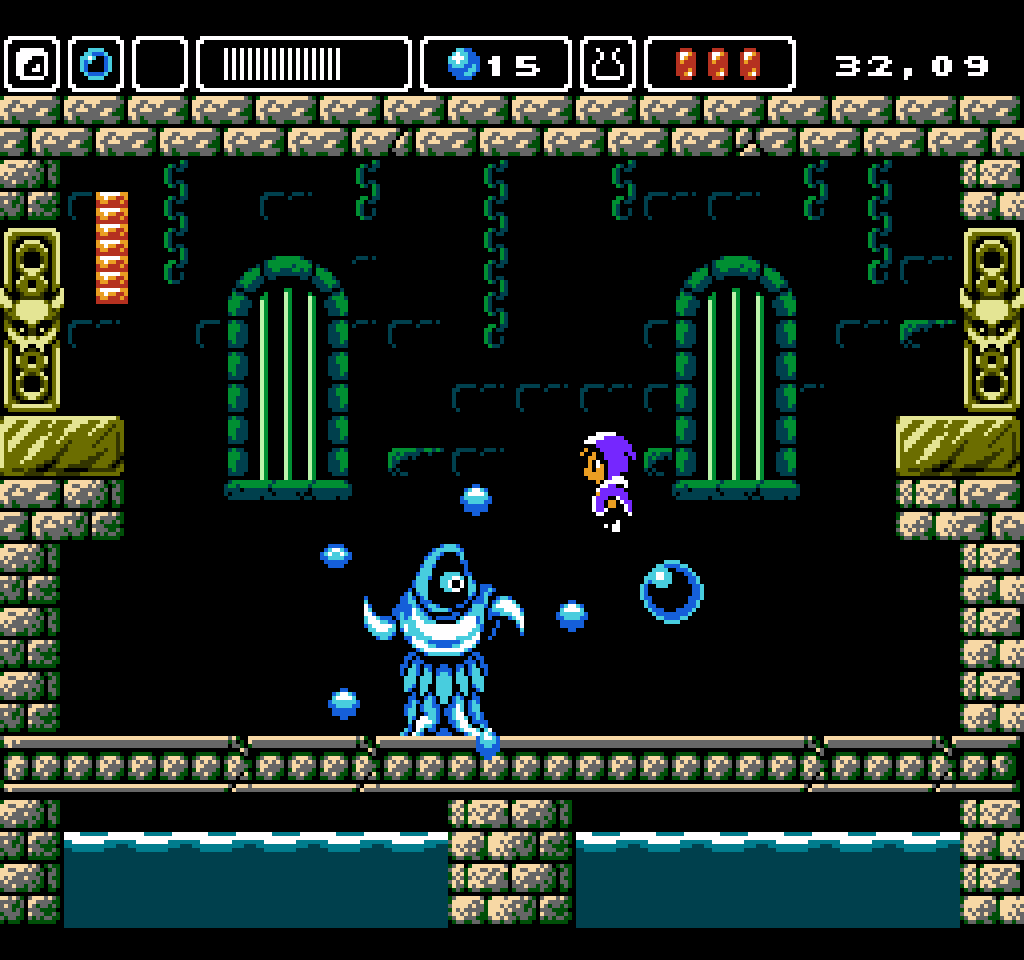
Cool boss fights too!
Anguna: Scourge of the Goblin King
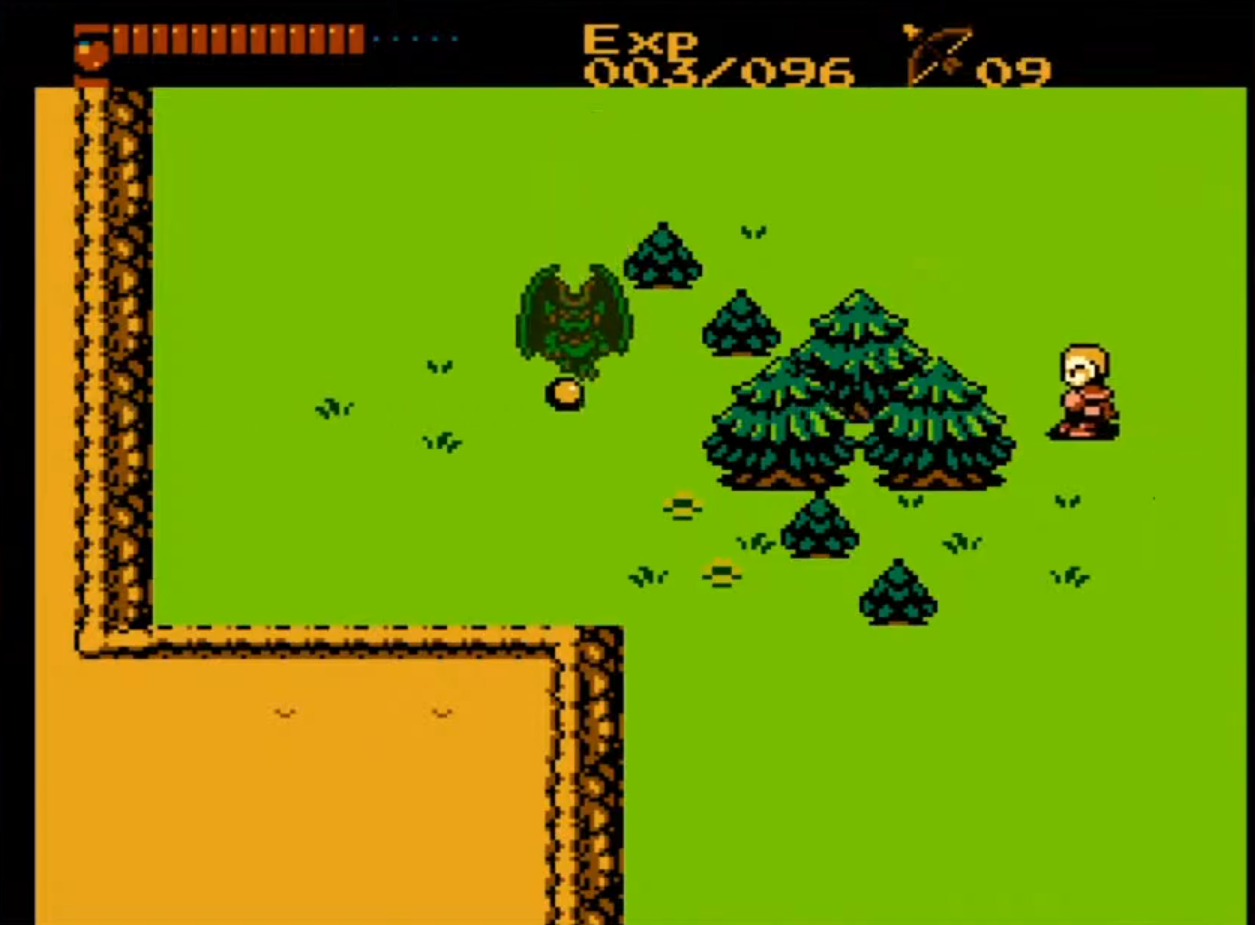
Anguna is an NES game with an interesting lineage. It was originally made in 2008 for the Game Boy Advance as essentially the same game, but a bit more to the standards of the GBA. Then it was successively ported to the Nintendo DS, the Atari 2600, and finally the NES.
The Atari 2600-to-NES port was done fairly faithfully, which means that the design decisions necessary for the Atari also made it into the NES port. This means, for example, no more than two enemies per screen and always of the same type. This sort of restriction isn’t unheard of in the NES, though. The very popular NES Double Dragon port also has the same limitation. The game design makes up for it and overall results in an enjoyable experience. And isn’t that what making and playing modern NES games is all about? An interesting experience made with strict hardware limitations.
So what is Anguna? At its most basic, it’s a Zelda-like. You walk around screens, you grab new tools, your tools open new paths for exploration, you use the tools to fight monsters, with the most common tool in question being your trusty sword. You are a nameless warrior who is notably NOT called “Anguna” on a quest to defeat the goblin king. Usual bare-bones plot.
Most might consider this game to be short, but I would say it’s sleek and streamlined. It doesn’t do much, but what it does it does well.
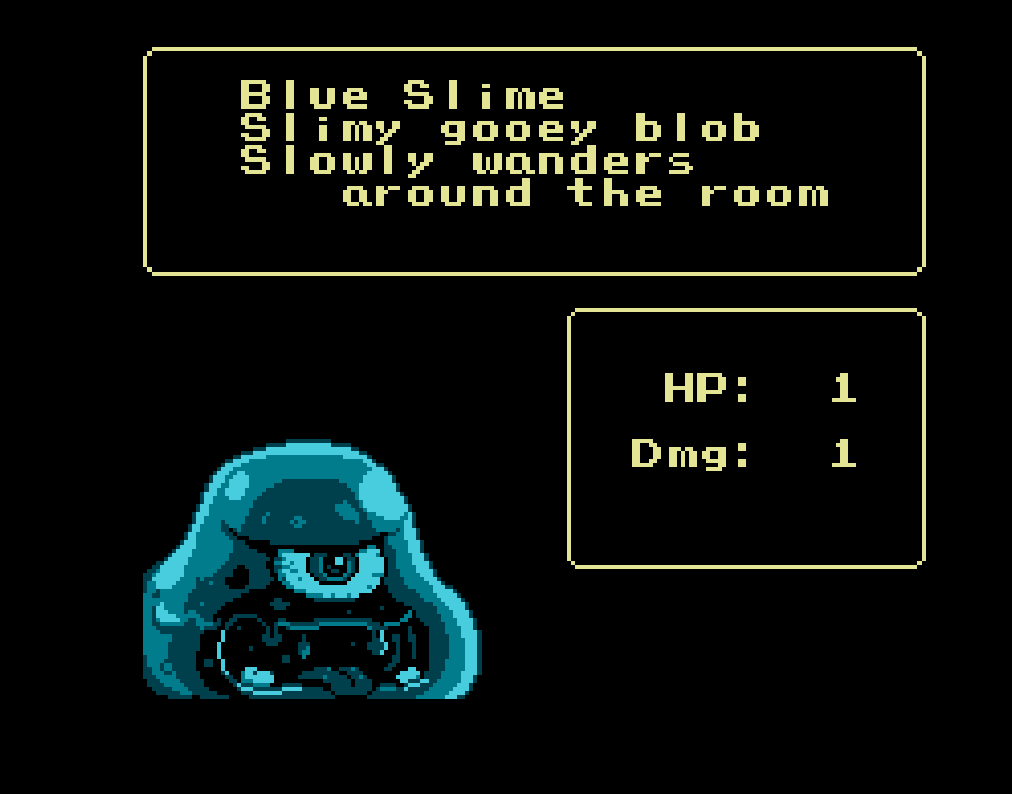
Oh, one very important upgrade that the game got during the 2600-to-NES conversion: rockin’ enemy portraits in gorgeous 8-bit pixel art!
Blazing Rangers

- itch.io
- physical (N.B. The physical cartridge is shipped by 1st Press Games, who has had a spotty track record of fulfilling requests)
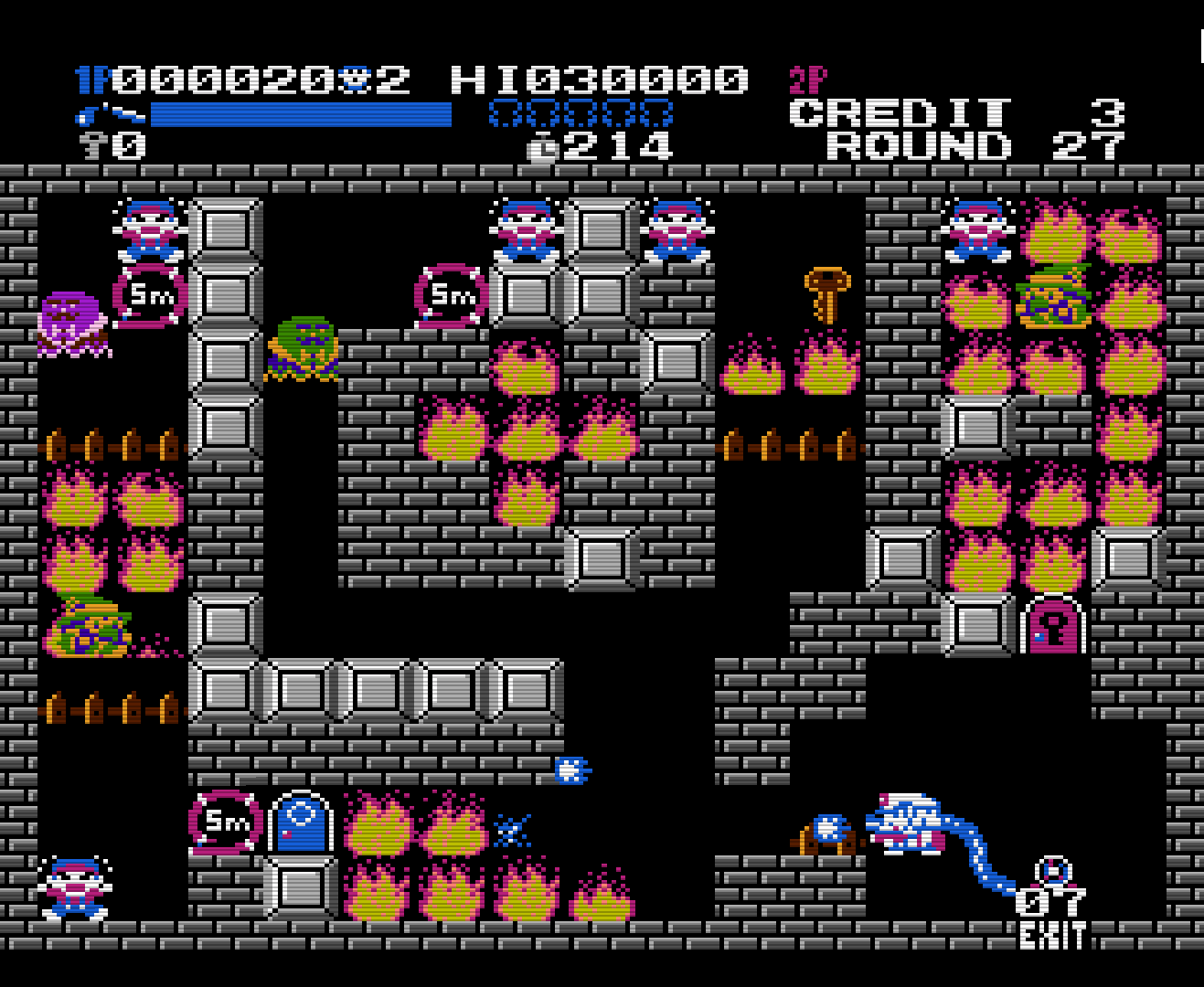
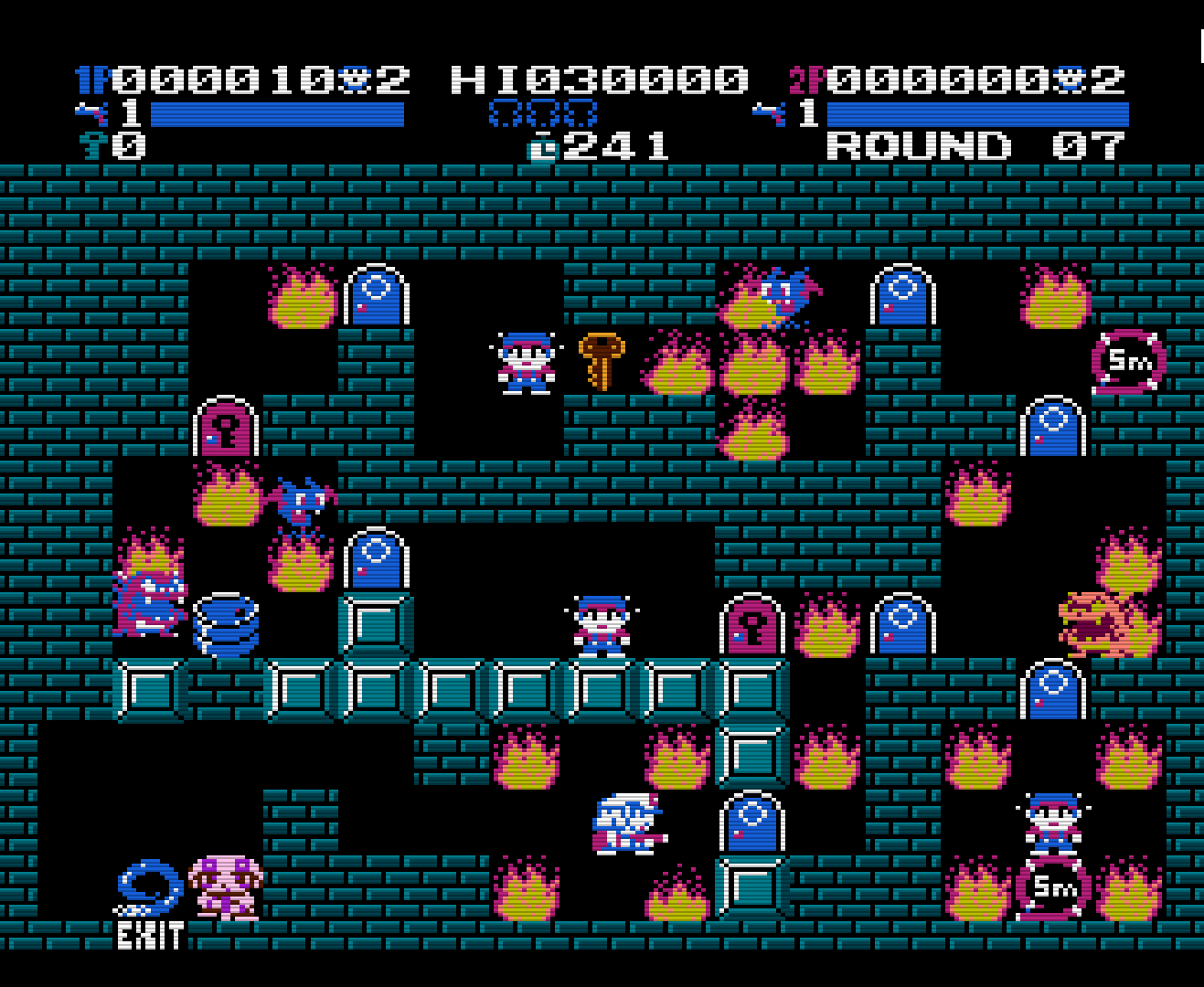
Blazing Rangers is single-screen arcade firefighting co-op action! The firefighting genre is under-explored in video games and Blazing Rangers manages to represent it admirably.
The goal is to rescue the children in each burning level and proceed to the next one. To do this you have to snake a powerful firehose that can blast both flames and baddies as you make your way to the children. You may also and often must drop your firehose and rely on your backpack with water in order to get to the further reaches of each level. There are powerups to collect, which give bonuses such as increasing the length of the hose or activating a sprinkler system that will slow the spread of fire throughout the level.
You can control either of two characters, Popo and Mimi, each with slight differences in gameplay. Popo is a bit slower but can recharge his backpack with water faster while Mimi is the other way around. Each level is timed, but you’re more likely to be overrun by flames or enemies than running out of time. The children can get singed by the fire but otherwise seem unharmed, unless you get burned carrying them, in which case they get burned too.
The game has a very catchy theme song that is also the BGM of each level.
Although it can be fun enough in single player, co-op is where the game really excels. It is very fun to coordinate with your partner as there is still only one hose in co-op. A strategy, for example, could be to have one player get the hose extension powerup that the other player can instantly use to take the hose a bit further into the flames.
Changeable Guardian Estique
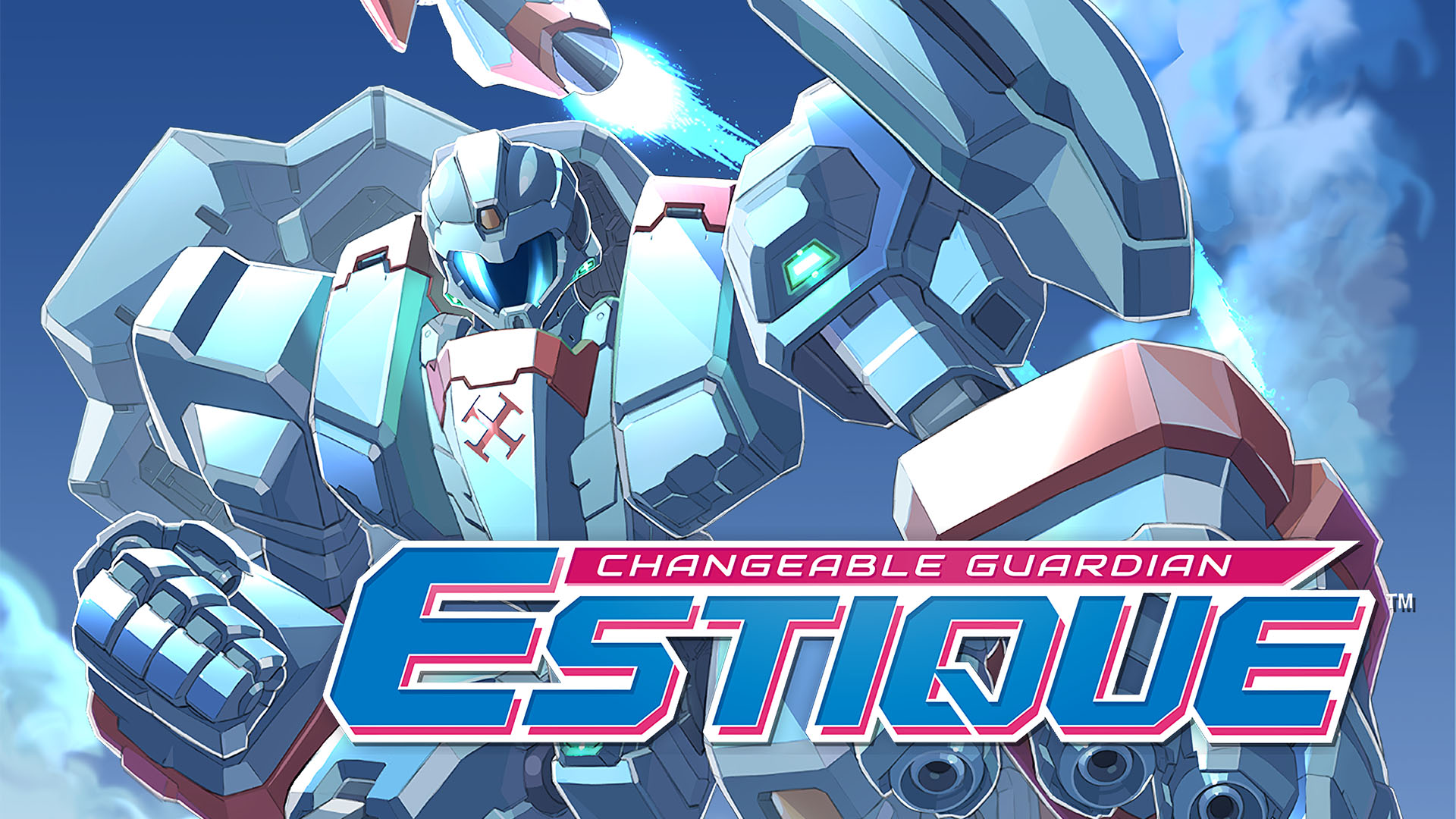
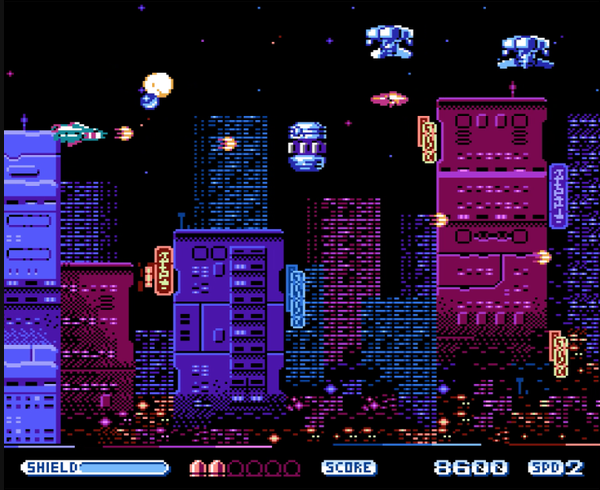
Estique is a horizontal shmup with the distinct honour of being made by some of the original Compile developers, veterans of the shmup genre. This is noticeable in that it even uses some sound effects from Compile classics such as The Guardian Legend. In the game you pilot the eponymous super-robot that can transform between the bipedal mecha form that can recover damage more quickly or a sleek spaceship form that is more manoeuvrable and has a faster firing rate. Gameplay consists of carefully balancing between the two forms in the heat of battle depending on whether a more offensive or defensive approach is needed at the time.
The NES manual has a deliberately awkward English translation as a homage to the quality of writing we often encountered during the licensed era. Accordingly, the Japanese and English versions of the game are not identical, with the English version having mild censorship of the cut scenes, mimicking the restrictions that Nintendo used to impose on licensed NES games.
The game’s default difficulty is a little on the easy side, and the whole game can be completed in under an hour at the default difficulty. I get the impression that the intended difficulty is a bit higher, so you can always adjust it up for your gaming needs.
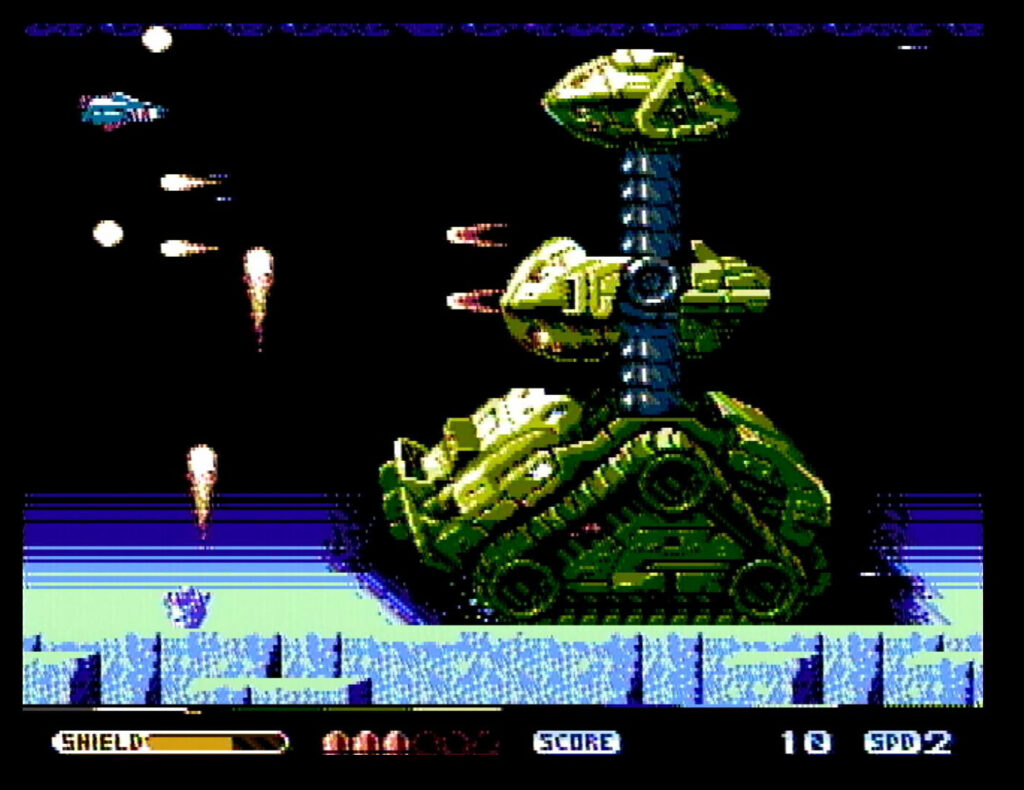
Regardless of the difficulty, the giant screen-filling boss fights are always a delight.
The Cowlitz Gamers’ 2nd Adventure
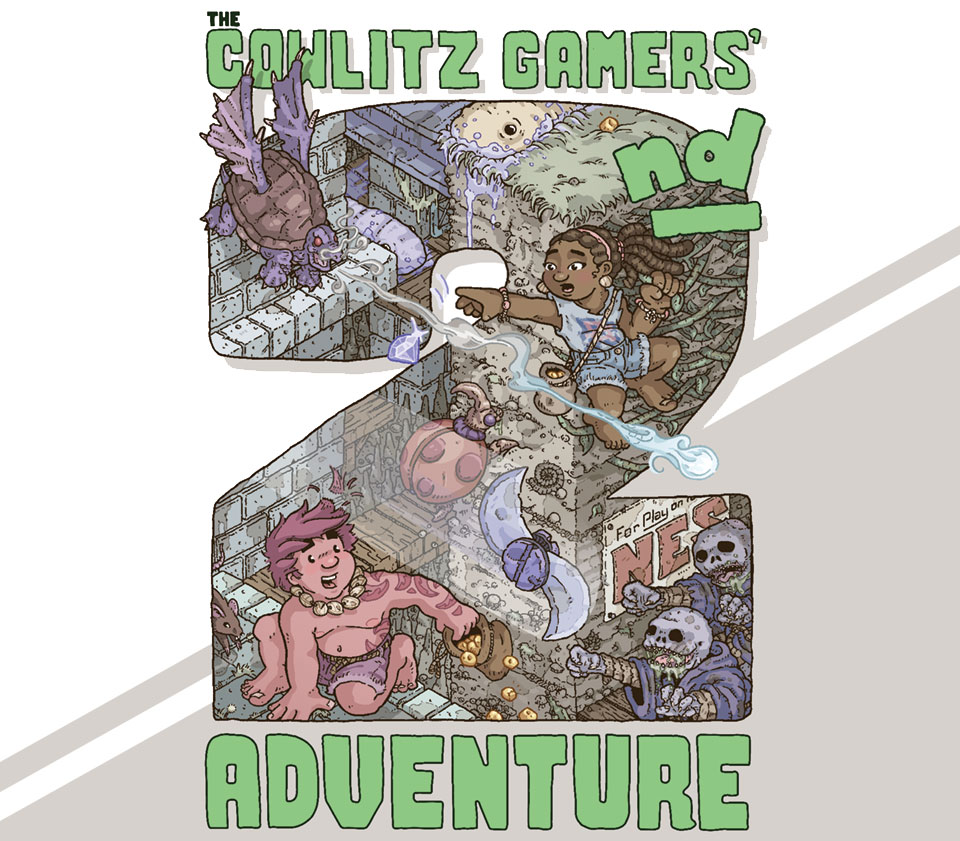
Why 2nd adventure, you might ask? Well, this game has an interesting history. The original adventure was written way back in 2015 to support the Arc of Cowlitz County charity. Within a couple of years, a sequel appeared and physical copies were made and distributed at the Portland Retro Gaming Expo. They aren’t made anymore, but if you’re exceedingly lucky, you might be able to nab a second-hand copy somewhere. Finally the game was uploaded to itch.io as a free download, with a nudge to donate to the charity.
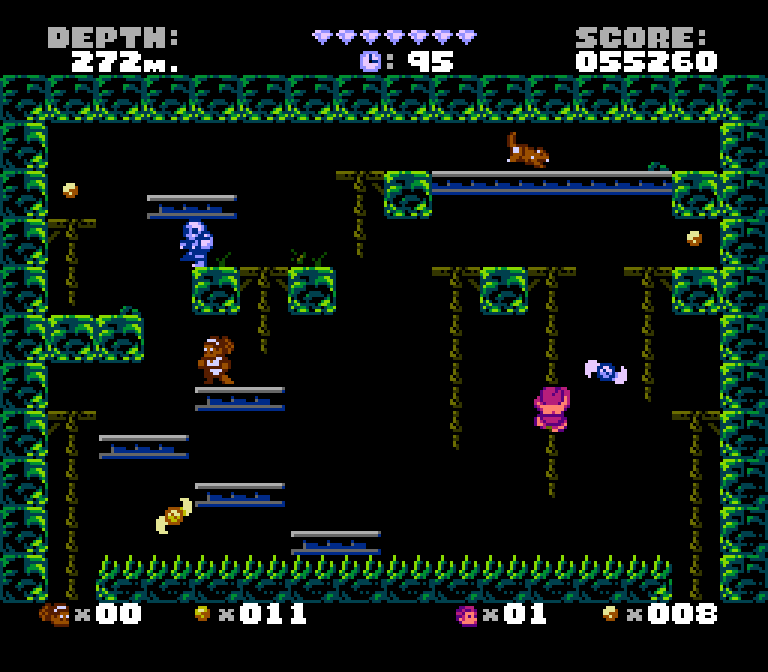
The game is a tightly-made single-screen arcade platformer where siblings Kaylee and Justice decide to go down into the mines and see who can collect the most gold and diamonds to buy fireworks for the festivities. It can be played co-op or single-player, where the co-op is also half competitive mode to see who can pick up the most gems. The siblings have no way to directly attack any of the enemies in the mines, so it’s all up to careful jumping and dodging to clear each screen of gold in order to open the way up to the next screen.
The platforming is responsive and engaging. Very fun to play. It’s no surprise then that this game has achieved some popularity with speedrunners.
The music is a real standout and full of earworms. Several chiptune artists contributed to this game’s vibrant soundtrack. I often find myself humming the tune of the first few levels. Sometimes I even go into the options screen where the sound test lets me play all of the game’s tunes and use it as my jukebox.
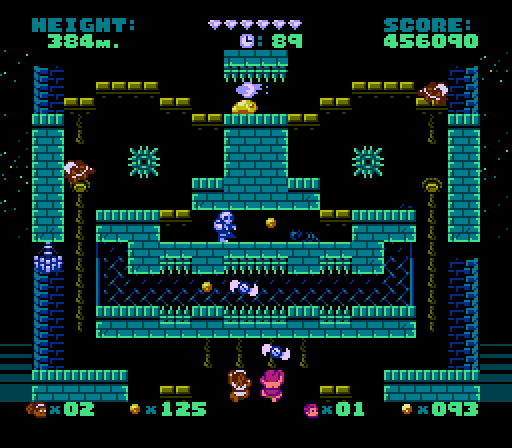
The game’s colourful graphics perfectly complement the music.
Data Man
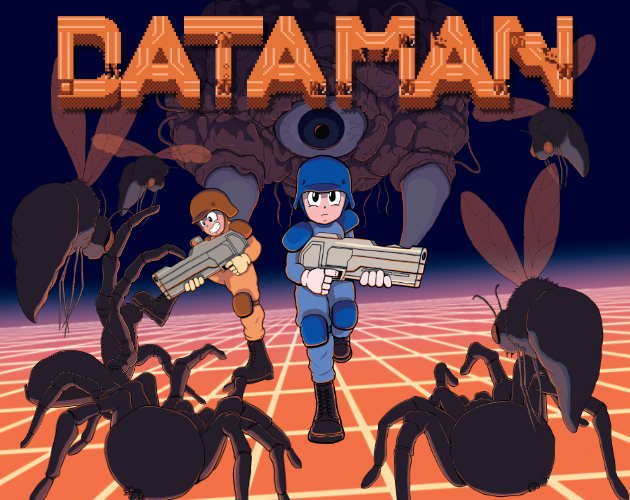
Okay, before we go on, I have to point out this game’s hilarious retro-themed trailer.
Those two kids furiously mashing the buttons always give me a laugh. That’s exactly the same look I have when I play this game.
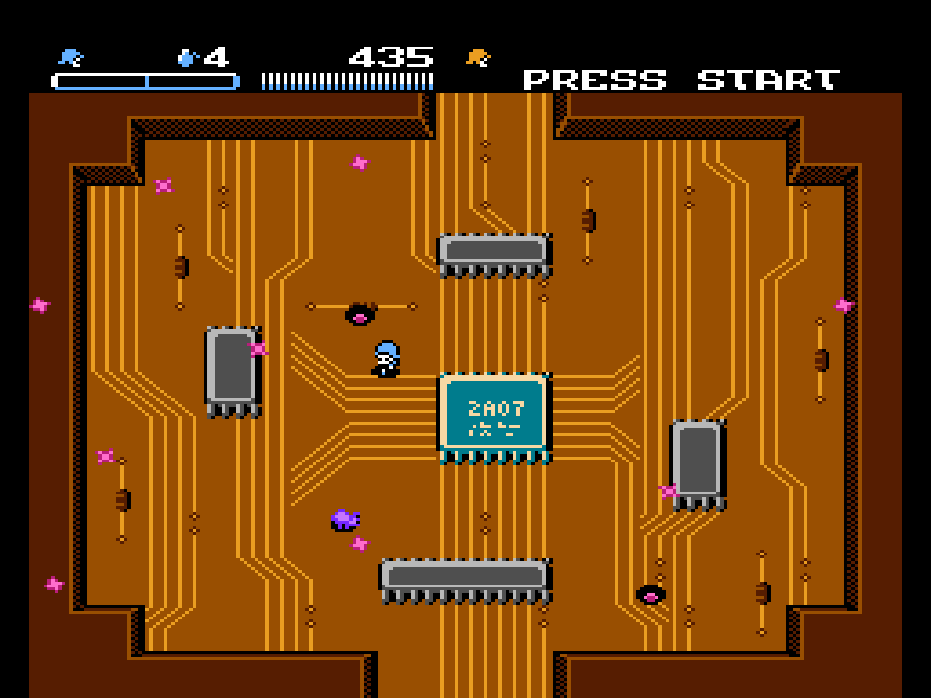
Data Man is an arena shooter in the style of Xeno Crisis or Smash TV. Like most arena shooters, a second player can join in to fight all the baddies. Unlike most arena shooters, you don’t actually die if the baddies get to you, because what you are trying to defend isn’t yourself, but the very chips of your NES.
You see, bugs have invaded your NES. They are going for your CPU! You must defend your CPU at all costs before the bugs manage to eat their way through it. There are little bugs, big bugs, boss bugs, and they are all trying to chomp onto your CPU. You will only be momentarily stunned and lose some of your firepower if the bugs injure you. Their real target is your computer’s chips. You can blow up capacitors if need be, and their explosions can take out some bugs. That’s okay. Defend your CPU from waves and waves of bugs in order to clear the current level!
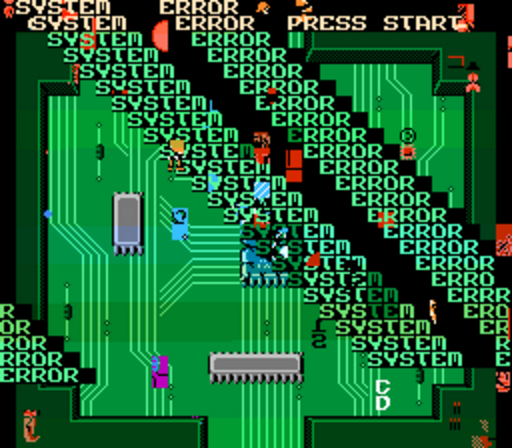
Should you fail in your mission and the bugs manage to wreck your CPU, your very NES will be unable to continue and you will be treated to a glitch fest of a game over.
I find the game rather difficult in single player and more enjoyable in co-op. If you can find a friend to play with you, I recommend doing so.
Dungeons and DoomKnights
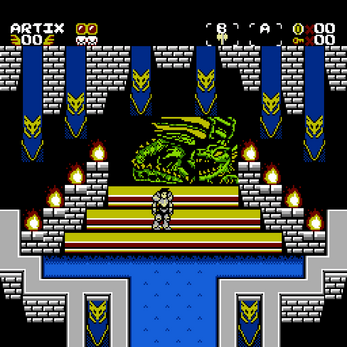
This game has high production values. It’s an 8-bit spinoff of the AdventureQuest universe, a universe that recently obtained the distinction of being the most over-funded Kickstarter ever (their funding goal was one dollar, so each dollar added 100% more to their funding goal, haha).
It is a game that doesn’t and also does take itself seriously. There is serious gameplay here, as our hero Artix and his deadly pomeranian explore a world plagued by the undead and the infernal. There are both top-down and side view action sequences, lots of action, and lots of secrets to explore. The exploration is fun, the action is fun, and I am very glad this game exists. They crafted a world with many nooks and crannies to discover.
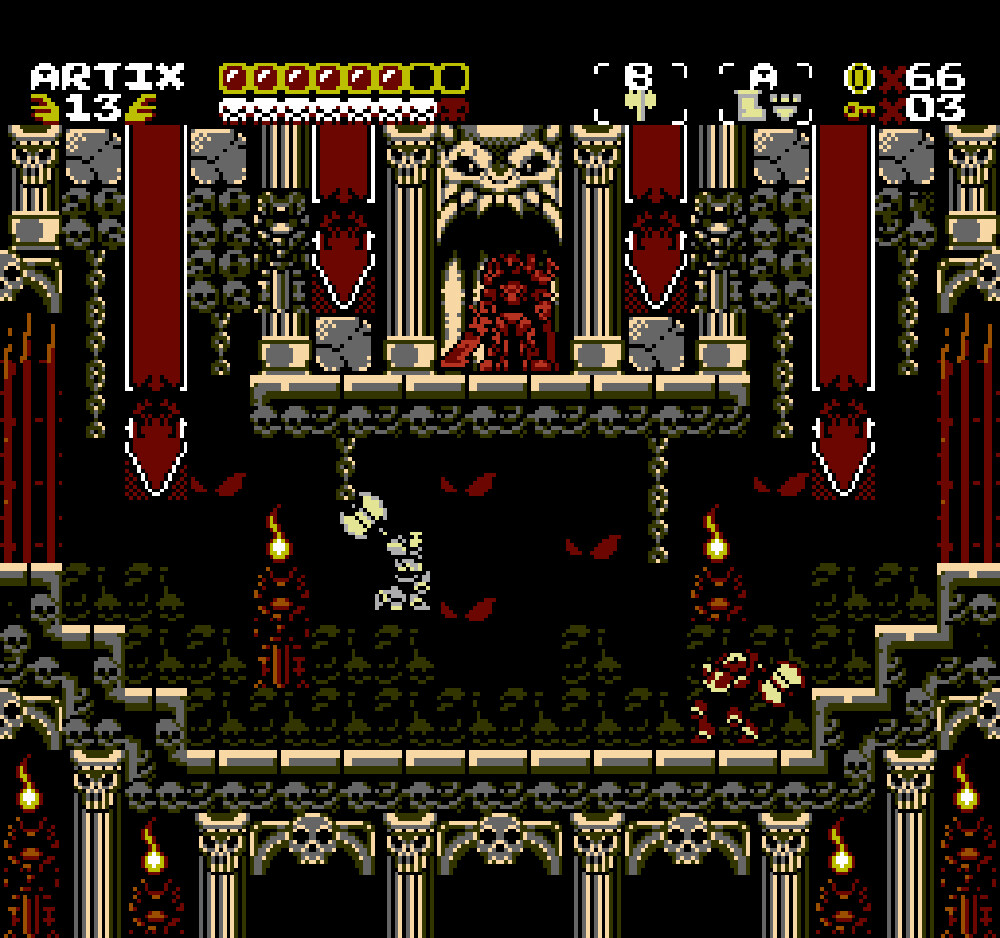
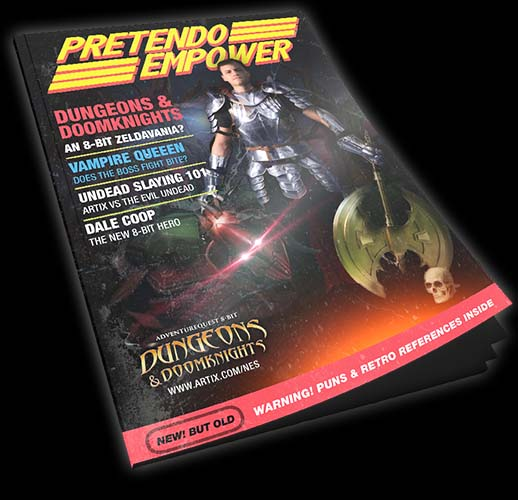
Should you get the physical version, you’re in for a treat. Artix Entertainment took lots of care to ensure you got a complete package. You’ll get the game, feelies, a certificate, and a copy of Pretendo Empower, (also available digitally) where you can read about all the lore and secrets of this game.
Battle on!
Garbage Pail Kids: Mad Mike and the Quest for Stale Gum
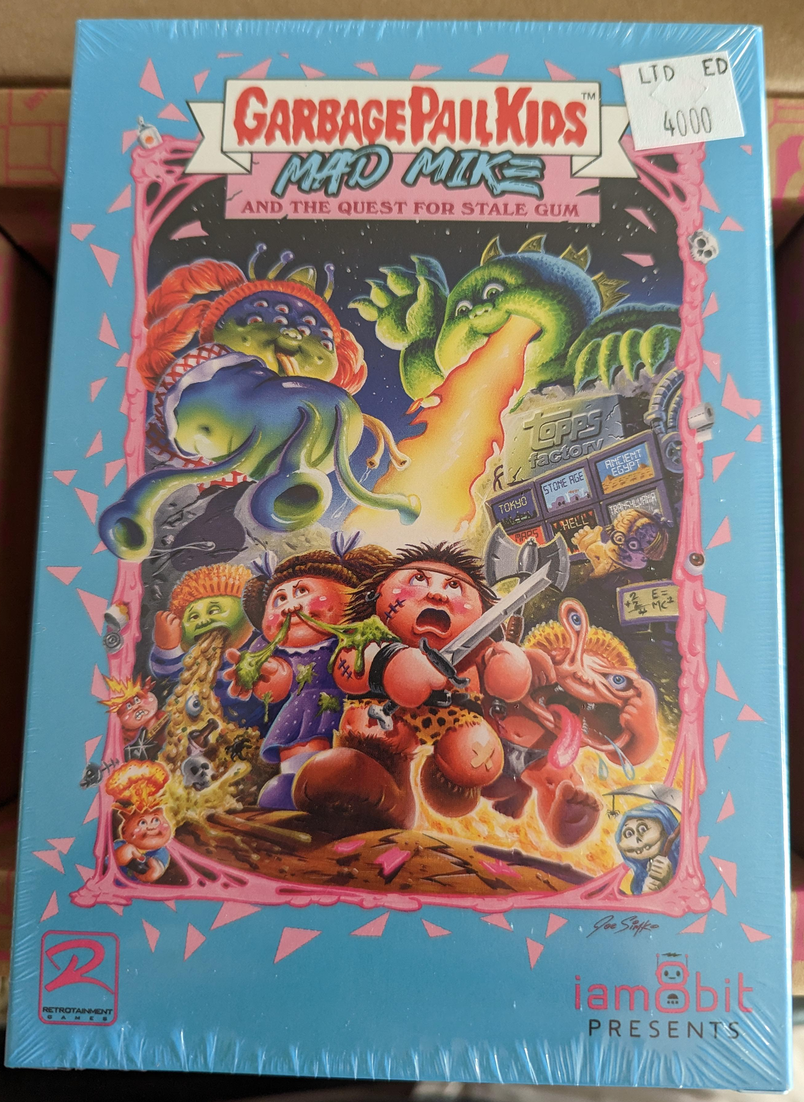
Remember the Garbage Pail Kids? The gross-out cards that were a parody of Cabbage Patch kids, created by Art Spiegelman, the same Art Spiegelman who made the poignant and award-winning Maus? Well, what if the Garbage Pail Kids branched out into one of the most popular media of their heyday, the NES?
I’ll admit, when I first watched the trailer mockumentary, I was briefly deceived that this was an actual game that was recently unearthed.
This is an NES game alright, although an actual NES copy is rather elusive. There was a run of physical NES cartridges made by iam8bit but it was sold out long ago. There is no digital distribution of the actual NES ROM although the Steam version does seem to have the actual ROM hidden in there somewhere, with Cowabunga reportedly being able to extract it. The second-hand market seems to be the only way to get a physical copy nowadays.
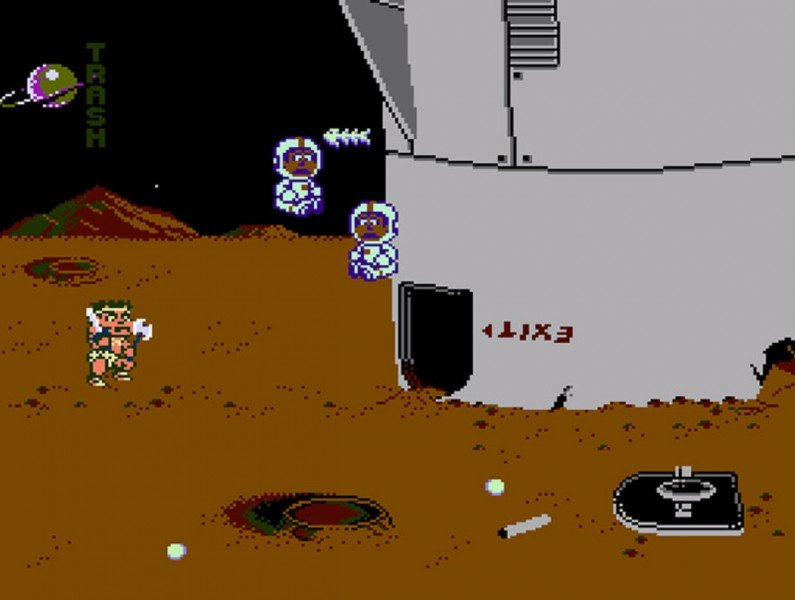
As to playing the game, gross-out humour and every sort of bodily excretion is of course the main attraction. It’s a very well-made exploration platformer where you can switch between four of the titular kids, each with their own disgusting abilities.
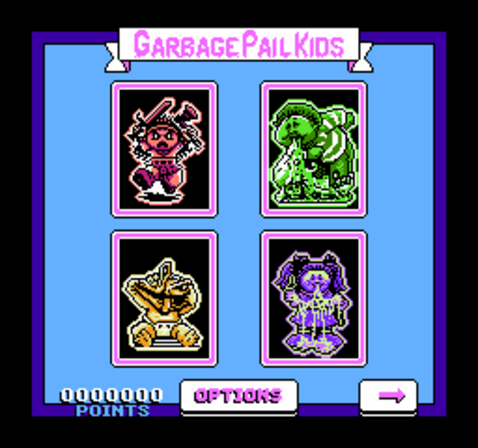
Mad Mike can fight with his axe and sword. Leaky Lindsay can fling boogers at the enemies. Luke Puke’s vomit projectiles downwards instead, sort of like Simon Belmont’s holy water, but a lot less holy. And Patty Putty is an extra-bouncy baby who jumps high and stomps down butt-first with a full diaper.
Retrotainment programmed the game, with many years of NES experience, and it shows. The game plays and controls beautifully and the level design is interesting, with close fidelity to the source material.
Gunhawk
People are still experimenting with NES peripherals. People such as Hexcellent have worked on Power Pad-based glitch art installations* . Micro Mages has given new life to 4-player adapters, and if they ever finish it, even RAD vs Dragons will breathe new life into ROB the NES Robot.
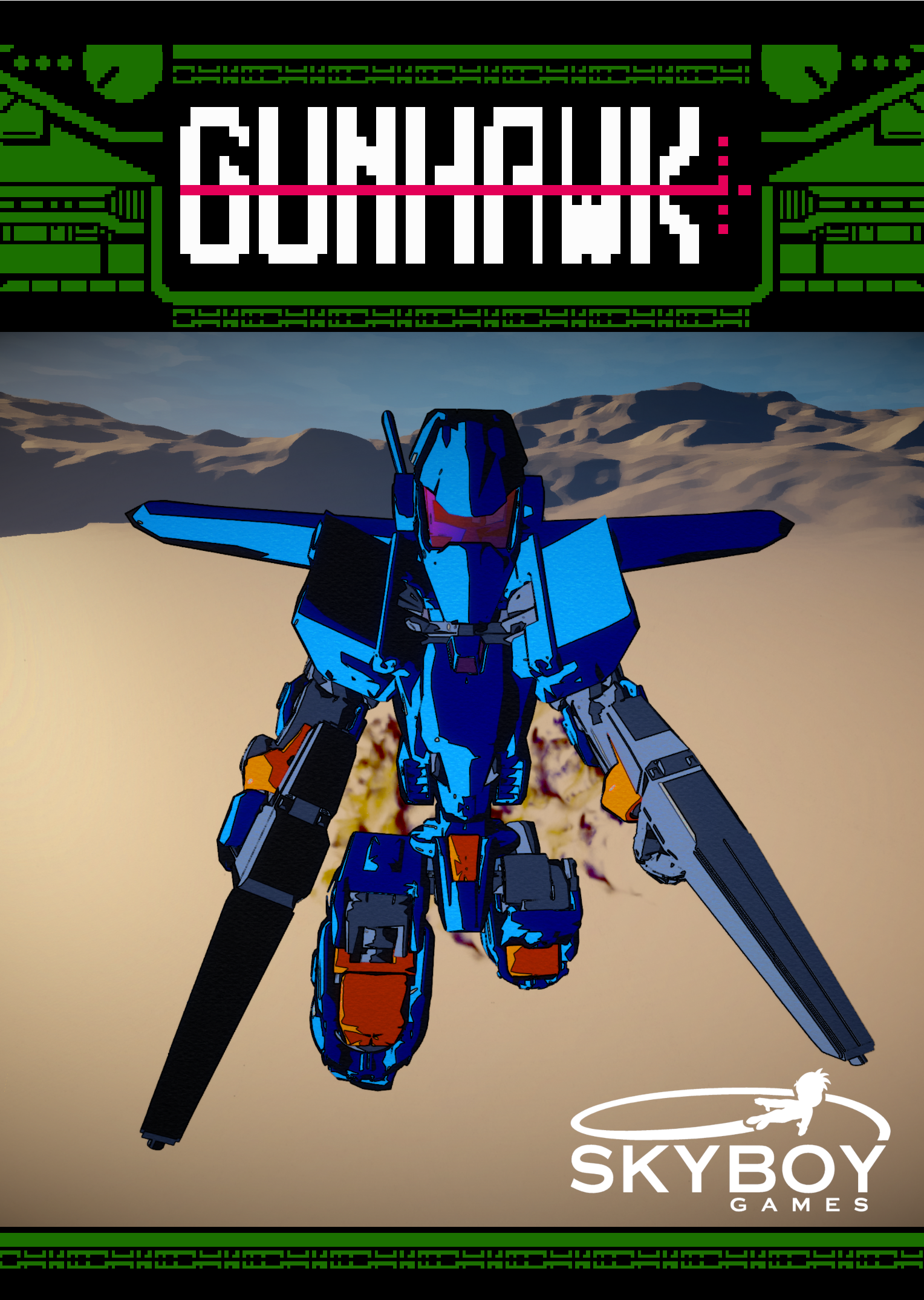
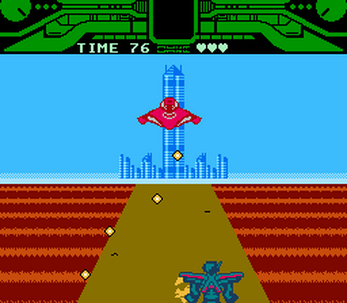
For the venerable Zapper, we have Gunhawk. The game is controlled either with gamepad to dodge and the Zapper to aim and shoot, or it can be controlled with just the gamepad alone, using the B button to shoot and holding down the A button to dodge. The intended experience does seem to be with the Zapper, as I found it more difficult to use the gamepad because you cannot aim and dodge at the same time.
We take the pilot’s seat of an experimental mecha stolen and commandeered by Nue, who has stolen the titular Gunhawk in order to escape from some vaguely evil military base. Emma, a local resistance leader, will contact us in levels with cut scenes that advance the story. You have to clear waves of enemies with various movements and attack patterns. Your shot charges automatically in a way that reminds me of the Battle Clash games for the SNES that used the Super Scope. Boss enemies also make an appearance at the end of each sector, and there are upgrades to obtain as well as taking a gamble in hacking scenes between levels (no hacking minigame, as far as I can tell, it’s just a dice roll if your hacking will succeed or fail).
Here is Y.T. showing how the game is played.
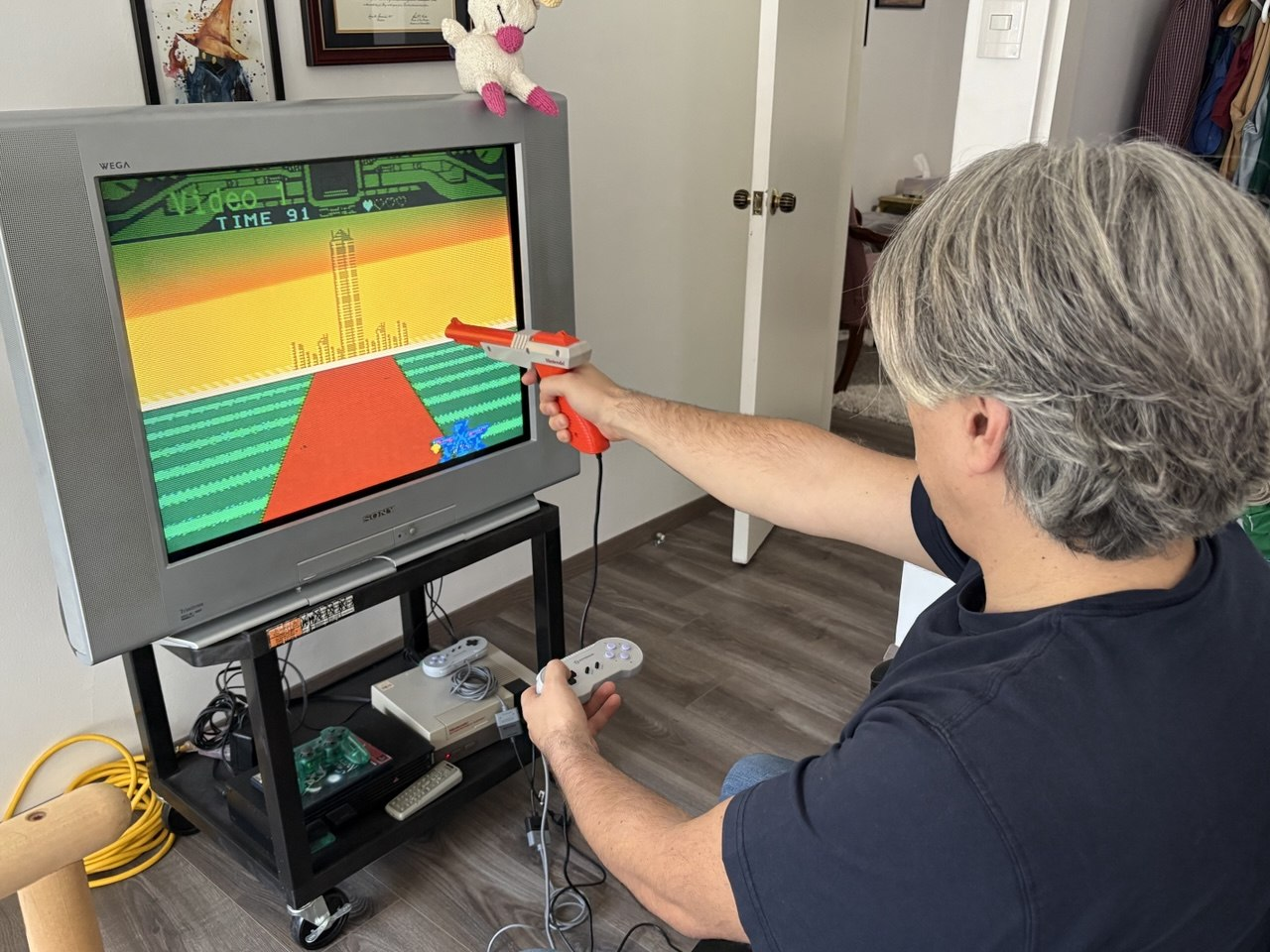
The gameplay is challenging and varied. The gamepad + zapper control scheme is effective. If you decide to get the physical version, you will get secrets in the manual that can be read with a red filter as was the style at the time.
* Which despite being, well, “(h)excellent”, I did not include in this list because it’s more of glitch art toy than a game.
GunTneR
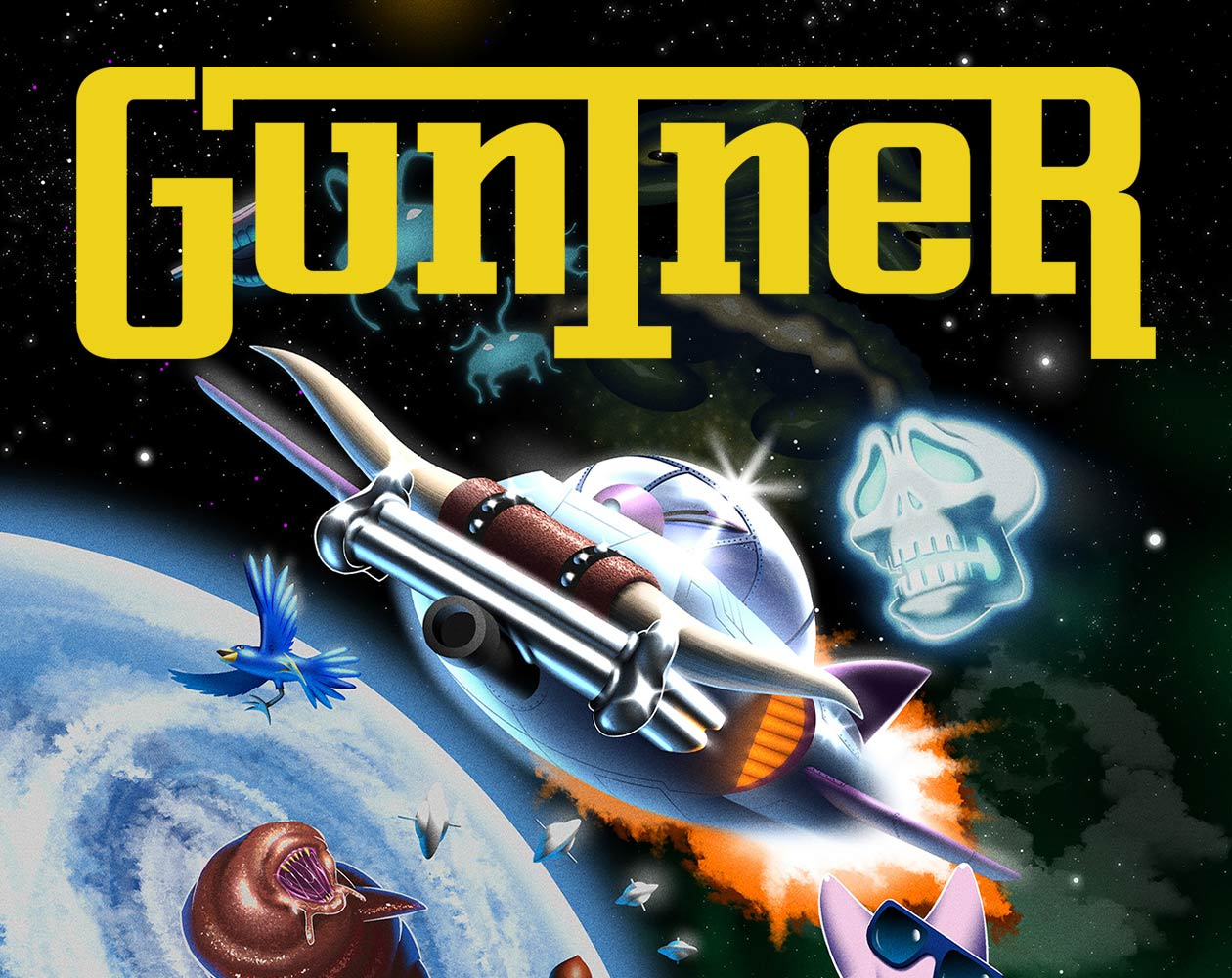
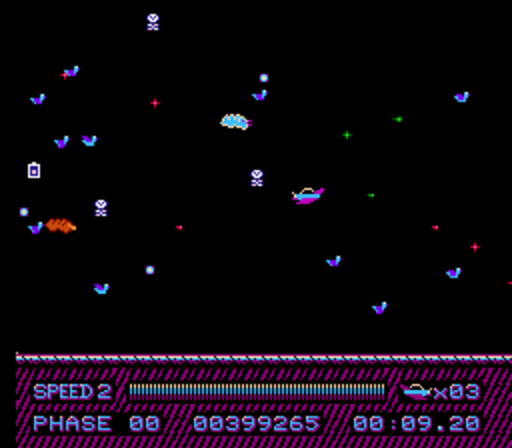
From the madcap dreams of Langel Bookbinder (this guy) comes GunTneR, a crazy fun horizontal shmup that goes RIGHT-TO-LEFT (seriously, what kind of shmup goes in that direction? I can’t think of any other!)
In GunTneR we pilot the Rudy, a ship of the titular GunTneR class across the “13th dimension”… actually, y’know what, let’s just leave the explanation to the manual:
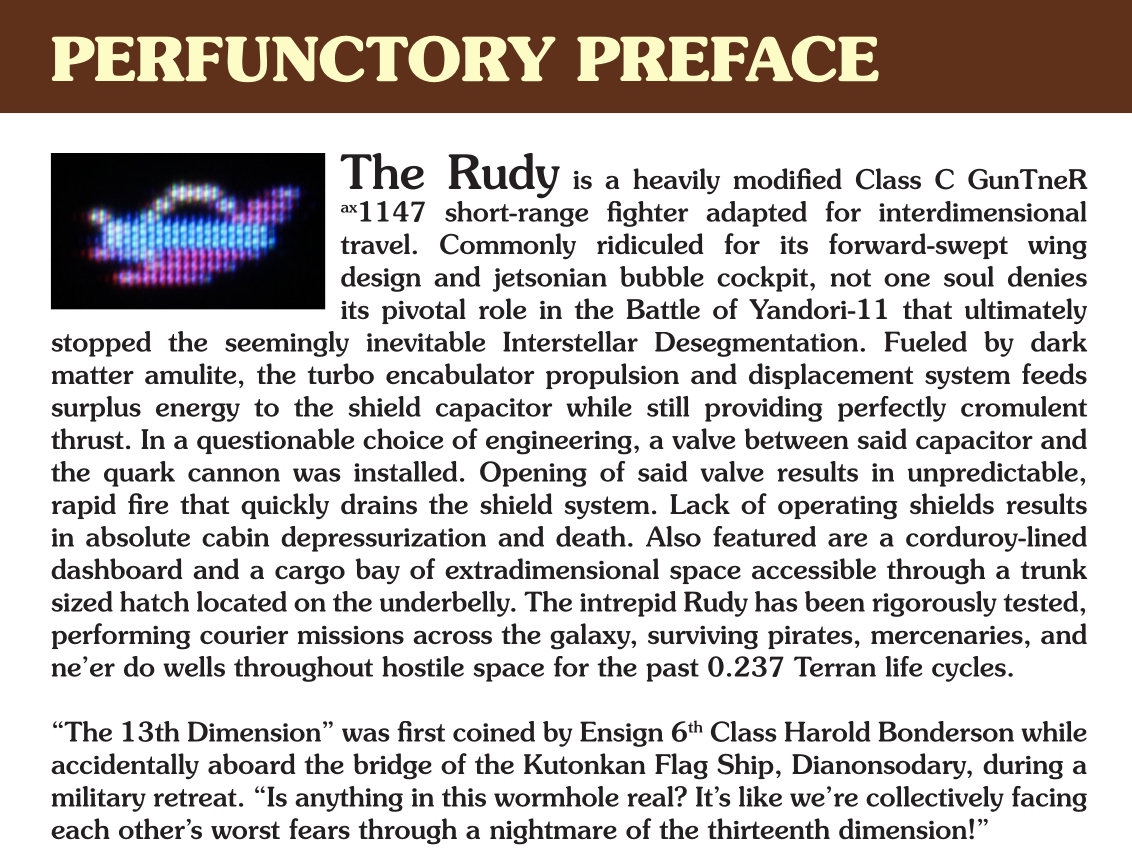
I crack up every time I read that, yes, including right now as I’m writing this. Bookbinder’s peculiar sense of humour shines through in this game.
And the game is fun to play too. It’s a timed mission to take a Dingle to some sort of space veterinarian or something. The sooner you get there, the healthier your Dingle will be. You have to clear out each wave of baddies, carefully balancing your ship’s shield levels with the occasional frenetic rapid-fire burst you can activate to help you clear out the current wave. There is a power-up juggle mechanic similar to Konami’s Pop’n Twinbee bells that can help you keep a power-up on the screen to be collected at a later time as may be convenient. You will receive “congrations” after clearing each boss enemy.
There is so much going on at once that it’s sometimes hard to keep up, but with some practice you can learn what needs to be dodged, what needs to be shot, and what needs to be collected.
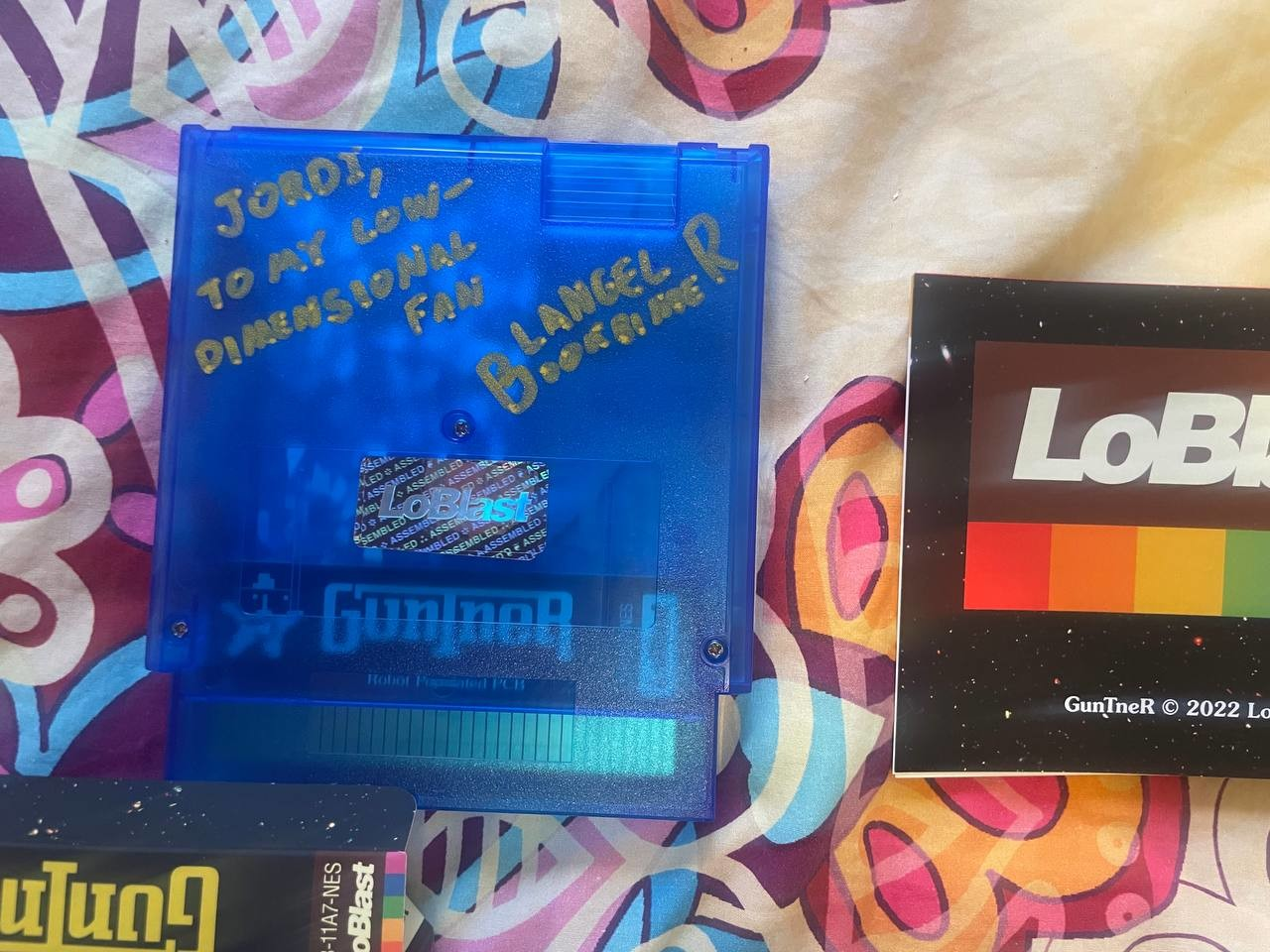
And look! I’m a low-dimensional fan!
Haunted: Halloween Trilogy
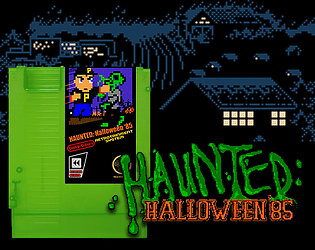
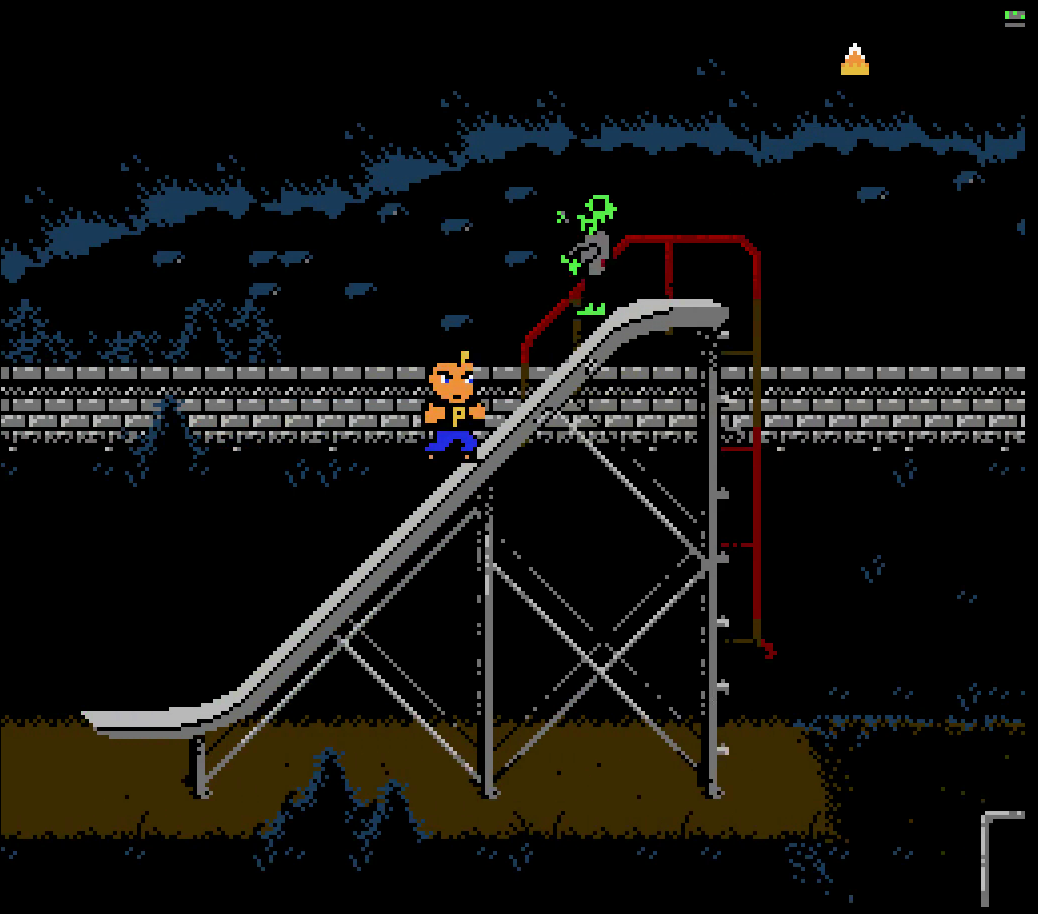
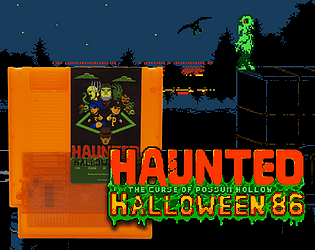
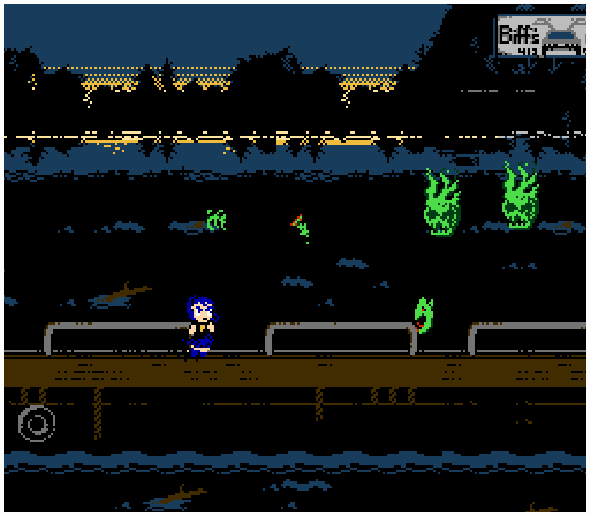
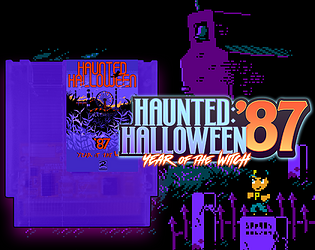
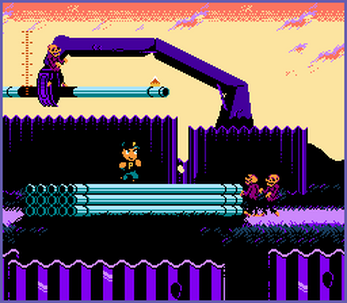
Three times now since 2015, the Retrotainment team has regaled us with a Halloween adventure right on time, an irregular tradition for October 31st.
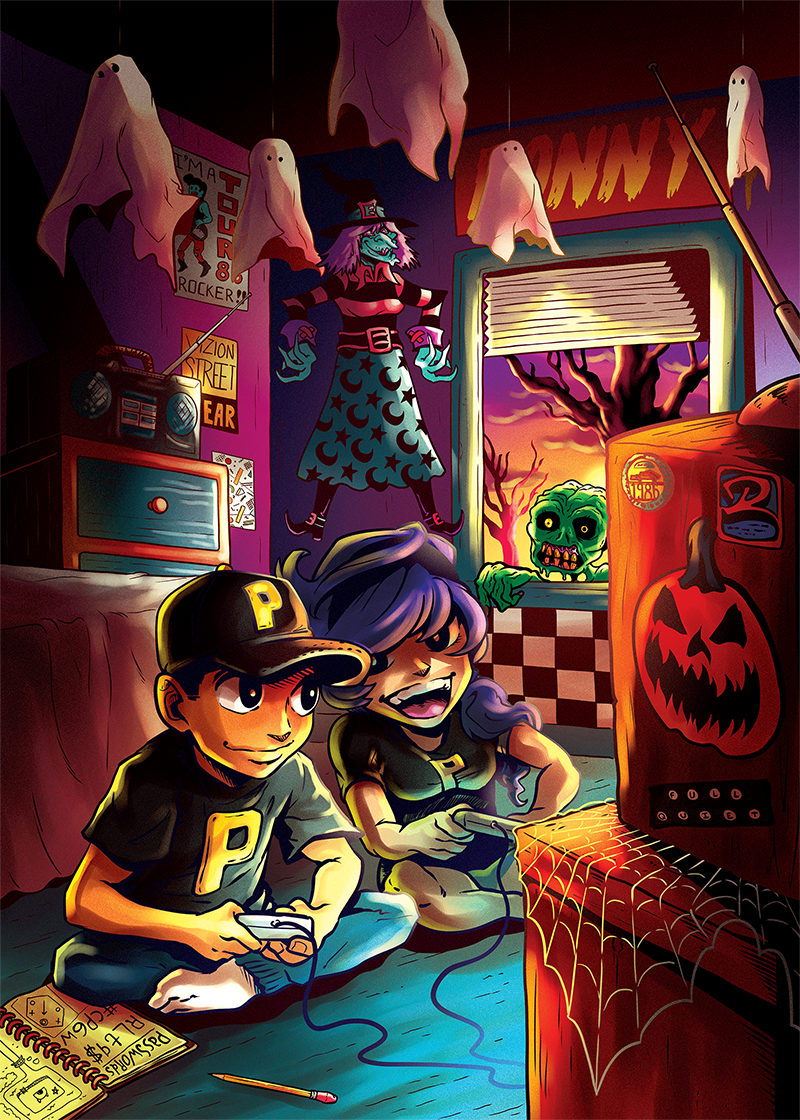
In the first game we take control of Donny Johnstown, elementary-school aged-kid who has to battle the undead forces of Haunted Harry over many levels of undead platforming horror in the town of Possum Hollow. In ’86, now in middle school, Tami can join the fray via co-op tag-team action. This actually introduces a sort of hidden co-op mode, as a second player holding the second gamepad can hit select at any time to tag in. This mechanic returns in ’87, along with some non-linearity to the level selection as well as some added shmup sections on a flying broom. It is the year of the Witch, after all.
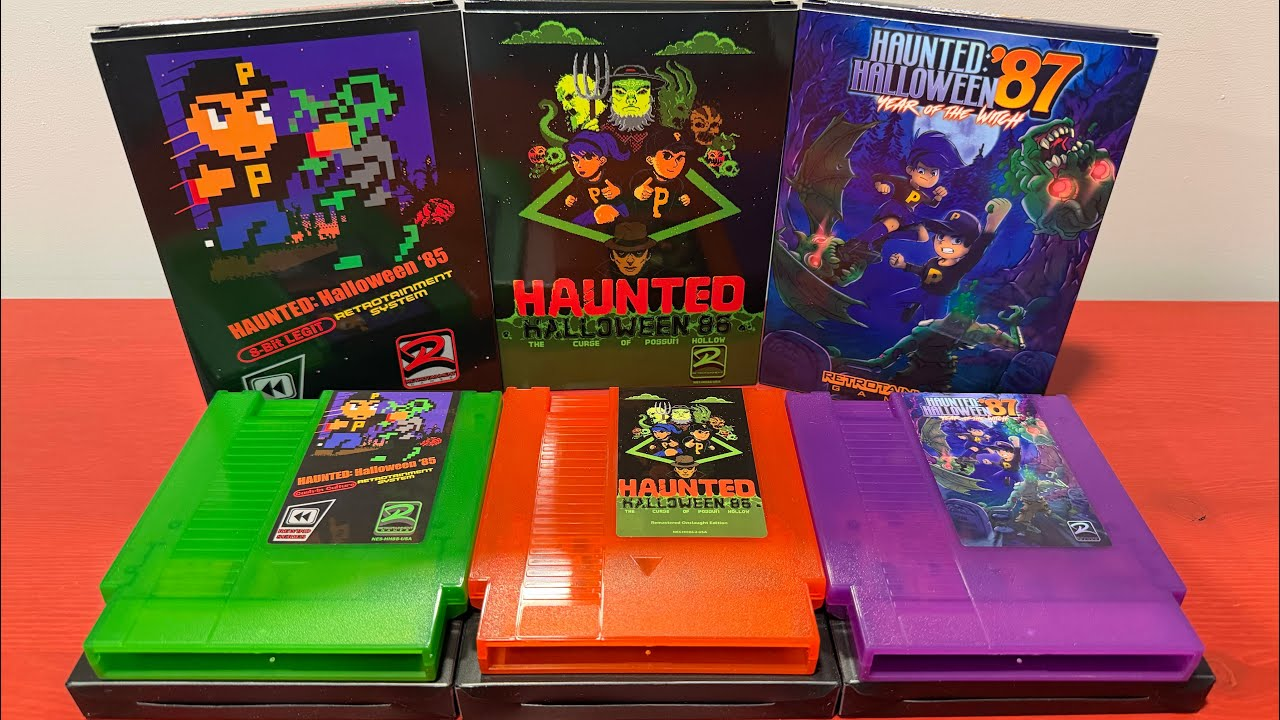
The three games have an overarching story as Donny and Tami discover more of the mystery of Possum Hollow and thrice thwart the thanatological throngs and theatrics of Haunted Harry. The ’86 game grows Donny’s and Tami’s move set letting you choose an upgrade at the end of each level, and the full arsenal is available from the beginning in ’87. The polish across the three games gradually increases as Retrotainment hones their craft. They are well-designed platformers, with beautiful background art and spritework and tight, responsive controls. The three games in unison craft a perfect spooky atmosphere for any Halloween.
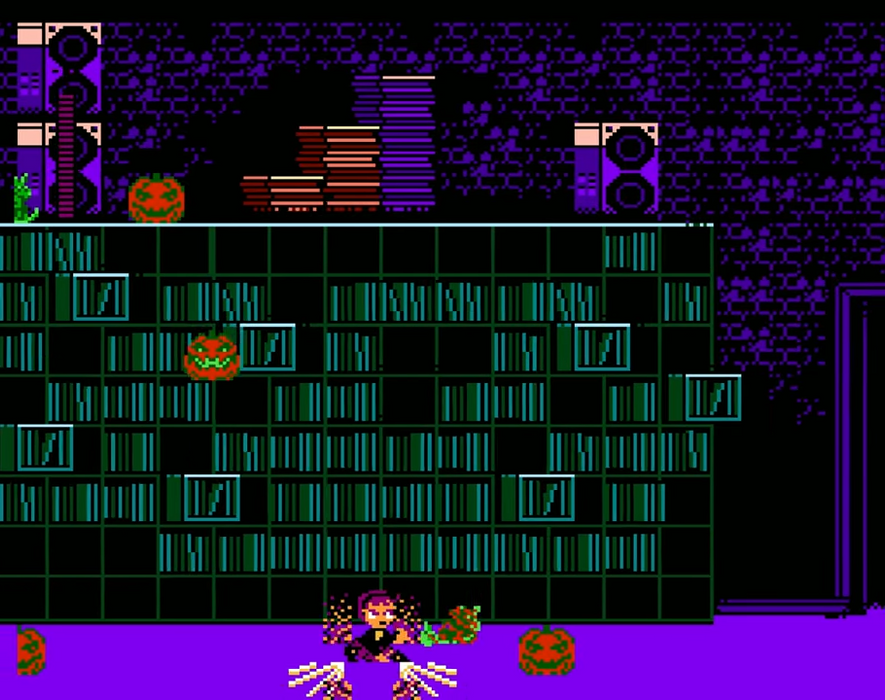
I gotta say, of all the methods that fiction has come up with for dealing with the undead, drop-kicking them or decapitating them with a well-placed uppercut is one of the more novel ones.
Jane Austen’s 8-bit Adventure
- itch.io
- Steam
- Nintendo store
- (Physical versions sold out, but the authors have made vague promises of another possible future run of cartridges)
It sounds like a joke,
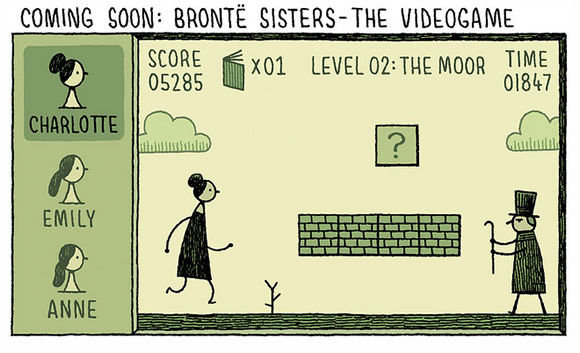
but it’s a surprisingly well-made game.
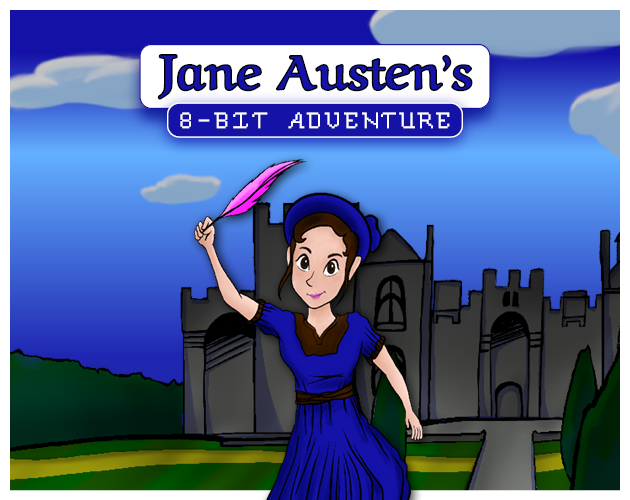
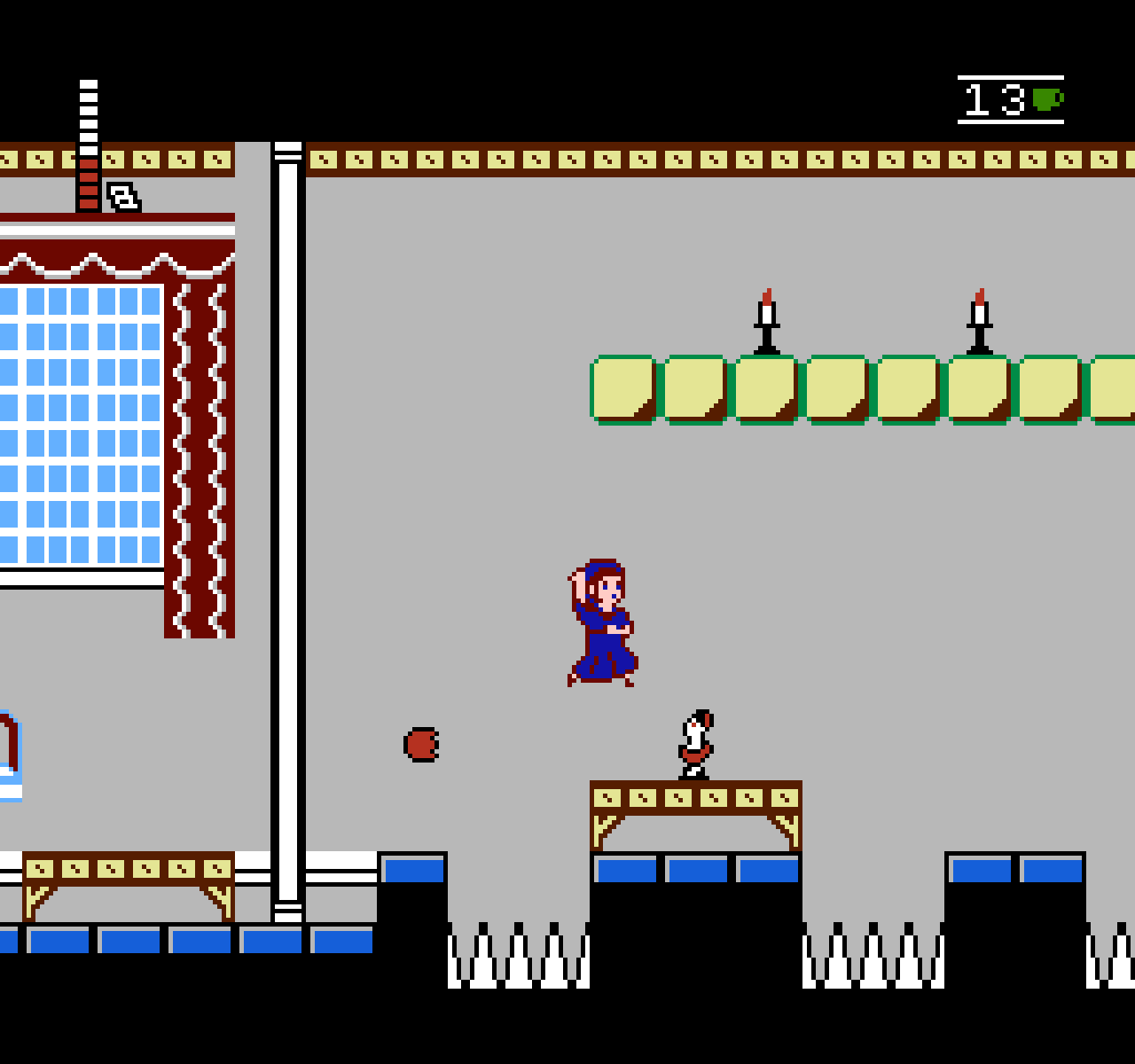
Being a fan of Jane Austen’s work isn’t a prerequisite, but it helps to be acquainted in order to grasp some of the details and setting of this game. The gameplay is quintessential NES platforming, with good controls and an interesting central mechanic. It’s not too difficult or too long, but it’s not short either. It feels just right with just the right amount of challenge.
The story is that Jane Austen finds herself in an unfamiliar 8-bit world and characters she portrayed unfavourably in her books are her main antagonists. Using her quill to attack (which after all, is mightier than the sword) and collecting cups of tea for ammunition, she must traverse platforming levels inspired by each of her novels until she can find a way out of this world.
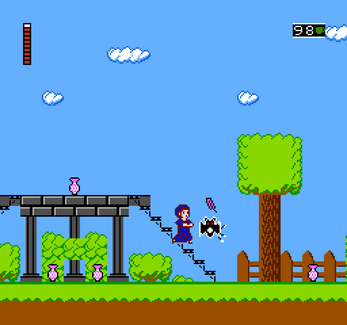
It all sounds rather silly but it works very well and the game is actually quite fun. Although my knowledge of Jane Austen begins and ends with Clueless and “it is a truth universally acknowledged…“, the game gave me a desire to read more of her work.
Lizard
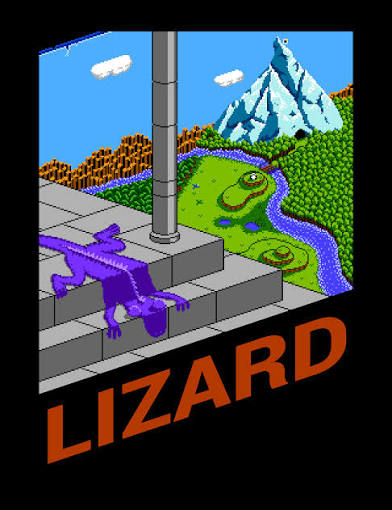
My lizard is the lizard of tagline
Put on a lizard and go on an adventure!
My lizard is the lizard of reminiscence
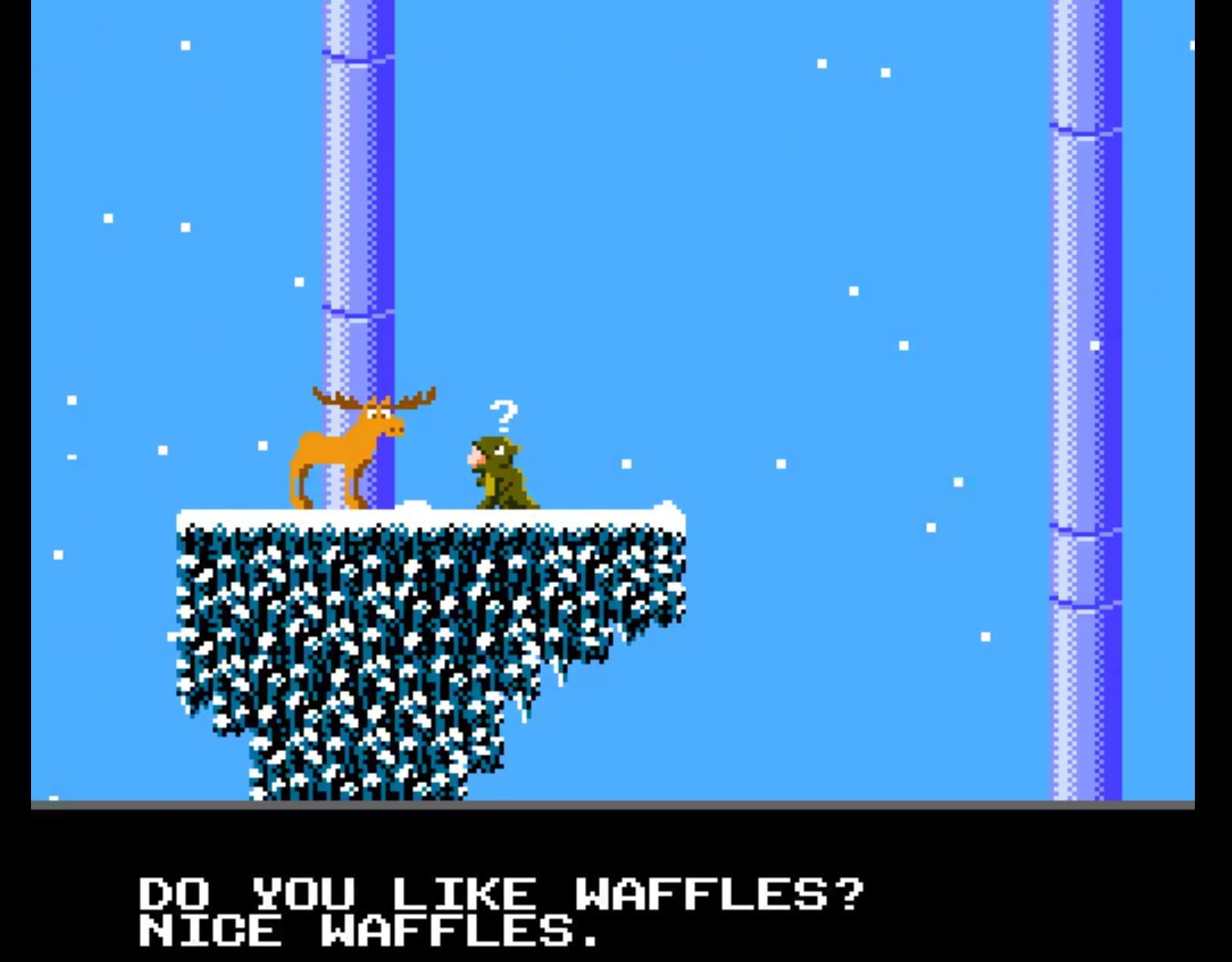
Lizard for me is a very personal and emotional game. I met the author Brad Smith via this game and we have since become good friends. We play video games almost every week and chat about whatever is crossing our minds. And that feels a lot like what Lizard feels like. Lizard is a meandering, personal, somewhat aimless game. Sometimes I joke that it’s just Brad’s mad science experiment on human brains. Lizard presents you with challenges, puzzles, discovery, and frustration and makes no attempt to dictate how you should react: surprise, determination, desperation. Lizard just sits there quietly waiting to see your ensuing feelings.
My lizard is the lizard of lore
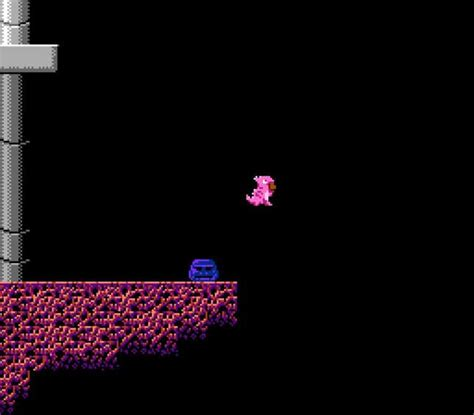
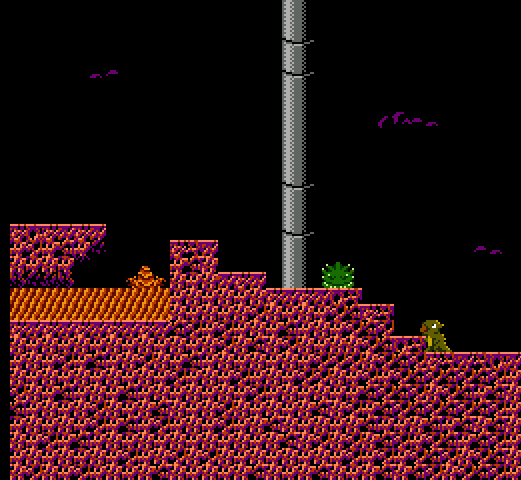
I should explain at this point what the gameplay actually is. It’s an open-world exploration platformer. Lizard dumps you in the middle of a world that gives you no objective and no explanation save what you can find on your own. You begin by wearing the Lizard of Knowledge and if you read the manual you can get some pointers that there are other lizards you may discover. There is no direction you should specifically explore, and the denizens of Lizard seem downright disinterested in you. With narrow exceptions you cannot hurt them, and they will not attack you unless you approach them. Everyone was simply minding their business until you showed up wearing a lizard.
The game actually feels oneiric because it sort of is inspired by a dream. One of Brad’s friends once awoke from a dream, distressed and proclaiming, “my lizard is not the lizard of knowledge! My lizard is not the lizard of knowledge!!“. Curious to discover what the Lizard of Knowledge might be and what other lizards there may be, Brad spent years making this game.
My lizard is the lizard of multimedia
Lizard is an NES game, but it has also been ported to many other platforms. For me, however, the full Lizard experience includes all the supplemental materials Brad has provided, most of which can be found on his website. Therein you can find source code for the game, developer blog posts, videos explaining how the game was made, cheats, and so much more. Lizard is an NES game, but it’s an NES game that is keenly self-aware that it is a modern NES game, and that people are allowed to experience it however they see fit. You can play a superficial platformer or you can engage deeply with its secrets.
MicroMages
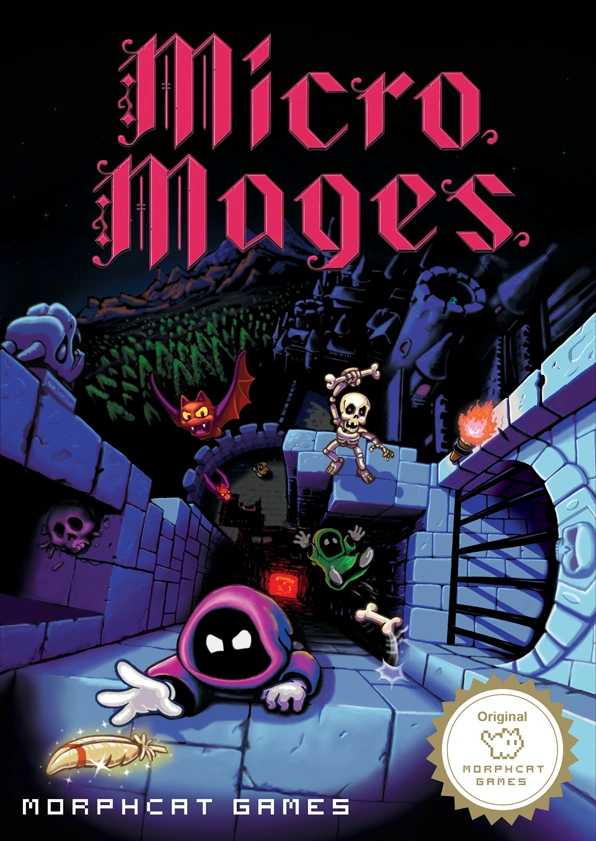
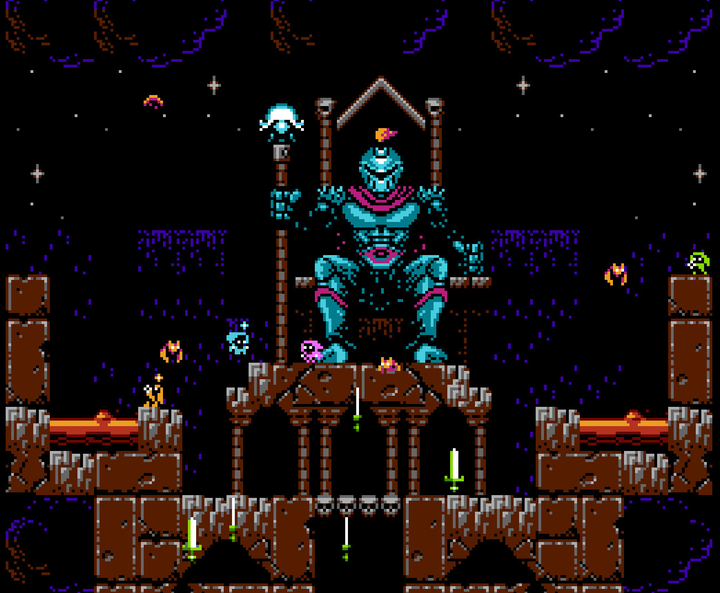
Ah, Micro Mages… probably one of the most explosively popular modern NES games. Hey, there’s a good chance that you’ve already seen its making-of video, and if you haven’t, now is always a good time to do so:
In the world of modern NES games, Micro Mages has become an institution. The premise is simple: four mages teleport to the fortress atop Pretzel Mountain to save their beloved Princess. You can shoot, charge shoot, jump, and wall-jump. That’s your lot. Now go and fight the forces of evil!
What makes people love Micro Mages is how well it all works together in such a, well, micro package. The Morphcat duo of Nicolas Bétoux and Julius Riecke created a real masterpiece. The gameplay is engaging, just the right difficulty curve, with perfectly-designed levels that gradually ramp up challenge. The game also has the rare distinction of being a 4-player game, and it’s an absolute blast to play it that way. The four mages can push each other, which can both help and hinder gameplay depending on how you play. Will you help your fellow mage reach the top of the tower, or will you selfishly push them into the abyss and collect the treasures by yourself?
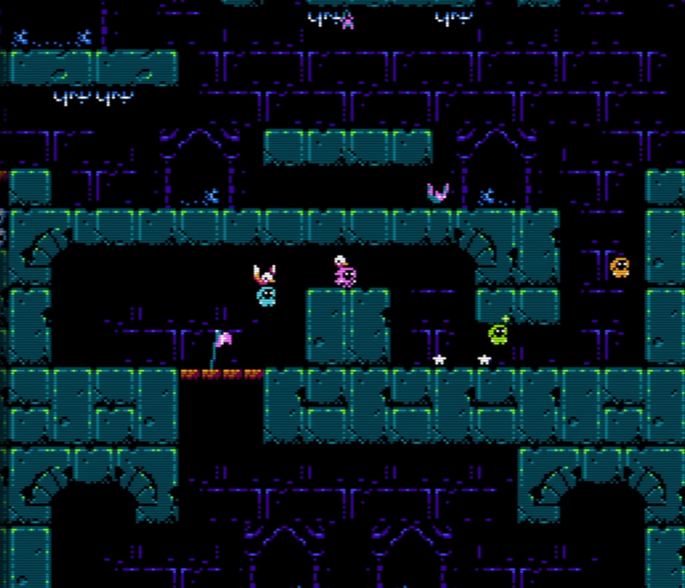
The neat thing is that dying in co-op doesn’t mean you’re out of the game. Downed mages become ghosts, and if you find the right power-up you can come back to life. In the meantime, they can help the live mages by temporarily freezing baddies with their spectral shots. All mages share a single life counter, which only goes down if there are no surviving mages left in that attempt.
It has become a sort of tradition at my household that new guests get to experience at least some Micro Mages co-op with my family on original hardware.
The game has been around for a while, so it may have already been ported to your modern console of choice, including Switch, PS4, and PS5.
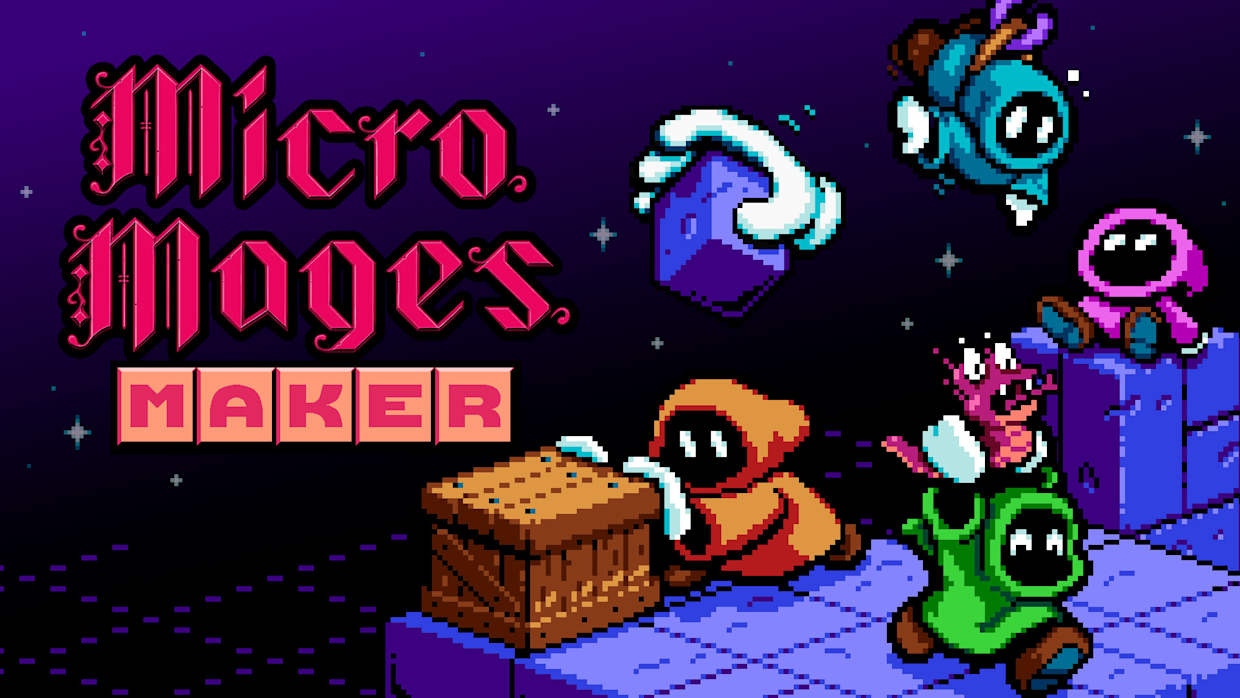
Lastly, if you can’t get enough Micro Mages and you want more levels, you can either try the Second Quest (a sort of DLC released by Morphcat) or Micro Mages Maker!
OverObj

- physical (sold out, no other way to buy this game)
(All right, this game is no longer available from its original seller. But it’s too good for me not to mention it. Maybe there will be another way to purchase it some day.)
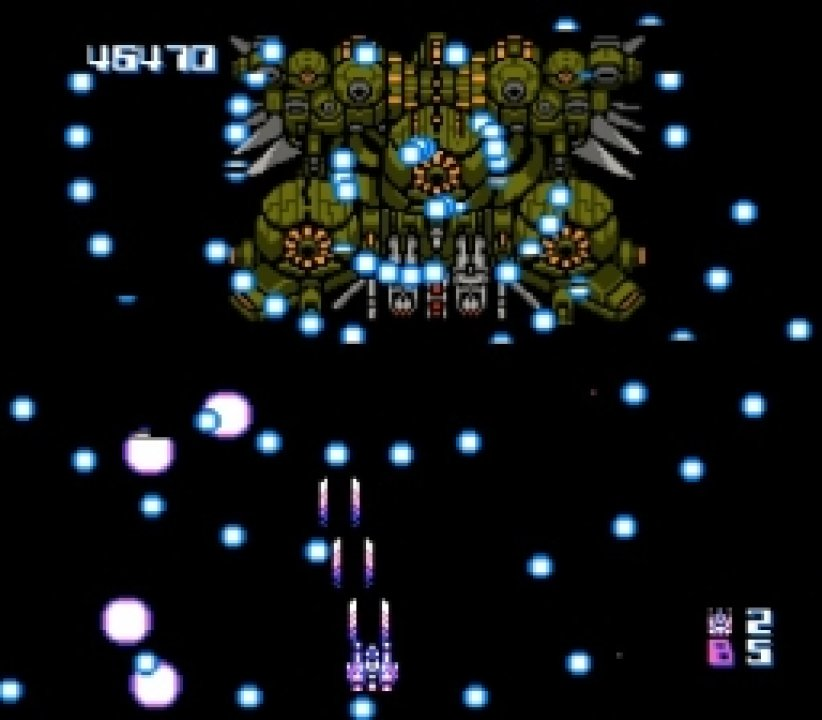
In Europe and America, the predominant genre for modern NES games is platformers. In the Japanese scene, shmups abound (or “STG” as they call them over there, “Shoo Ting Game”). Amidst Japanese shmups, a particularly popular genre is the bullet hell. Complex bullet patterns on screen and the primary gameplay is carefully weaving your spaceship or character through the bullets while you continuously fire back.
On the Famicom, bullet hell games are difficult to develop because the NES has room for only 64 sprite entries in its graphics memory, and can display only eight sprites per horizontal row. Nintendo developers used to refer to these sprites as “OBJ”.
Game developer Little Sound thus found a little trick to get over the OBJ limit: split the sprites across the middle of the screen and update the sprite data partway through rendering a frame.
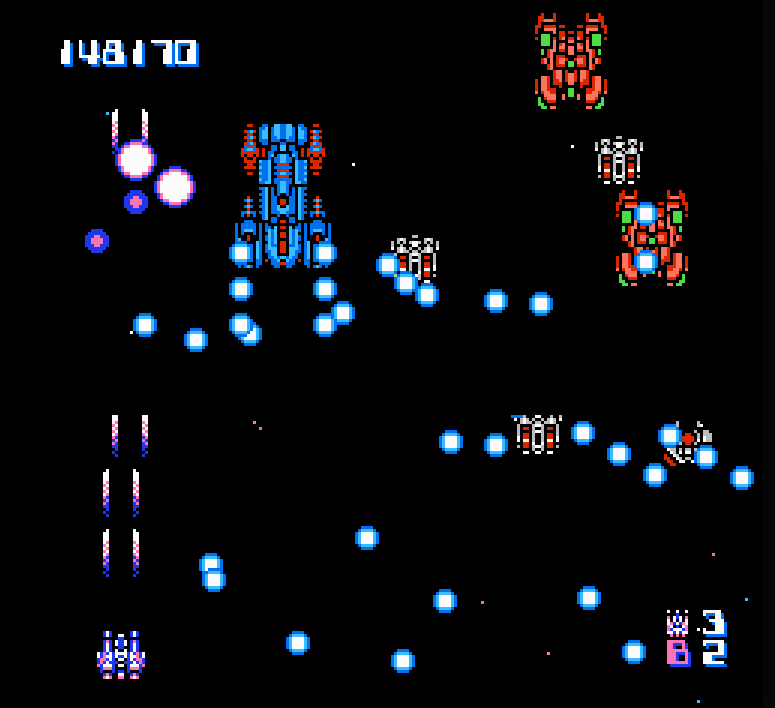
It sounds like a tech demo, but this game is actually loads of fun. The difficulty quickly ramps up, but every time my little spaceship blows up, it feels like it was a genuine mistake and the game is being fair. The later bosses and levels do suffer from some sprite flickering despite OverObj’s technical feats. I love weaving through the bullet patterns, and that’s what keeps me coming back.
There’s also some excuse plot about how the Earth, after being abandoned by humans, is being attacked by mindless Objects that started breeding on their own, while being defended by lonely android who is waiting for makers who will never return.
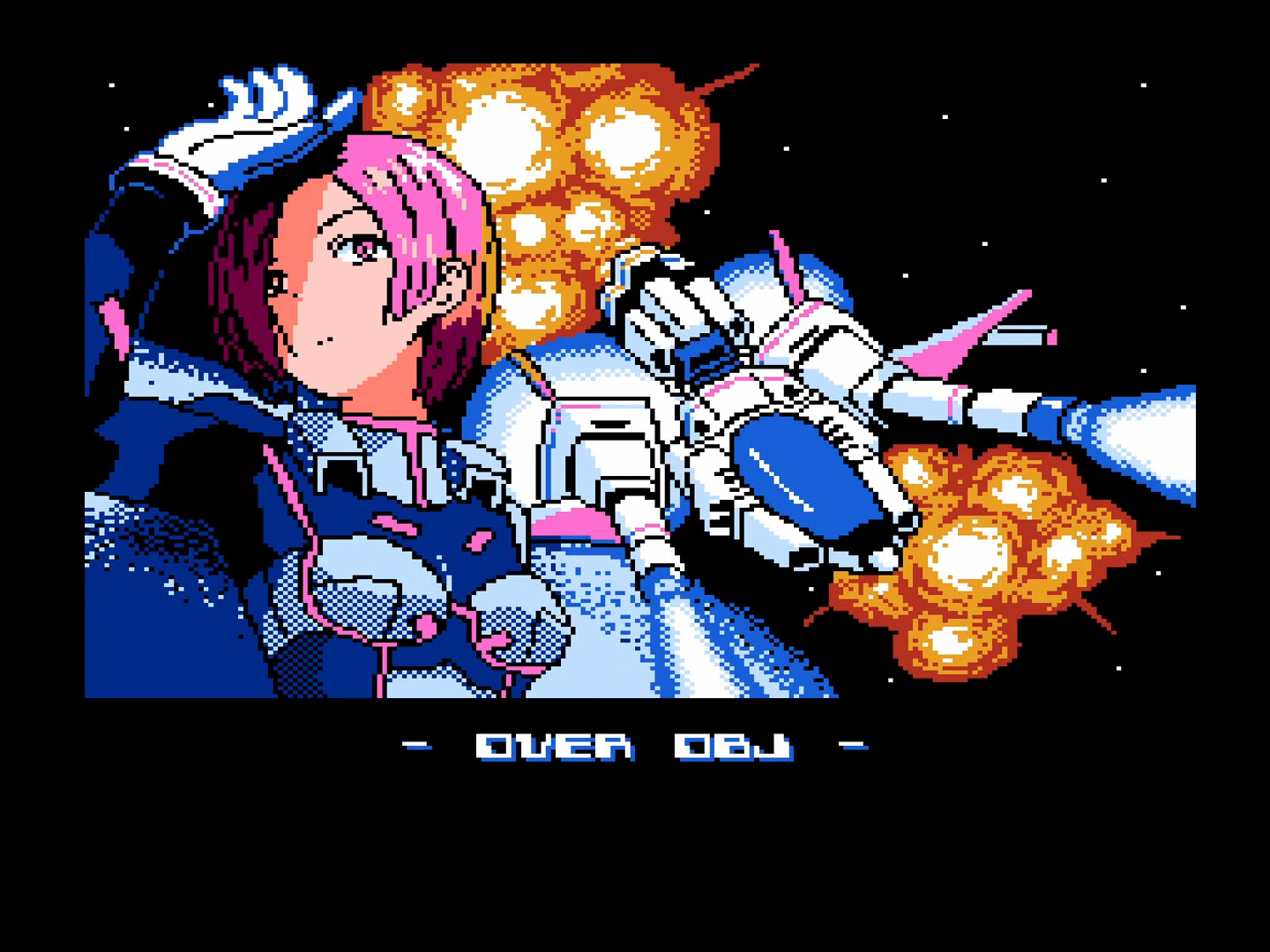
Yeah, heavy stuff. Anyway, weave through the bullet storm, shoot back, and marvel at the joy of a well-made bullet hell on the NES.
Project Blue
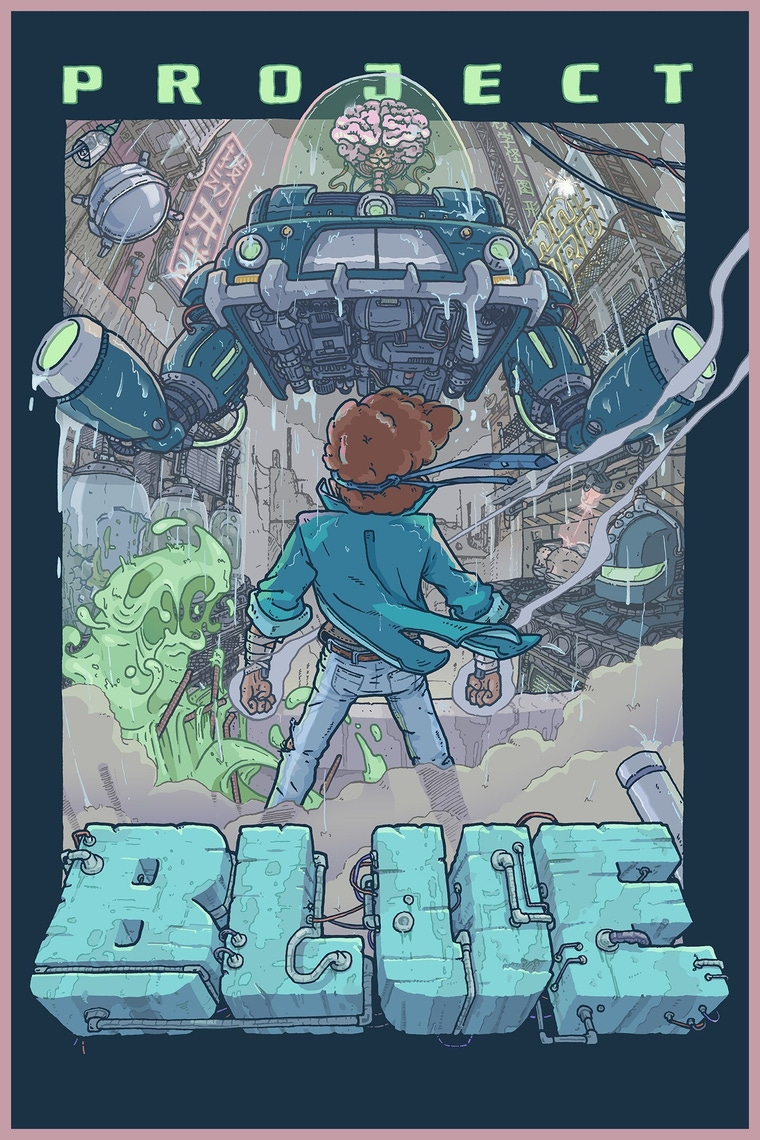
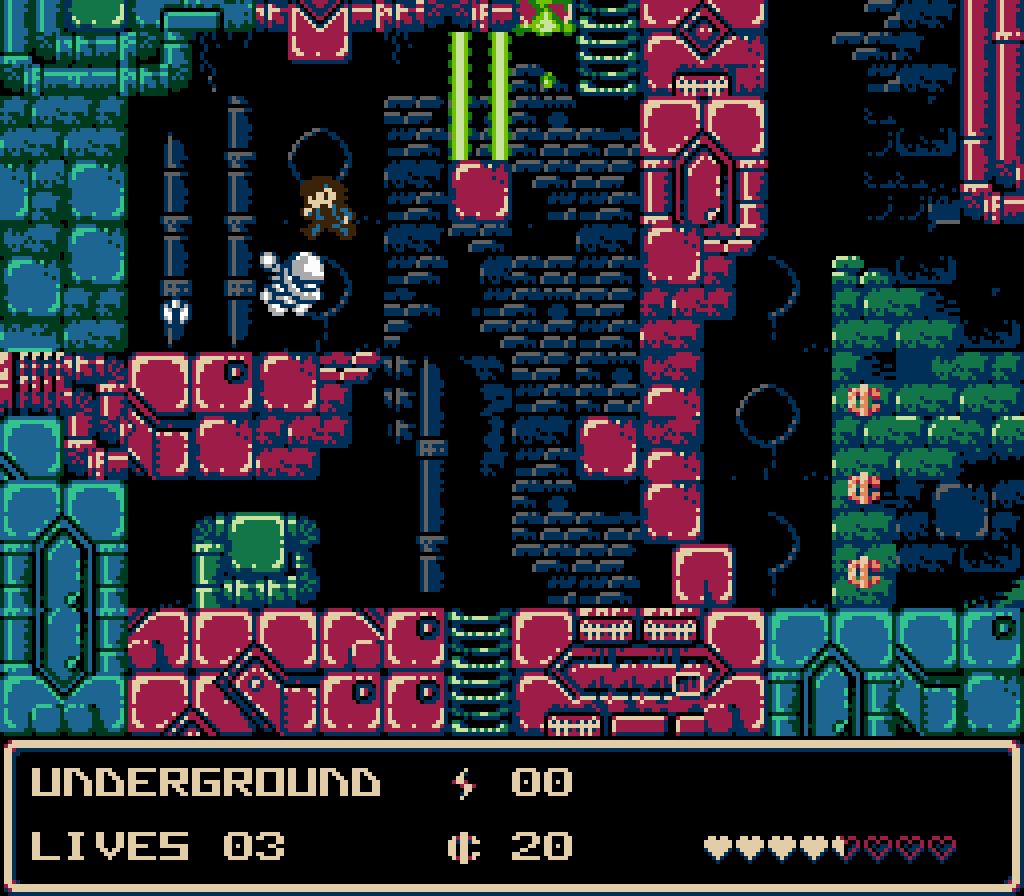
Project Blue is mechanically simply a platformer. Run, jump, shoot, get to the end of the level. There is no scrolling, but there is a sprawling map to explore, which is mostly linear. There is not much in the way of branching paths. The mechanics are good enough with a peculiarity about jumping where you need to get a running start to gain more jumping speed. It works well enough.
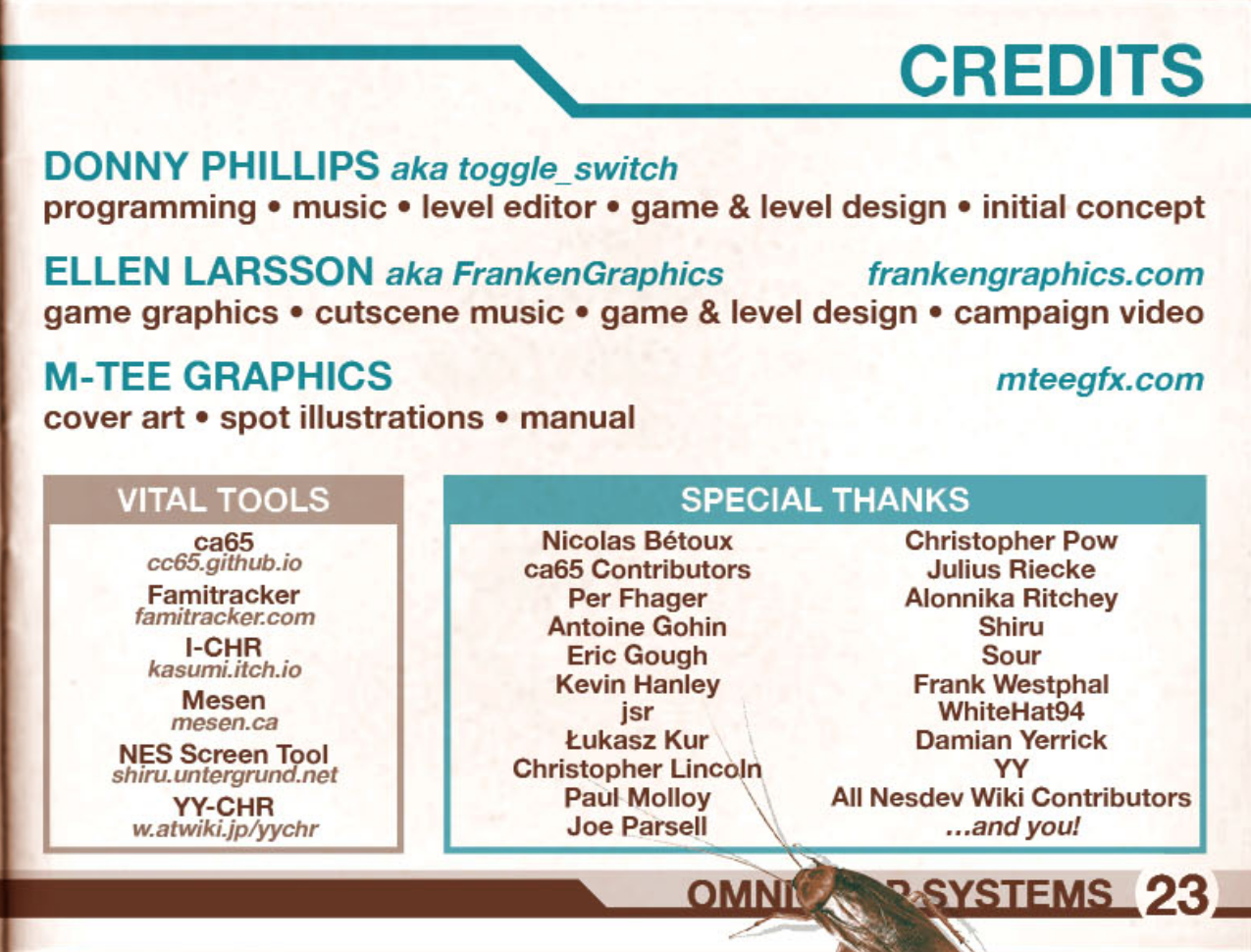
Where the game really stands out is in its presentation. The box art and manual were made by the likes of M-Tee, a veteran of modern NES art. The level design and graphics were made by FrankenGraphics, a designer with a unique sense of dark, detailed artistry who has been working on the NEXXT tool for NES graphics. Her style is instantly recognisable as she is able to cram surprising amounts of detail that seem impossible for the limitations of the NES. Rounding up the team is toggleswitch who handled the code and design.
Together they created a cyberpunk story about Blue who is a test subject escaping the OmniCorp labs by jumping and shooting and dealing with the literal Think Tanks of OmniCorp’s board of directors.
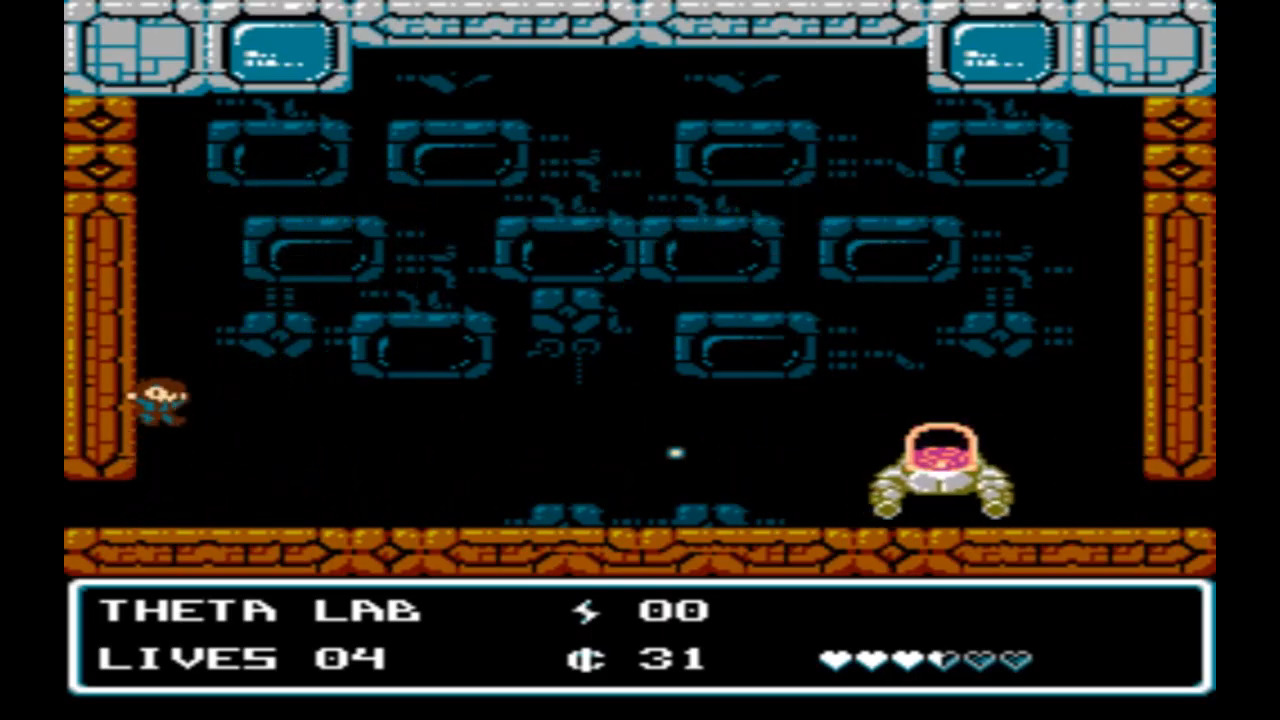
The visuals are interesting and do give the sense of an oppressive biotech lab run by robots and cyborgs, as well as some outdoor shots of Neo Hong Kong where the story unfolds.
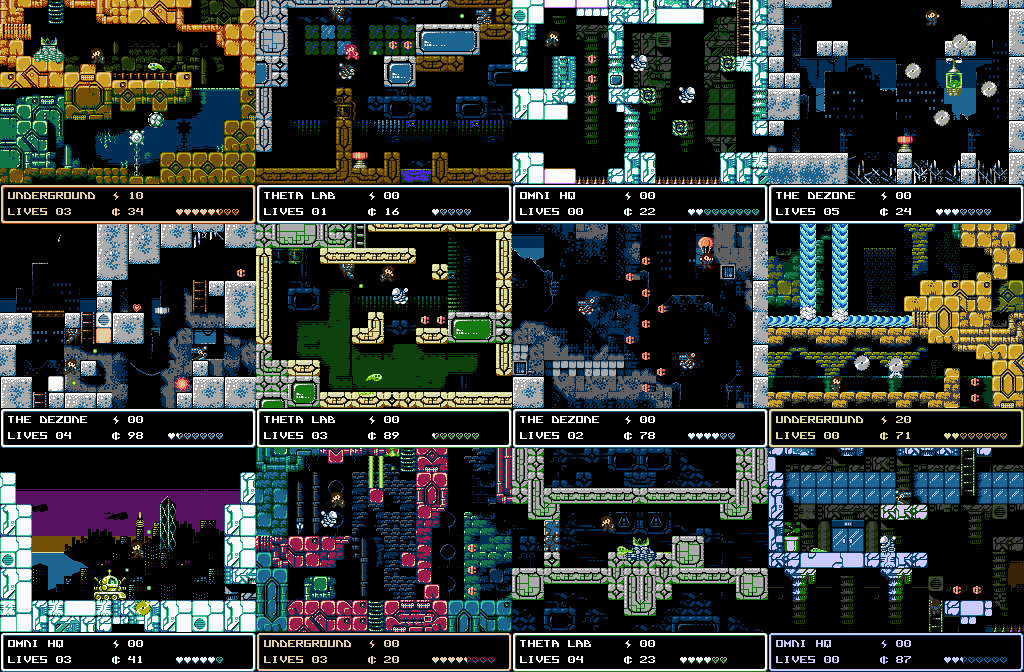
The music does a great job setting the foreboding atmosphere. I also get quite the kick out of its PDF manual, which is presented as being a scan of the actual manual. It looks like it was scanned in some dingy basement, because a cockroach managed to sneak onto the scanner bed!
The gameplay is somewhat comparable to Battle Kid but much more forgiving. Less trial-and-death gameplay, more fun running around dodging and shooting.
Sam’s Journey
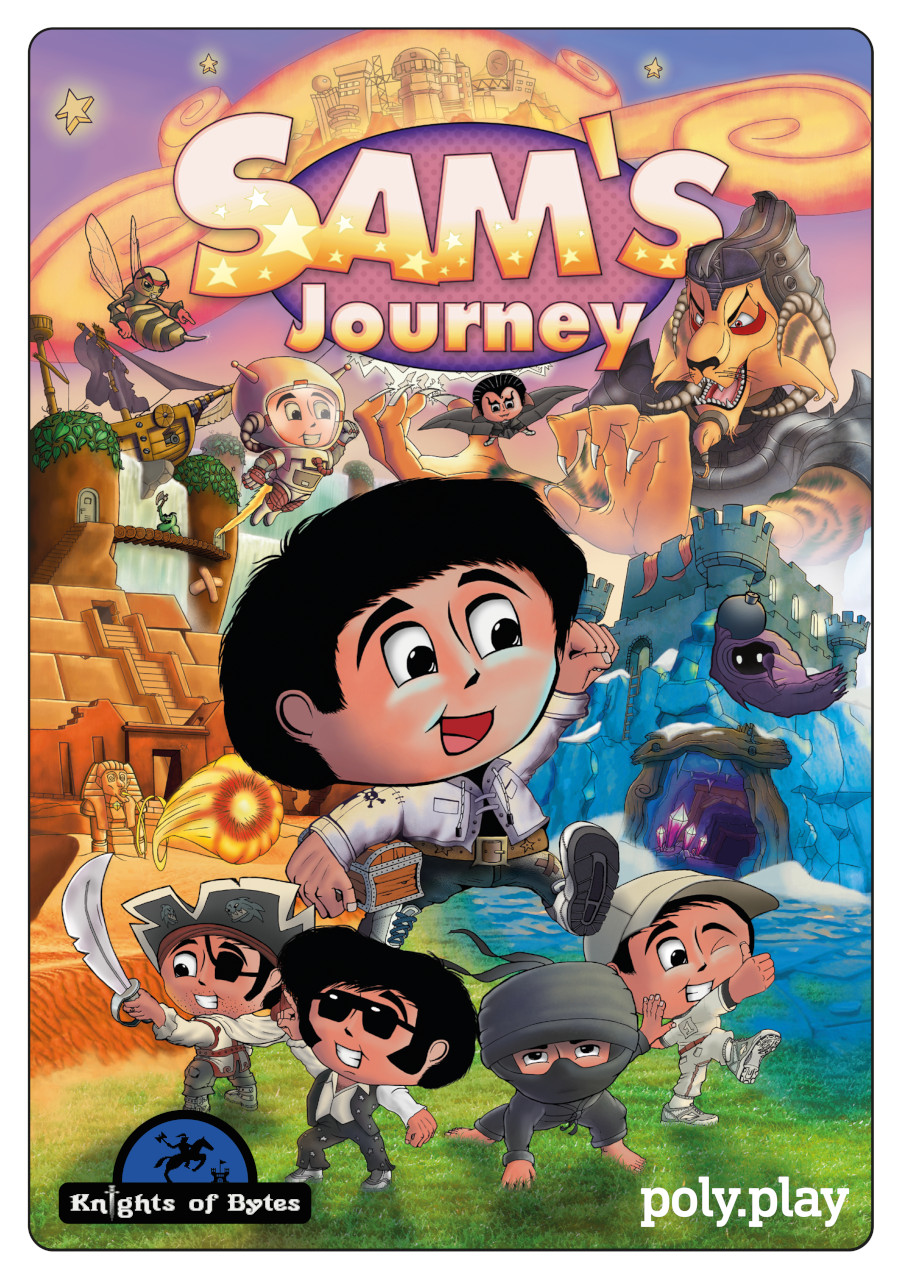
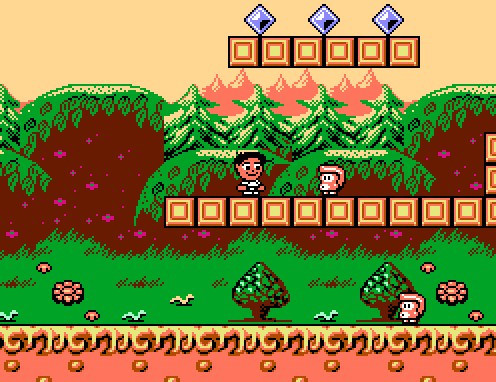
Sam’s Journey tells the tale of little Sam who one day gets snatched from his bedroom and lands in a strange and wondrous land that he must make his way out of! Along the way he can find several outfits that all have their own special abilities.
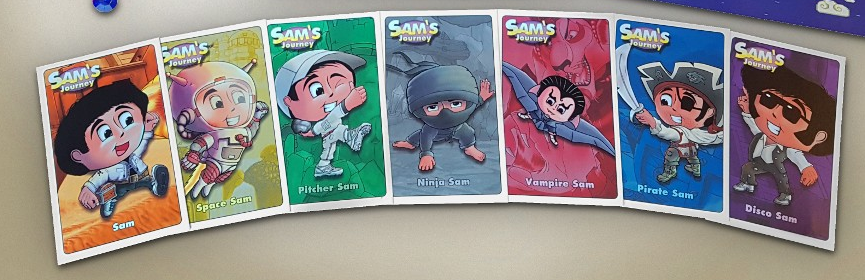
For example, Disco Sam can spin which slows down his fall, and Vampire Sam can temporarily transform into a bat and fly around the level.
The game play is multidirectional platforming in a style that I cannot help but compare with Super Mario Bros. 3, and yes, I think the game is at least as good as the best games on the NES. It is a curious thing, because Sam’s Journey was originally made for the Commodore 64, with the NES port coming later. I have not played the original C64 version (to be honest, the pastel colours of the C64 are less appealing to me), but I think some of the “flavour” of the C64 shows through. There’s a certain style of platformer I associate with platforms such as the Amiga or the C64 which were more popular in Europe than America, which makes me call Sam’s Journey a sort of Europlatformer. This is by no means a criticism, as the game’s levels require exploration, but are nevertheless mostly linear. The goal in each level is simply to find the flashing door representing the exit, using whatever power-ups are scattered in each level.
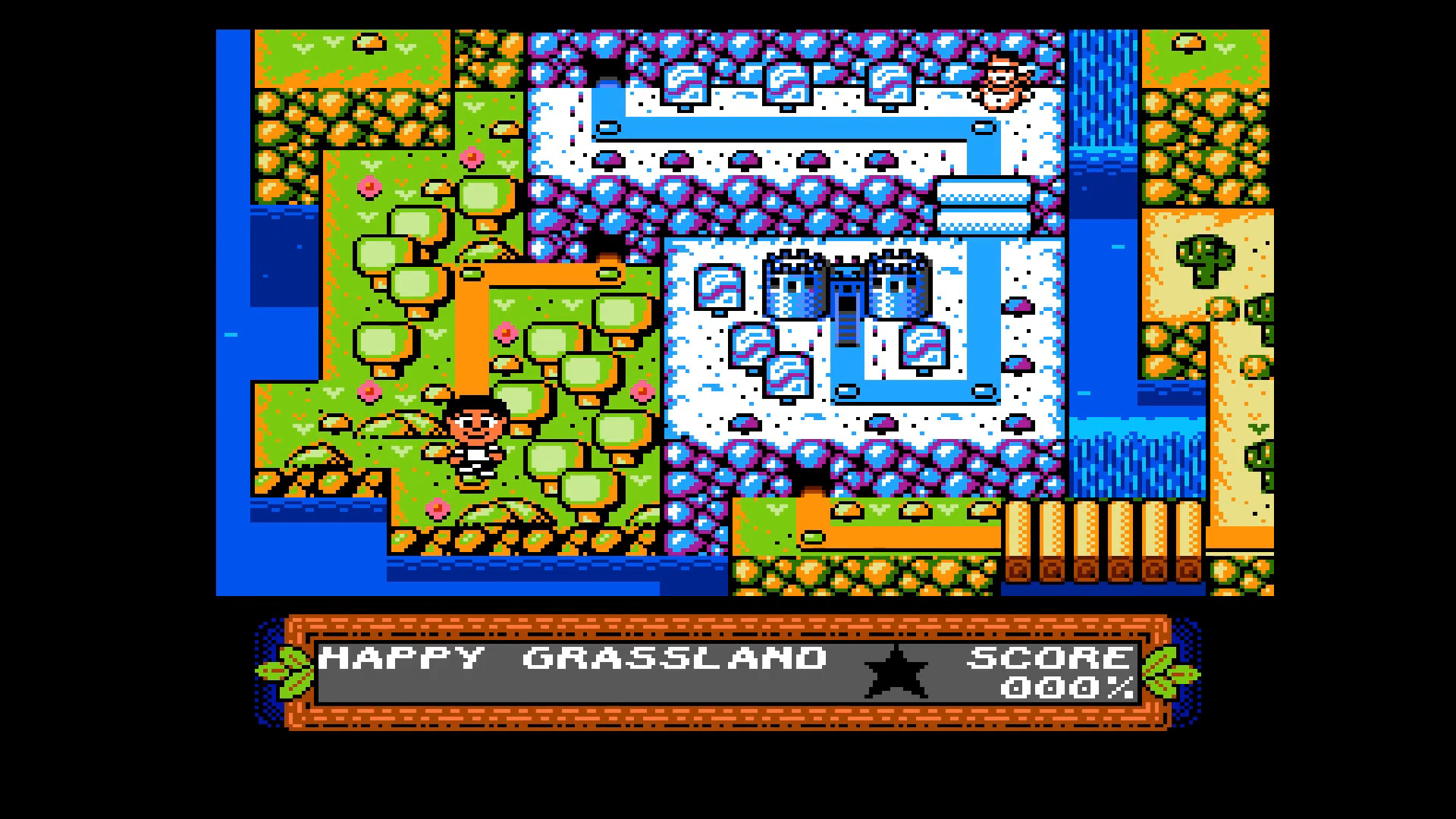
Between levels there is a level-select world map reminiscent of SMB3 or MC Kids, although it’s rather perfunctory. There is no branching possible and all of the levels have to be completed in strict order. The only purpose of this world map is to backtrack to a previous level to search for more hidden collectibles.
You see, each level has exactly 40 gems, 10 coins, and 3 trophies. Finding all of those collectibles in each level is how you obtain the 100% completion rate for the level. If you just want to get to the exit, the path is usually clear, but if you want to explore and find how the level designers hid all of the collectibles in each level, that’s also another way to play. I opted for the completionist route, just because I was having so much fun exploring every last cranny and nook of each level.
Thankfully the game has a save feature, which is quite welcome for the completionist. Even the speedrunner will have quite a game on their hands with WhiteHat94’s speedrun clocking at 47:23:
Each level is essentially a little self-contained adventure. Sam keeps his current outfit from one level to the next, but after playing through the whole game I could never find a place where an outfit was required to progress but not available in the current level. Of course outfits such as Vampire Sam were useful for more easily exploring all levels with its flying ability, but it was by no means required. I particularly enjoyed how each outfit had its use and the level design does a great job showcasing the need for all of Sam’s abilities.
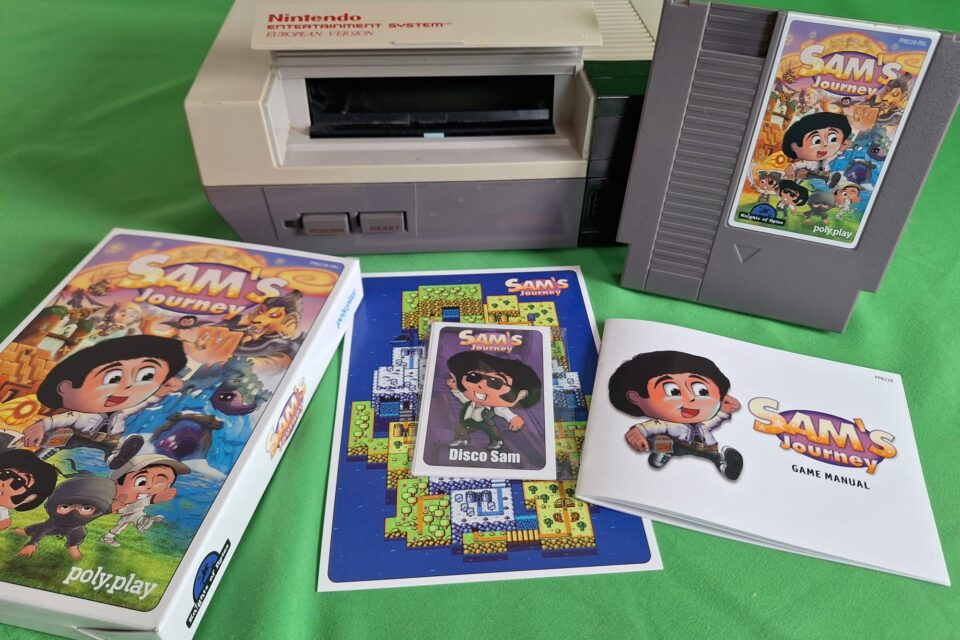
Lastly, should you get the physical edition of this game, expect high quality. The box comes with a comprehensive manual, feelies, and there is even a hidden collectible somewhere in the physical package! Knight of Bytes poured lots of love into this game which is why I love it too.
Slow Mole
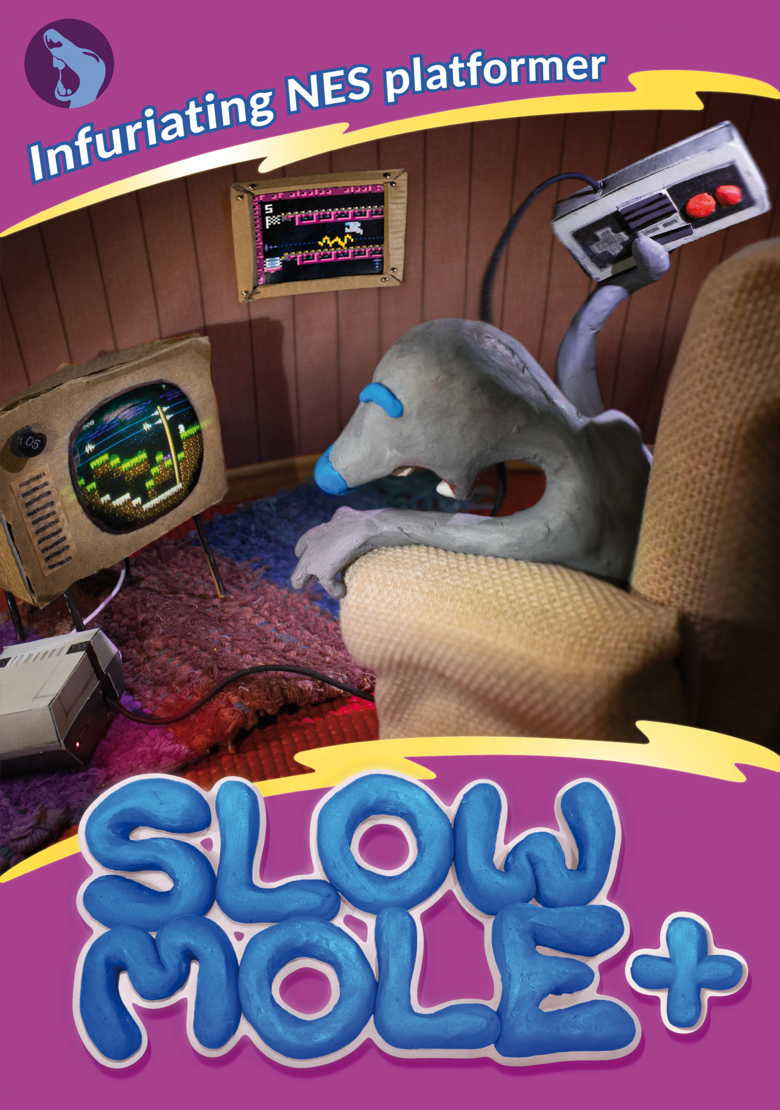
Let’s begin with the cutesy claymation commercial:
Poor little claymation mole. I personally do not feel that sort of frustration with trial-and-death gameplay. For me, it’s an experience of focus and meditation.
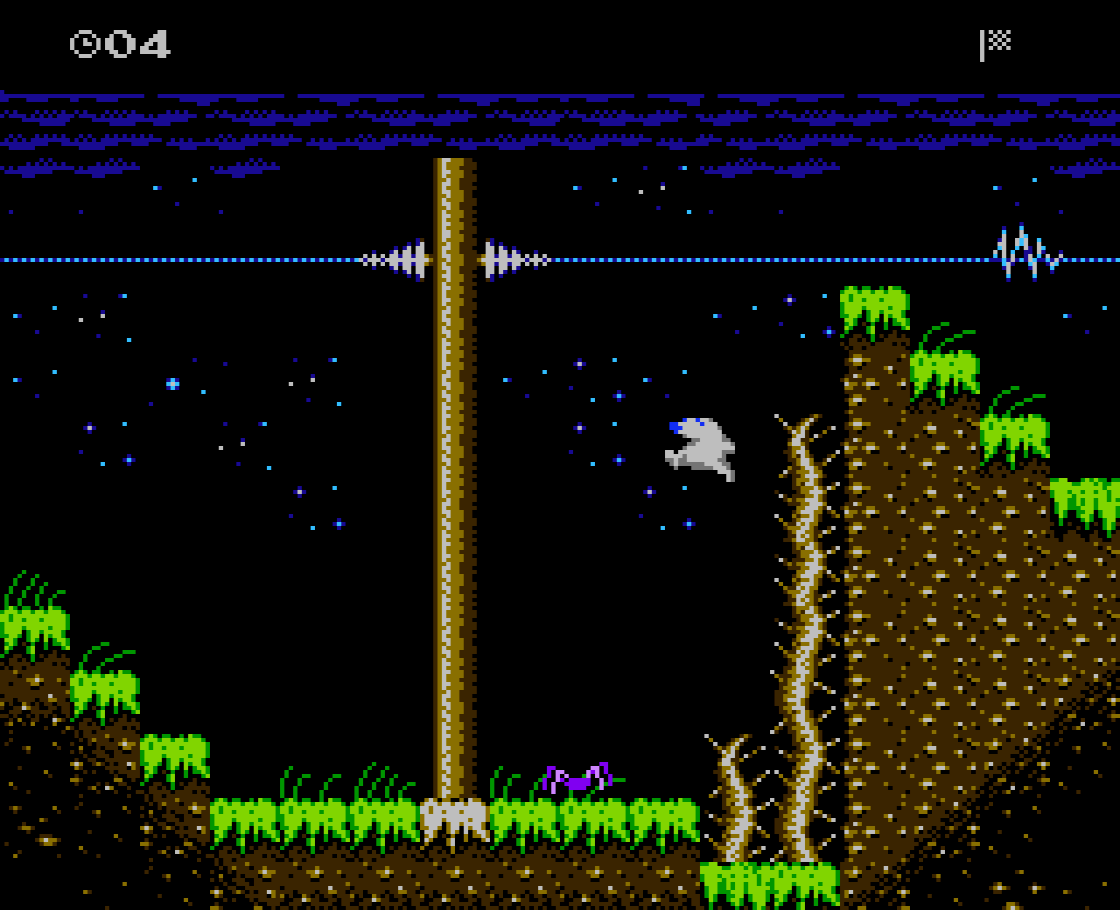
Slow Mole is a precision platformer with a unique twist: your mole is slow, the world is fast. If you want to have a checkpoint past the current screen, you need to complete the current screen under a time limit.
Together, these mechanics create an environment where you have infinite tries to perfectly nail a little speedrunning challenge screen by screen, repeatedly dying until you get just the right rhythm. Once you do so, it’s greatly satisfying to have guided the little critter onto the next screen.
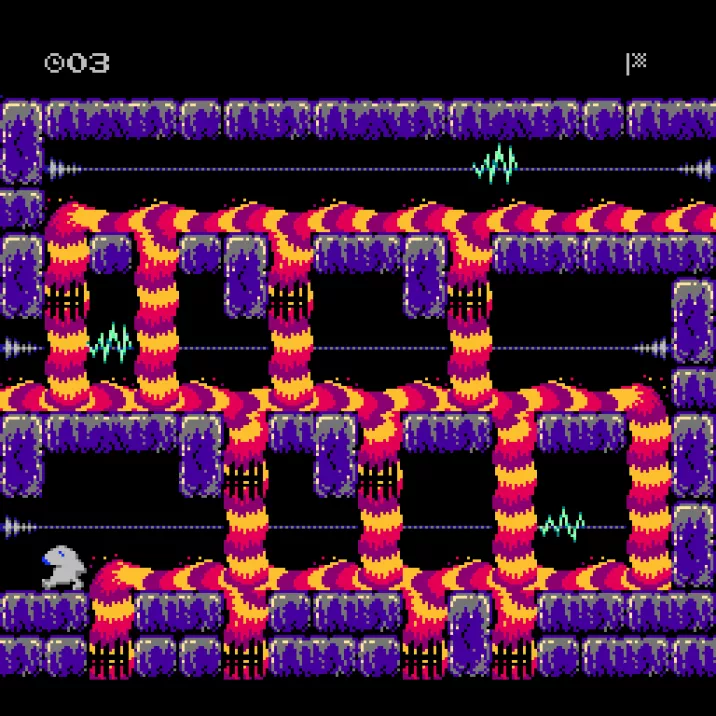
There is lots of variety in the obstacles and environments. The novelty of discovery keeps rewarding the player with each screen that was cleared. Every section is a new challenge and the game spices it up. A must play for fans of precision platformers!
The Storied Sword
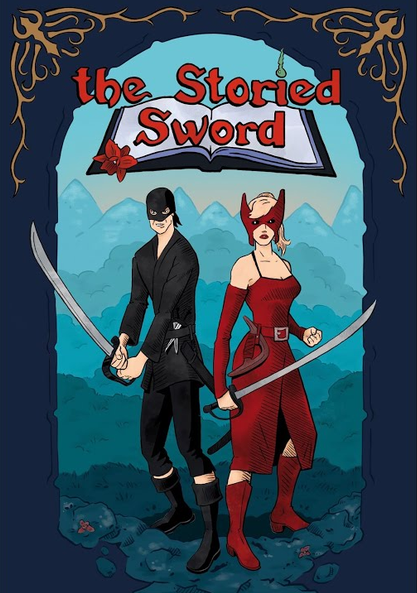
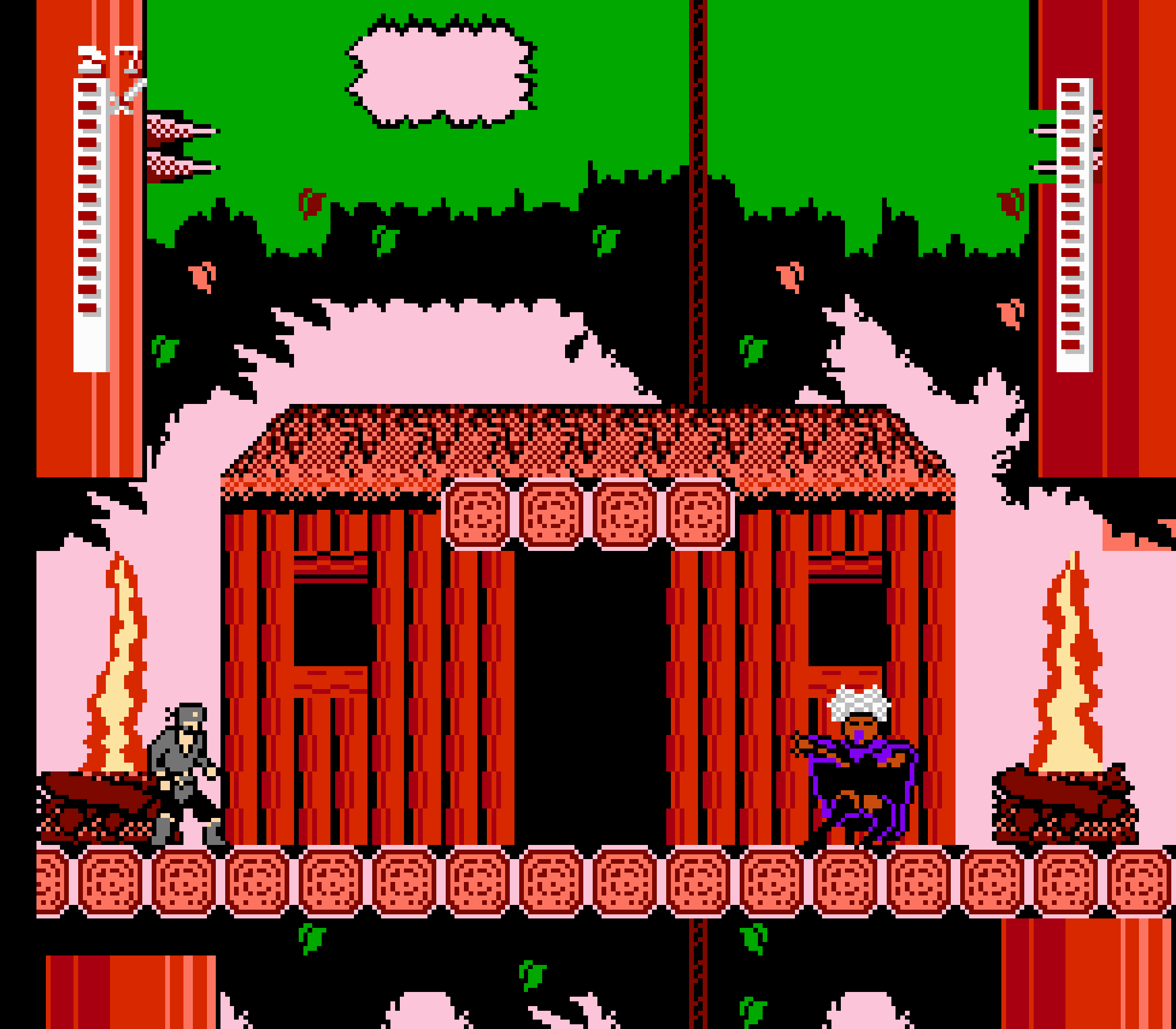
Mix Ninja Gaiden-style cut scenes, NES-Batman-like wall-jumping, and Princess Bride-like story, all set to the expert tunes of Raftronaut, and you get The Storied Sword!
The evil sorcerer Vectre seeks the Storied Sword in order to break his curse and remember the name of his one true love. In order to stop the evil despot, Cedric the Candlemaster and Orchid of Mourning team up to traverse the Storm Coast and prevent Vectre’s brigands from stealing the Sword for their master. The story progresses in twists and turns through cinematic cut scenes between levels as we learn more of what became of Vectre, his generals, and our two heroes.
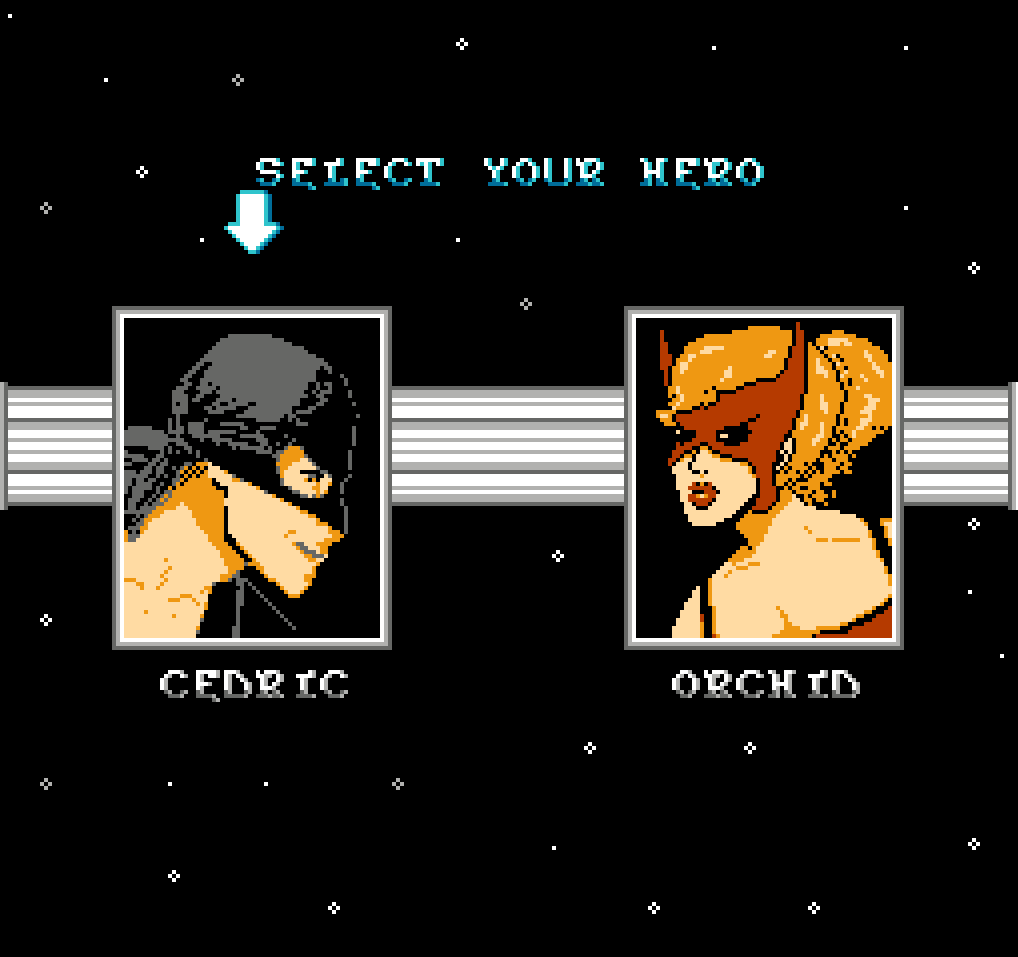
The game is a fast-paced platformer with a unique character thanks to its wall-jumping mechanics. You have infinite attempts to get through each checkpoint. After each death you can pick a different hero, as they do differ slightly in gameplay. Cedric slices forward with his sword and throws daggers, while Orchid cuts more vertically and has a short-range boomerang-like weapon.
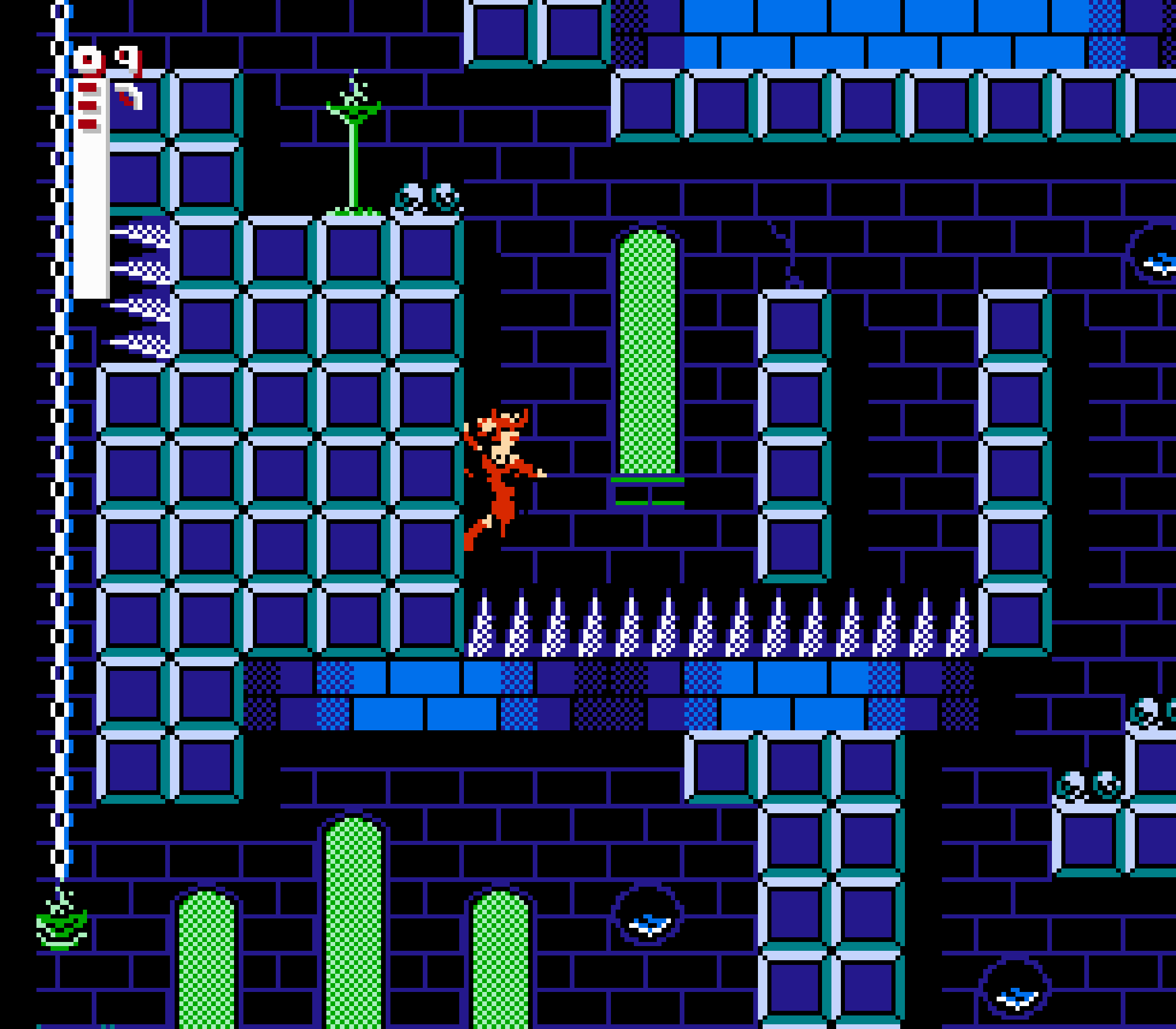
The infinite attempts give it a slight trial-and-death feel. As I played the game, I ended up routing mini-speedruns through each section. I discovered that it’s possible to consistently play the levels until you memorise an optimal path. For the latter levels of the game, this became essential as stopping to take a breath could mean death, because the rapid rate of enemies spawning would quickly overwhelm me. Completing the game felt very satisfying and I enjoyed the feel of the platforming mechanics as well as the flourish of the story.
There are surprises for those who complete the game, so I do recommend persisting until you come face-to-face with Vectre. It’s an adventure well worth experiencing!
Super Bat Puncher Demo
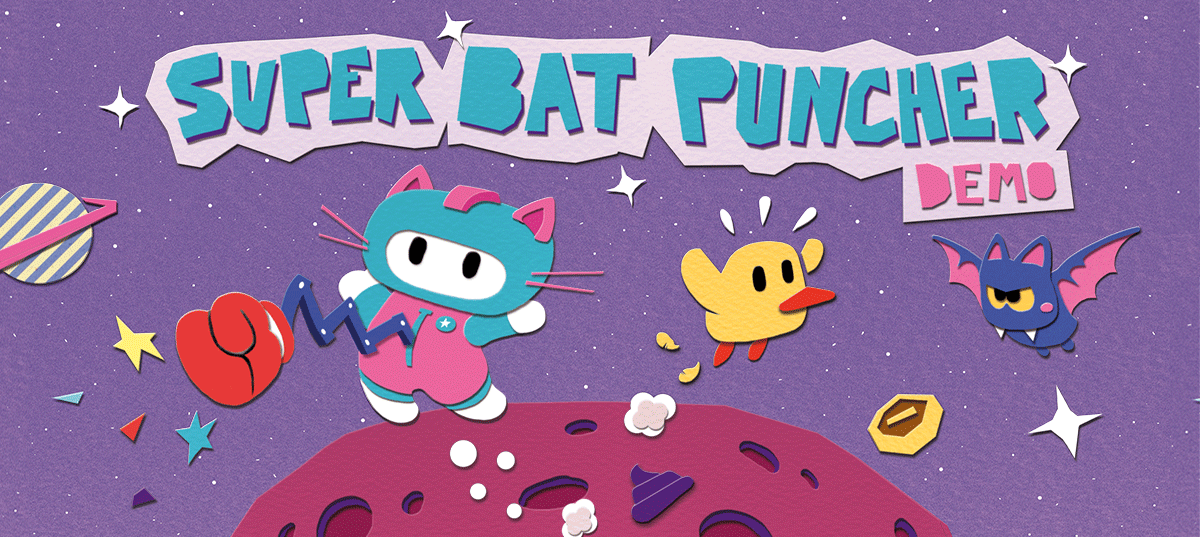
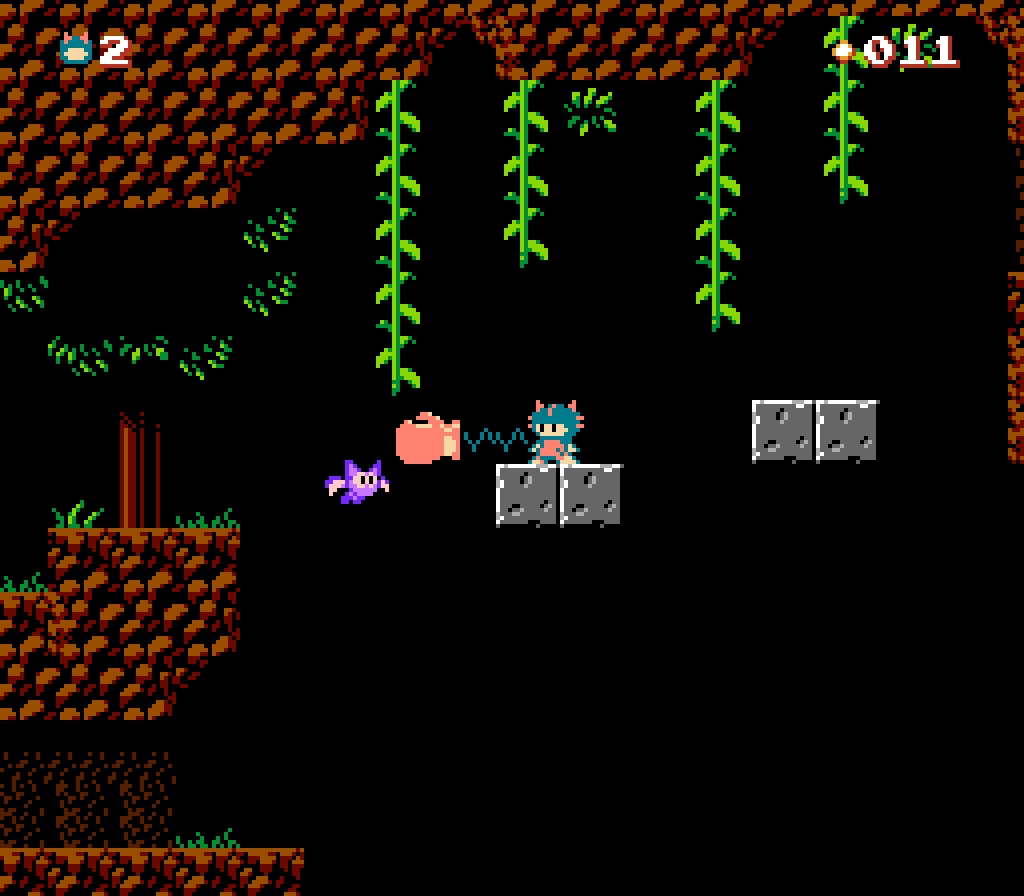
Morphcat’s entire catalogue is fantastic and Super Bat Puncher Demo is no exception. It is called “demo” because originally Morphcat intended to expand it to a larger game, but has since given up that promise. Regardless, the game that exists is novel and interesting. It teases more game content that never came.
It is also a very silly game. You take control of Captain Roast of the BEEF (Bat-Excommunication and Eradication Force) who can team up with a second player controlling Sir Loin (a flying yellow bird) to take out the explosive bats of planet BAT before they destroy Earth.
Yeah, the story is ridiculous, but the gameplay is tight!
In this little platforming adventure, Captain Roast’s primary weapon is an extending punching glove that he can use to attack the bats of planet BAT. Along the way there are upgrades to uncover such as the bowling ball rolling attack or the wall boost. Each one grants new ways to navigate through the planet and deal with the many baddies within, which aren’t limited to just bats.
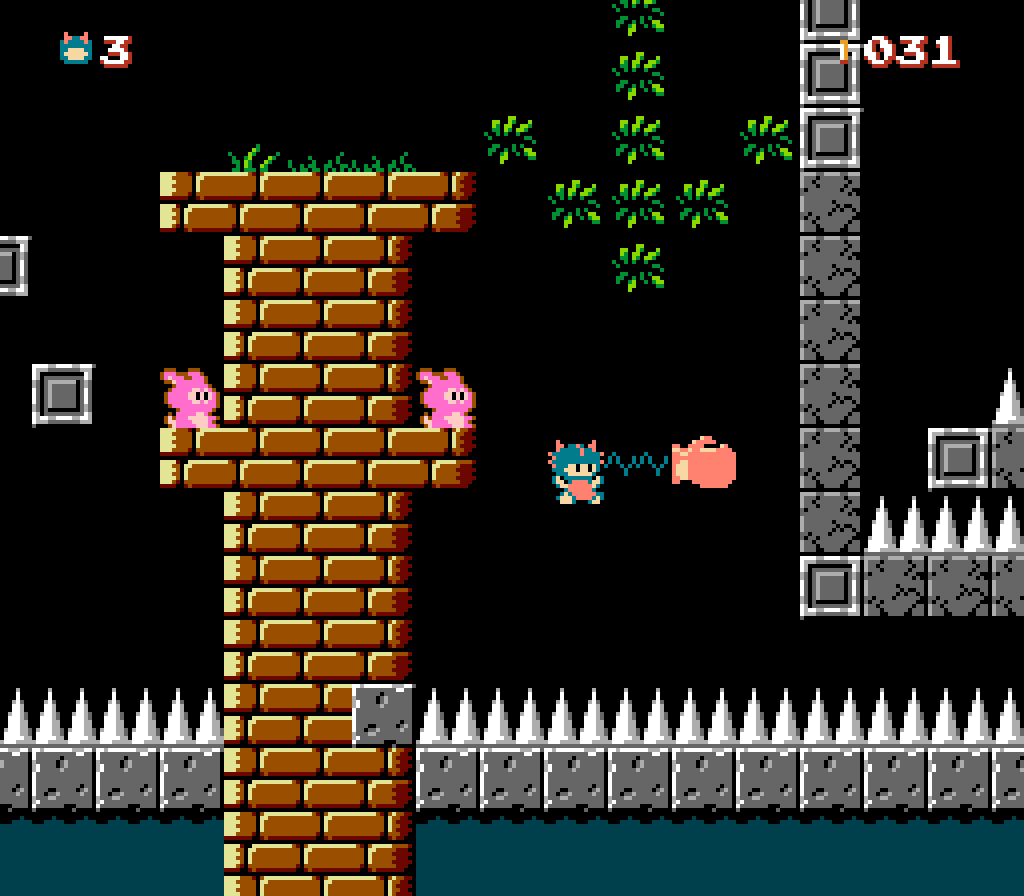
Besides the main route, there is a hidden expert area where you can really push Captain Roast’s abilities to the limit and show who is the best bat puncher of them all.
Wonderful as it is, the game is nevertheless very short and has left the entire fanbase hungry for more. Alas, it seems unlikely that it will ever be expanded to the full game that was once promised.
Super Tilt Bro
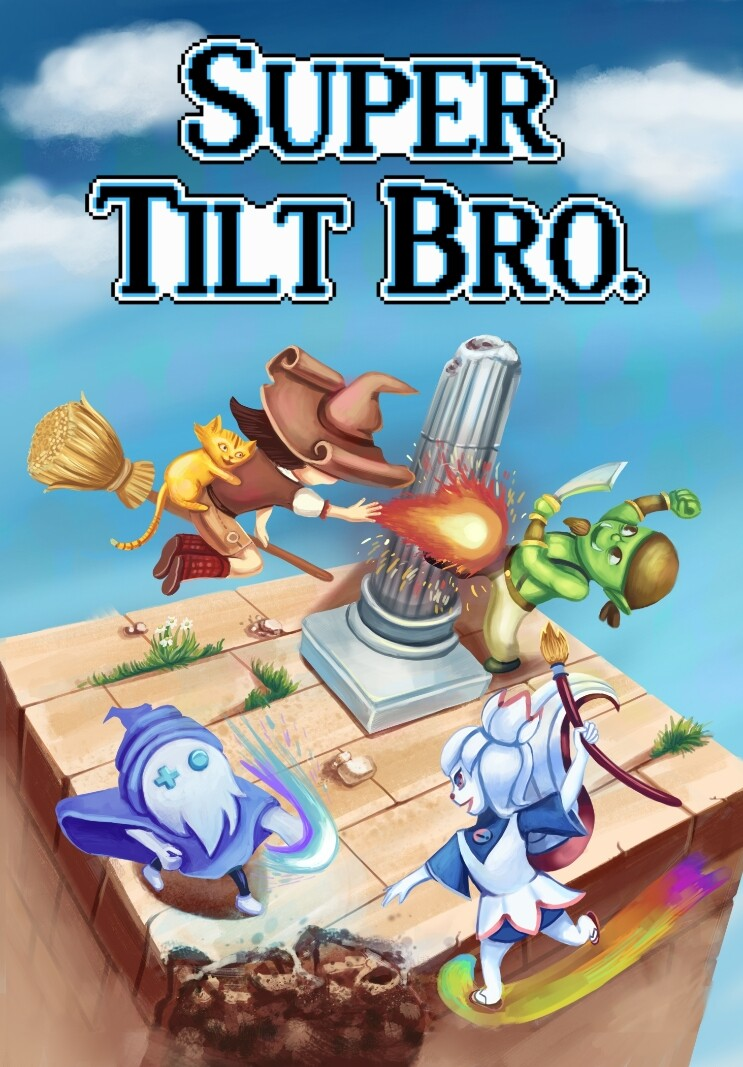
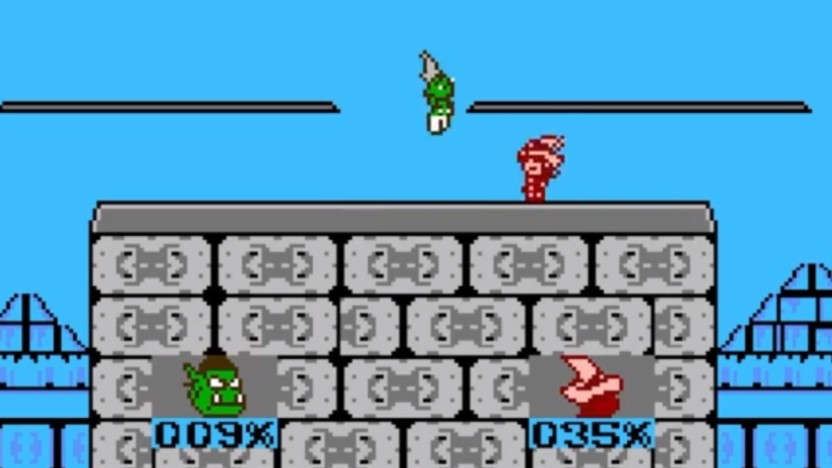
Super Smash Bros for your NES with online multiplayer. That’s the pitch. But how can the NES, a console that predates online gaming services, do this?
One of the wonderful features of the NES that gave it much of its longevity during the Nintendo-licensed era and into the present age is that it is always possible to augment its capabilities via extra hardware in NES cartridges. This happened pretty quickly in the 1980s as cartridges used fancy memory mappers to increase the amount of data that an NES game could use. In modern times, people realised that there’s no theoretical limit to how much the extra hardware in an NES cartridge could do, so why not stick a wifi chip in there?
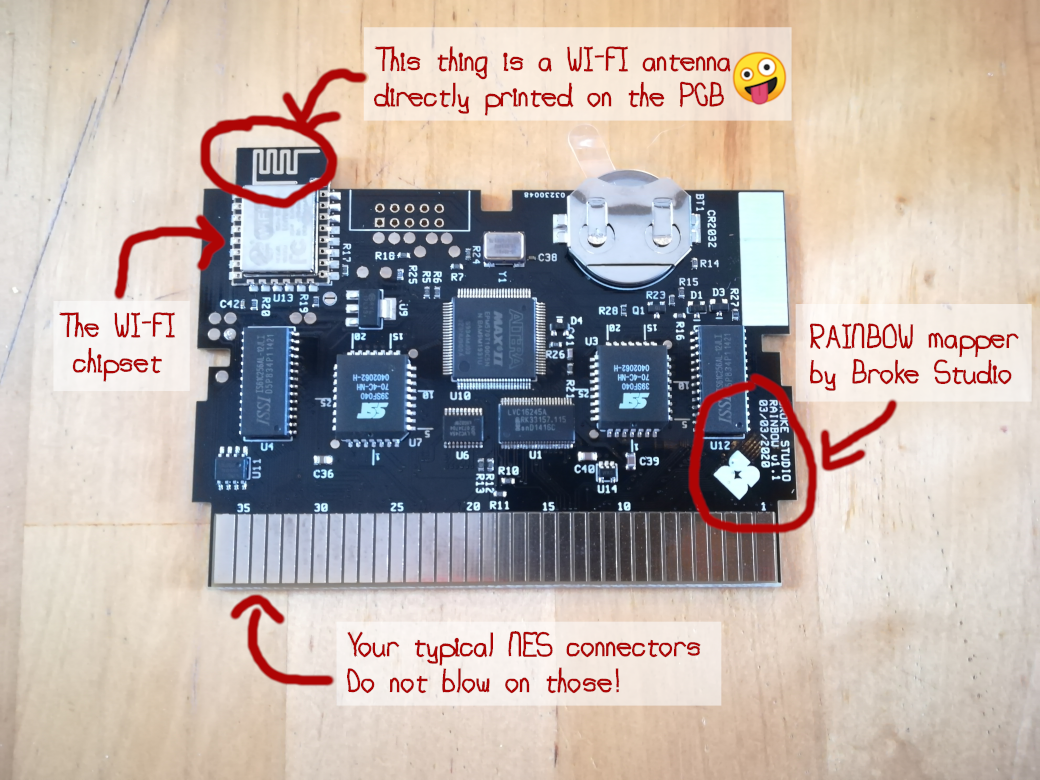
With this, it’s time to flesh out the game.
Super Tilt Bro’s base game is about four characters from the open source and video game worlds battling for supremacy. There is Sinbad, the mascot of the OGRE 3d rendering engine, Pepper and Carrot of David Revoy’s art, Kiki the Krita mascot, and the Video Game Sage of the eponymous message board. If you install the latest DLC as of this writing, you will also get Sunny of Super Sunny World. (I’m very amused that she first appeared in a side game before her own game was officially launched.)

It is a thrilling novelty to see your humble NES connect to the internet and download an update to get a new character or the latest improvements.
The game has gone through many rounds of rebalancing so that each character feels good to play. It also supports cross-play with its free web version hosted on itch.io (with rollback netplay, natch), so as long as you can find an opponent, there is always a way to play. There is also a single-player story campaign, but of course the online features are the big draw.
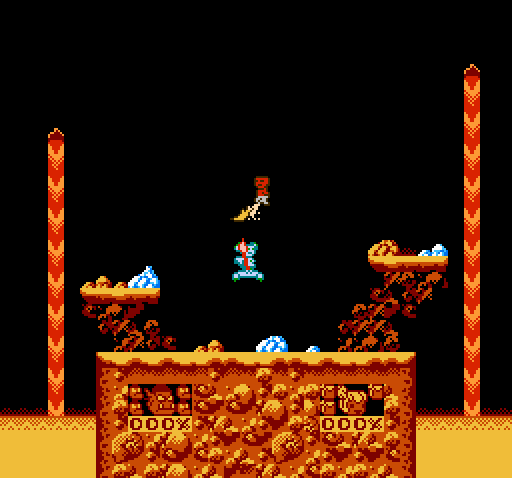
Regular tournaments are still being held as of this writing. Maybe I’ll see you there some day!
The Trial of Kharzoid
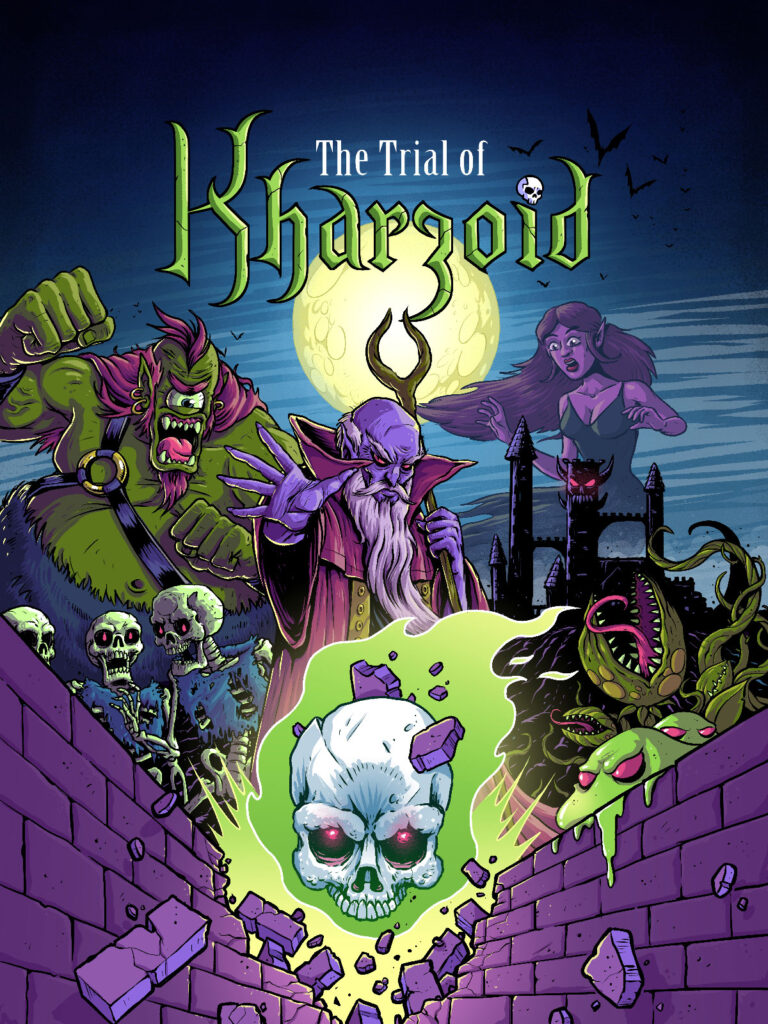
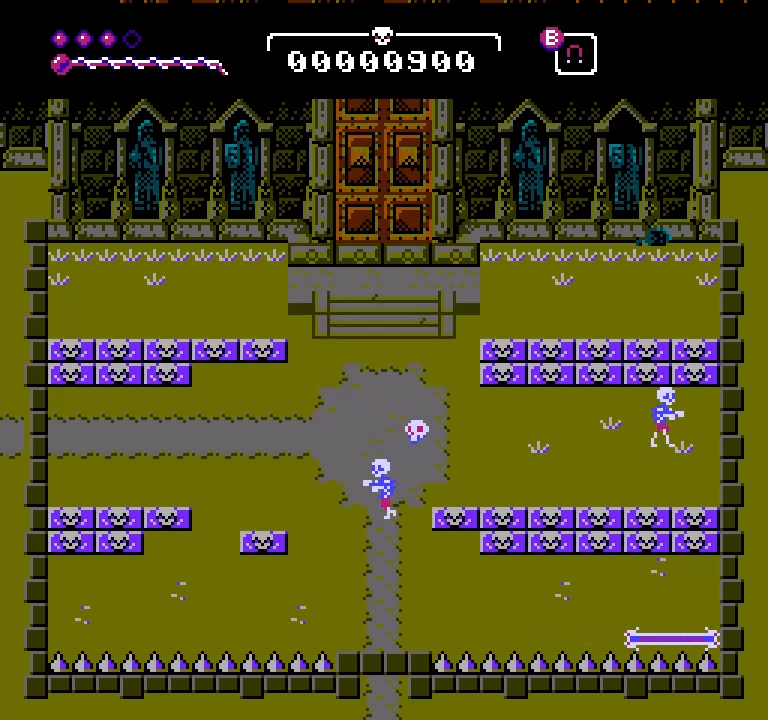
It sounds a bit crazy that you can just jam together any two genres and get a good game, but that’s exactly what happened here: Pascal Belisle combined Arkanoid with exploration that expands as you acquire abilities, creating an Arkanoidvania.
Here is an interview. In the second half, the Kharzoid author describes his game.
The story is that the maleficent necromancer Kharzoid has devised a diabolical trial in which hapless victims are reduced to their skulls and forced to endure a dungeon full of monsters. Nobody has won the trial, but our nameless hero decides to submit himself to the Trial in hopes of breaking Kharzoid’s grip over the people and killing him once and for all.
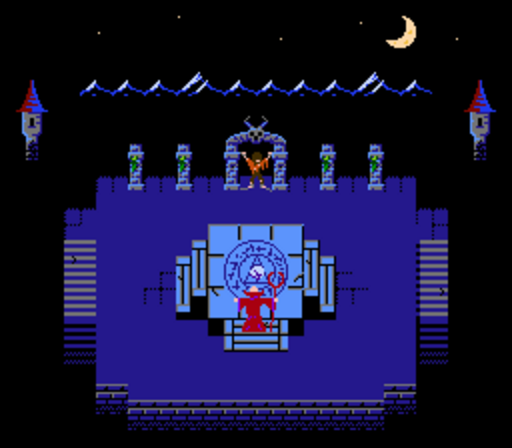
The Trial, of course, is your skull bouncing around with the help of a paddle or paddles as is traditional in Breakout/Arkanoid mechanics. The game keeps the core mechanic fresh while adding an exploration element. After each board is cleared, you can pick which direction to explore in the dungeon and see what other ordeal lies within. The atmosphere is suitably spooky, and the exploration is more than a gimmick: you encounter townsfolk and find upgrades along the way, both of which provide invaluable aid against the horrors that Kharzoid has in store for you.
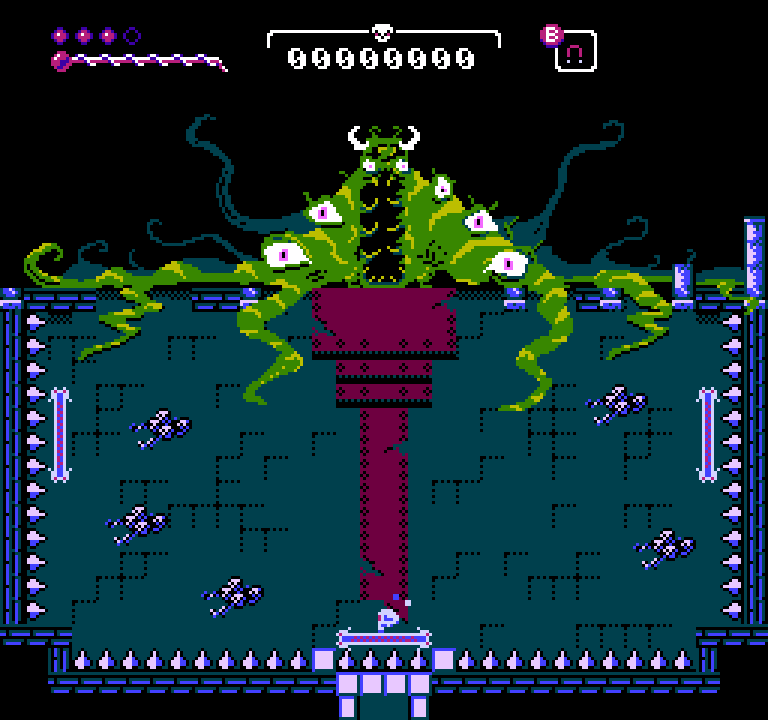
The boss fights do not disappoint either. If you’ve ever heard of Strikey Sisters or Firestriker and you enjoyed them, give Kharzoid a try too… or a trial.
Twin Dragons
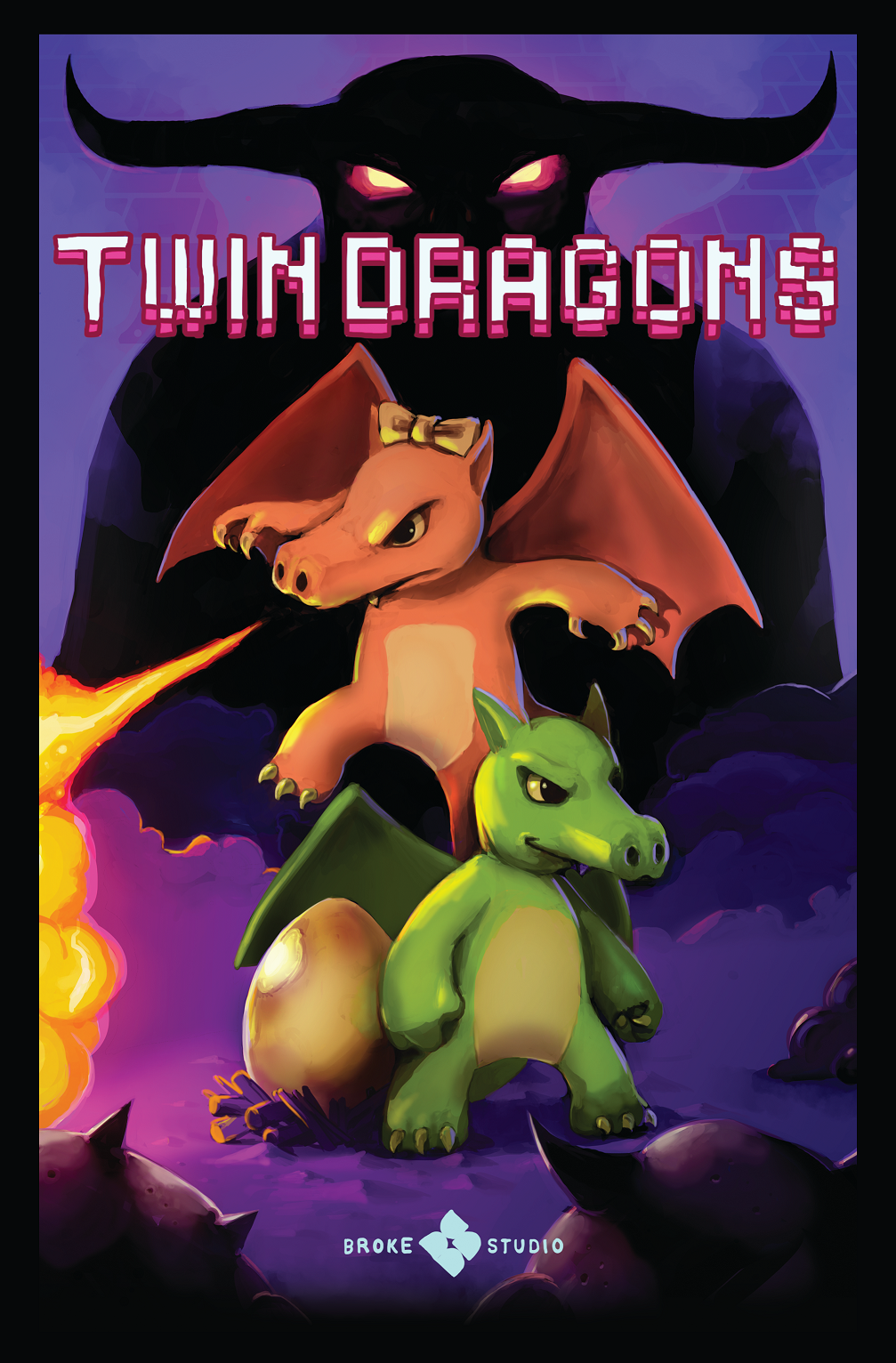
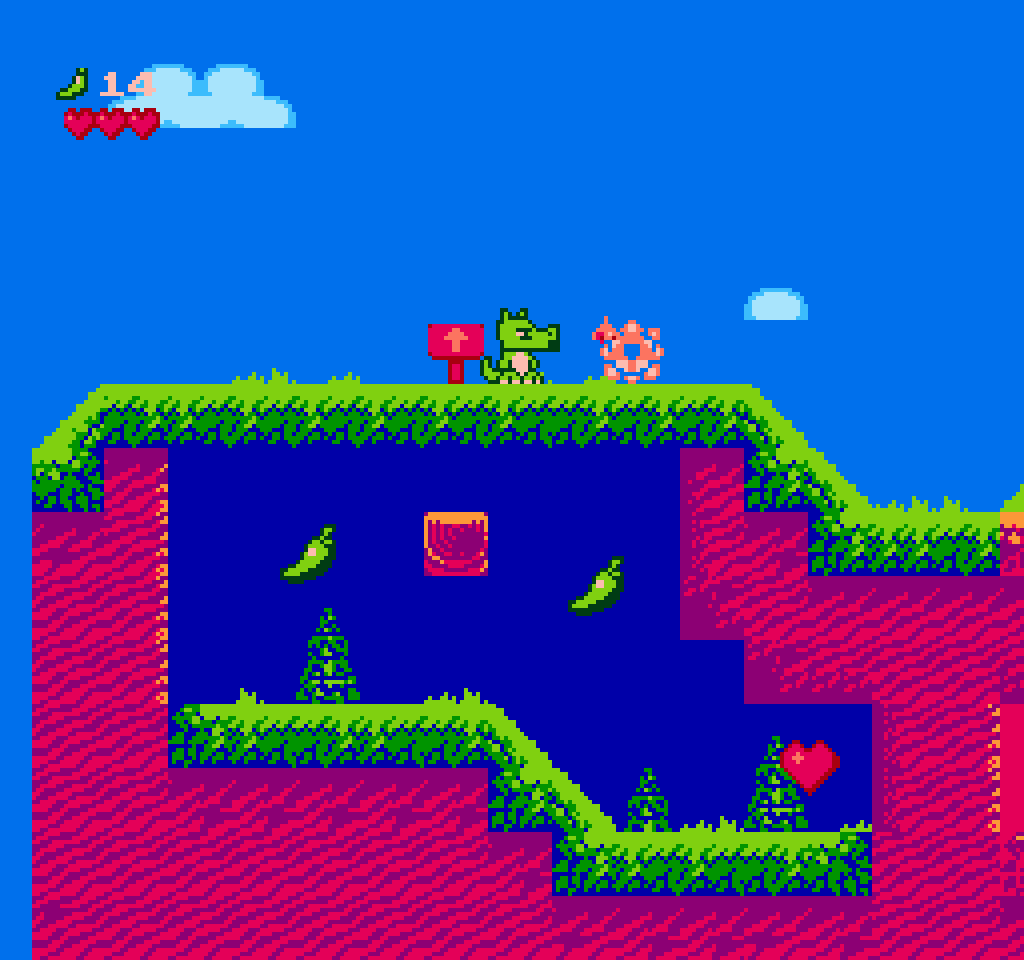
Funny thing, this game was the first one that clued me in to the existence of modern NES games. The game came out in 2017. It tells the story of Dinky and Minky, the titular dragons, on their quest to rescue their unhatched sibling from the sorcerer who stole the egg.
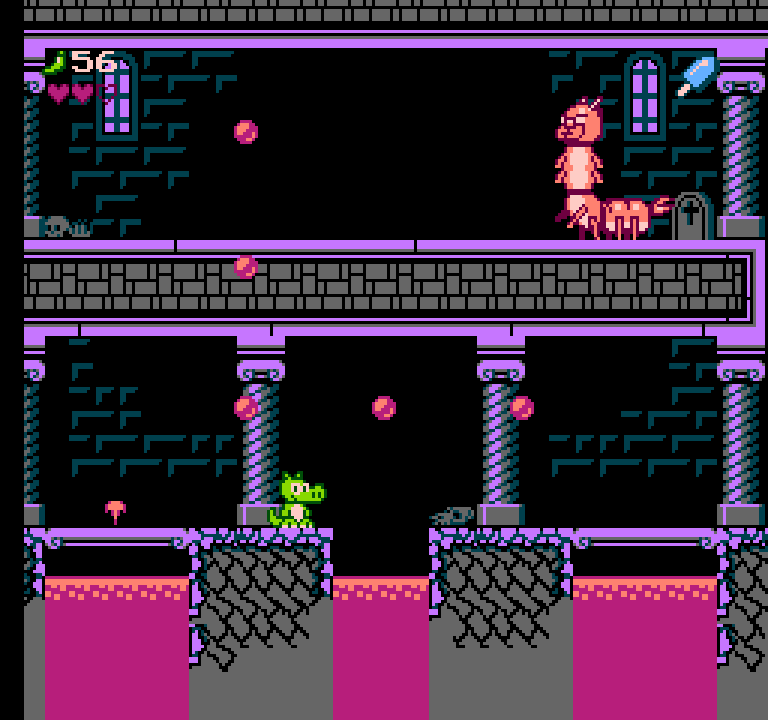
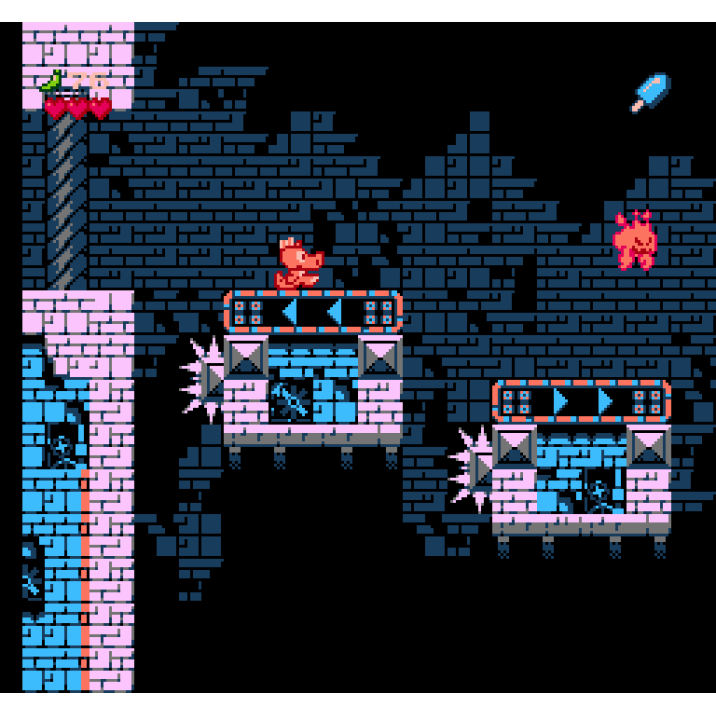
Mechanically, it is a conventional horizontally scrolling platformer. You begin controlling Dinky, the green dragon, and complete a few levels. Then you play a few levels as his sister Minky. After collecting the appropriate power-up, Dinky can breathe high-powered fireballs, while Minky can shoot ice blasts and fly. After a few levels, the two dragons reunite and you can freely change between them at any time in order to clear the final levels.
For me, this game’s claim to fame is that it kickstarted the creation of Homebrew Factory, an enterprise that has been running for a few years now, cranking out physical copies of many other games for the NES and other retro consoles. I first obtained this game and realised that people were creating full-fledged adventures on the old console, worthy of consideration.
The game itself is fun. I enjoy its mechanics, its slightly unusual story (rescuing eggs instead of princesses is a new one), and the overall challenge it presents. The visuals and soundtrack are appealing. I am grateful that Twin Dragons paved the way for other NES games.
Undercover Shot
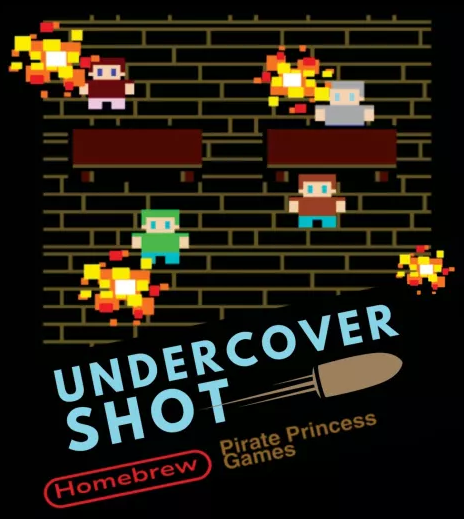
This game has a very simple but original premise. It requires two players. One controls the undercover impostor with a gamepad and selects their outfit’s colour. The second player has to shoot the impostor with a Zapper. Yes, it’s a Zapper game!
There are four characters on screen, and they all move in semi-random patterns. The impostor has to move like an NPC and go unnoticed. If the shooter hits the impostor, the shooter wins. Otherwise, if the shooter hits an innocent bystander, the impostor wins.
That’s all. Each round is a brief game of cat-and-mouse. There is no score, no ultimate goal, no story. One player has to move like an NPC; the other has to shoot the character who moves most suspiciously. That’s all!
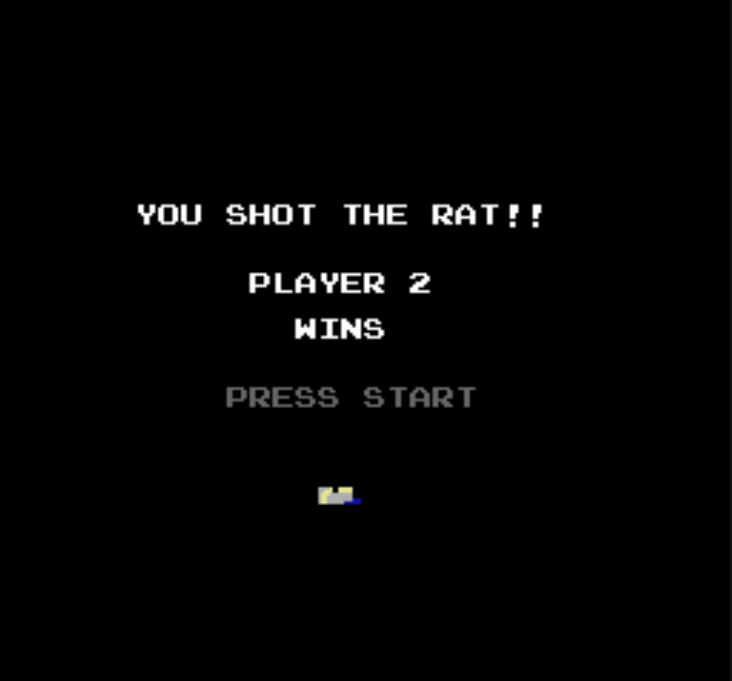
It’s a great party game. Grab a bunch of people and take turns playing the shooter and the impostor. This game was a big hit when I gave it to a bunch of kids during a birthday party. They were having lots of fun figuring out how the Zapper works, how the NPCs move, how to outsmart each other. If you ever want to liven up a gathering, try playing this game for a little while!