A Contemporary Tool, Not a Retro Gesture
The WideluxX™ is not a nostalgic return to the past. It exists alongside contemporary tools, offering a different way to create.
WHAT MAKES WIDELUXX UNIQUE
What Makes WideluxX Unique

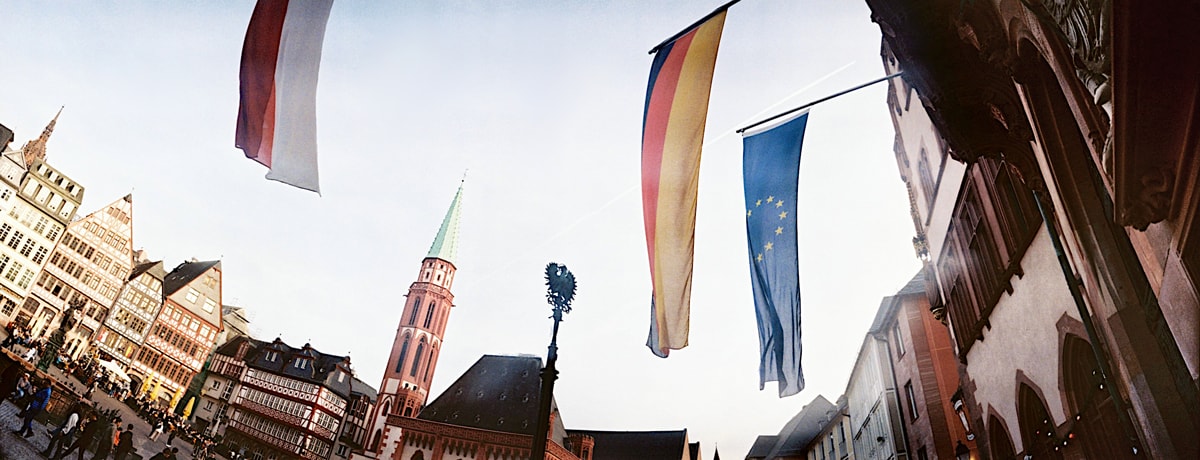
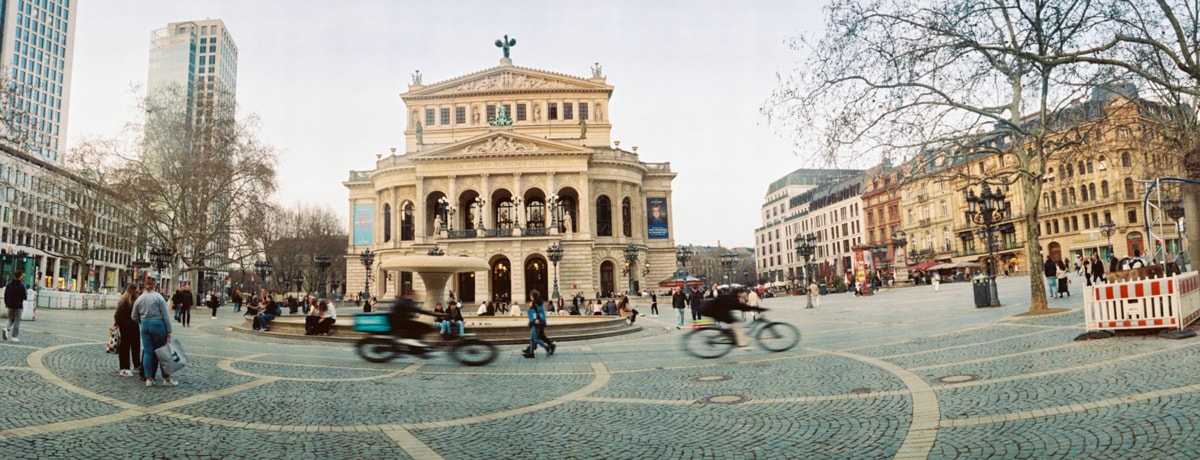
WideluxX™ reveals a scene in motion that conventional frames just can’t contain. As the lens sweeps, the photograph expands across space-time. These panoramas show environments as they are experienced, with people living their moments, architecture extending across the horizon, and time passing across the frame.
A WideluxX photograph is created physically on analog film. Light passing through the lens is captured gradually during the sweep, forming the panorama through a continuous exposure. The frame isn’t assembled afterward — it forms through motion, light, and time.
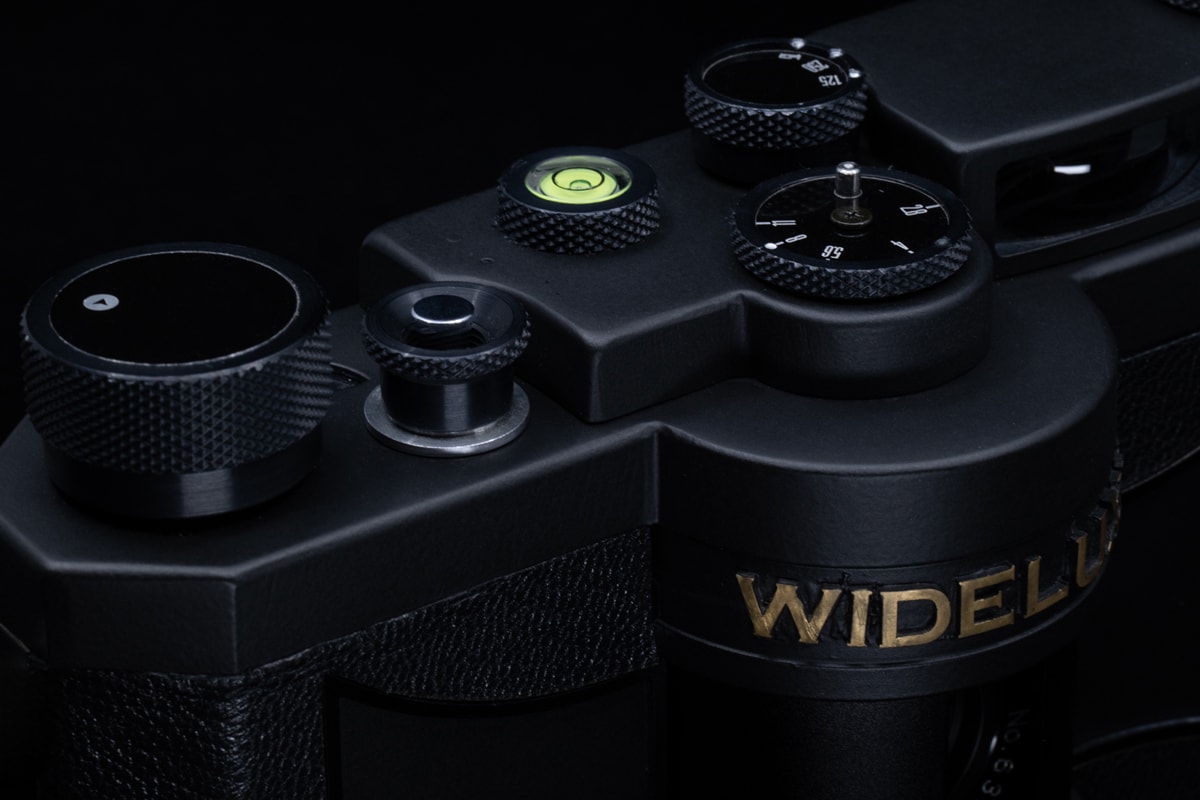
WideluxX™ preserves the heritage of swing-lens photography, brought to life in Germany through modern precision manufacturing. Carefully engineered components make the camera a photographic instrument you can rely on. It’s a swing-lens camera for today’s photographers, preserving the character of the original system through modern craftsmanship.
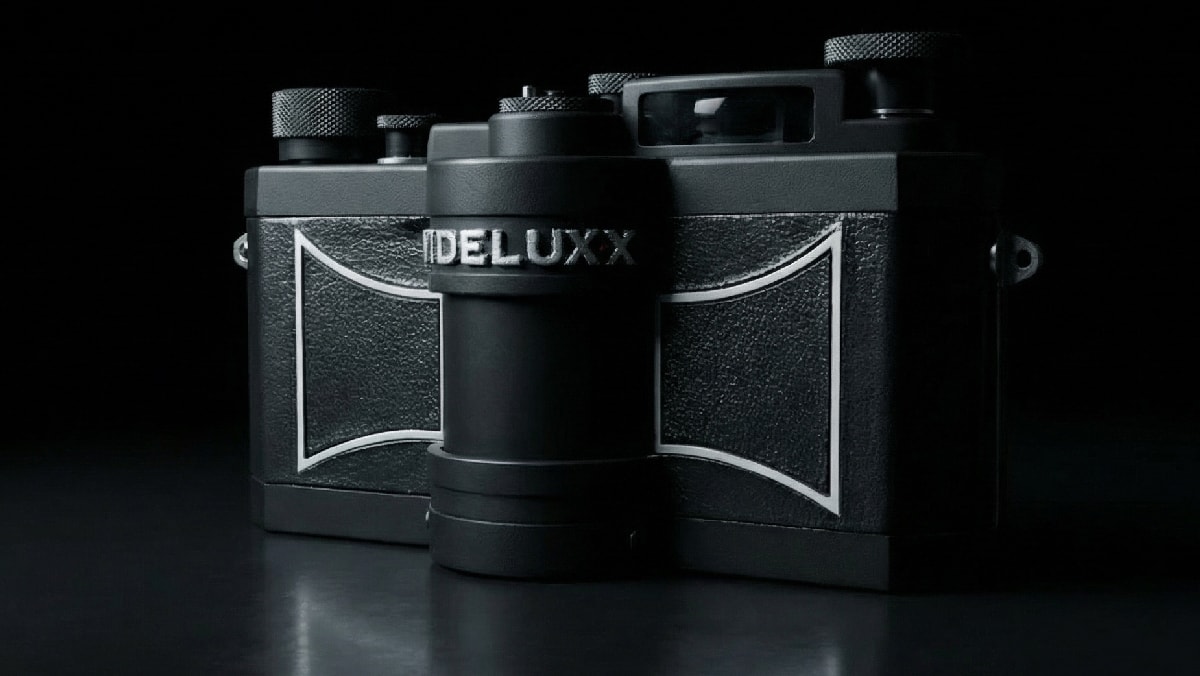
Each WideluxX™ image is created in a single continuous exposure, capturing space and time as they unfold, right in front of your eyes.
WHY SINGLE EXPOSURE MATTERS
Why Single Exposure Matters
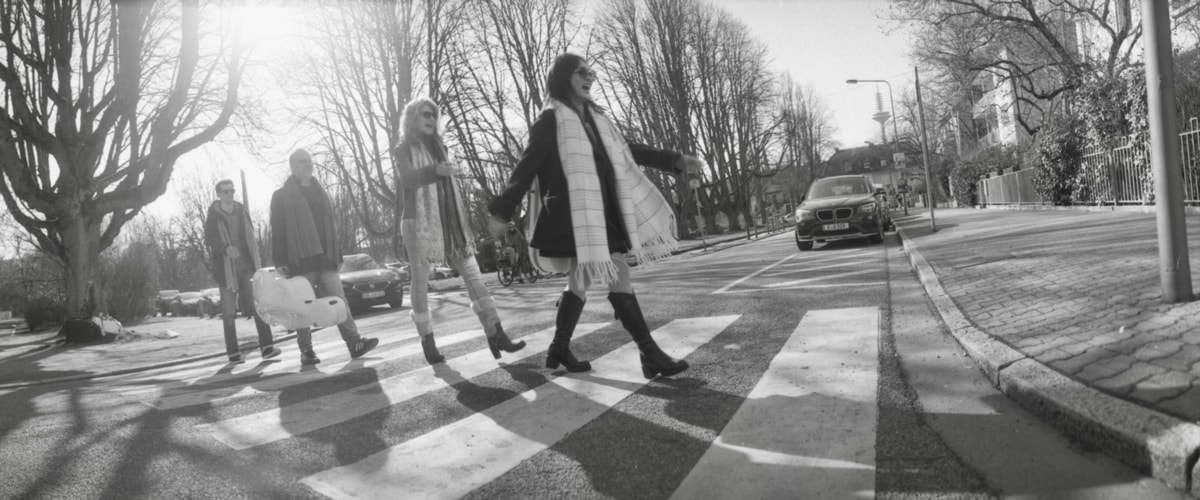
A stitched panorama merges a series of separate instants into one frame. A single-exposure panorama records a continuous passage of time. Movement and perspective are defined by the mechanics of exposure rather than post-processing alignment.
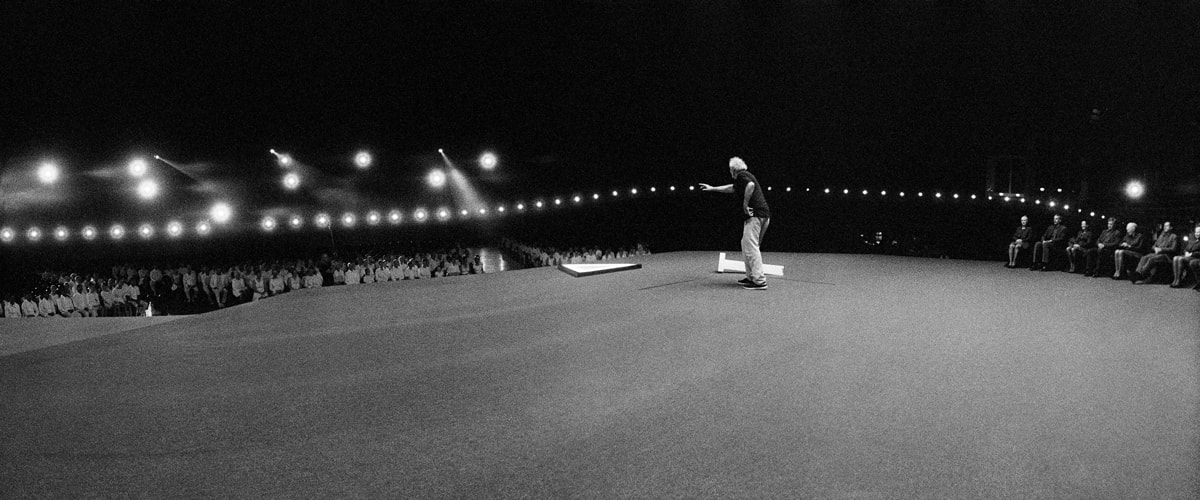
Because the frame is formed in one exposure, there are no seam transitions, alignment shifts, or computational blending. The image reflects what occurred during the sweep, without reconstruction.
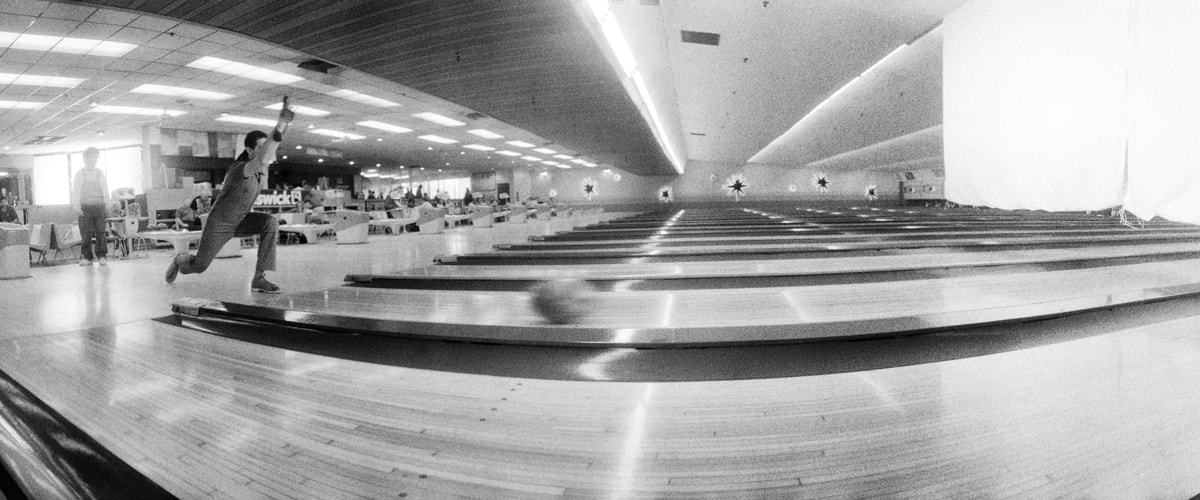
Motion is not frozen or corrected. Subjects moving through the frame contribute naturally to the final image as the lens rotates, producing results that reflect duration rather than a single static instant.
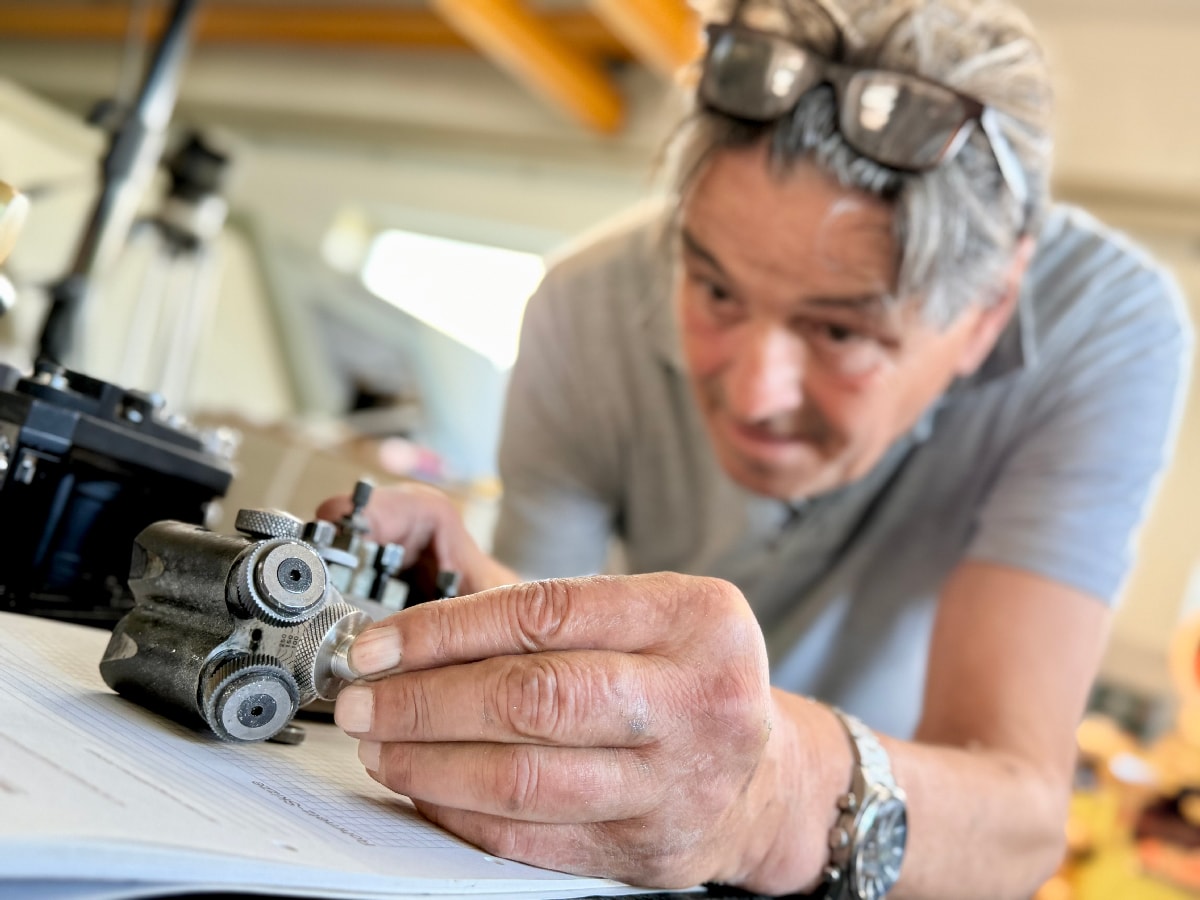
WideluxX™ Prototype 0003
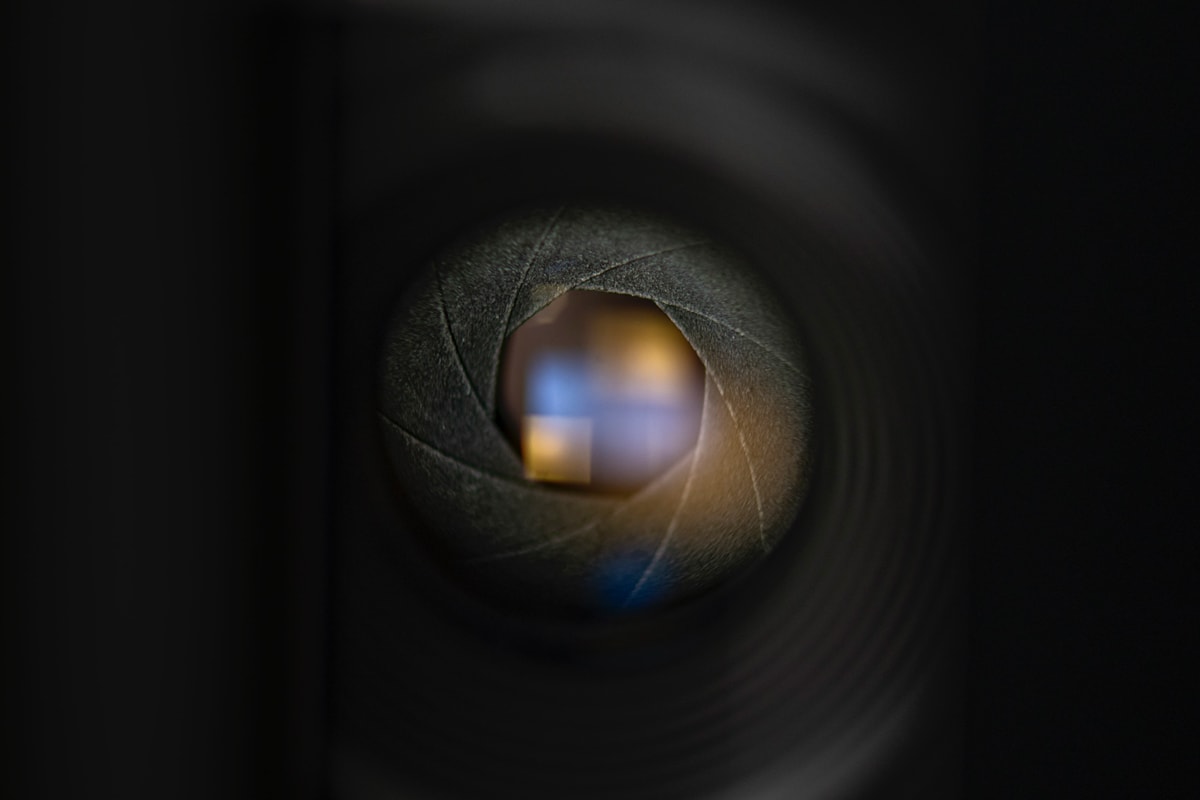
The rotating lens exposes the film through a narrow slit. Each segment of the frame receives light sequentially as the lens sweeps across the scene, forming a continuous panoramic image.
Because the lens remains centered as it rotates, light reaches the film evenly across the entire frame. This produces consistent exposure from edge to edge.
At 1/15 second, the full sweep lasts approximately 2.5 seconds in real time. Each portion of the frame, however, is exposed only briefly as the slit passes, allowing sharp handheld images at speeds that would normally require a tripod.
Focus is fixed from 1.5 meters to infinity. Depth of field is controlled by aperture selection. At f/11 most scenes remain sharp from several feet to infinity, while wider apertures narrow the sharp range for selective emphasis.
WideluxX™ fits naturally into existing analog workflows, using standard 35mm film and familiar processing methods.
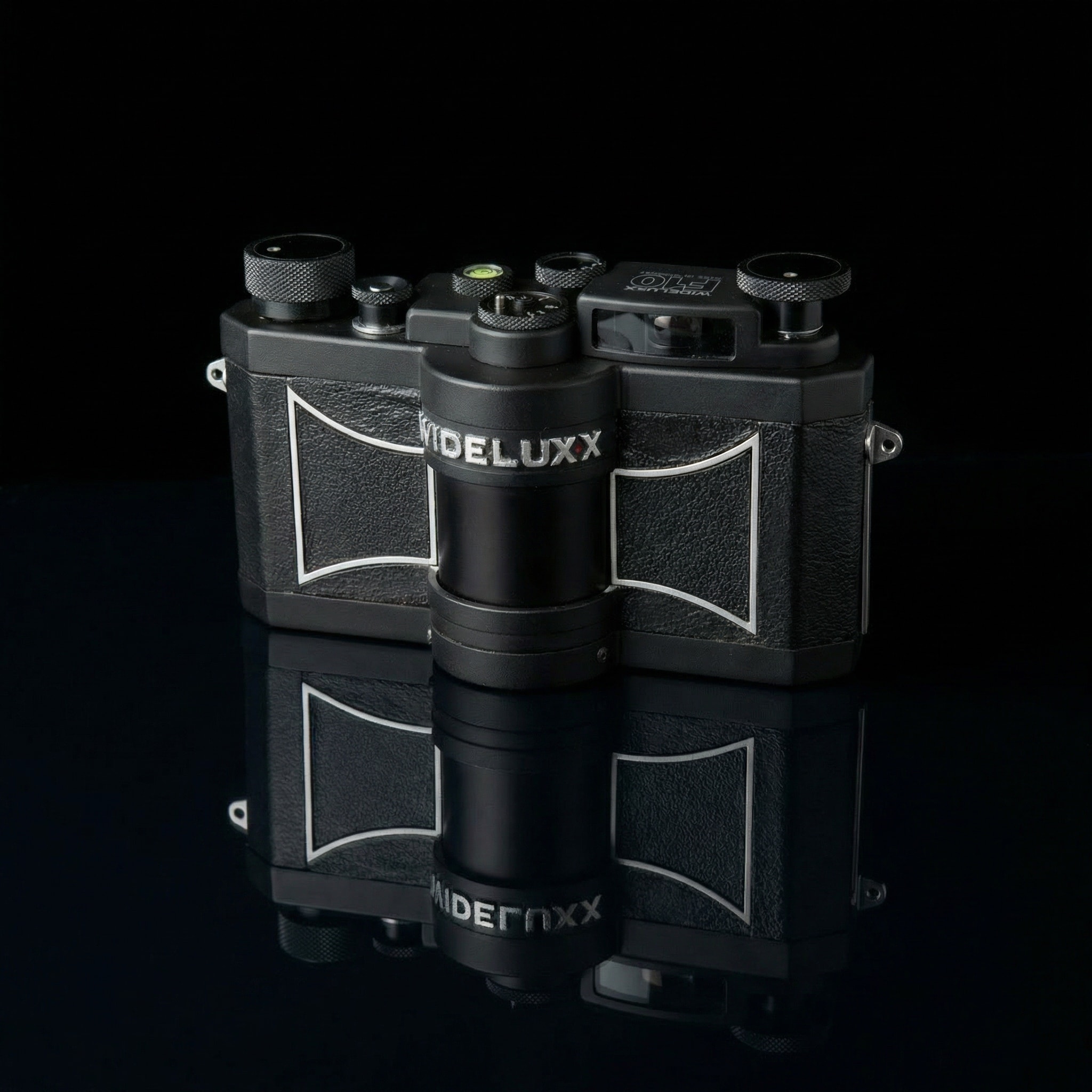
WideluxX™ Prototype 0002
Fully Mechanical Analog Camera
- Film Type
- Standard 35mm
- Image Format
- 24×58mm
- Images per 36-image roll
- Approx. 21
- Lens
- 26mm f/2.8
- Shutter Speeds
- 1/15, 1/125, 1/250 second
- Viewing Angle
- 140° diagonal (126° horizontal)
- Aperture
- Manual, f/2.8–f/11
- Focus
- Fixed, from 1.5m (5 ft.) to infinity
- Mechanism
- Rotating slit shutter (swing lens)
- Weight
- Approx. 880g (1.9 lb.)
How This Fits Into Your Workflow
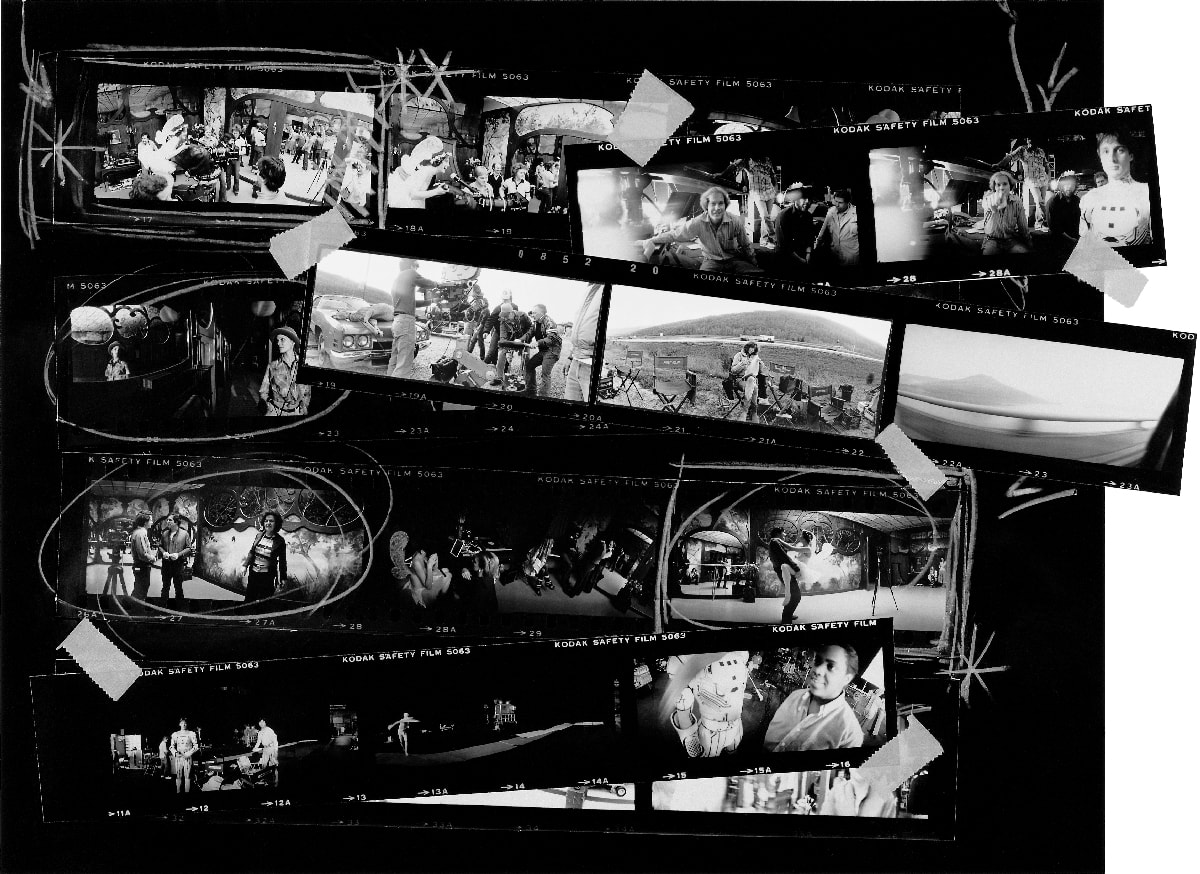
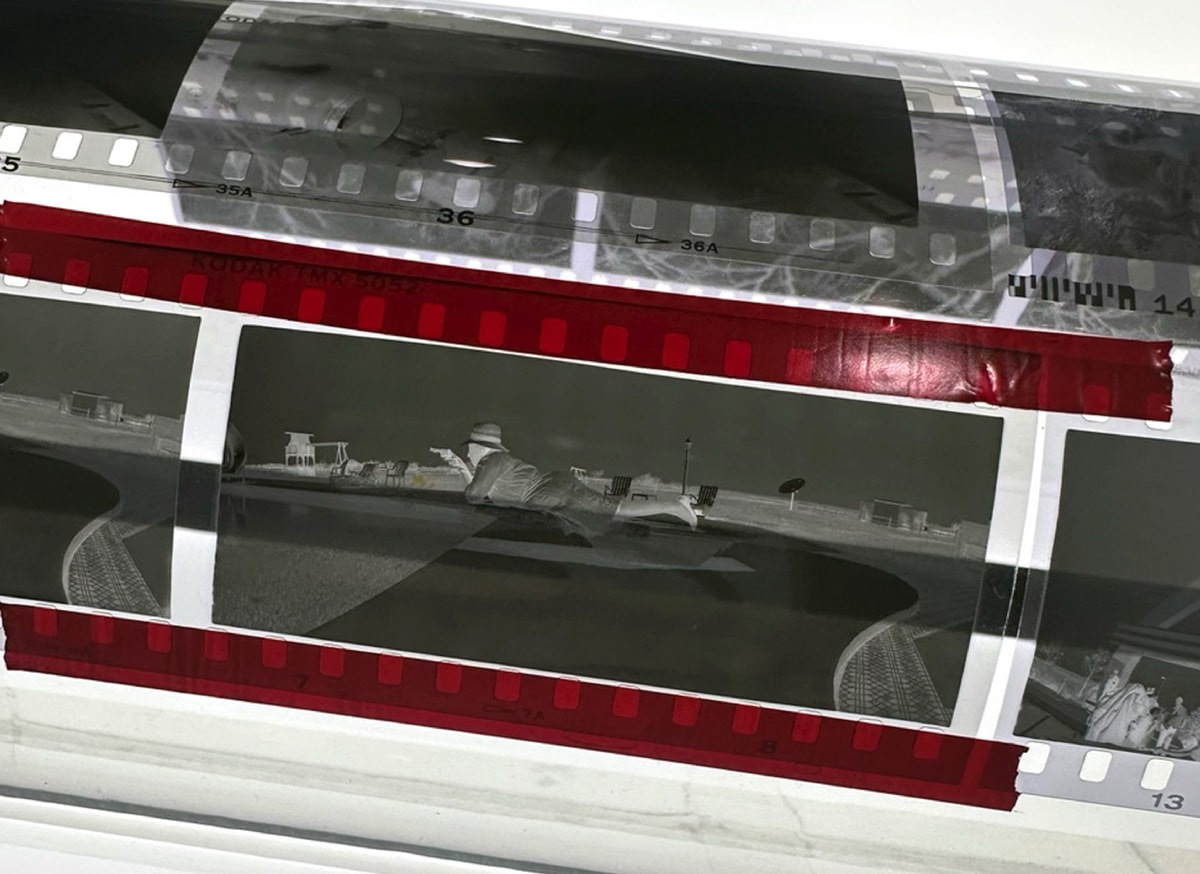
The film can be developed through any conventional lab or home darkroom process without requiring special chemicals.
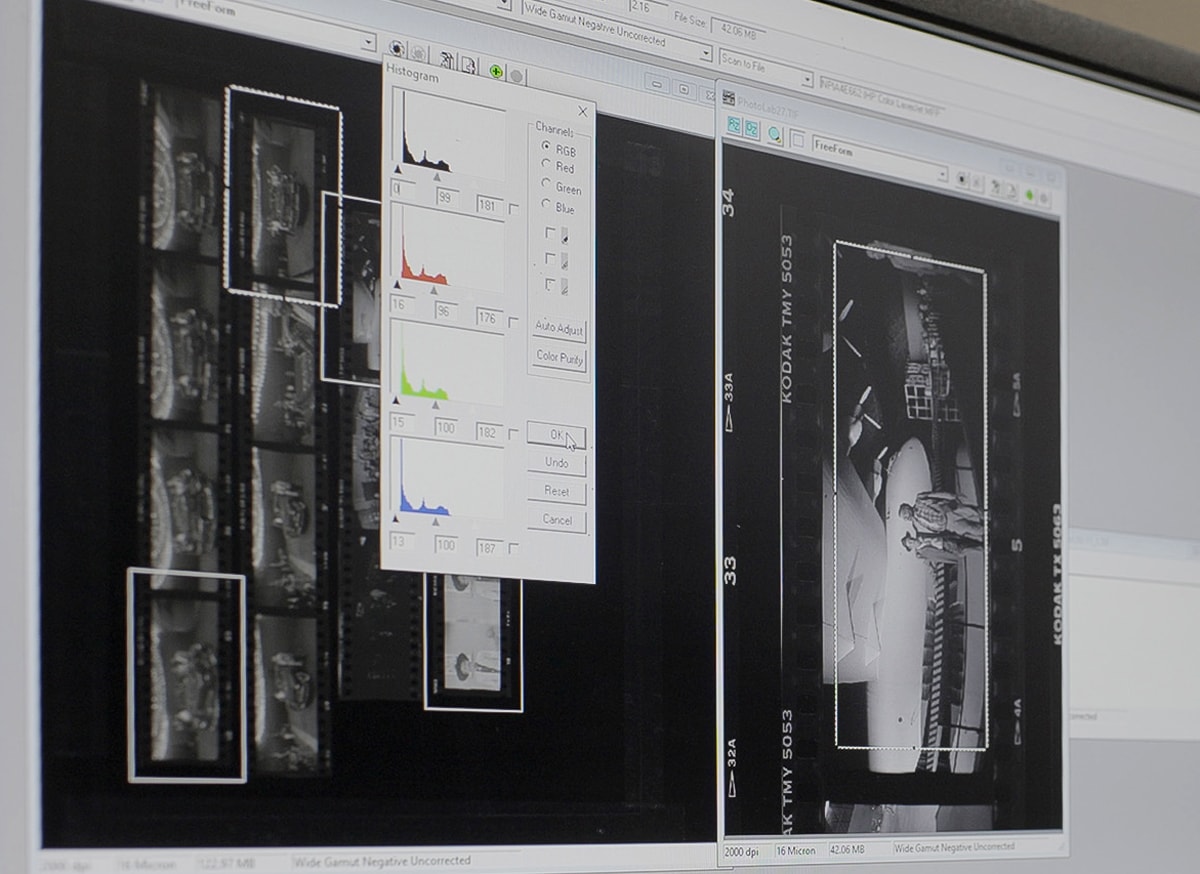
Panoramic frames can be scanned using existing 35mm scanners. Digital files integrate easily into modern editing, printing, and archival workflows.
The camera emphasizes decisions made at exposure, but images can still be adjusted or refined using familiar digital tools when desired.
WideluxX™ is for photographers who enjoy shaping an image through timing, movement, and perspective — and for those drawn to finely made mechanical cameras.
WideluxX™ appeals to photographers who enjoy hands-on creation and to those drawn to finely made mechanical devices.
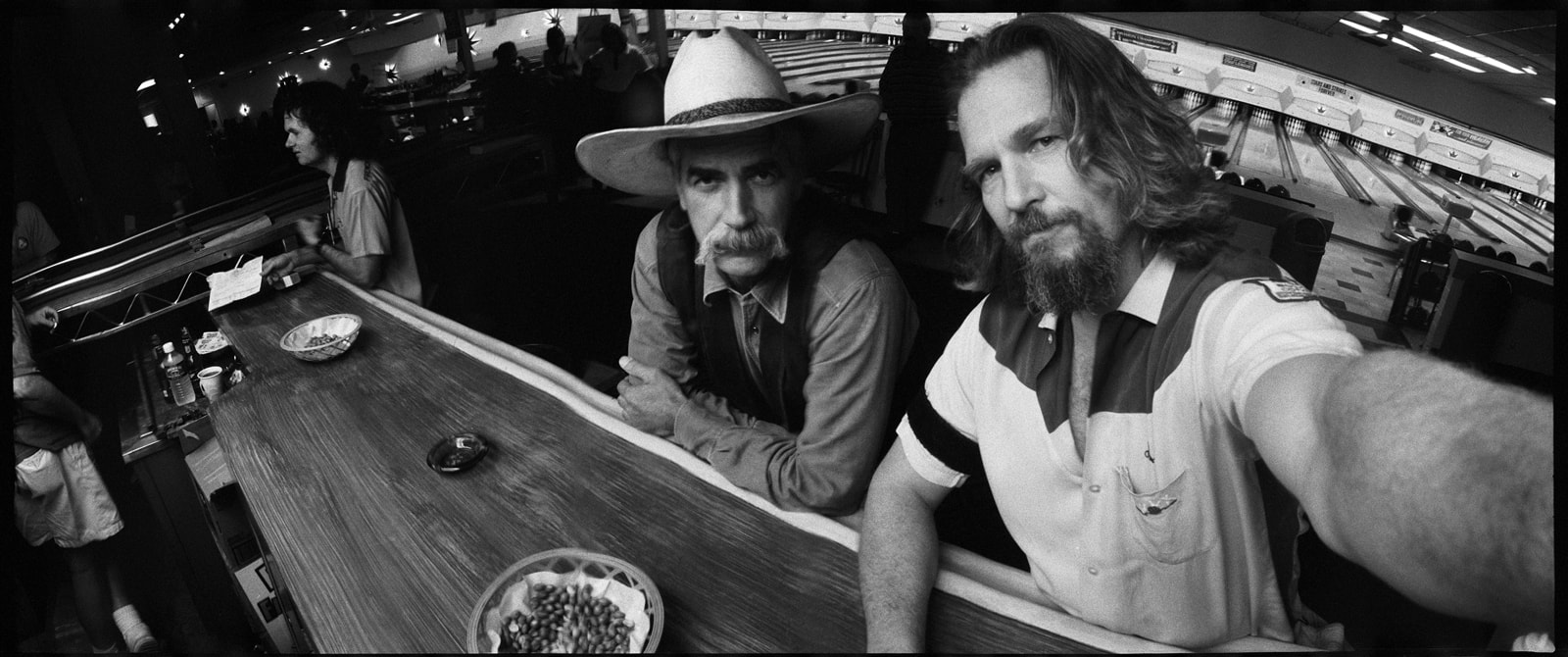
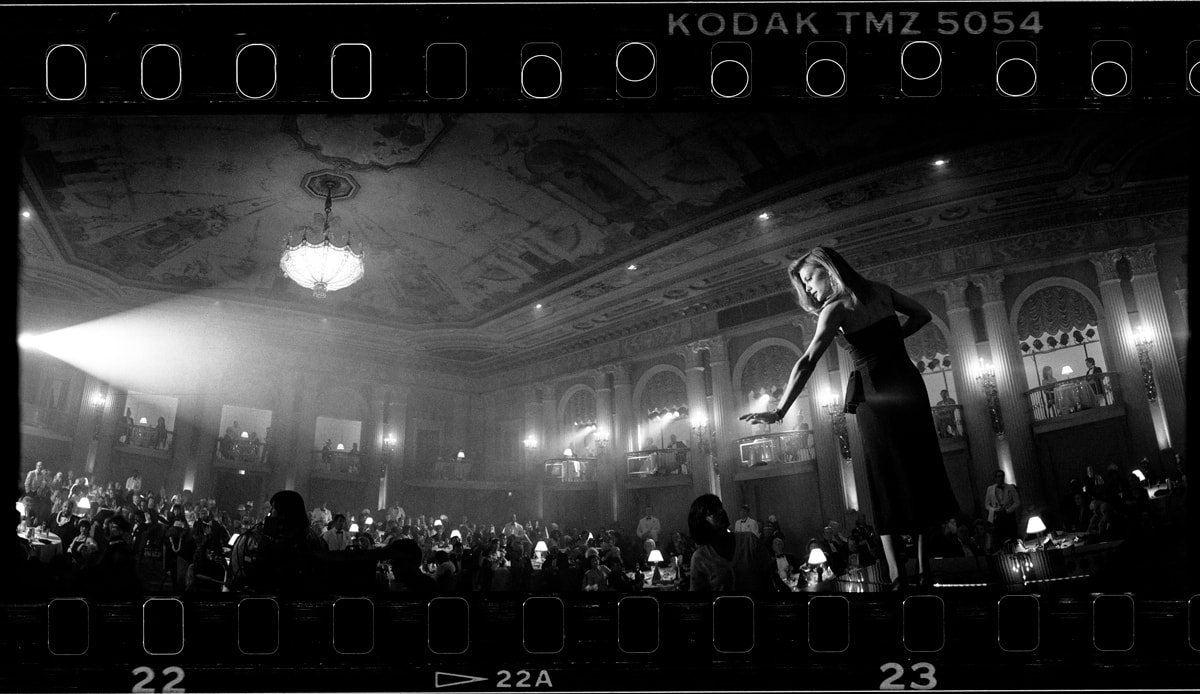
WideluxX shines in environments where space and motion contribute to the image. Landscapes, architecture, street scenes, and group portraits benefit from the extended field of view and the continuous sweep of the exposure.
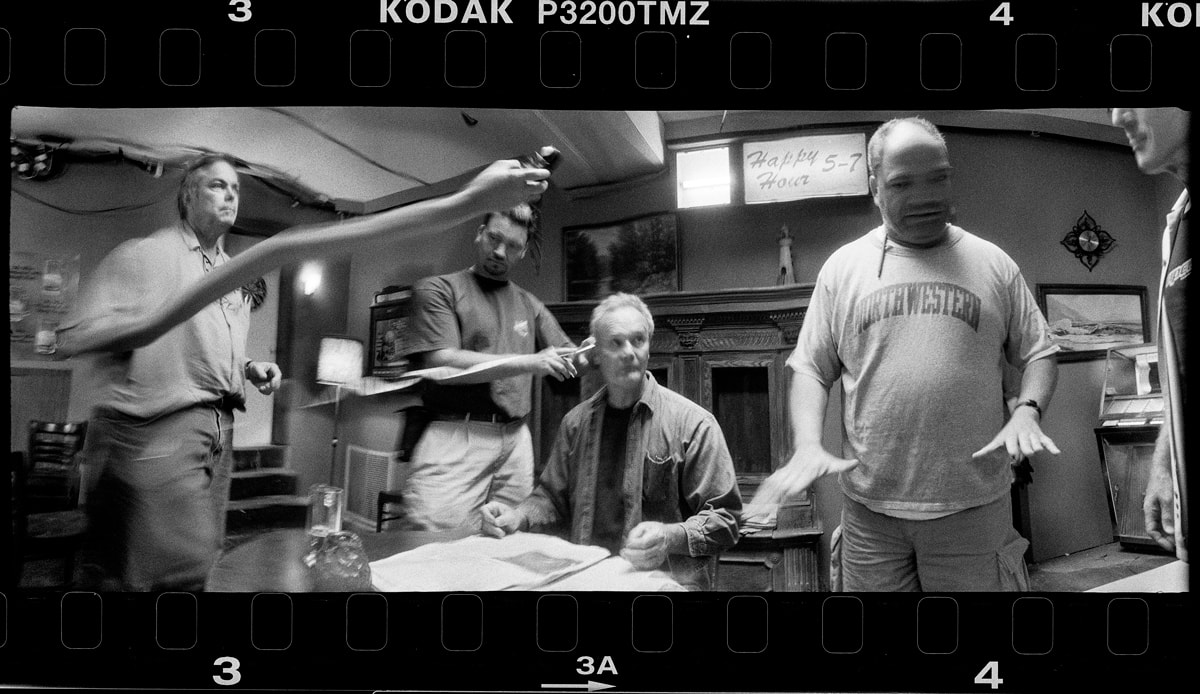
Swing-lens photography rewards attention to motion, timing, and framing. The camera itself is mechanically straightforward, but the results become more interesting as photographers learn how movement and perspective shape the panorama.
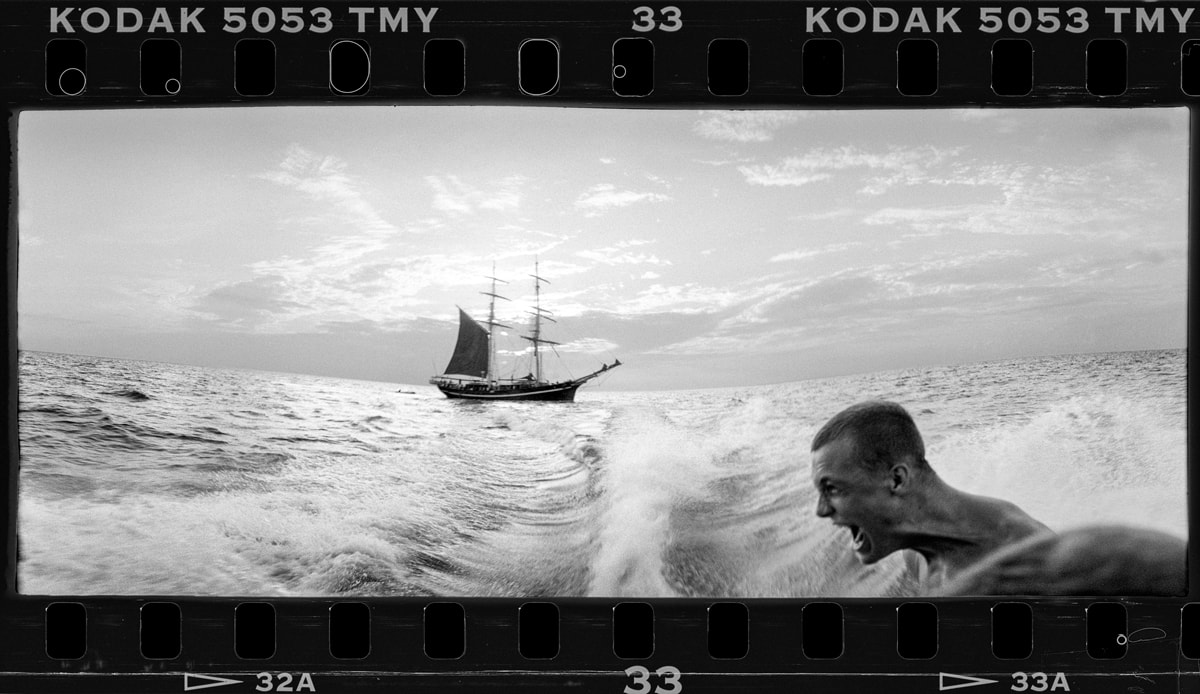
Photographing Deliberately
WideluxX isn’t designed for rapid sequential shooting, close macro work, or automated exposure adjustments. It encourages a more deliberate way of photographing.
Working with WideluxX™ means allowing space for surprise—images shaped by light, movement, and the unfolding moment.
All photos in this gallery were taken on WideluxX prototypes.
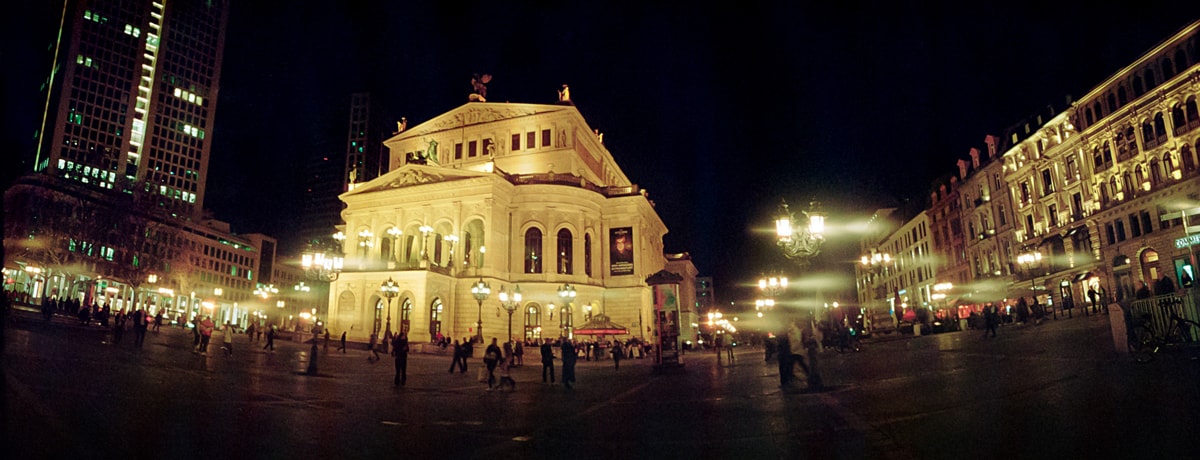
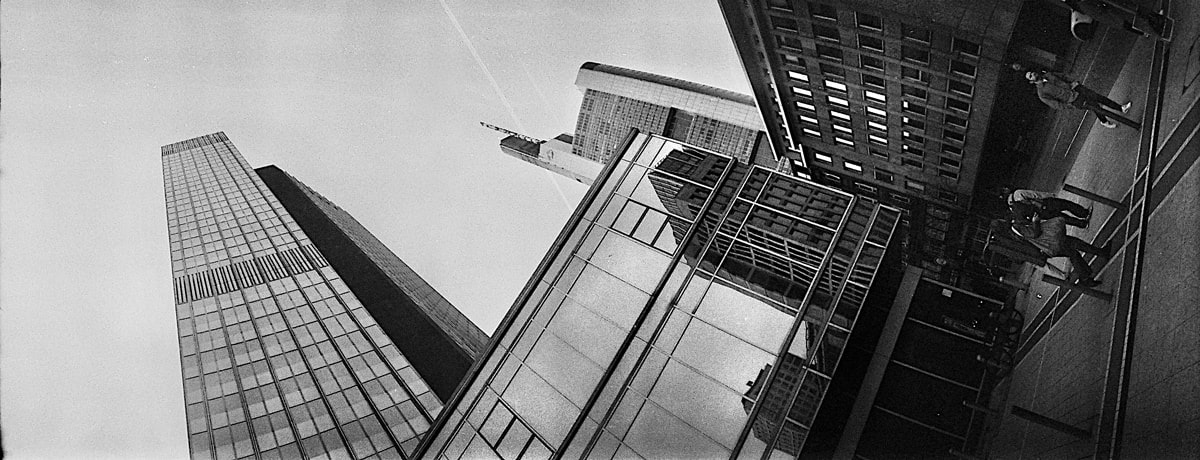
Architectural Photography
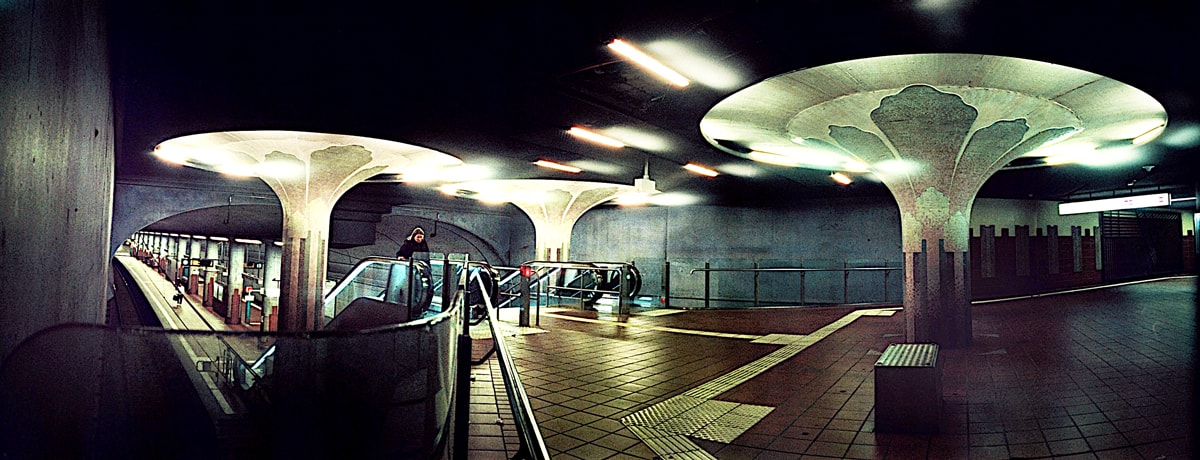
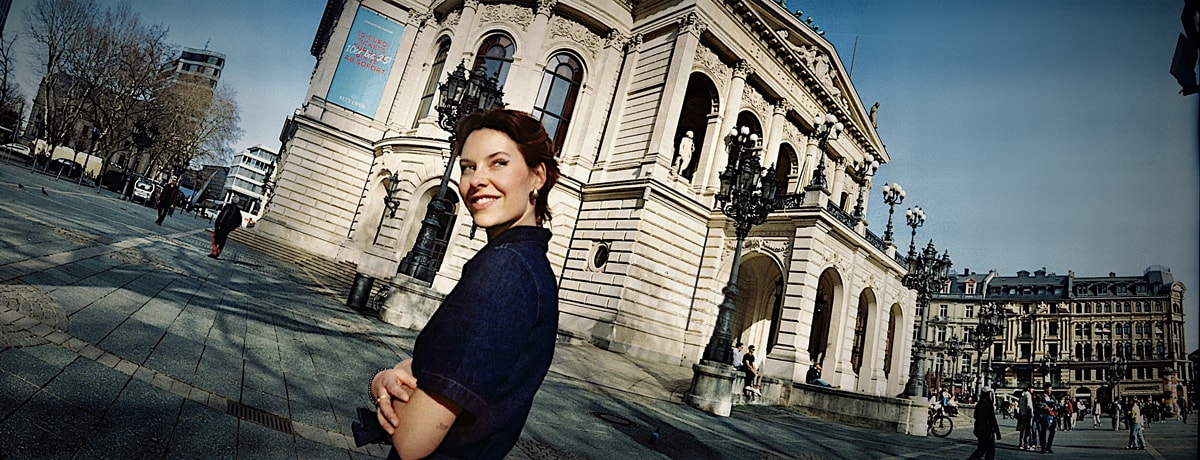
WideluxX™ vs. Widelux F8
Inspired by the original Widelux F8, the WideluxX™ preserves its character while updating materials and manufacturing to modern standards.
WHAT'S CHANGED AND WHAT HASN'T
What's Changed and What Hasn't
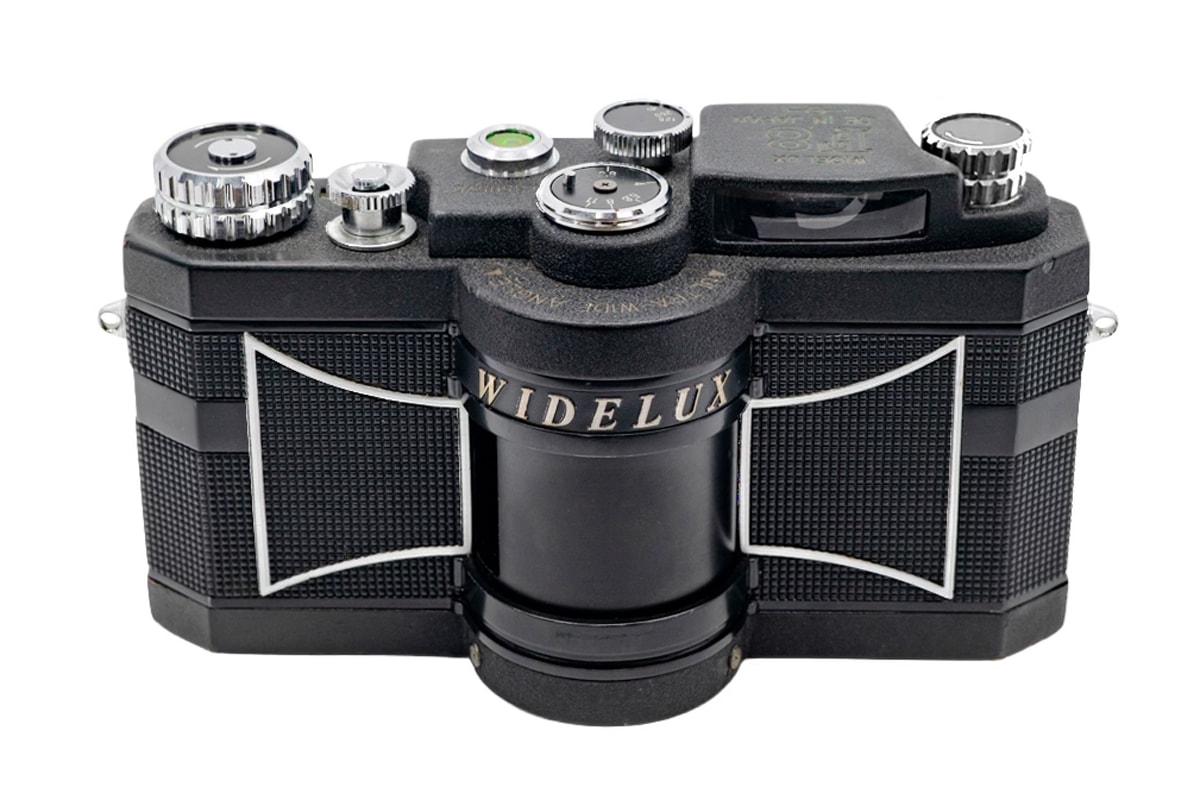
- Swing-lens capture
- Single exposure
- Core optical behavior
- Fixed focus
- Fully mechanical operation
Inspired by the original Widelux F8, WideluxX™ preserves its character while updating materials and construction to modern standards.
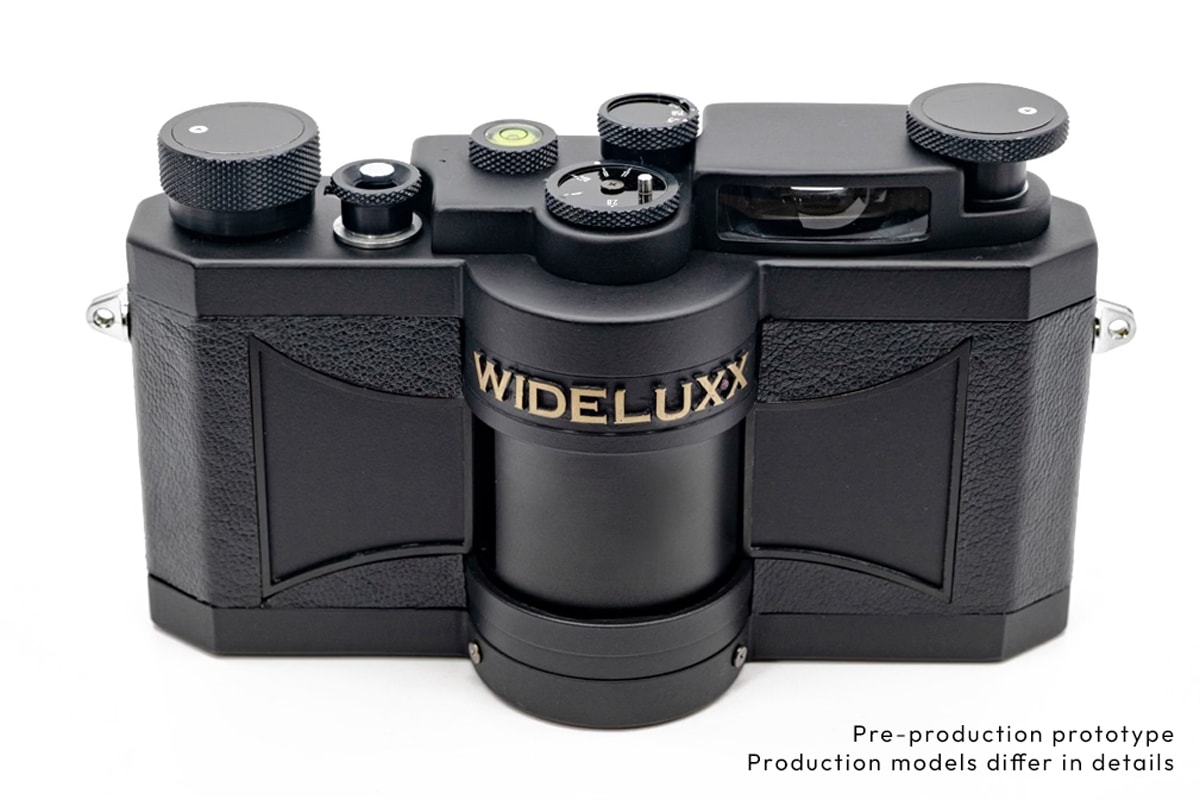
- Modern precision
- Serviceable parts
- Modern glass
- Improved rewind
- Custom finishes
The WideluxX™ is not a nostalgic return to the past.
WideluxX is supported directly by SilverBridges GmbH. Warranty service covers manufacturing defects under the applicable warranty terms.
Maintenance and repair are initially handled by the same team responsible for building the camera. Over time, service knowledge will be shared with authorized technicians so the camera can be maintained and repaired well beyond the factory.
Replacement parts are produced to consistent specifications so the camera can be adjusted, repaired, and restored for decades to come. WideluxX is designed as a mechanical instrument meant to remain in use across generations — a camera that can be maintained, cared for, and passed on rather than replaced.
A camera with a future, not just a heritage.