BACKGROUND
My Project Monopoly Series continues over the summer in London. The days remain sunny and by heading out early in the morning we have managed to avoid the tourist crowds in Central London. This is the list so far:
| No 0 – Introduction | No 3 – King’s Cross Station | No 6 – Pentonville Road |
| No 1 – Old Kent Road | No 4 – The Angel Islington | No 7 – Three Purples + Marylebone Station |
| No 2 – Whitechapel Road | No 5 – Euston Road |
Each post will follow the same format.
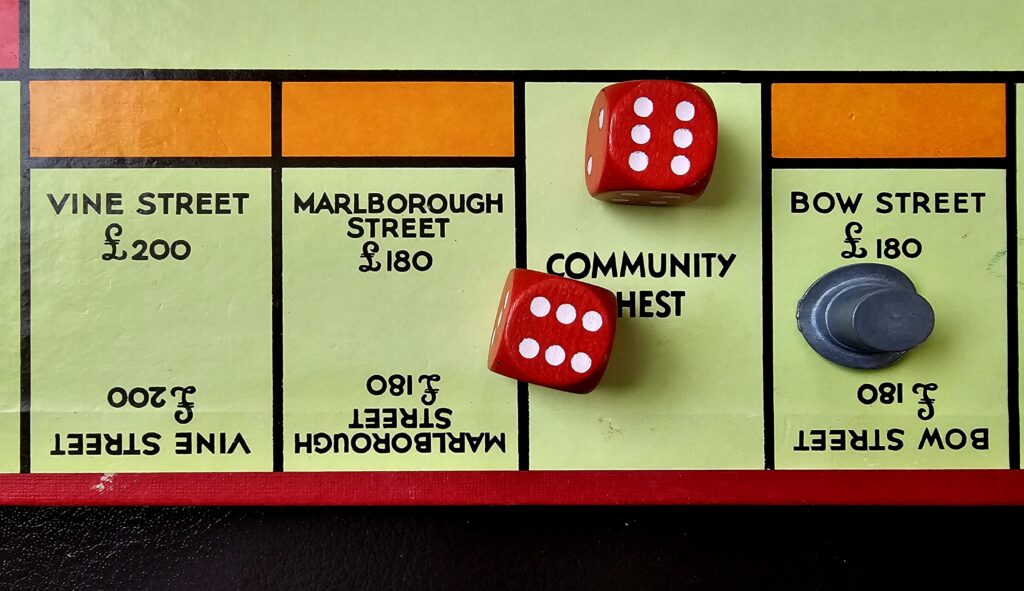
MONOPOLY PROPERTY NUMBERS 9, 10 and 11: BOW STREET, MARLBOROUGH STREET AND VINE STREET
(Details of books and maps at the end of the post)
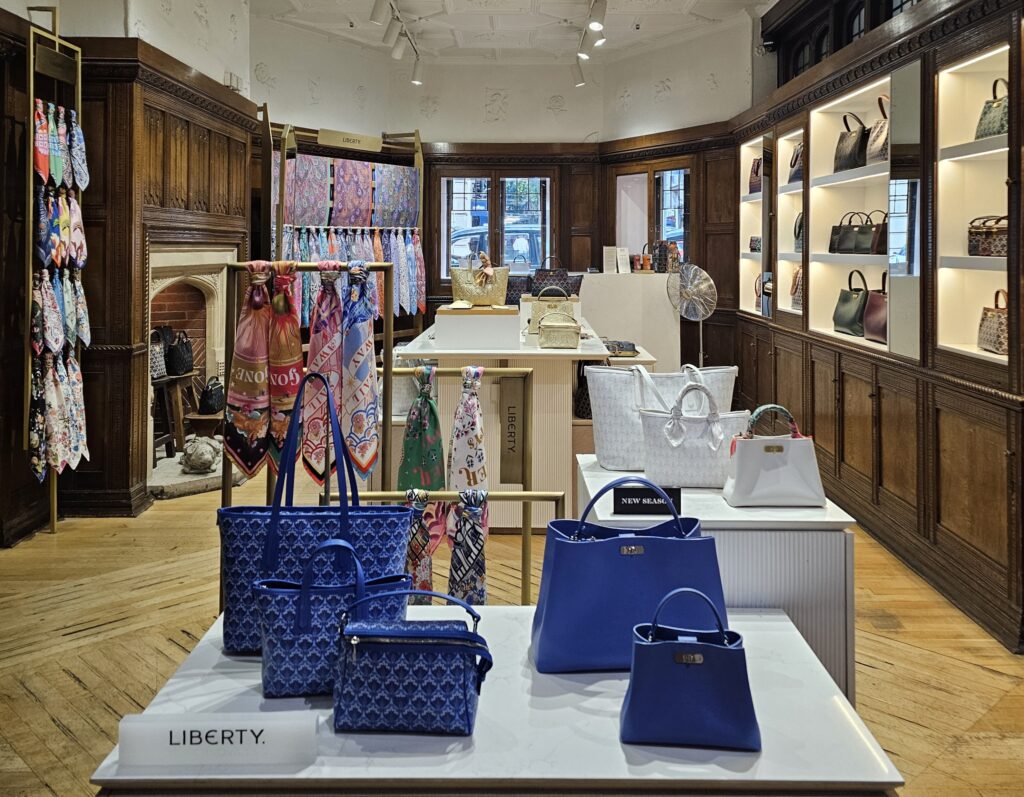
The street referred to on the Monopoly board as Marlborough Street is actually Great Marlborough Street, home to one of my favourite shops, Liberty. I will refer to the street by its correct name in this post.
What links the three orange properties of Bow Street, Great Marlborough Street and Vine Street is ‘law and order’:
John Nash’s creation of Regent Street sliced Vine Street in two. The northern half was then entirely lost in Regent Street’s Edwardian enlargement, when two blocks were combined into one. Vine Street’s rump, little more than a short alley running east-west, was a place for trade, service and social genuflection: it was the back door to hotels and concert halls, a local courthouse and a police station. For forty-seven years, Vine Street was the back entrance to London’s best-selling concert hall, the extravagantly decorated St James’s Hall. However, the police station was Victor Watson’s excuse for choosing the street, alongside orange Bow Street and the misnamed Marlborough Street, which both had magistrates’ courts. Even Vine Street’s court closed in 1940, five years after Victor Watson’s fleeting street-scouting 1935 London visit. Nowadays, though many recognise the name from Monopoly, no one knows where Vine Street is. From ‘No Free Parking: The Curious History of London’s Monopoly Street’.
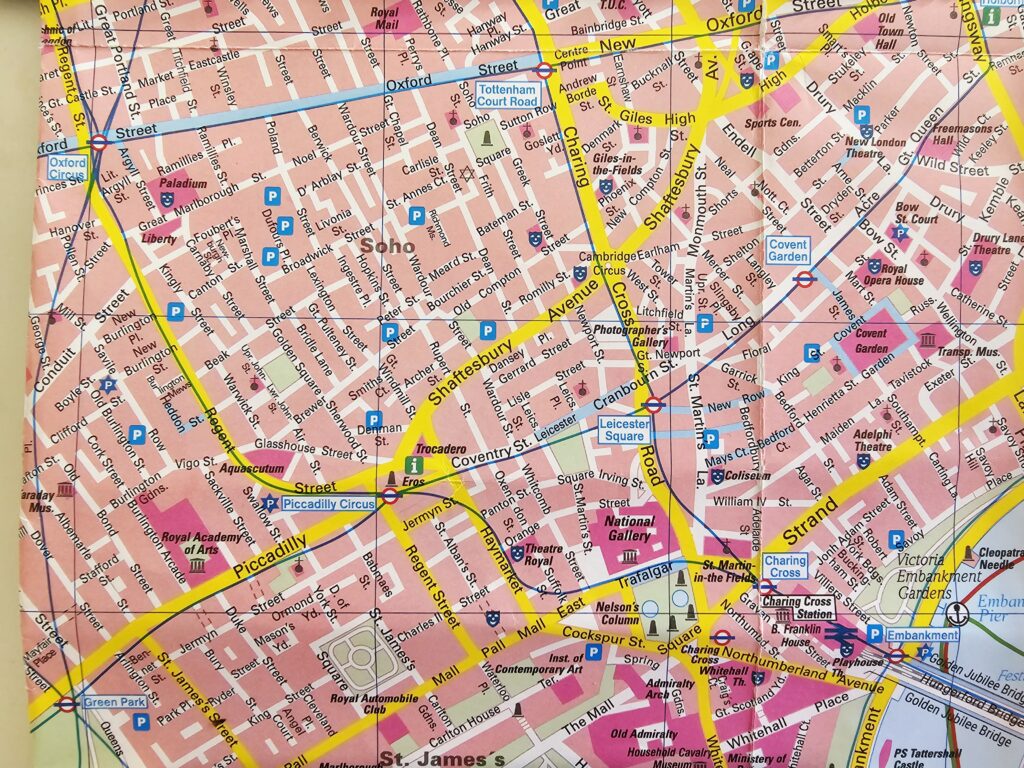
You can leg it to all three properties in one morning, however it is much more pleasurable to spend some time in Covent Garden when you are in Bow Street, and then pick up some lunch after you have visited Vine Street (do this first) and Great Marlborough Street.
HOW TO GET HERE
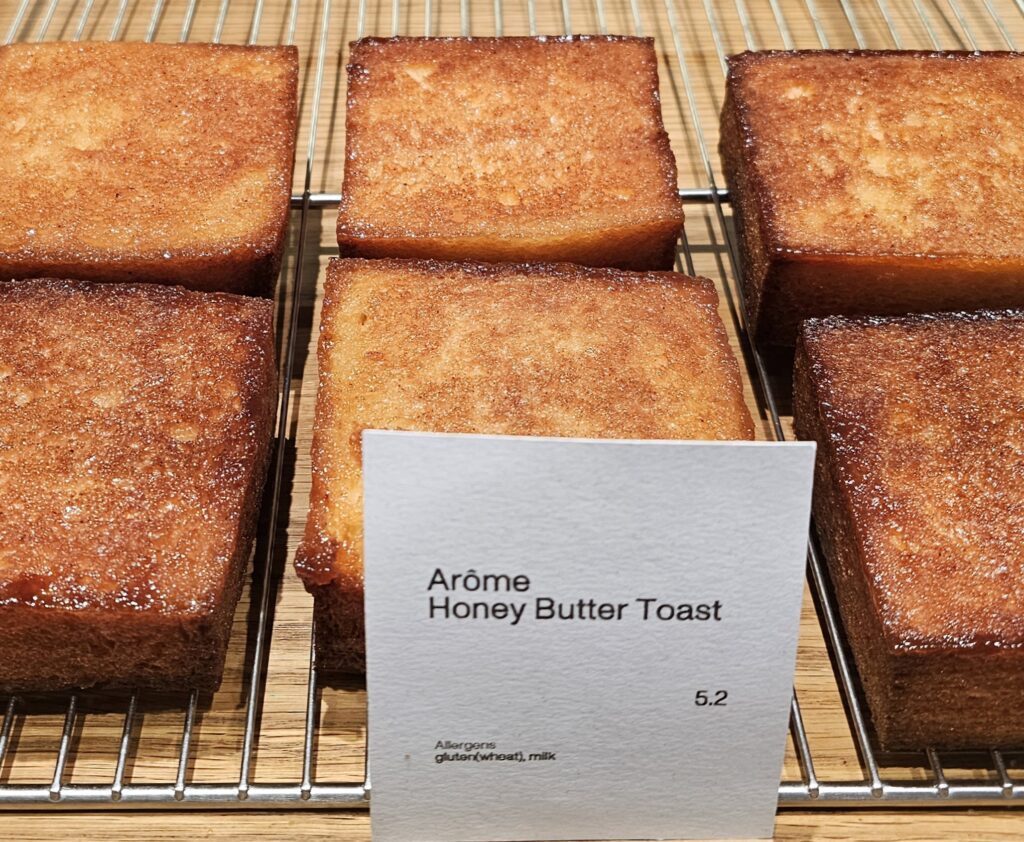
For transport options, Citymapper is invaluable as a tool to get from A to B. We started from Leicester Square tube station and walked along Long Acre to have breakfast at Arôme Bakery, where there are constant queues. There is no shortage of breakfast places in this area.
ASPECTS OF MY VISIT
BOW STREET
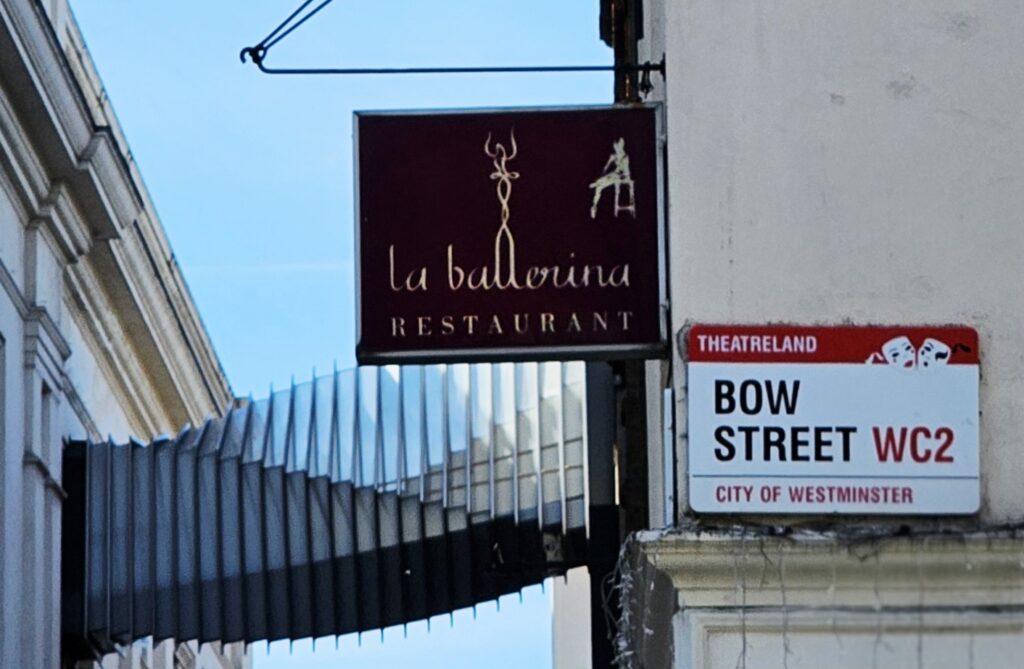
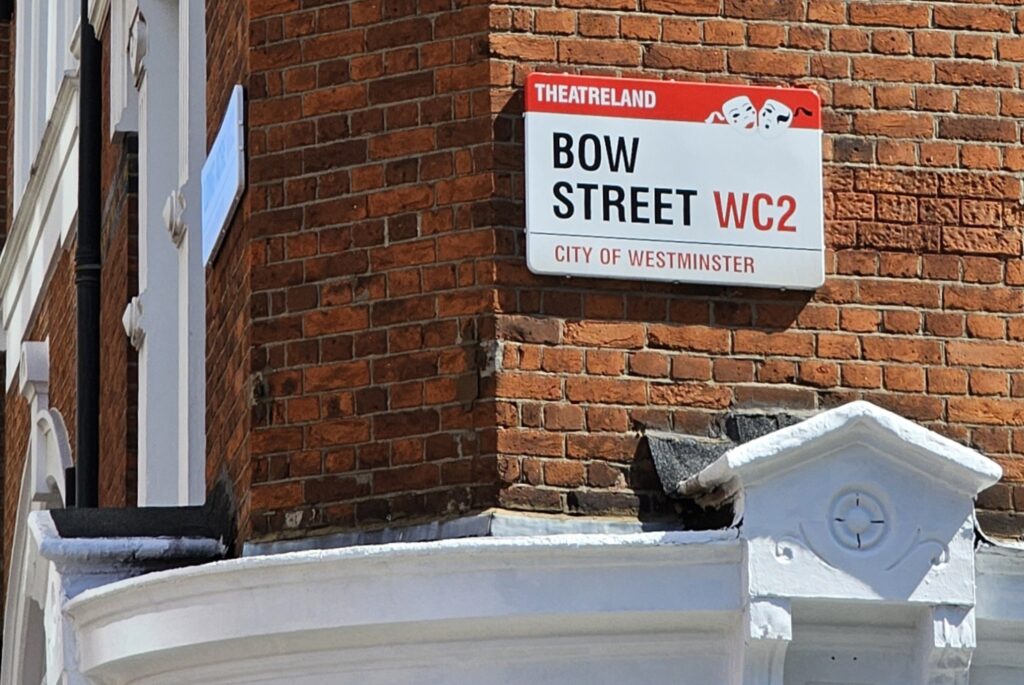
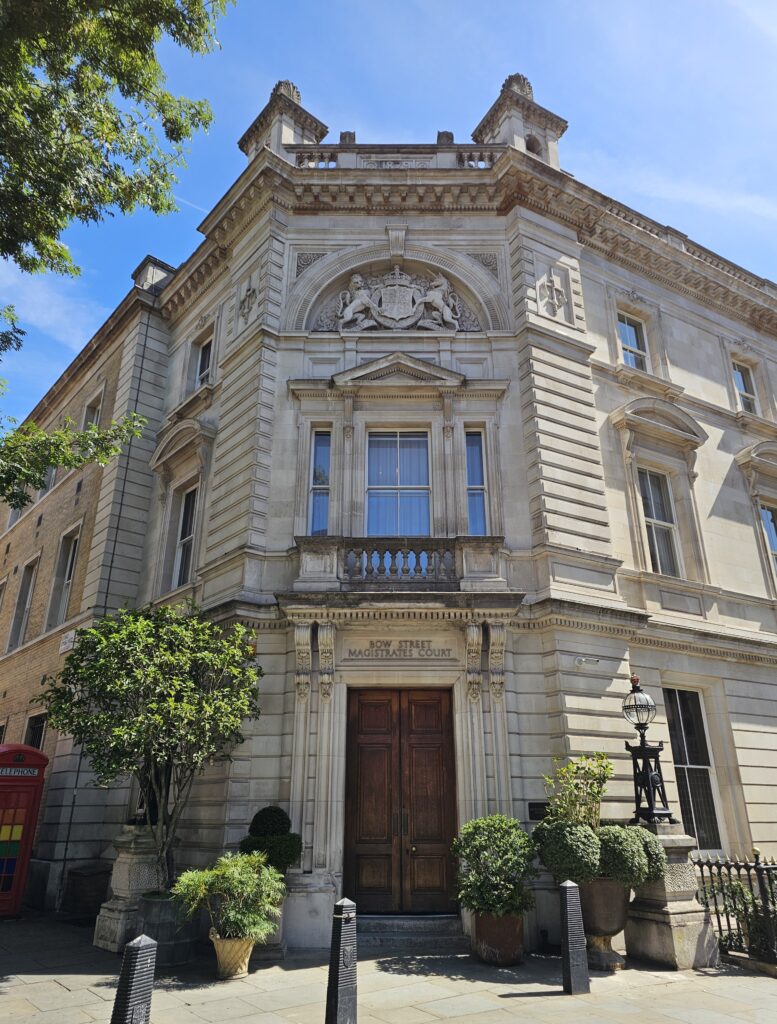
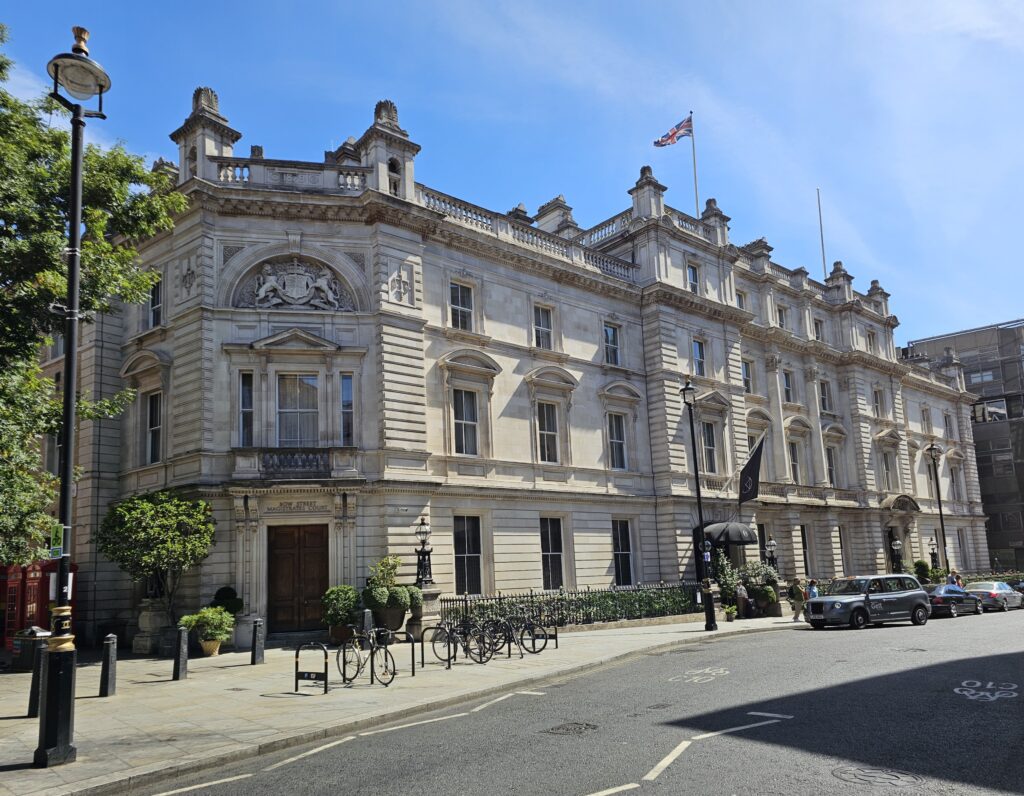
The former Magistrates Court at Bow Street is now a hotel. Within the former court complex is the Bow Street Museum of Crime and Justice
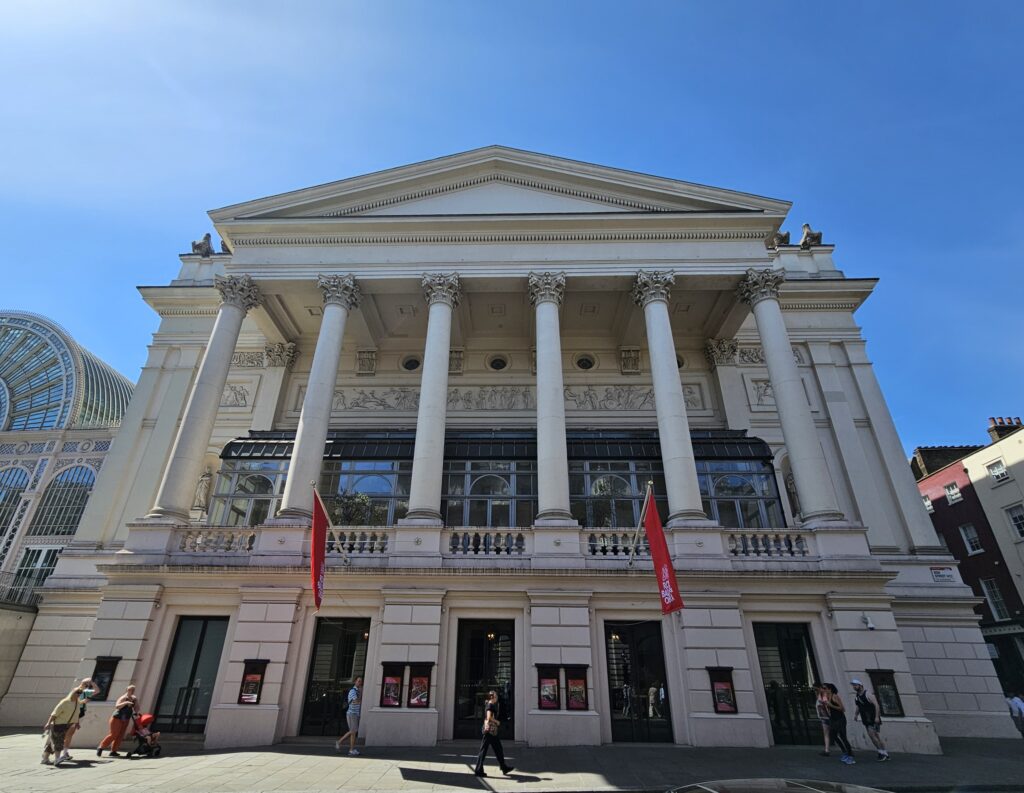
The Royal Opera House, which started as the Theatre Royal in 1732
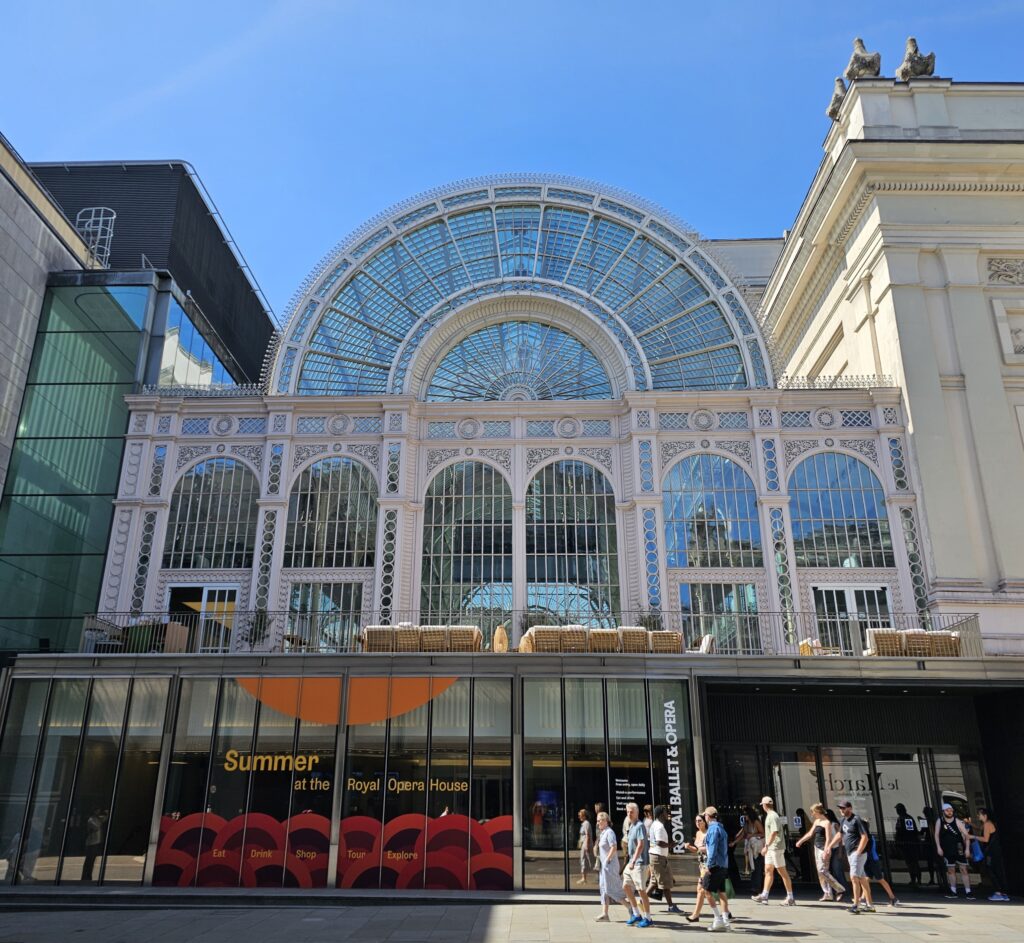
If Monopoly were a movie then the walk from Bow Street to Vine Street (via Long Acre) would be the preview for the yellow properties of Leicester Square, Coventry Street and Piccadilly. Do not get distracted! The aim is to complete the three orange streets in one go.
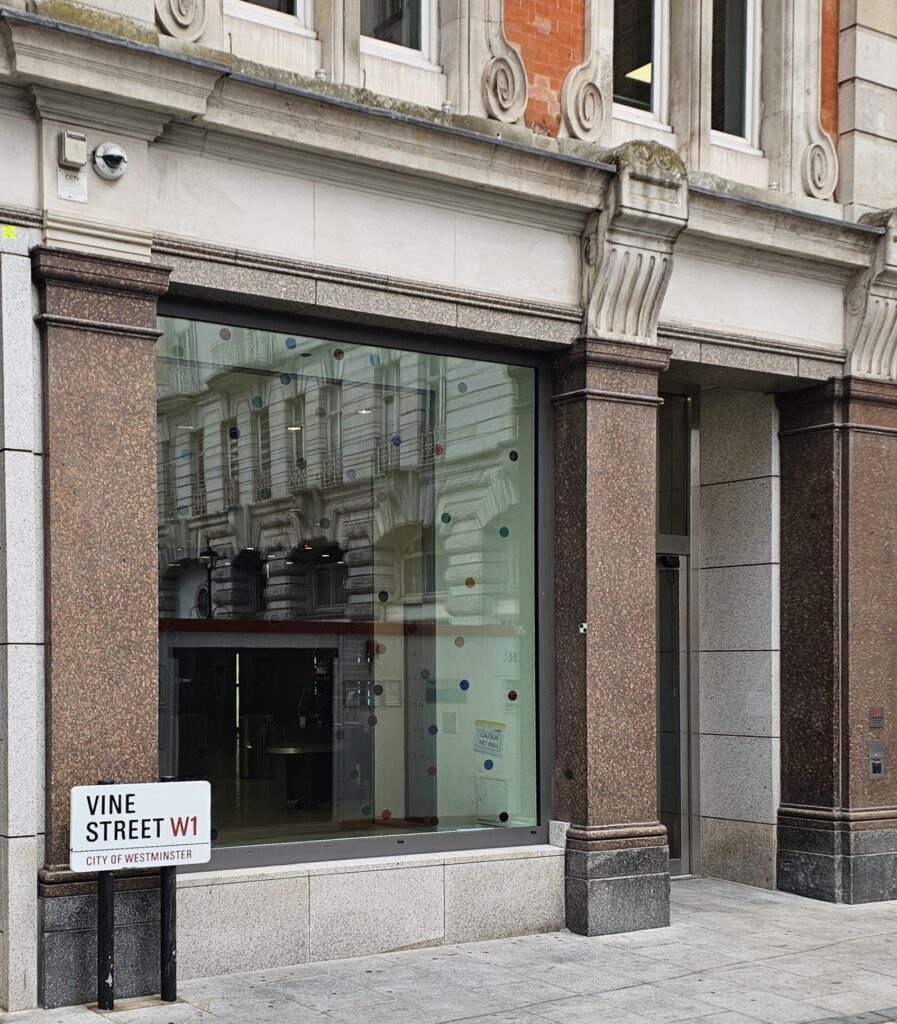
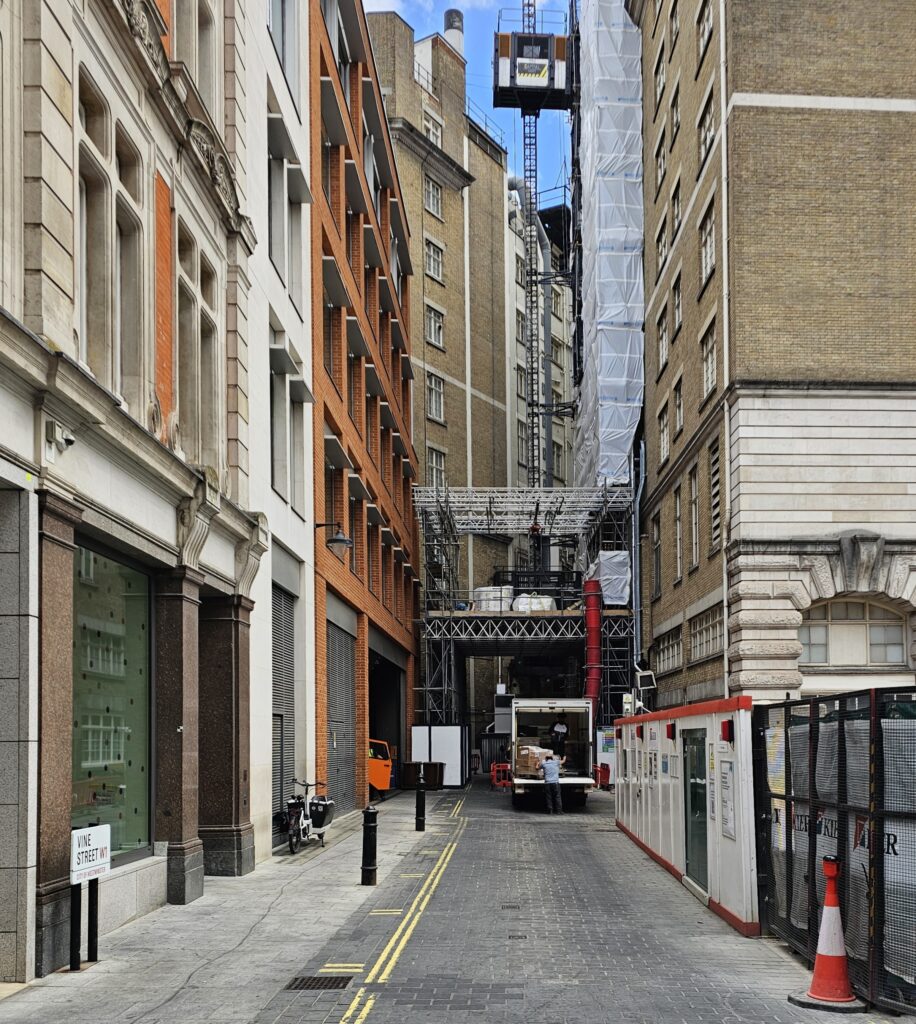
VINE STREET
There really is nothing to see here and there should be a Chance card that says ‘Skip Vine Street and advance to Strand’
GREAT MARLBOROUGH STREET
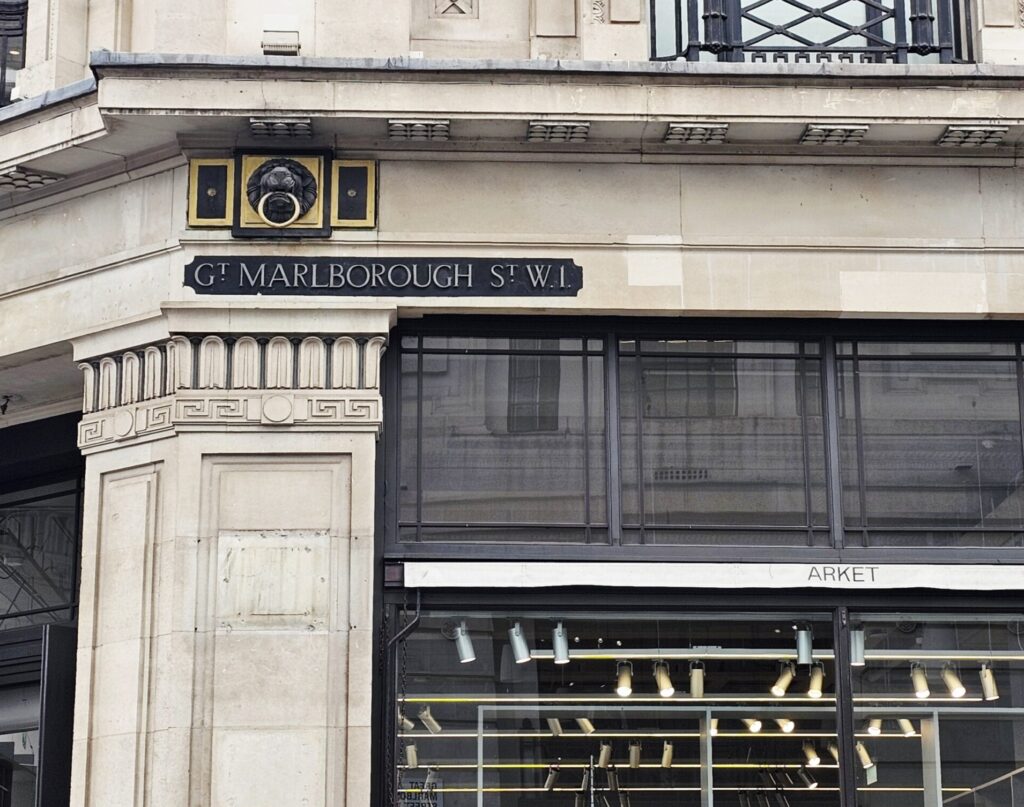
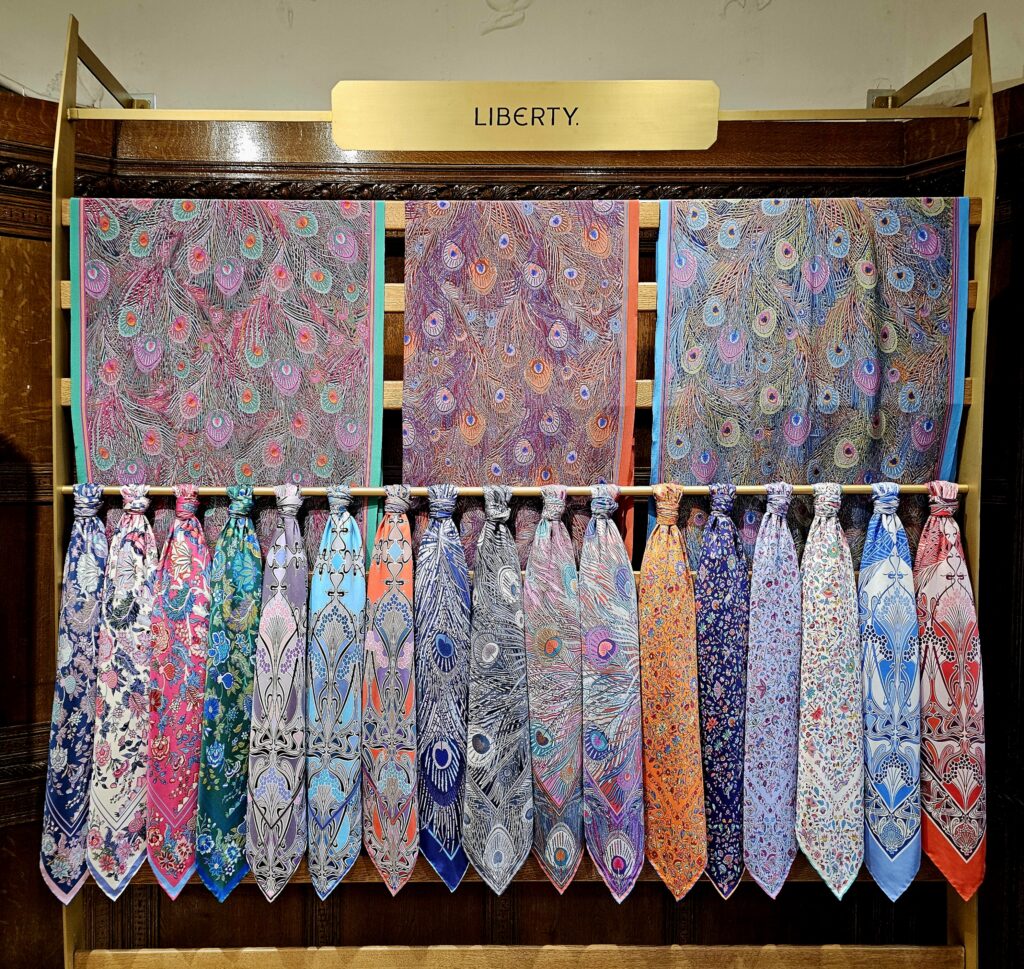
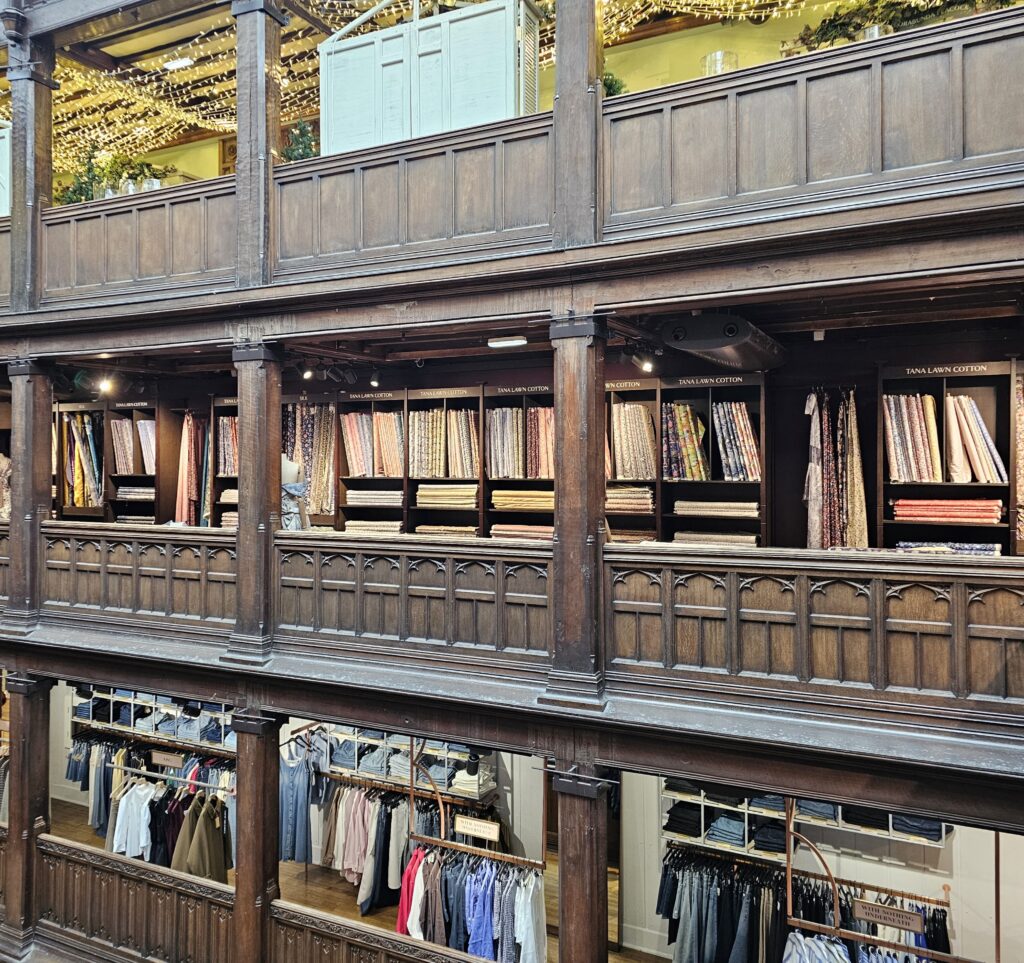
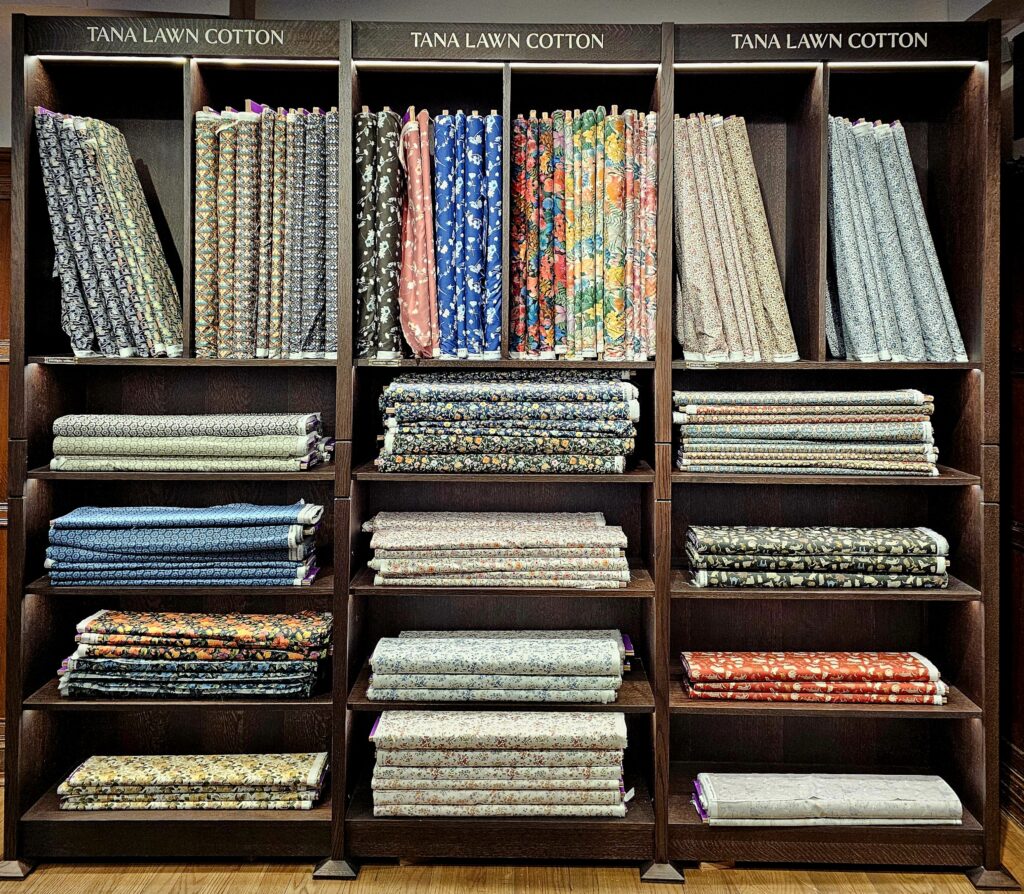
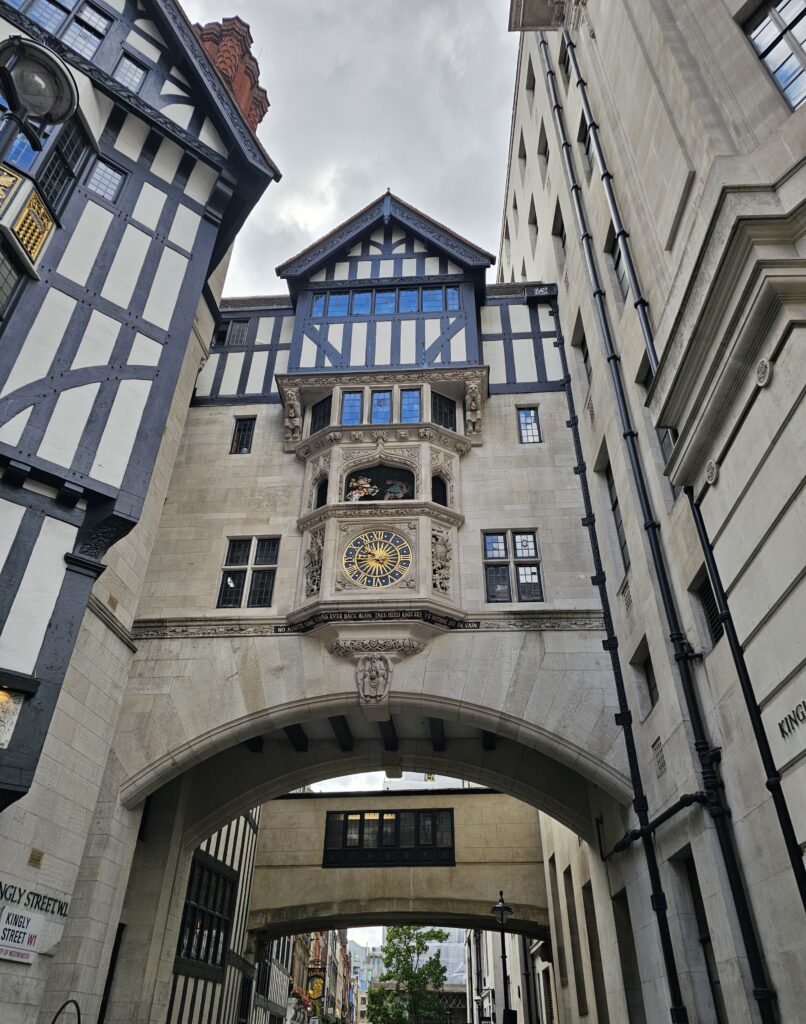
Home to Liberty, one of my favourite stores on account of its beautiful prints
REFRESHMENTS
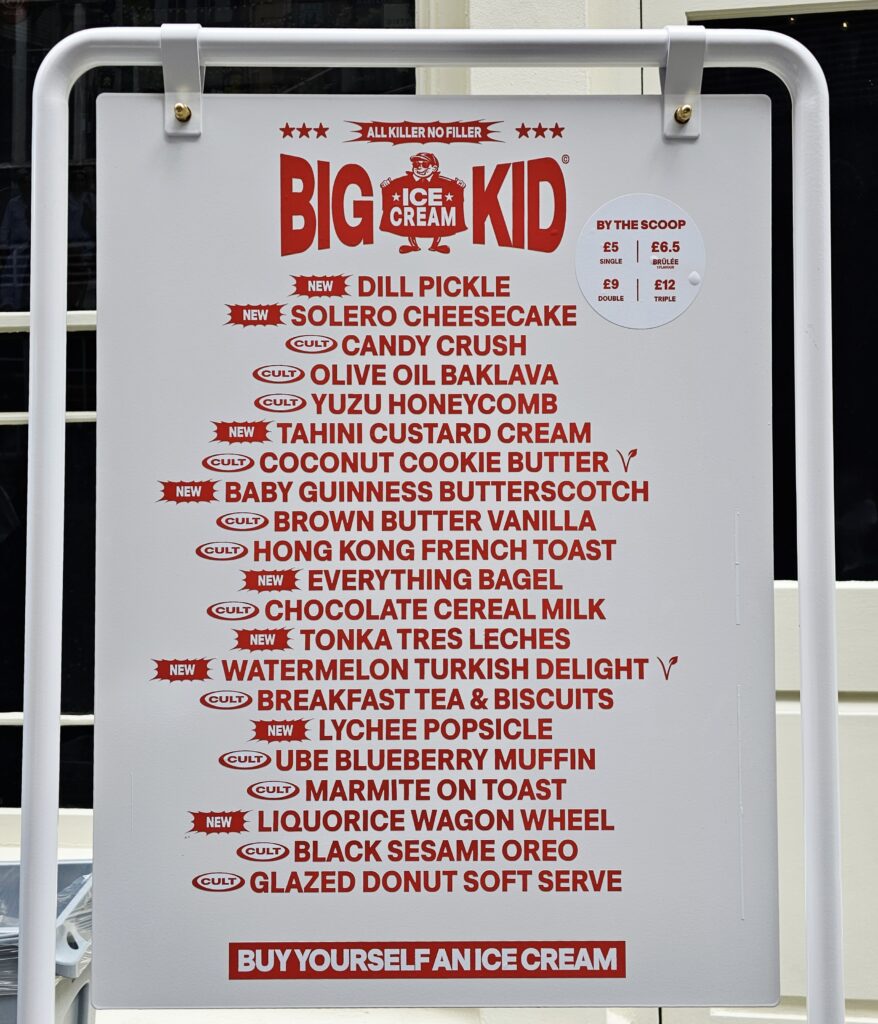
There is no shortage of places to eat around Great Marlborough Street: sandwiches (Pret, Marks and Spencer), Vietnamese banh mi and noodles (Keu in Poland Street), Syrian (Imad’s in Kingly Court). I did part of this walk with Junior 2 and we shared some Glazed Donut soft serve from Big Kid Ice Cream. Yes, it really did taste of a Krispy Kreme donut.

MAPS AND BOOKS
London city map 1:10,000 by Freytag & Berndt, ISBN 978-3707924268
No Free Parking: The Curious History of London’s Monopoly Streets by Nicholas Boys Smith, published by John Blake Publishing, ISBN 978-1789465389. See chapters 9 (Bow Street), 11 (Marlborough Street) and 15 (Vine Street)
Do Not Pass Go: From the Old Kent Road to Mayfair by Tim Moore, published by Vintage, ISBN 978-0099433866. See chapter 8 (The Oranges)
An Opinionated Guide to Historic London by Sheldon K Goodman, published by Hoxton Mini Press, ISBN 978-1-914314-46-9 See chapter 18 (Royal Opera House).