BACKGROUND
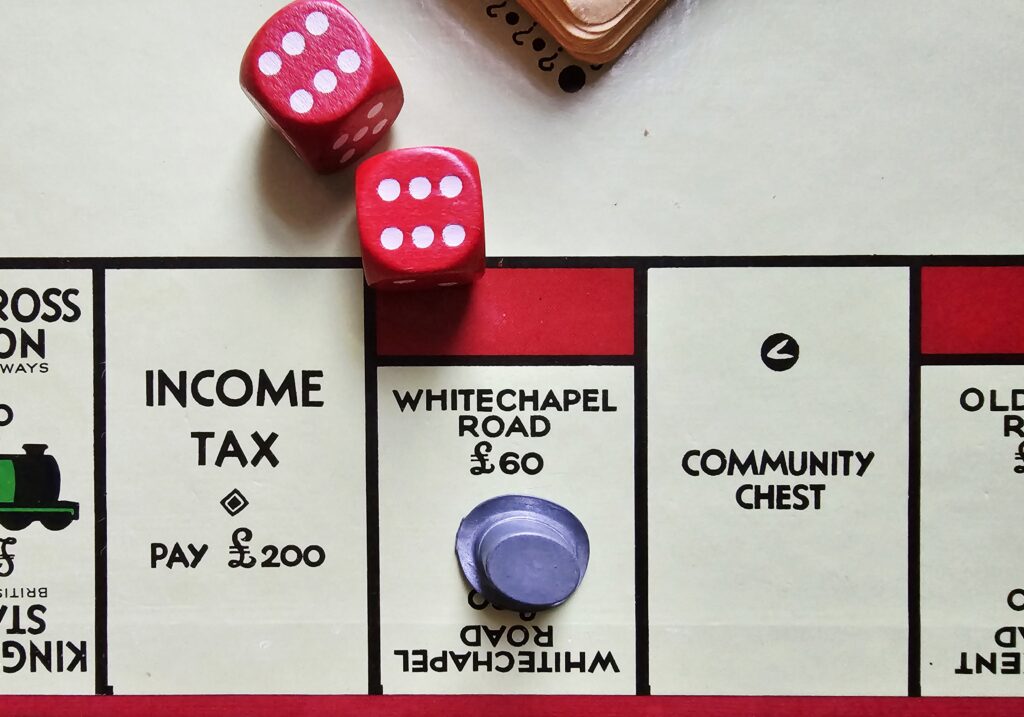
For the next six months, I intend to fulfil a long-standing aim of mine to visit each of the properties on the London Monopoly board. This will encompass 22 streets and 4 train stations. Some of the properties are familiar (Oxford Street, Regent Street) and some are almost alien (Old Kent Road, Whitechapel Road, Fenchurch Street Station).
One idea I had was to throw the dice and visit the property where my playing piece landed. This would jumble things up and potentially make things a bit more interesting. However I like order and decided to follow the properties in a clockwise direction as laid down on the board after you pass GO.
This is Number 2 in my Project Monopoly Series. Number 0 is the Introduction and Number 1 is Old Kent Road. Each post will follow the same format.
MONOPOLY BOARD PROPERTY NUMBER 2: WHITECHAPEL ROAD
What Whitechapel Road has in common with the Old Kent Road, besides both being brown on the Monopoly board, is that both were historic Roman roads. Old Kent Road (now the A2) linked London and Canterbury/ Dover, and Whitechapel Road (now A11) linked London and Colchester.
For background reading I recommend the following two books.
No Free Parking: The Curious History of London’s Monopoly Streets by Nicholas Boys Smith, published by John Blake Publishing, ISBN 978-1789465389. See chapter 19 (WHITECHAPEL ROAD – Escaping the ‘London Minotaur’).
Quote from book:
Whitechapel Road, like the Old Kent Road, Oxford Street and the Angel, Islington, profited because it was on the route to London. It early on attracted cottages and inns, paddocks to graze droves of livestock, and abattoirs to slaughter them. Vintners, brewers, innkeepers, bakers, butchers, clothworkers and mercers all owned shops and taverns in this slice of medieval ‘ribbon development’, among them Geoffrey Chaucer’s parents, John and Alice. By 1250, St Mary’s chapel had been built for the hamlet’s residents. Starkly made of white chalk (known as ‘clunch’) and prominently positioned, the ‘white chapel’ gave its name first to the road and thence to the neighbourhood.
Do Not Pass Go: From the Old Kent Road to Mayfair by Tim Moore, published by Vintage, ISBN 978-0099433866. See chapter 17 (The Browns). This is a bit dated but quite humorous in parts.
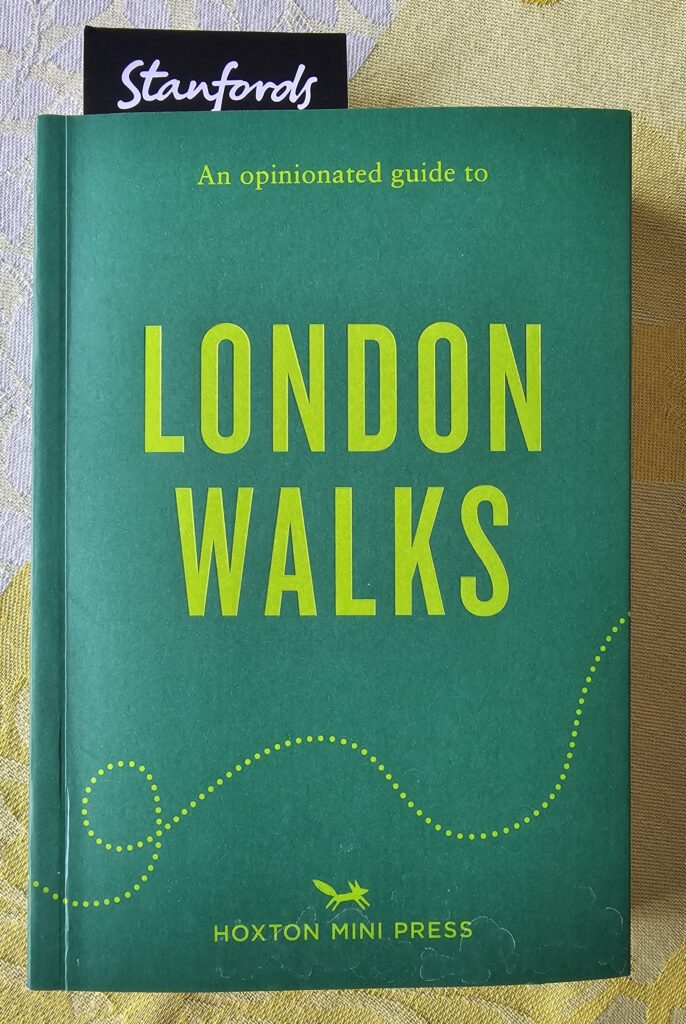
To make it more of a day out in the area, I followed half of Walk No 5 (East London Through the Ages), starting at Whitechapel Road and ending at Brick Lane. An Opinionated Guide to London Walks, published by Hoxton Mini Press, ISBN 978-1914314933.
HOW TO GET HERE
For transport options, Citymapper is invaluable as a tool to get from A to B. I took the Elizabeth Line from Bond Street to Whitechapel.
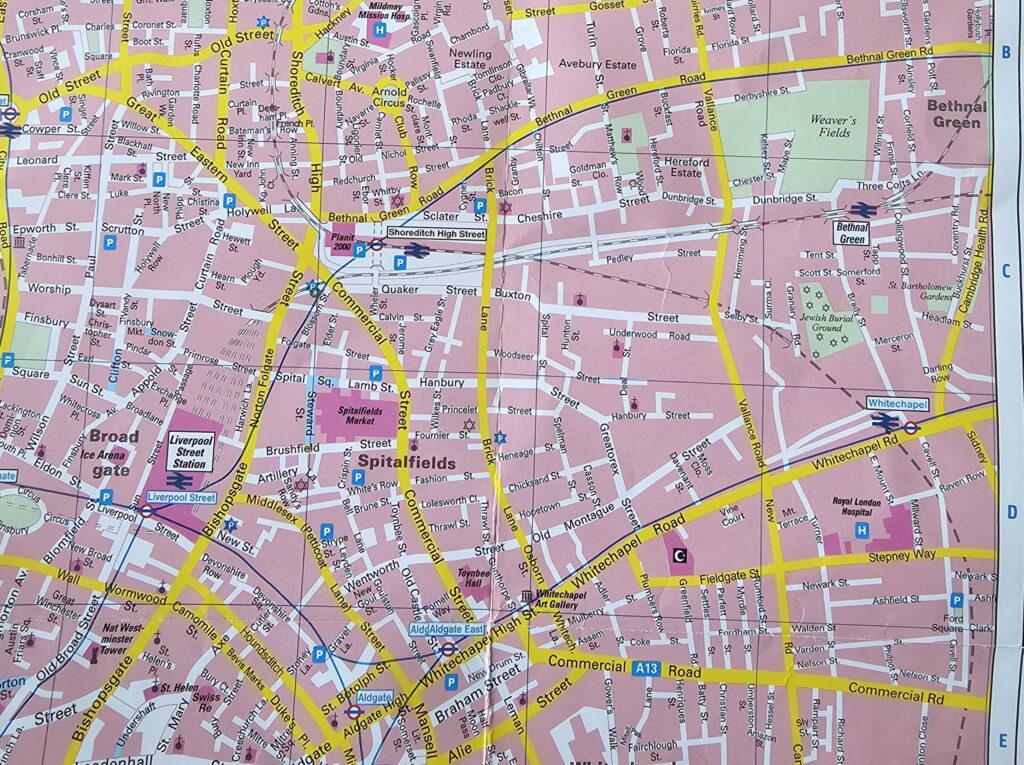
I am using this map for my Project Monopoly: London city map 1:10,000 by Freytag & Berndt, ISBN 978-3707924268. Below is the section I used for the Whitechapel Road walk.
ASPECTS OF MY VISIT
This area is now the centre of the UK’s Bangladeshi community, and walking along Whitechapel Road is like walking in a different country. I liked looking at what was for sale at the market stalls that lined the wide pavement, and had peeks into some of the shops selling pots and pans to the restaurant trade.
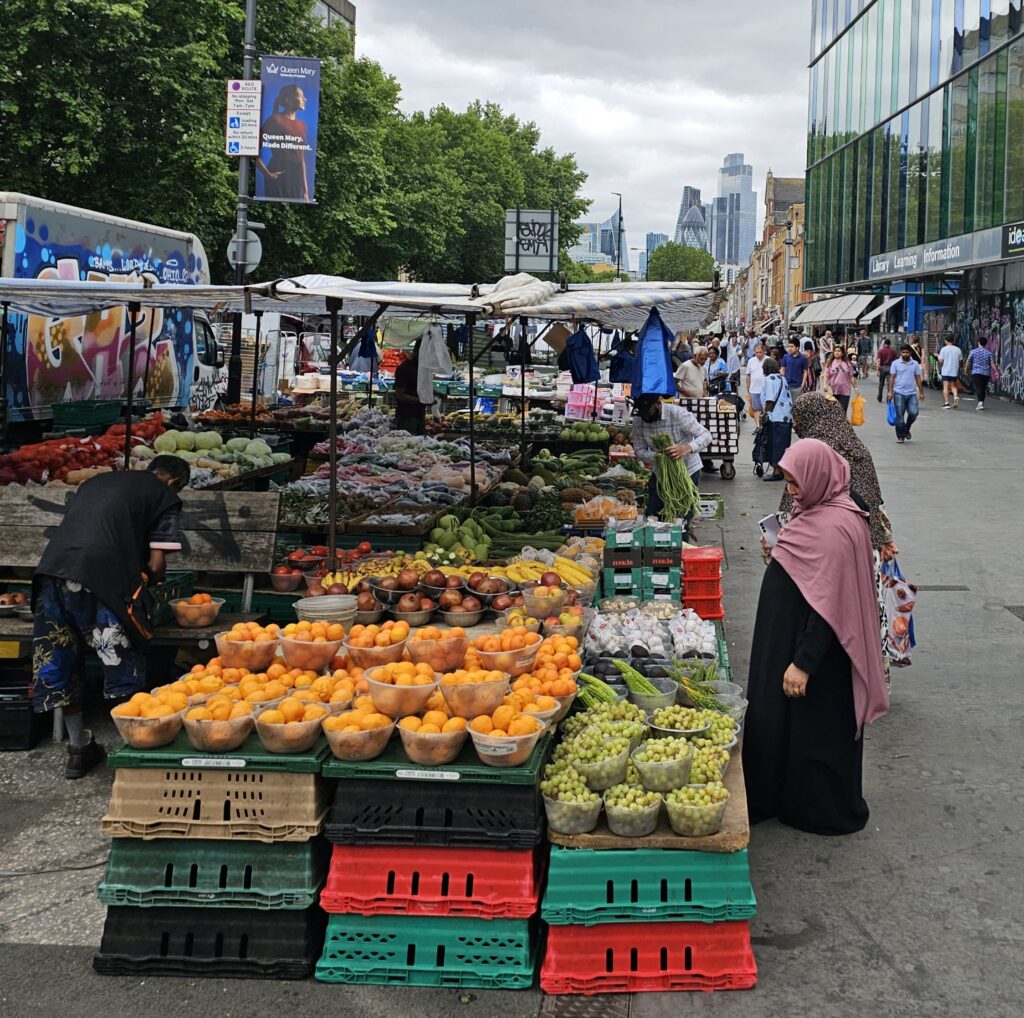
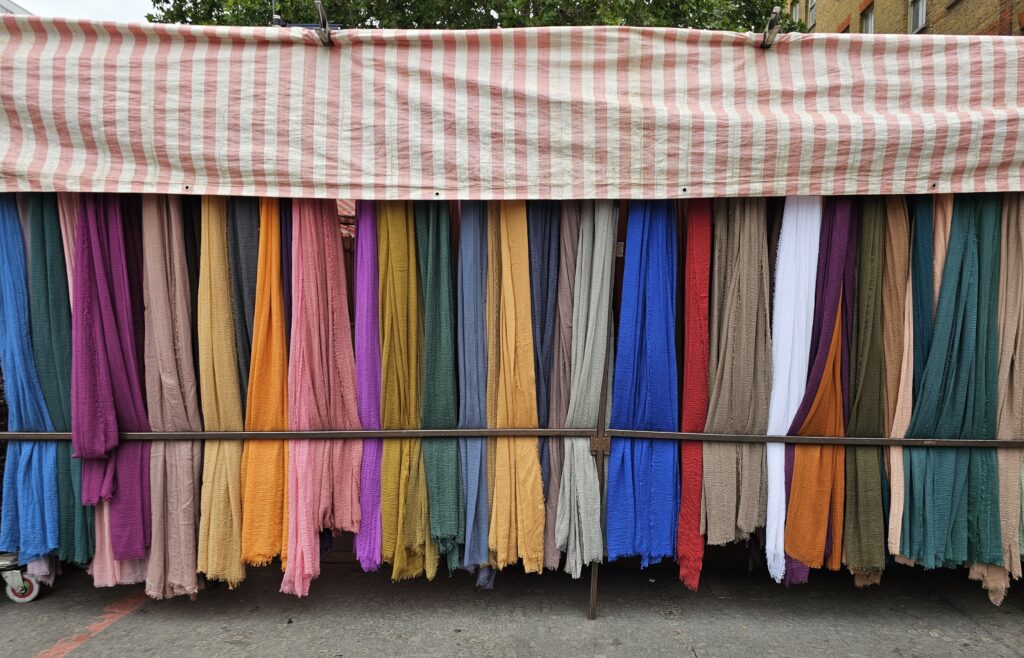
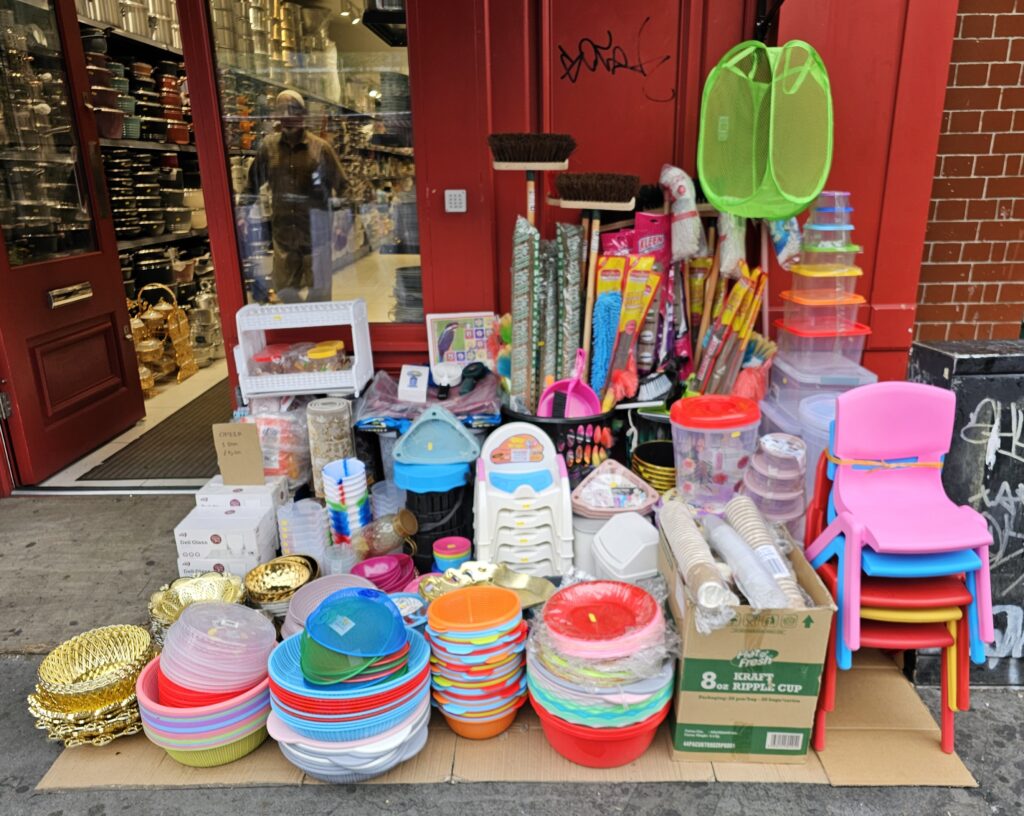
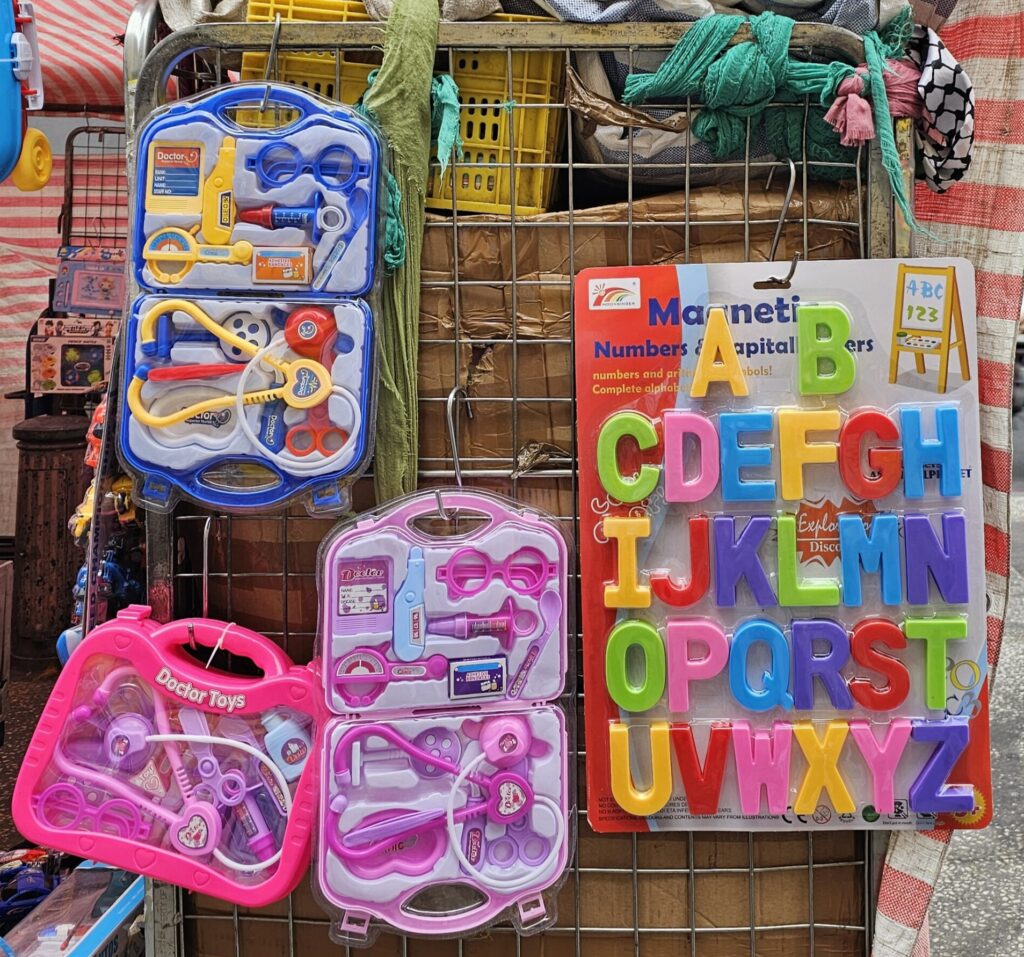
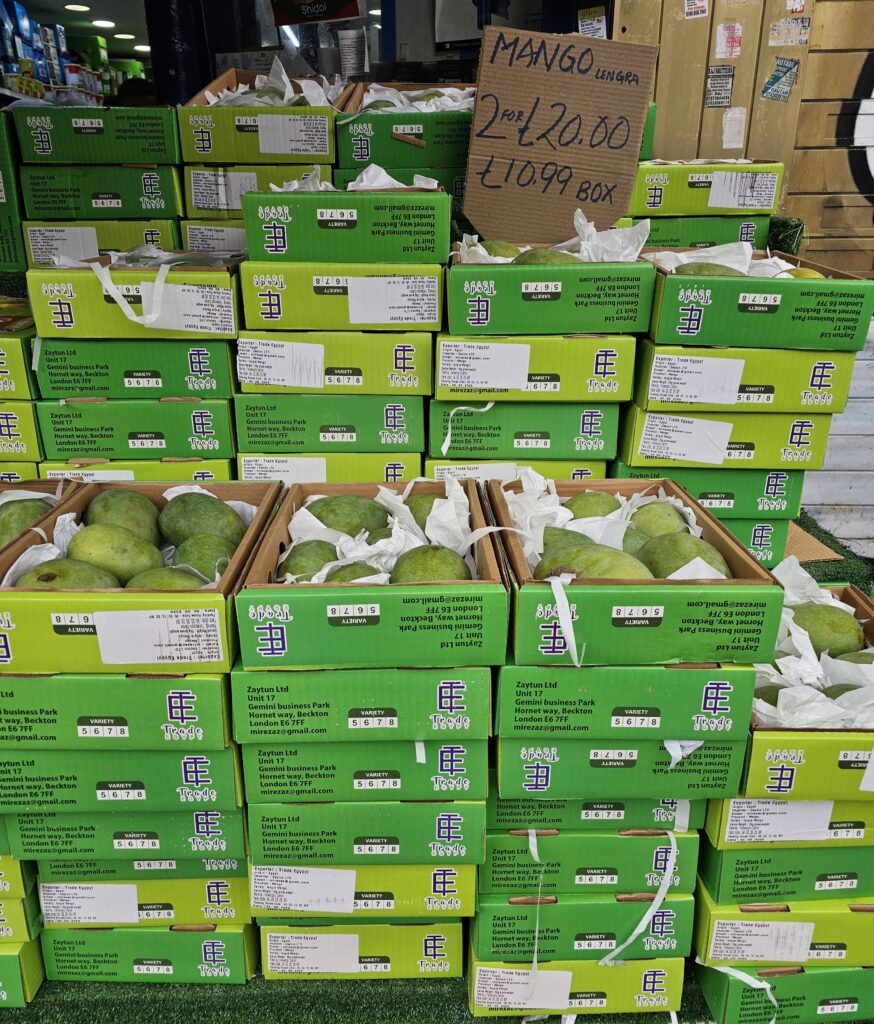
Mangoes, mangoes everywhere
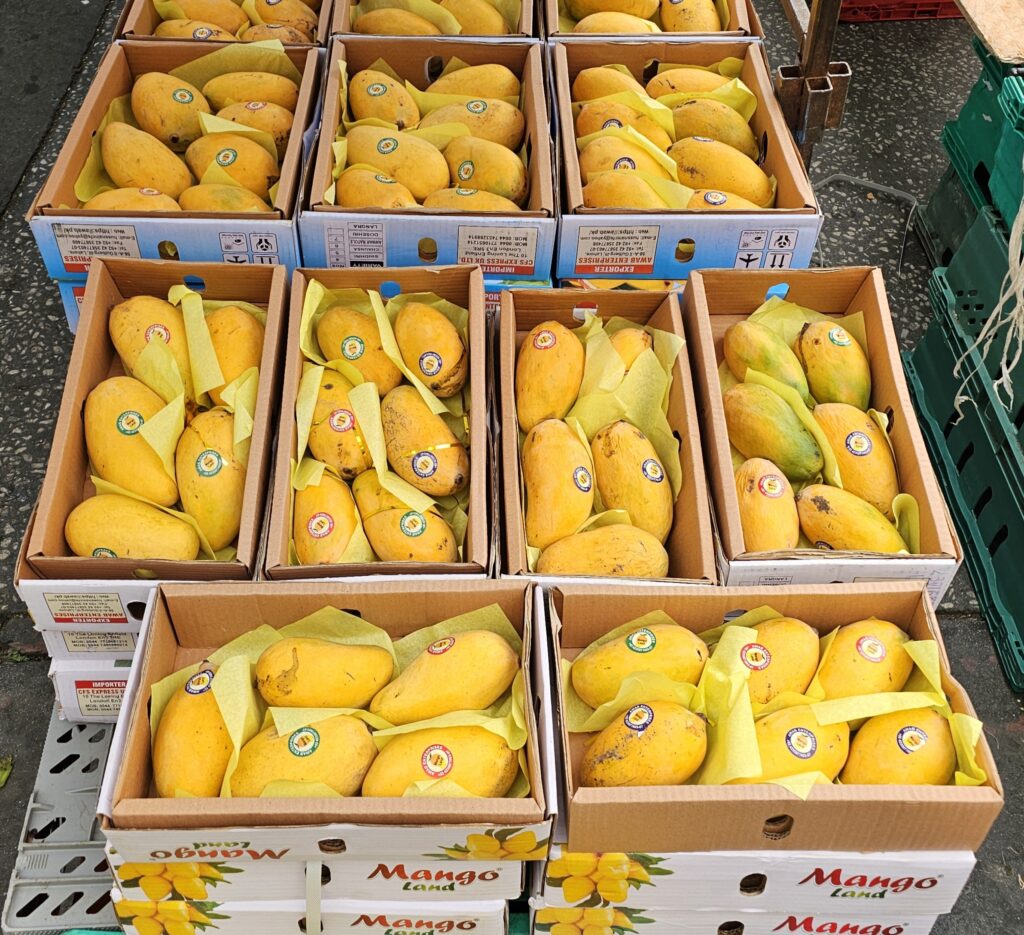
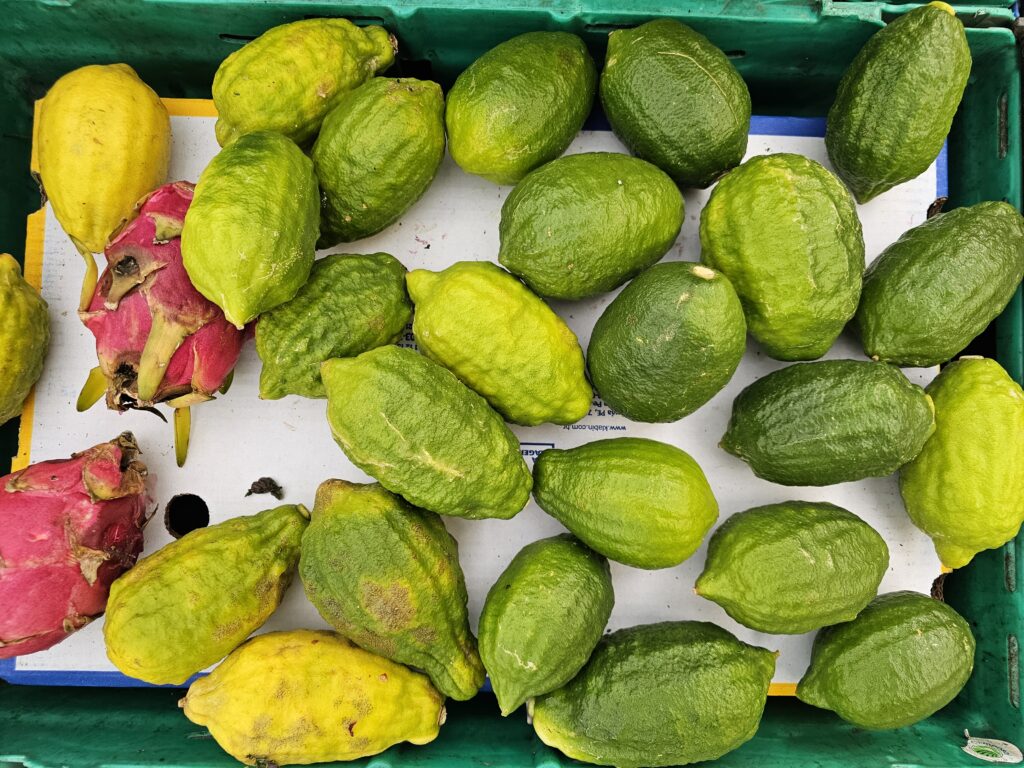
This was my first time coming across Gondhoraj lebu (Bangladeshi limes)
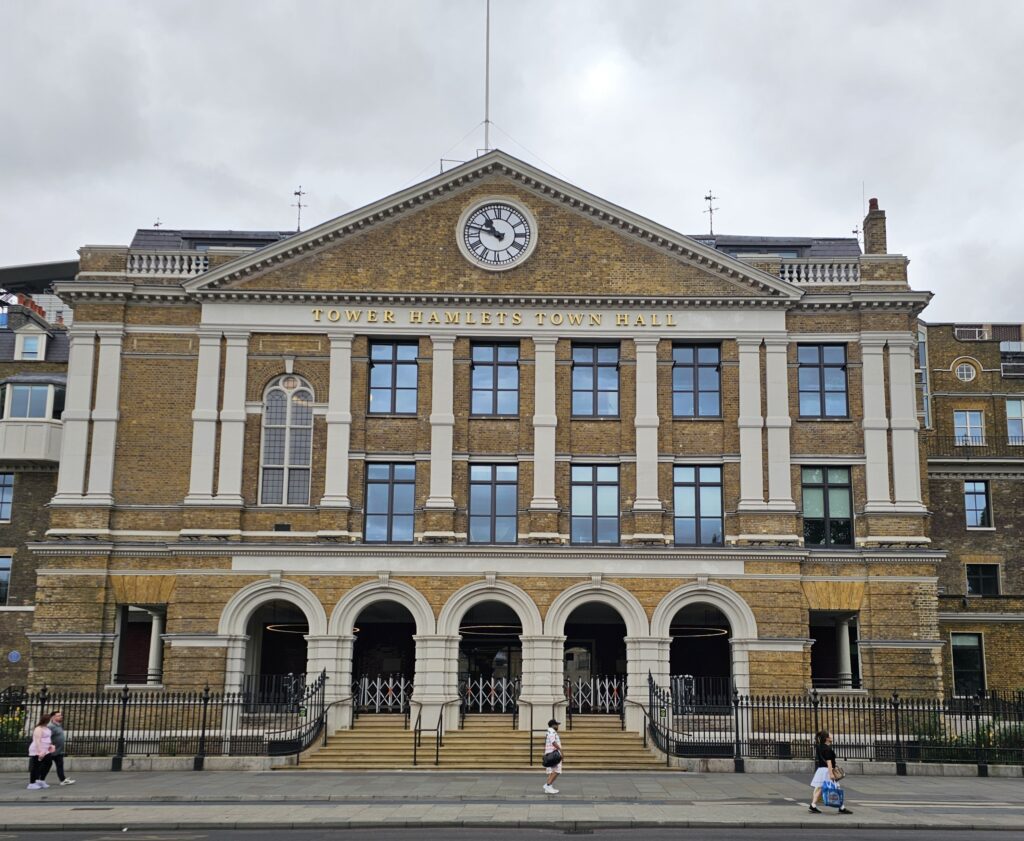
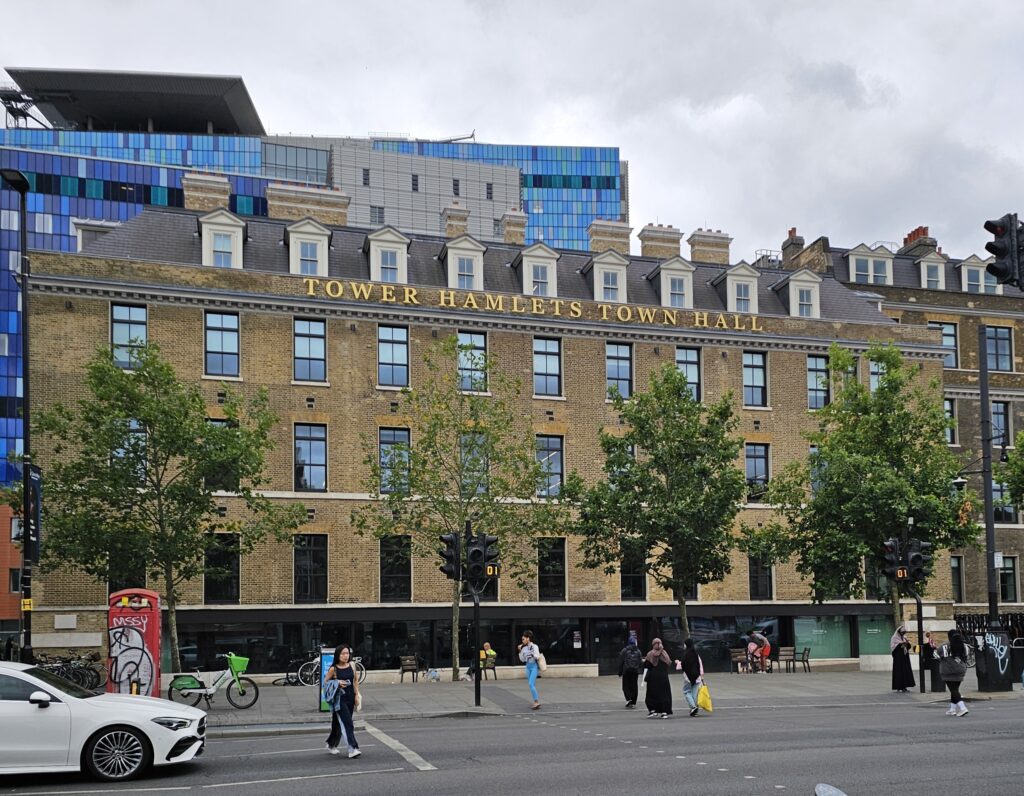
It is easy to miss the striking Tower Hamlets Town Hall on the opposite side of the road. This was formerly the old Royal London Hospital, a grade II listed building opened in 1757. Closed since 2014, it was falling into disrepair when Tower Hamlets Council repurposed it into the borough’s new town hall. This was opened in 2023.
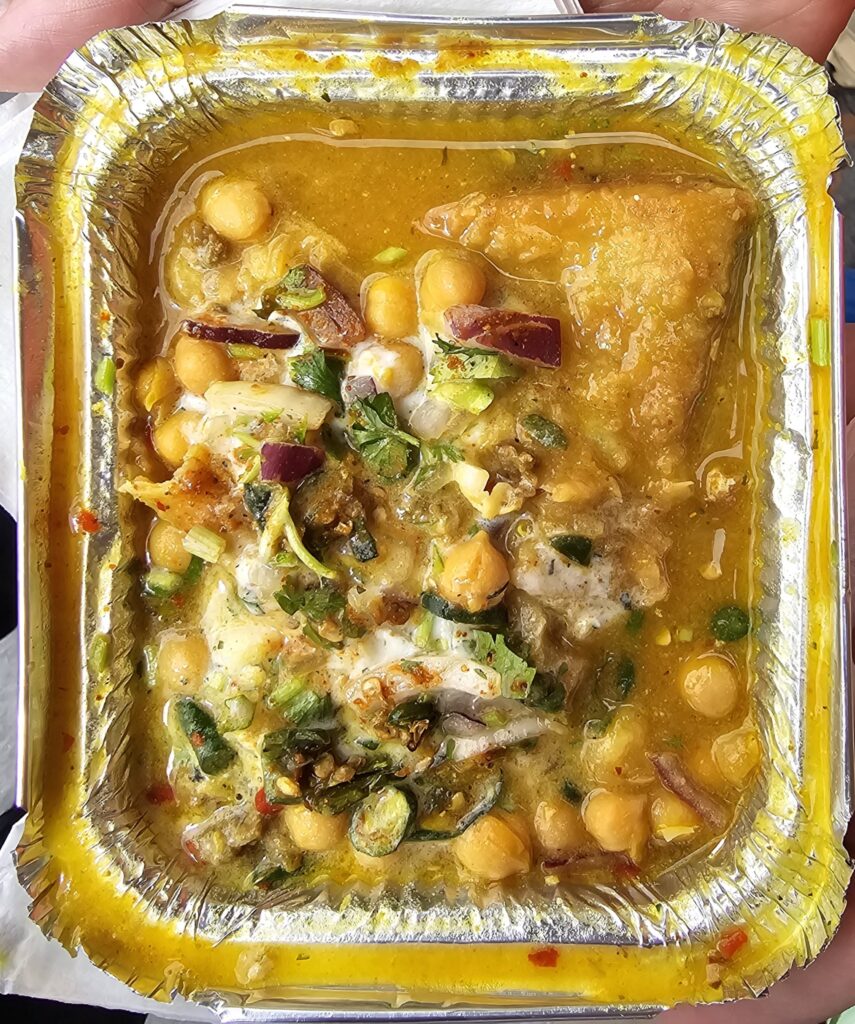
There are many food stalls along the road. For a snack we had a samosa chaat, which is a samosa smashed into pieces then drowned in a chickpea curry, and finished with various toppings. It was tasty but I found it too wet for my liking. A regular samosa, like a curry puff, is the perfect hand-held snack.
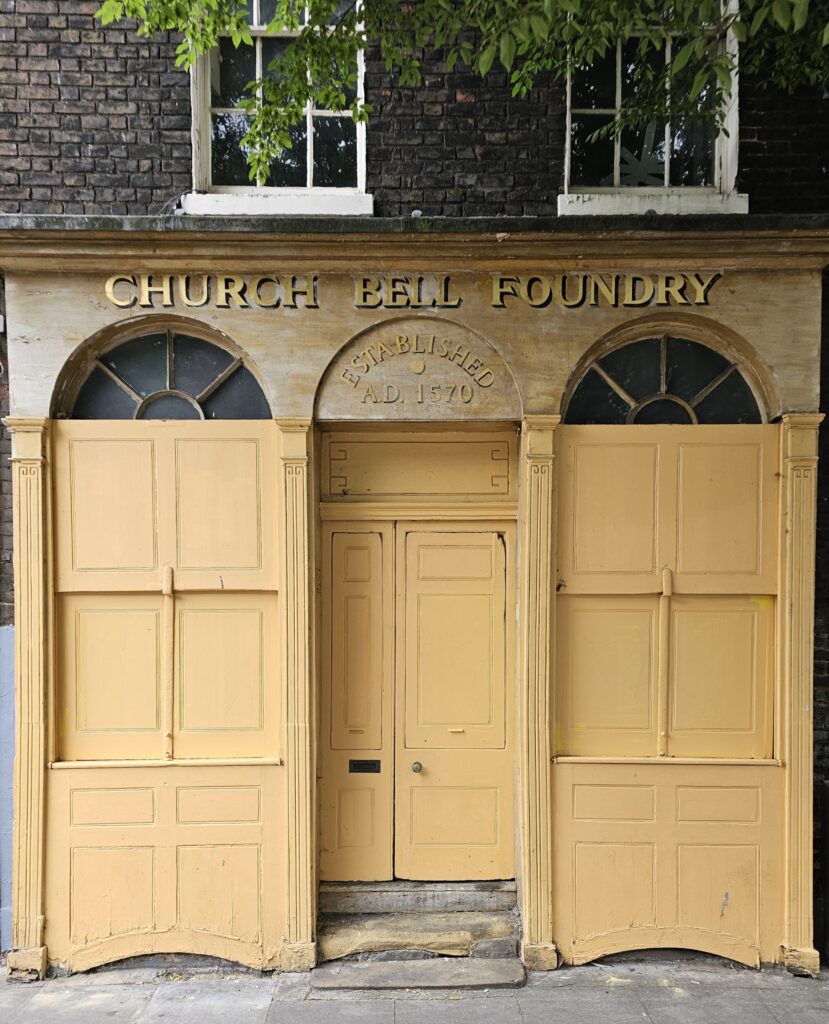
Further along, at 32–34 Whitechapel Road, you will find the derelict Whitechapel Bell Foundry. The foundry created bells continually in Whitechapel since 1570 and has been on its present site since the 1740s. Famous bells include the Liberty Bell (Philadelphia) and Big Ben (London). The foundry closed in 2017 so visits are no longer possible. Here is an article on efforts to restore it.
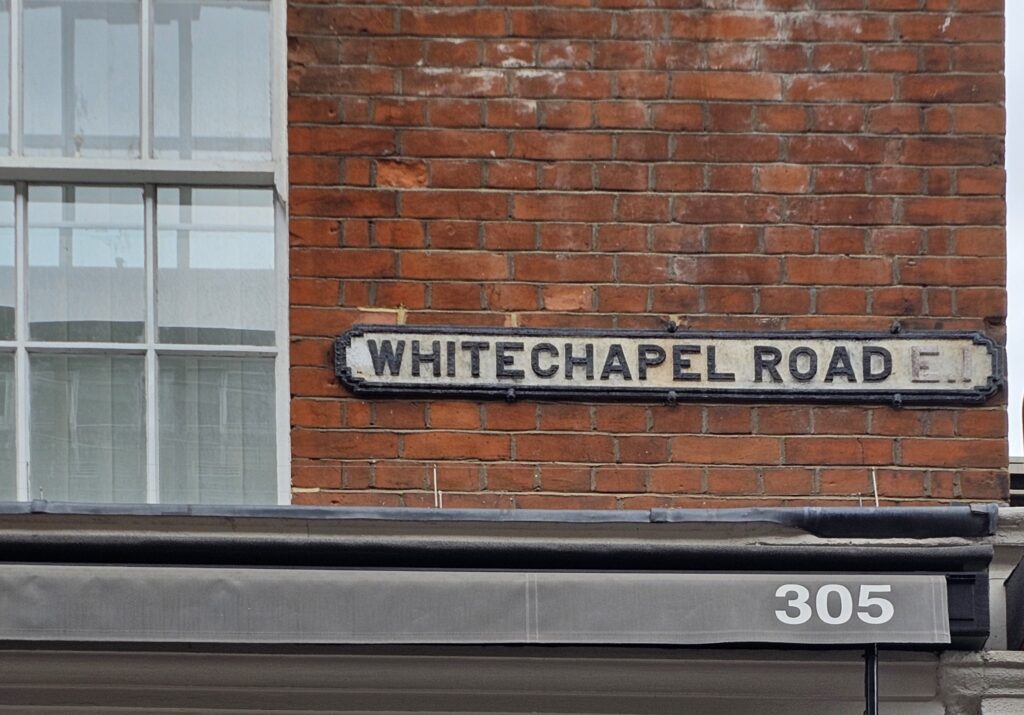
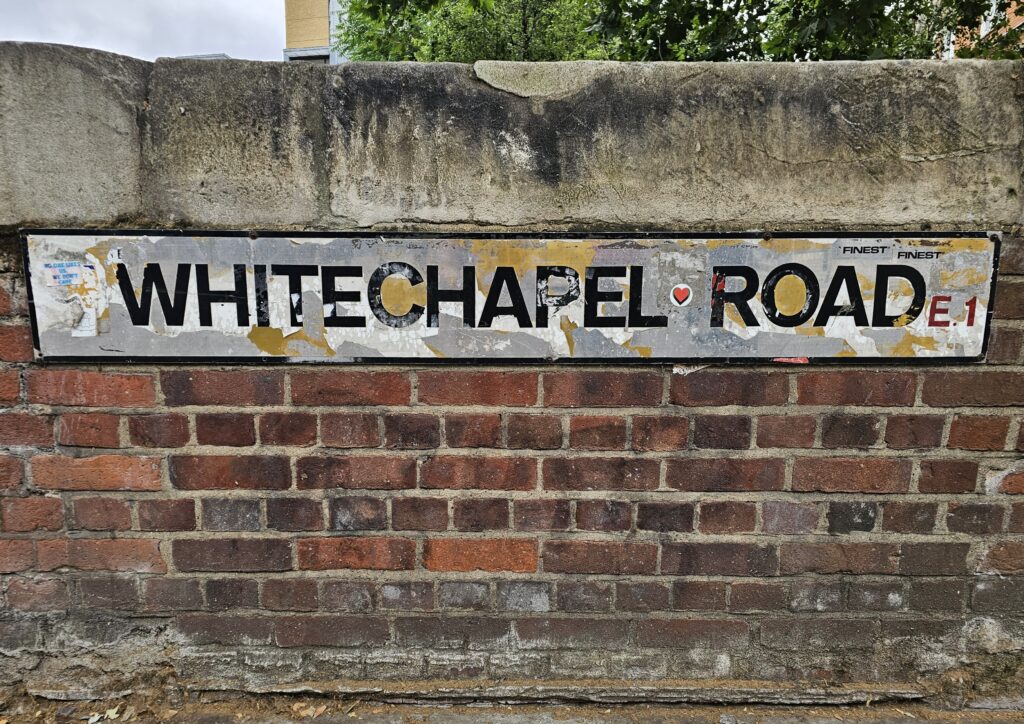
This sign for Whitechapel Road is situated outside Altab Ali Park, which was the site of the original St Mary’s Church (heavily bombed during The Blitz in 1940) whose white chapel gave this area its name.
EXTENDING BEYOND WHITECHAPEL ROAD
I was joined by Mr Gochugaru and Junior 3 for this walk, and we extended it by heading to Spitalfields for lunch. In particular, we were looking for Two Roosters‘ Hainanese Chicken Rice. We met the owners, Terence and Julian, and I warmed to them immediately as they are the same age as Junior 1. Also, they called me ‘Auntie’.
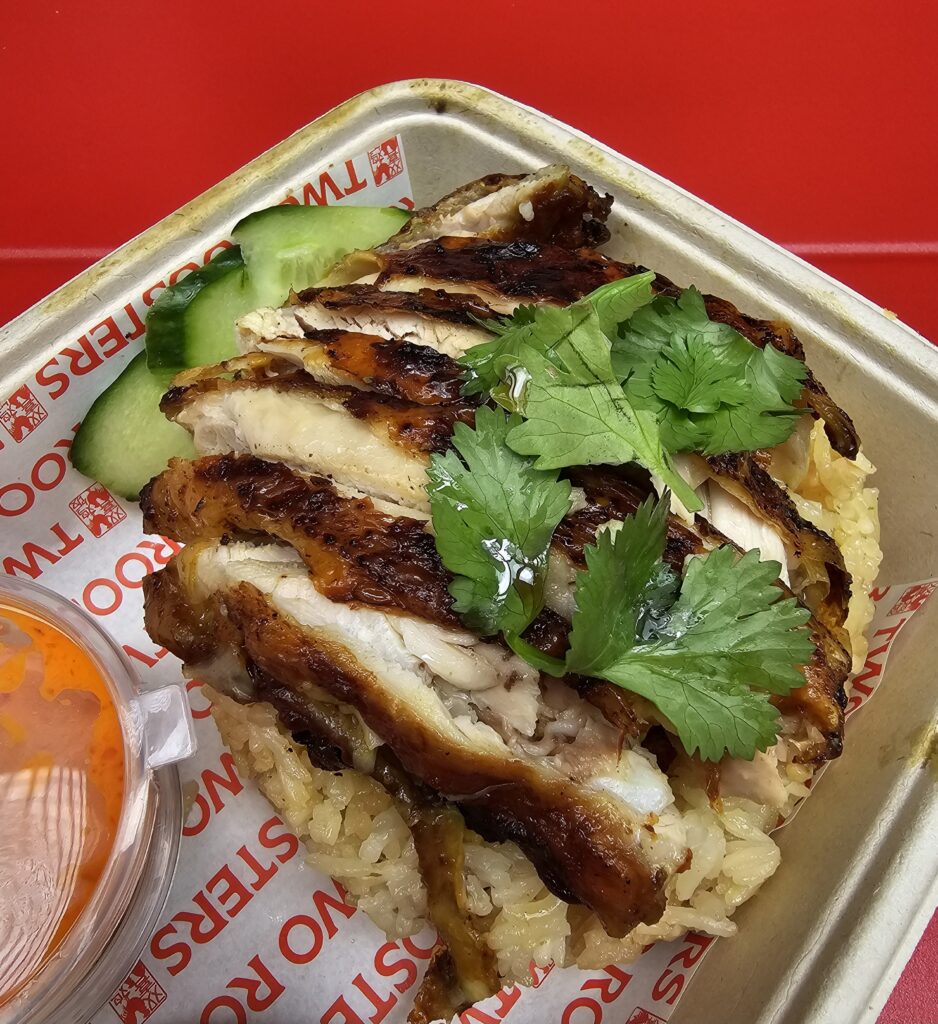
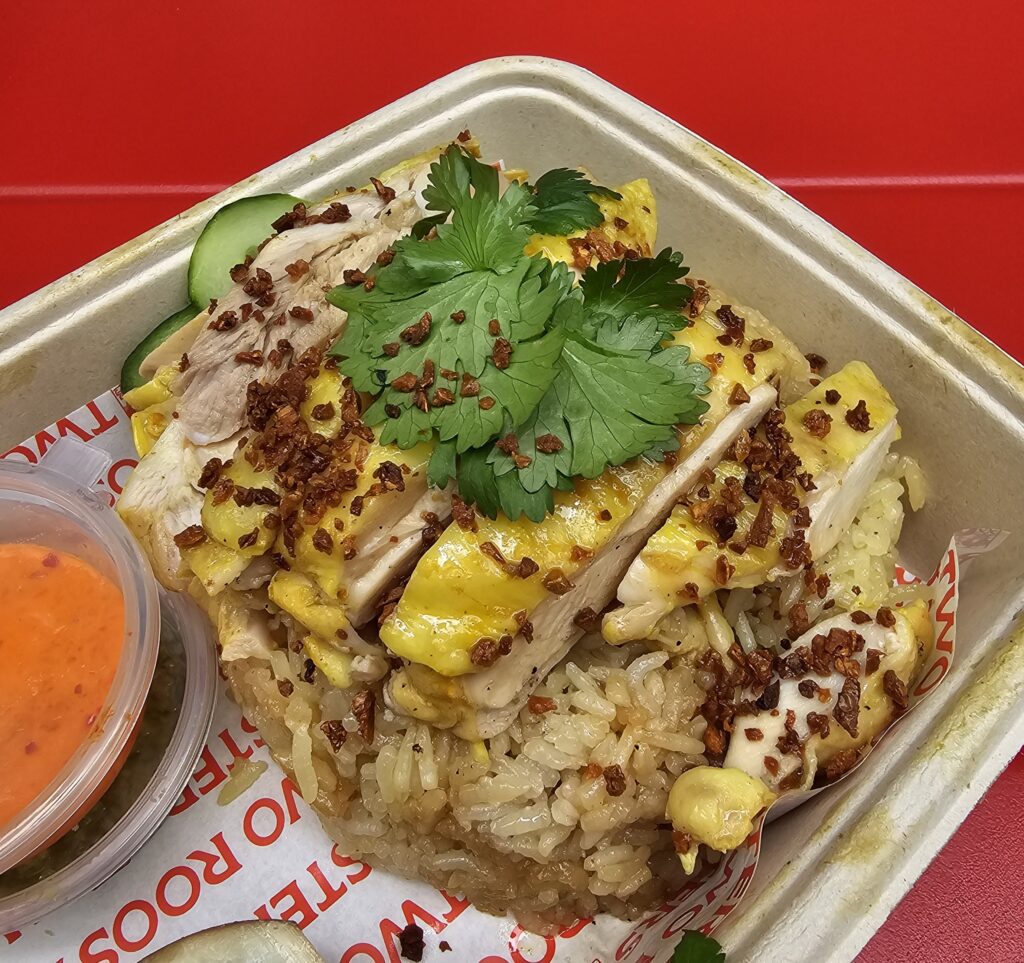
The walk on the way to Spitalfields
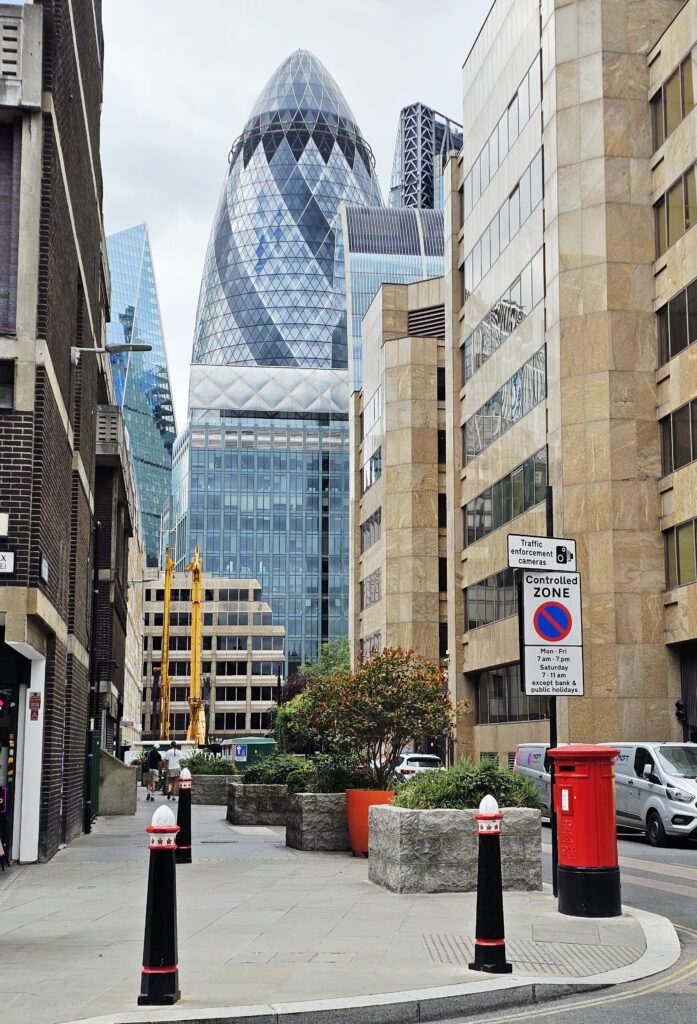
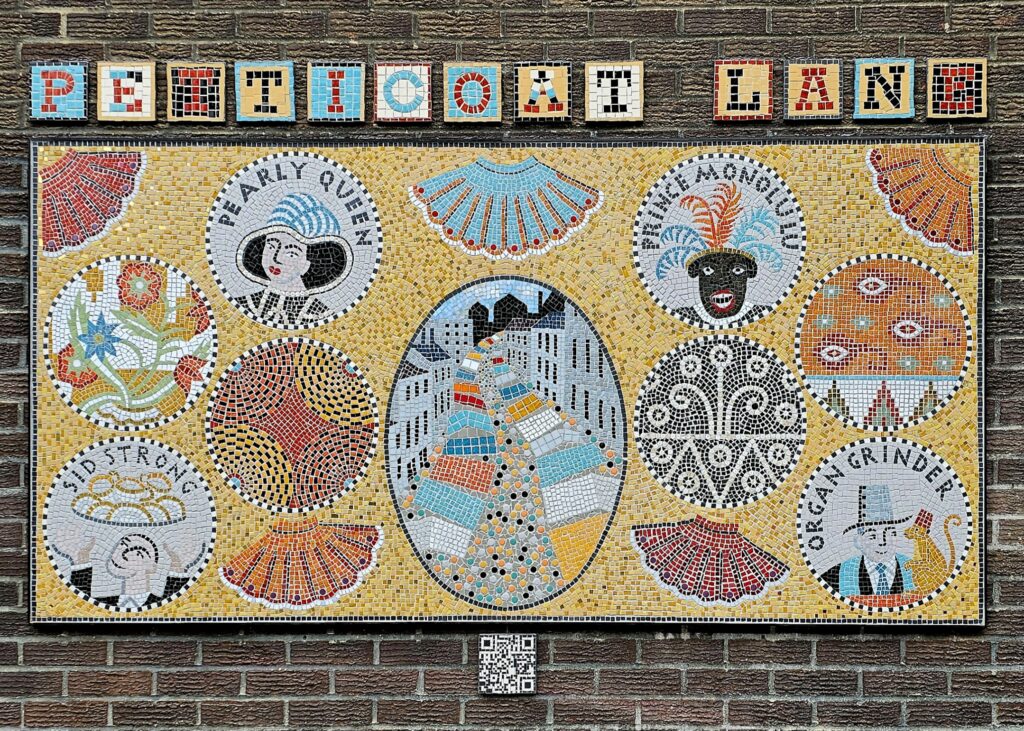
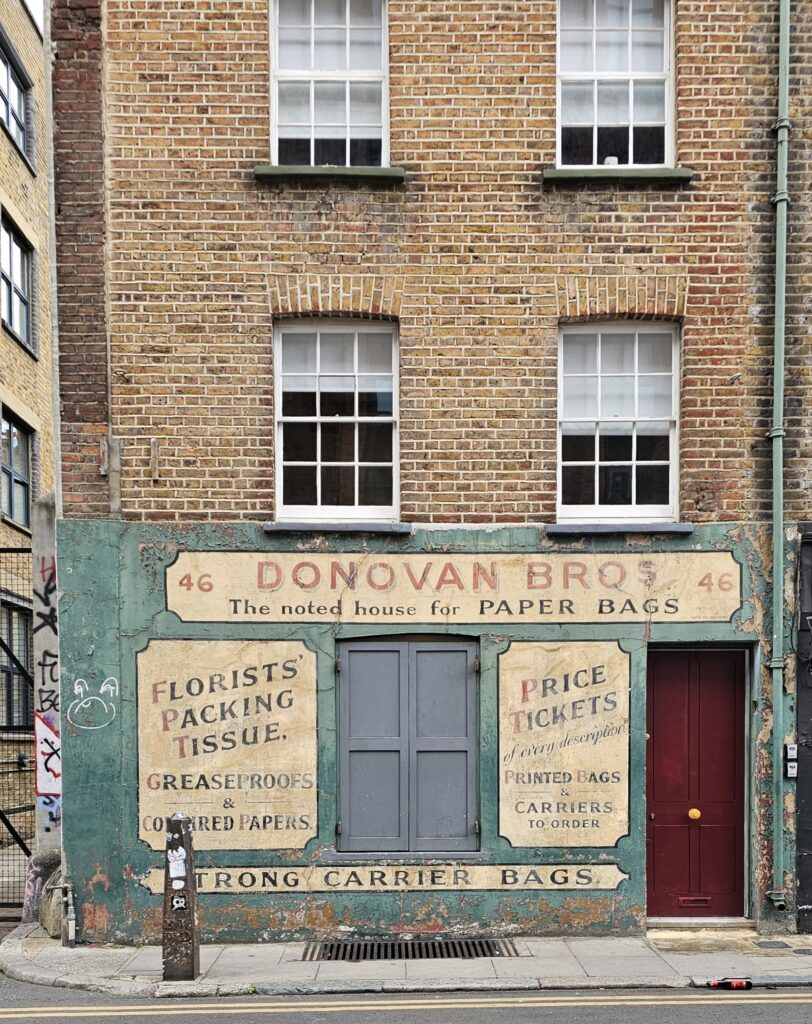
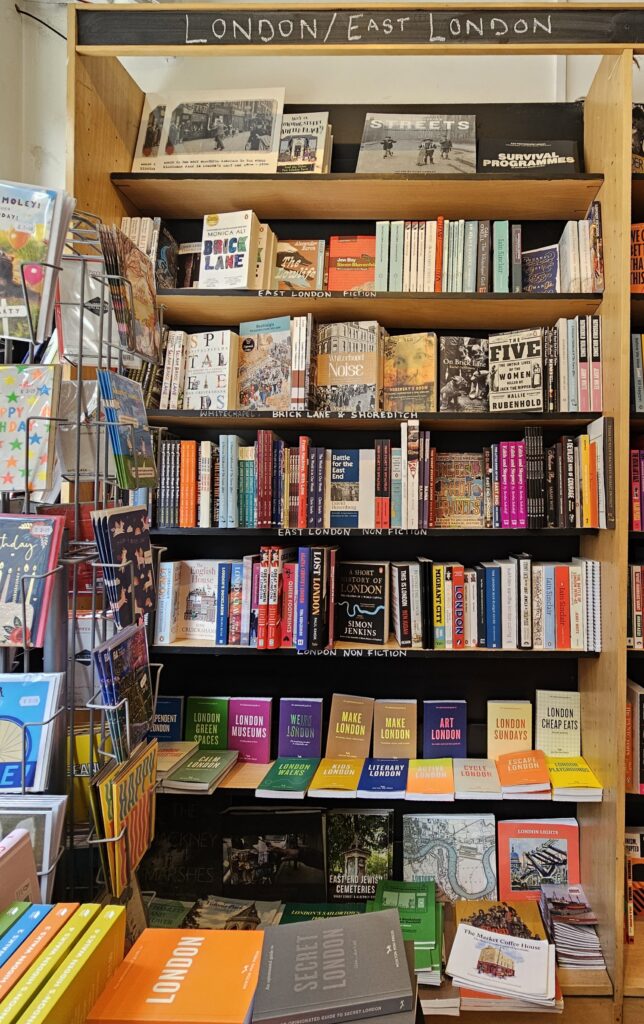
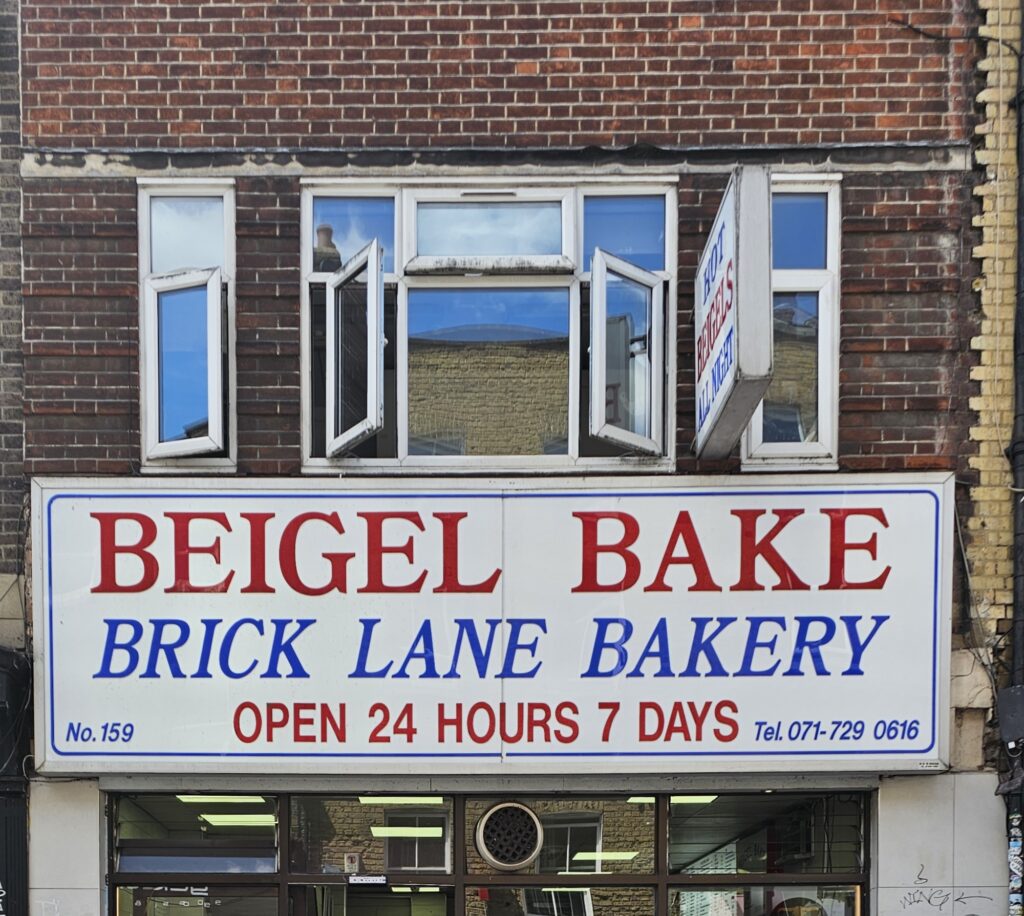
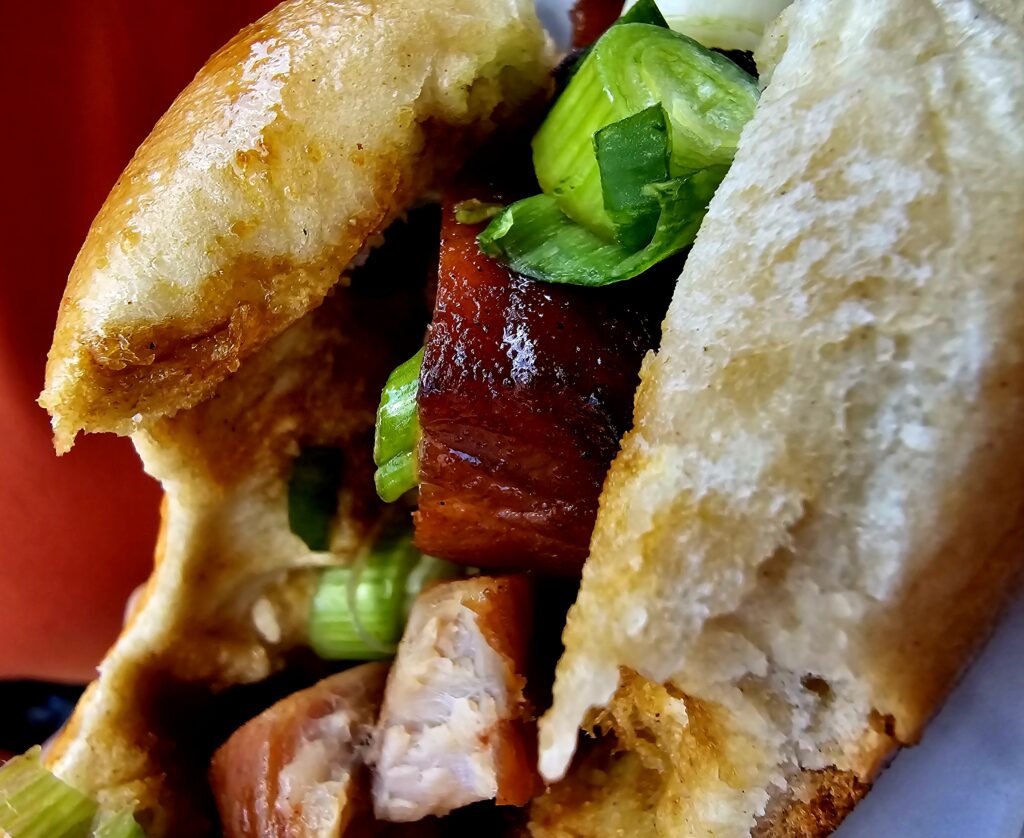
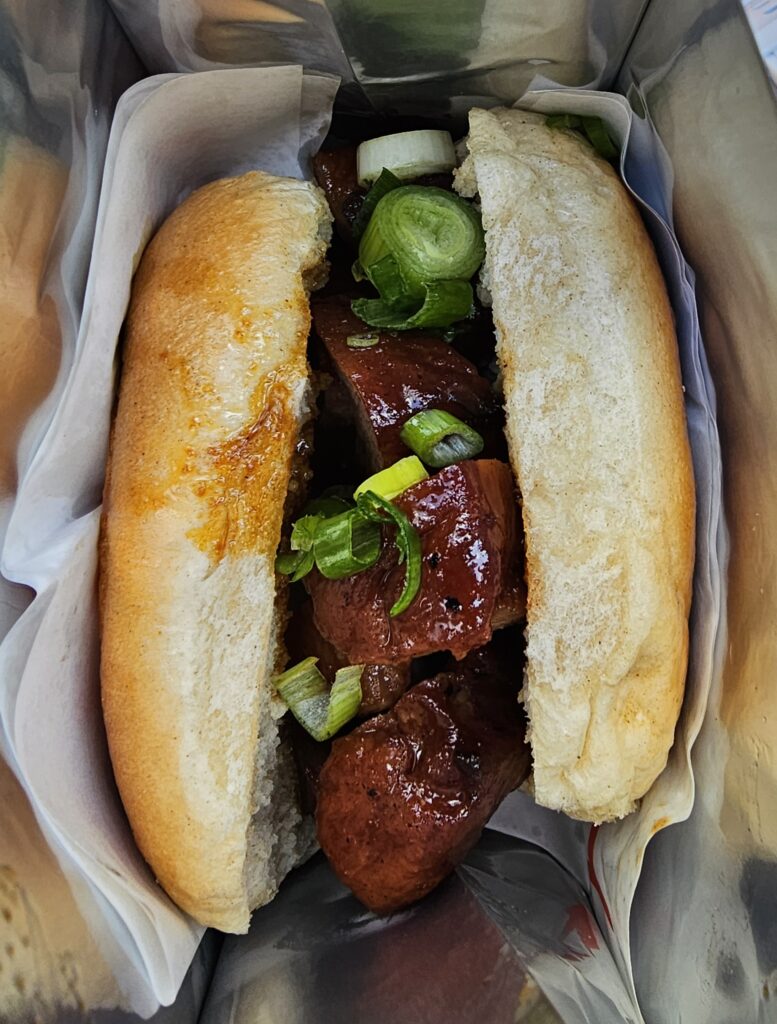
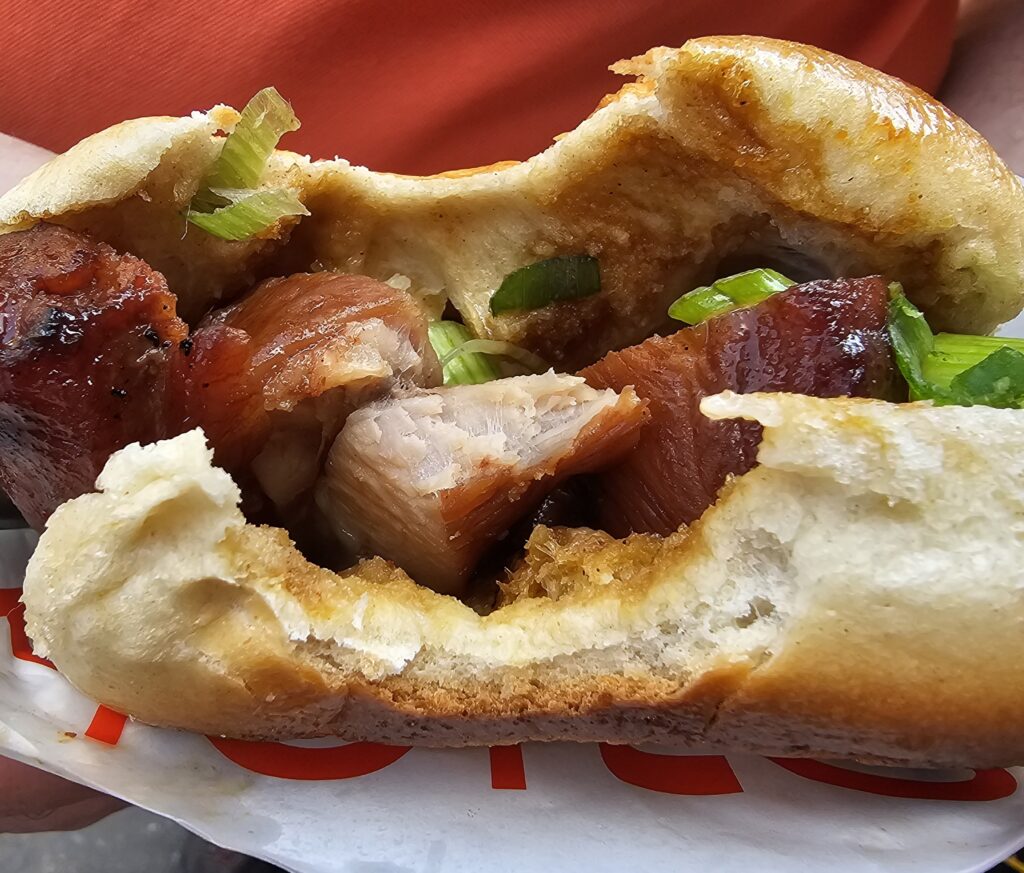
Further along, and to end the walk, we headed north to Brick Lane. We found a bookshop, bagels but no bao. Instead, the char siu came in a bagel and it was delicious.
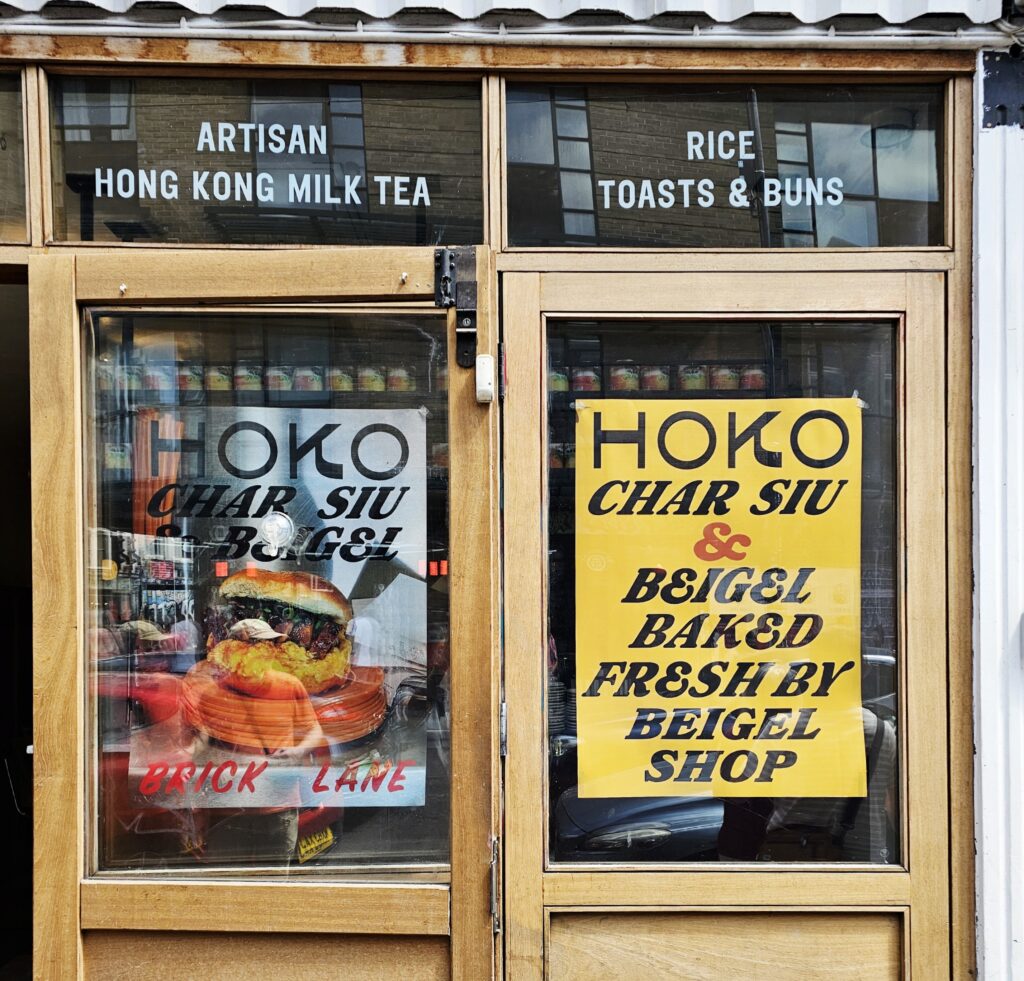
Hoko‘s char siew beigel: a truly genius idea
SOMETHING FOR ANOTHER DAY
When I was in Secondary School, I went to watch a film with my friends after school. I cannot now remember many of the details of The Elephant Man but reading about it now, I am sure I had felt very sad about Joseph Merrick and his life with such severe physical deformities.
There are several Joseph Merrick connections to Whitechapel Road. It was at one of the premises along Whitechapel Road that Mr Merrick was exhibited as a freak by the showman Tom Norman in 1884. The London Hospital, now the Royal London Hospital, was where he spent his final years. There used to be a Joseph Merrick display at The Royal London Hospital Museum, now closed but there are plans to redevelop and open it in future.
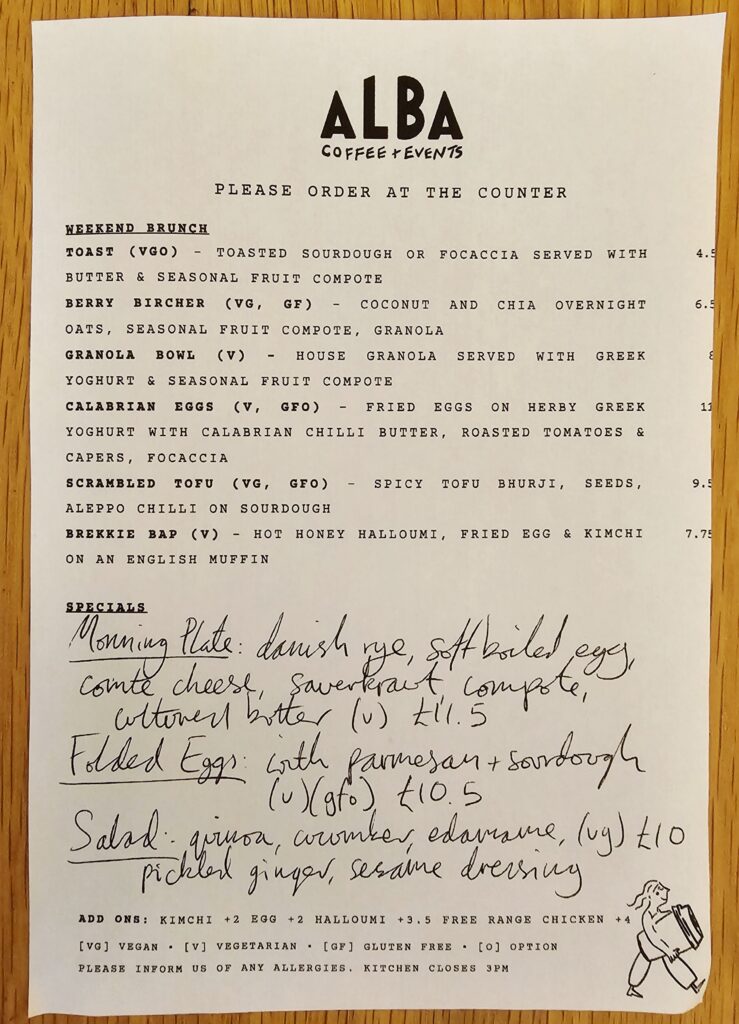
Finally, it was my original plan to start this walk by having breakfast at Whitechapel Gallery (77-82 Whitechapel High St, London E1 7QX), but we had the samosa instead. I will save this for the next time. Menu below from 04 July 2026.
NEXT STOP
The next place on the Monopoly Board is King’s Cross Station. It is an easy destination to reach by public transport, and besides the station itself, I hope to explore the shopping and eating hub that is Coal Drops Yard and the Granary Square.