At the end of April, I ran a short campaign to find 15 more paying members of Not-Ship. And we did it! Thank you to the wonderful souls who chose to back this work. It means the world to me.
💙 Amanda
Each year, 70,000 people gather on a dry lakebed in Nevada to build a city from scratch. This is Black Rock City, home to the infamous Burning Man event. Eight days later, it's gone.
But 150 people remain. They line up — side by side, an arms width apart — and slowly walk the 3,800 acres (15.4 km²) of dusty playa. They're looking for MOOP: Matter Out of Place. A screw, a sequin, a cigarette butt.
This forensic-style sweep takes weeks; everything they find is removed and logged. At the end, they're left with a remarkable accounting of what 70,000 people left behind: The MOOP Map. And I'm obsessed.
The Burning Man 2025 MOOP Map
Indicates effort and time spent on MOOP cleanup across Black Rock City.
The map is colour-coded by severity of cleanup. Yellow indicates moderate MOOP conditions, where crews slow their pace to make sure nothing is missed. Red are the zones most heavily affected — difficult enough to stop progress entirely.
"In simple terms, the MOOPier an area is, the more labour and field time it takes to clean until crews are no longer finding debris," Dominic Tinio, who goes by DA, explained to me. As Burning Man's Environmental Restoration Manager, he's in charge of the MOOP process.
The future of the community depends on getting this right. Black Rock City is only allowed to return to the playa each year if it passes a strict post-event inspection from the Bureau of Land Management (BLM): No more than one square foot of debris can remain per acre (0.23 m²/ha).
Average yearly debris found by the MOOP, 2006 to 2025
The BLM tests the playa at 120 points across the site; no more than 12 can exceed the one square foot per acre limit. In most years, Burning Man passes comfortably — but not always. In 2023, 11 of those 120 tests came back over the threshold, the closest the event has come to failing in recent memory.
During cleanup, the MOOP team also documents what kind of debris they find. In 2025, lag bolts were by far the biggest problem. They anchor tents, art pieces, and other infrastructure into the ground, and can easily disappear beneath the dust.
Lots of lag bolts, not many cigarette butts
Types of debris found during the 2025 MOOP.
Since the MOOP is so meticulous, the team can determine whether debris problems are widespread or isolated. For lag bolts? There's no main culprit; everyone is just missing a few.
"The MOOP Map is about shared responsibility in our use of the land," said DA. In addition to helping uphold the BLM standards, it "helps participants, camps, and art projects understand their impact."
Groups in MOOP-heavy areas receive a breakdown of what was found on their footprint, with the hope they will improve the following year. Persistent or serious offenders are flagged to the team responsible for assigning camps their future spots in Black Rock City.
And while it's not the MOOP Map's aim, its release inevitably fuels a bit of public finger-pointing. The "MOOP Map shame thread" on Reddit calls out individual camps that perform poorly.
The MOOP Map has been around for two decades. Over that time, the data show a relatively clear picture. "Since 2006, over the long arc of the MOOP Map, the most striking trend is that the community has steadily improved at Leave No Trace, even as Black Rock City has grown dramatically in size, complexity, and population," says DA.
MOOP per person peaked in 2010
Debris per 10,000 people, 2006 to 2025.
Leave No Trace is one of Burning Man's ten guiding principles. Principles are easy to declare. But the MOOP Map makes it something the community actually has to face. After 20 years, DA is confident it's working.
"The strongest effect of the MOOP Map is that it drives improvement. Year after year, the community adjusts, learns, and returns better prepared to leave no trace."
KEEP ON KEEPING ON
While the Not-Ship member drive is over (for now), this work continues to run on reader support. But after two weeks of writing "pay if you love this work" emails, I'm tired. All my pitches have been pitched. So I'll just leave the button here, and trust you know what to do with it.
FROM ELSEWHERE
Here's what I found interesting, important or delightful this week:
Marblelous music. Wintergatan is a quirky instrument that relies heavily on marbles to make music. It's beautiful to watch, and doesn't sound anything like you expect.
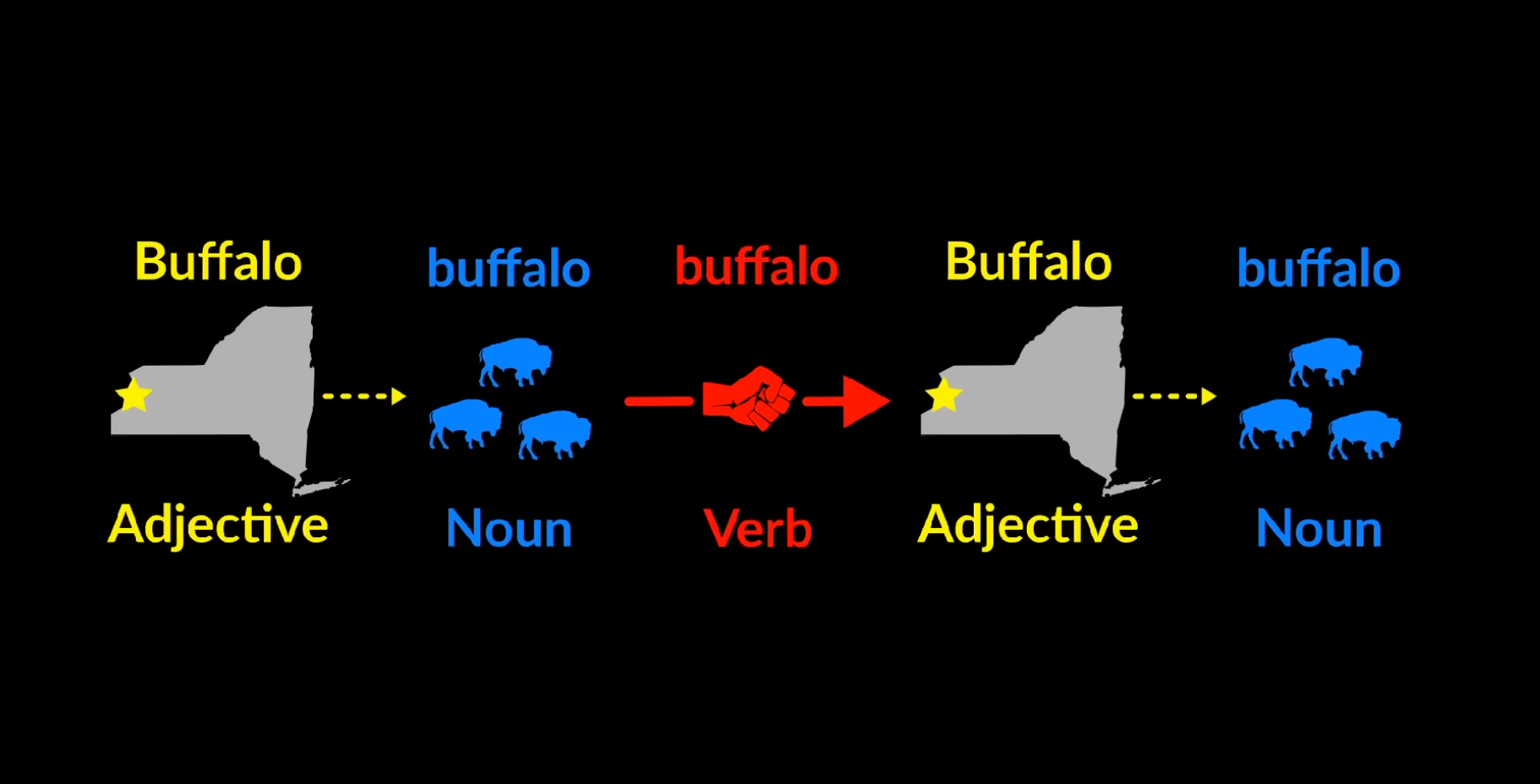
The infinite buffalo sentence. It's a grammatically correct sentence, using just the word buffalo. The video explanation benefits from some useful visuals, but you'll still probably hate this. Or absolutely love it. There's definitely no middle ground here.
MORE NOT-SHIP
Banks are funding climate chaos. You don’t have to.
Switching banks could be one of the most climate-friendly decisions you make.
 Amanda Shendruk
When do most people have the day off?
It’s not the day you think.
Not-ShipAmanda Shendruk

Birds might help us get through this
The mental health benefits of “joy watching” are what we need right now.
Not-ShipAmanda Shendruk