Delivering Results
Design is far more than form or function. It’s the tangible expression of a brand’s identity, values, and promise. While a brand defines what a company stands for, design gives those aspirations form and substance. Design uniquely delivers value: visually, physically, and experientially.
At ThinkNext Design, every creation begins with empathy and seeks purpose. We look to understand not just what people need, but what they desire. Whether crafting something entirely new or reimagining the familiar, our work blends aesthetic restraint with purposeful clarity.
The result is innovative design that resonates emotionally, performs beautifully, and endures as a reflection of the brand behind it. More than 200,000,000 ThinkPads have been sold since 1992, and still counting. That didn't happen by accident.
Design Innovation Gallery
IBM AS/400 Advanced Series
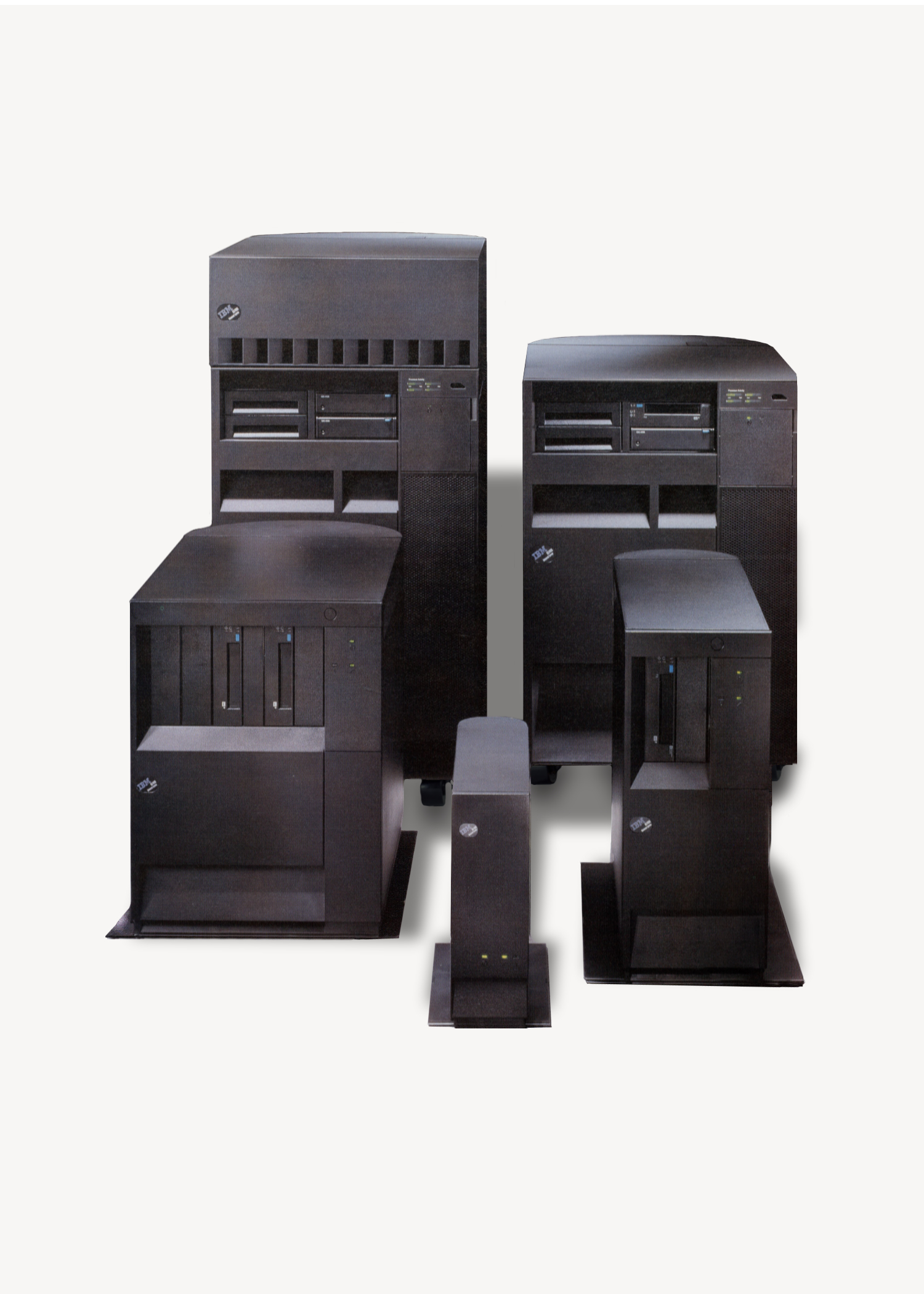
By the early 1990's, the original IBM AS/400 product line was rapidly losing market share due to a growing perception that the product family employed outdated technology, and was highly overpriced. David led a strategic design initiative to recast that image via a sweeping change that would forever reposition the status quo.
The resulting award winning design featured stark black enclosures, dramatic air inlets, and simple yet powerful forms. This was a striking contrast to the putty colored neutral appearance that had come to dominate not only the IBM server products, but the entire industry. Following the series introduction, AS/400 Division revenues jumped by a double-digit percentage. Comments of yesterday's technology were quickly replaced by associations with objects such as the innovative F117a stealth fighter.
IBM AS/400 Advanced Series Security Keystick
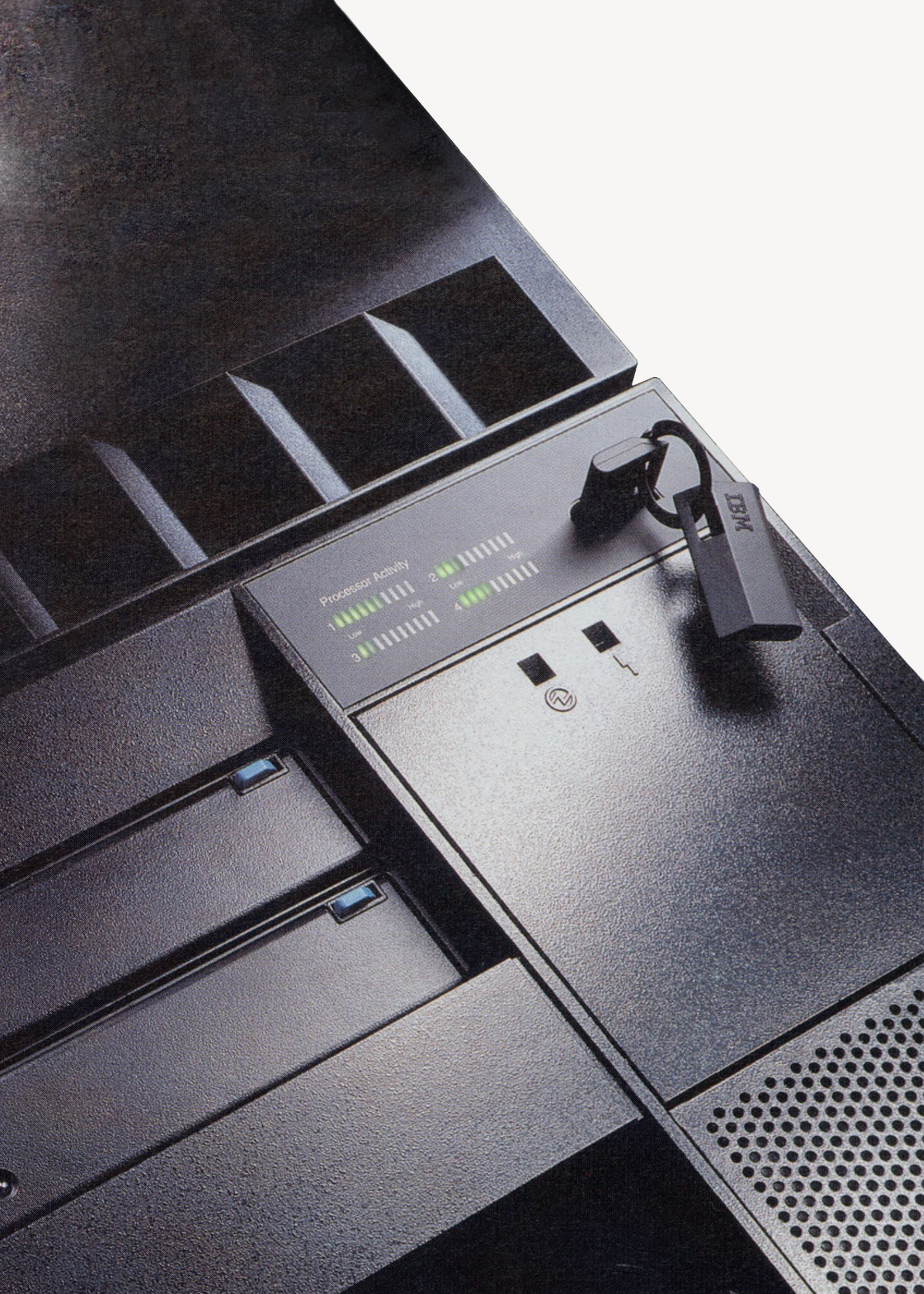
AS/400 systems had a control panel that included special functions that were designed to only be accessed by authorized operators. Restricted access was achieved using a traditional stainless steel keylock mated to a rotating electric switch. Without the key only basic functions could be operated. Unfortunately the assembly was very costly and the metal key/lock was a source of potential electrostatic discharge. The security keystick eliminated the dated and flawed assembly entirely. Inserting the asymmetrical key enabled access to the restricted functions, cost a fraction of the previous solution and eliminated the ESD issue altogether.
IBM ThinkPad TrackPoint Caps
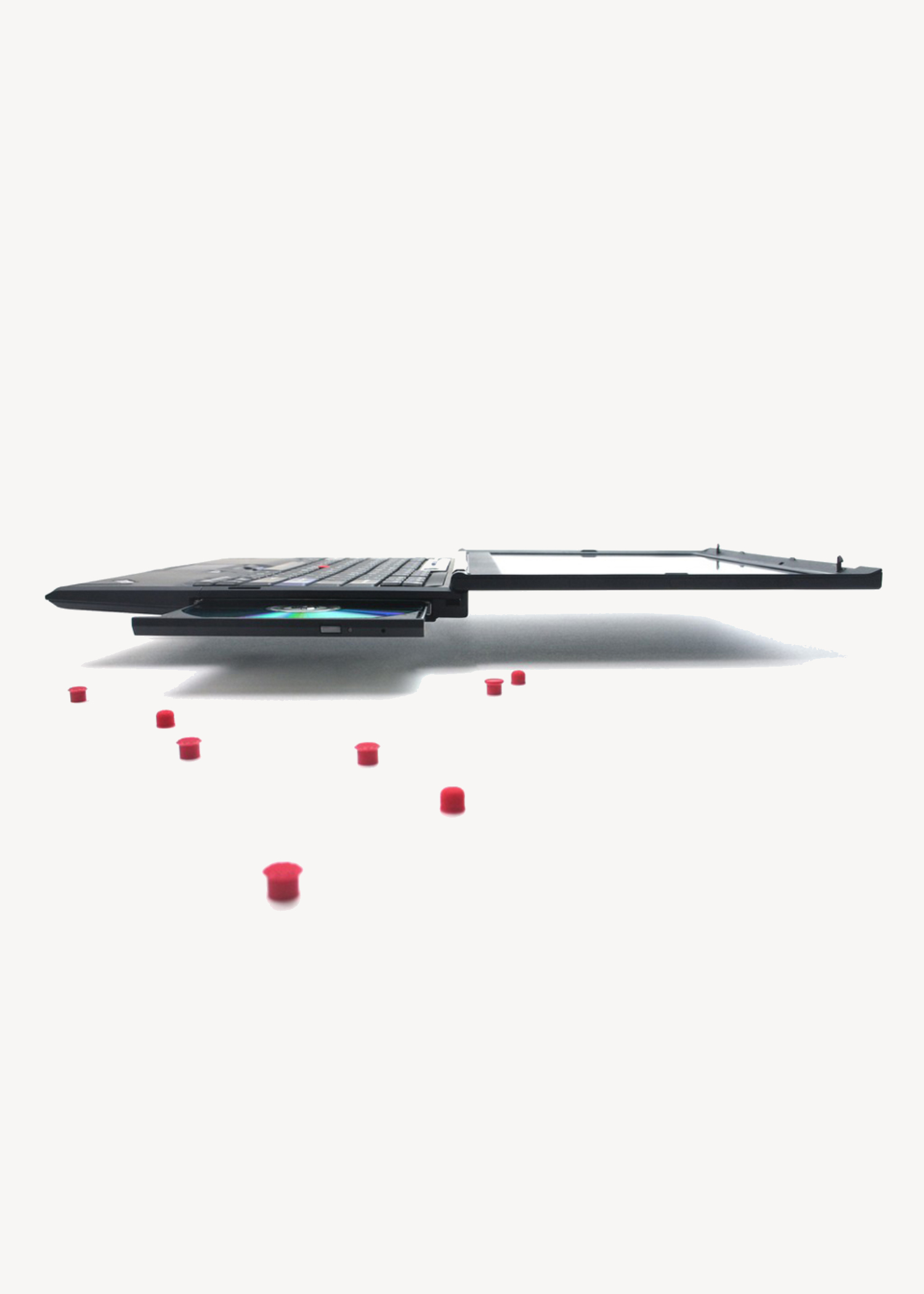
The soft rim and soft dome caps were added in 1997 creating a suite of Trackpoint cap options. The introduction followed an exhaustive design-led initiative to improve the existing cat tongue cap's comfort and utility. The effort revealed that three caps were better than one, giving the user choice. All three were shipped with every ThinkPad for many years. Only the soft dome cap remains in production.

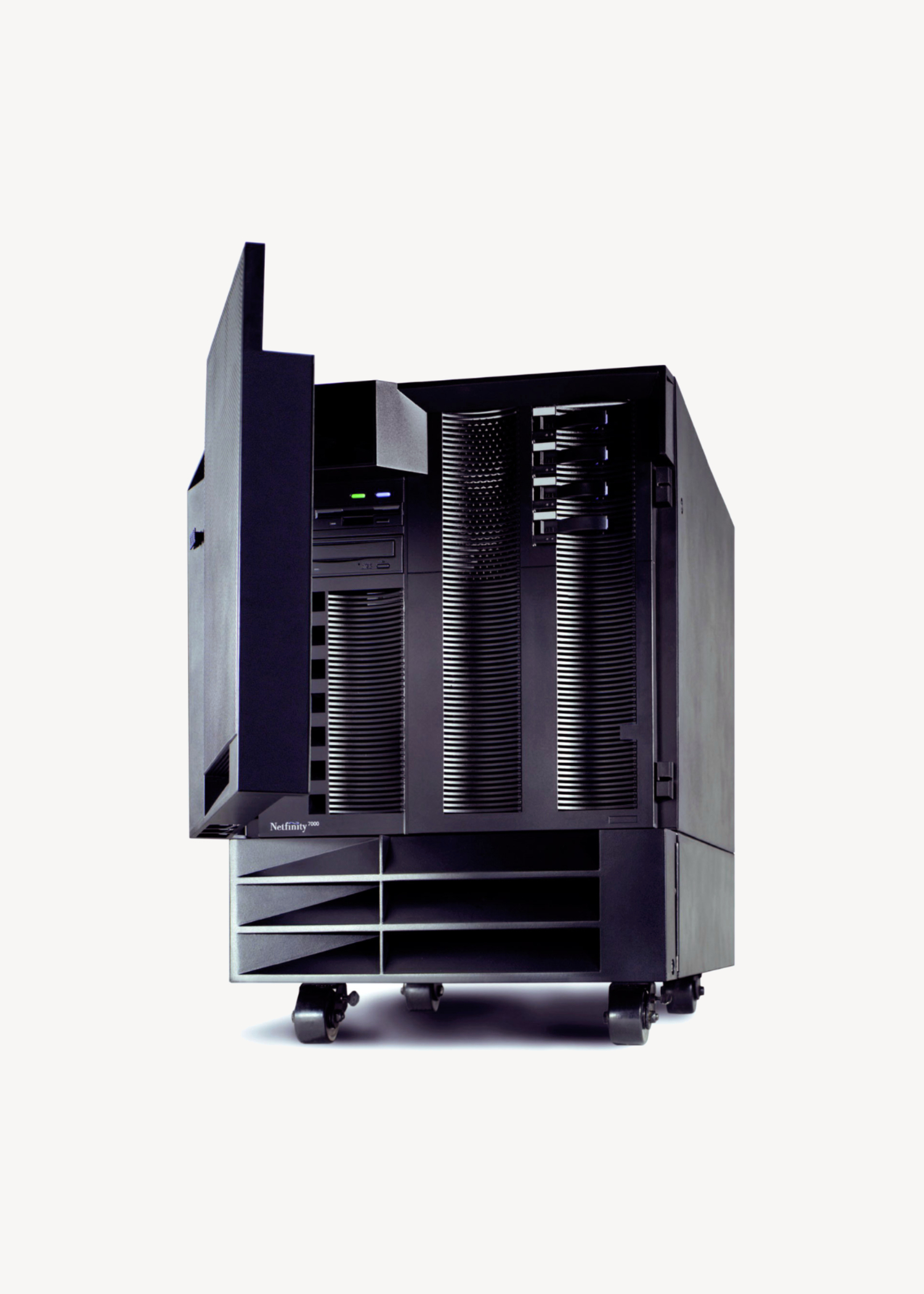
IBM Netfinity 7000
Prior to the introduction of the Netfinity 7000, IBM's PC servers were tower based offerings that often found themselves awkwardly placed on shelves in generic computer racks. The Netfinity design eliminated this makeshift approach with a "rack and stack" solution. The system could truly rack mount using industry standard rails, or stand alone as a tower. The design also included a stacking NetBay with provision for mounting rack mounted OEM devices without purchasing a full blown rack. Many of the system components, including hardfiles, were removable from the front without tools.

IBM ThinkPad ThinkLight
The ThinkPad ThinkLight was first introduced on the ThinkPad i Series 1400. Observing a fellow airline passenger reading using a small light clipped to the top edge of their book, David immediately thought this idea could be adapted for use on a laptop. The final design used a white LED to illuminate the keyboard from the top bezel. It was the industry's first, and arguably most effective method, of illuminating a laptop keyboard.

IBM NetVista X41
The introduction of the IBM Personal Computer in 1981 was a technology milestone that forever changed the world. Subsequent innovation, however, was primarily limited to technology advancements and improved affordability. In nearly 20 years, little had been done to dramatically change the design paradigm of metal box, chunky monitor, and keyboard. David initiated and led a design project to reinvent the standard.
Working in close collaboration with noted designer Richard Sapper, David and his team created an industry-leading all-in-one computer that capitalized on emerging flat-panel display technology. The final, award-winning design integrated the monitor, CPU, and optical drive into a remarkably slim profile. The optical drive was discreetly concealed within the base structure, dropping down smoothly at the touch of a button.
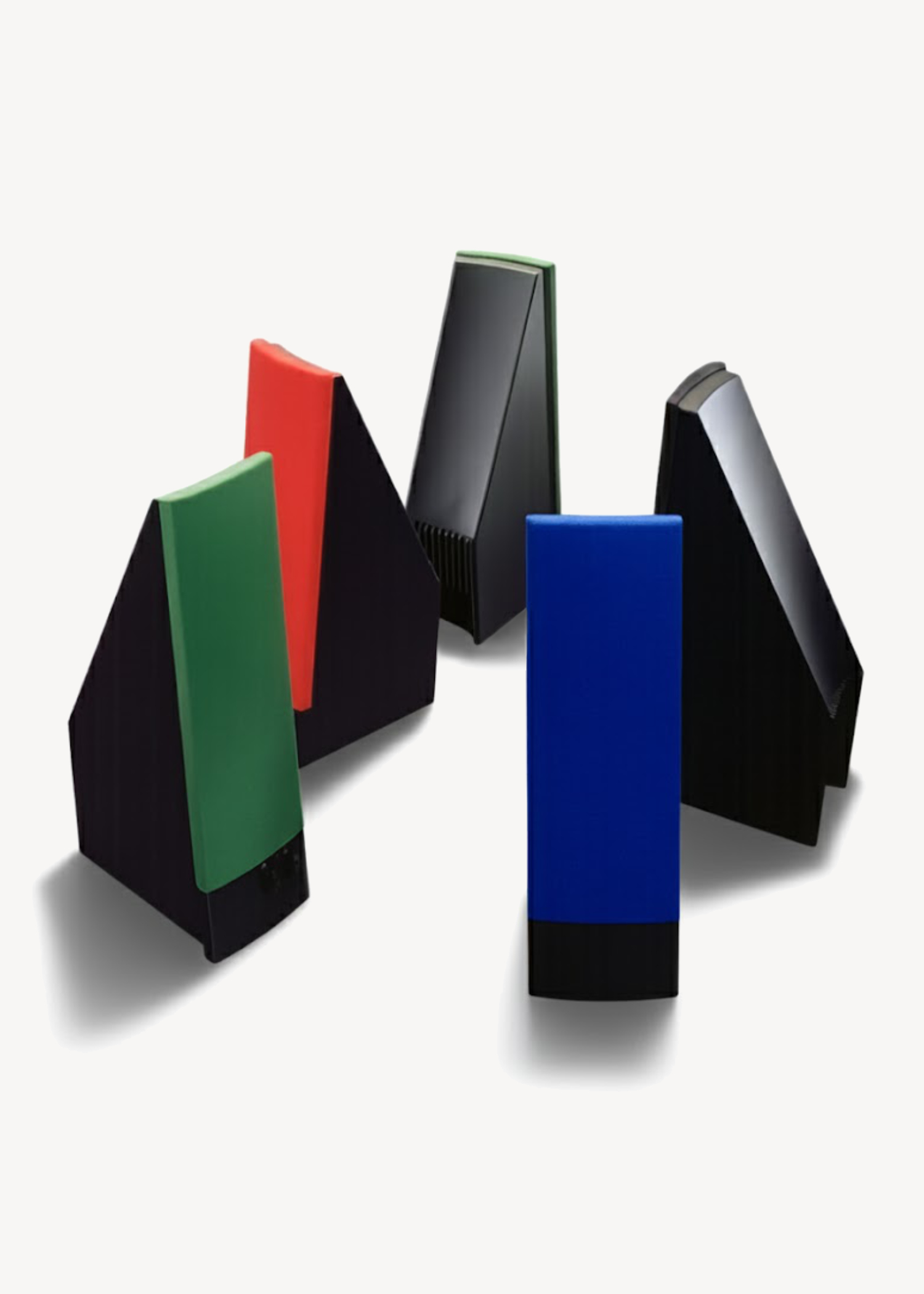
IBM Aptiva S Series Loudspeakers
Bucking the trend for bloated, frivolous designs, the Aptiva S Series speakers were conceived to match the unique angular design language of the flat panel based computer design. The sophisticated desktop speakers could be customized with brightly colored fabric grills adding to the premium image. The design was selected by Dieter Rams for a Best of Category award at the annual IF Design Exhibition in Germany.
Lenovo ThinkPad X300
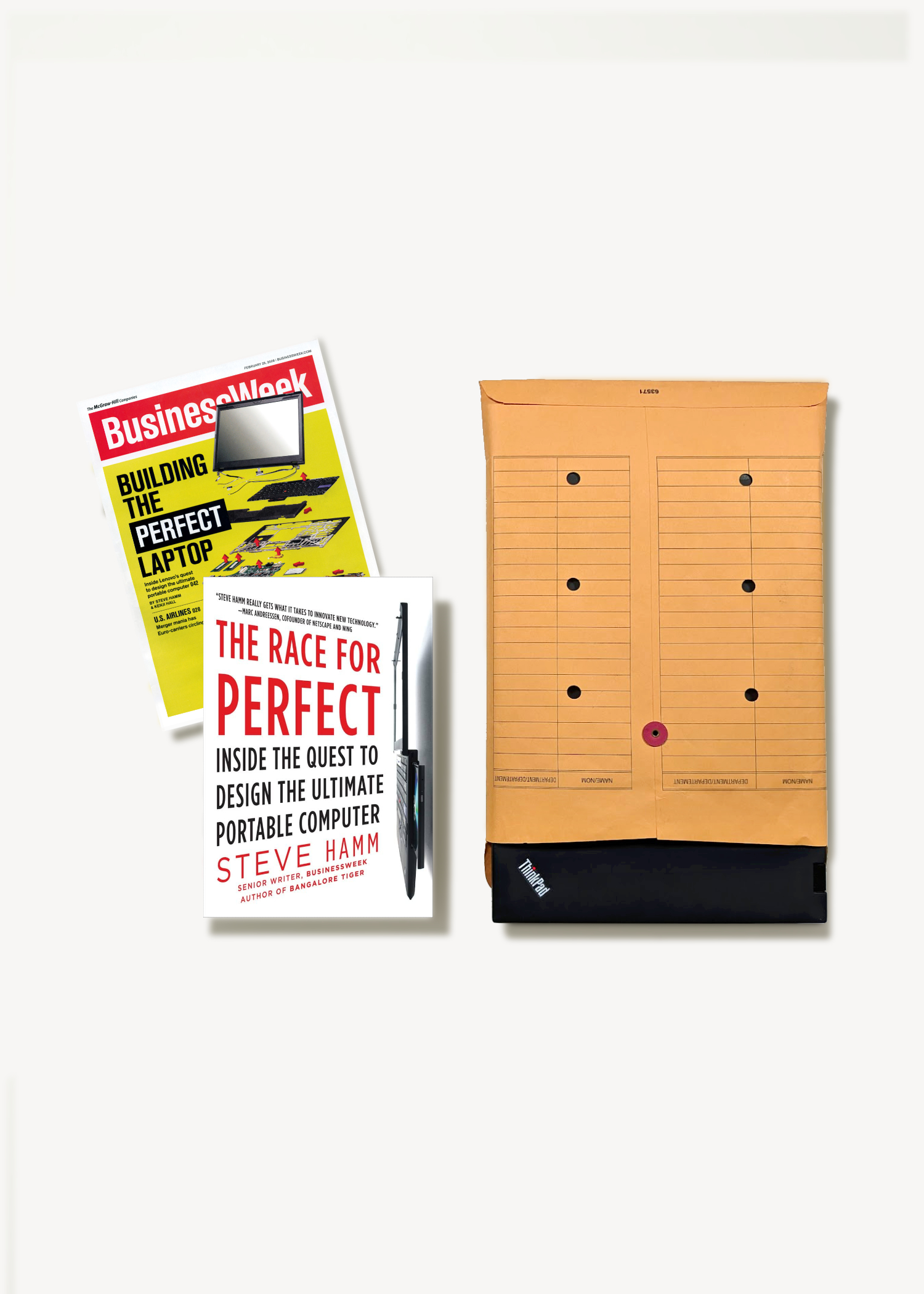
The ThinkPad X300 stands as a landmark in industrial design, proving how disciplined engineering and purposeful aesthetics can redefine an entire product category. Its carbon-fiber and magnesium construction, meticulously refined form, and forward-looking adoption of SSD storage and LED backlighting positioned it as a breakthrough ultraportable long before such features became commonplace. Its development earned widespread attention, most notably in BusinessWeek’s cover story “The Making of the ThinkPad X300,” which showcased the intense, design-driven effort behind the machine. The project was explored even more deeply in Steve Hamm’s book The Race for Perfect, which chronicled the X300’s creation as an example of ambitious, high-stakes innovation. Together, these accounts cement the X300’s legacy as one of the most influential and thoughtfully crafted ThinkPads ever made.
Lenovo Skylight
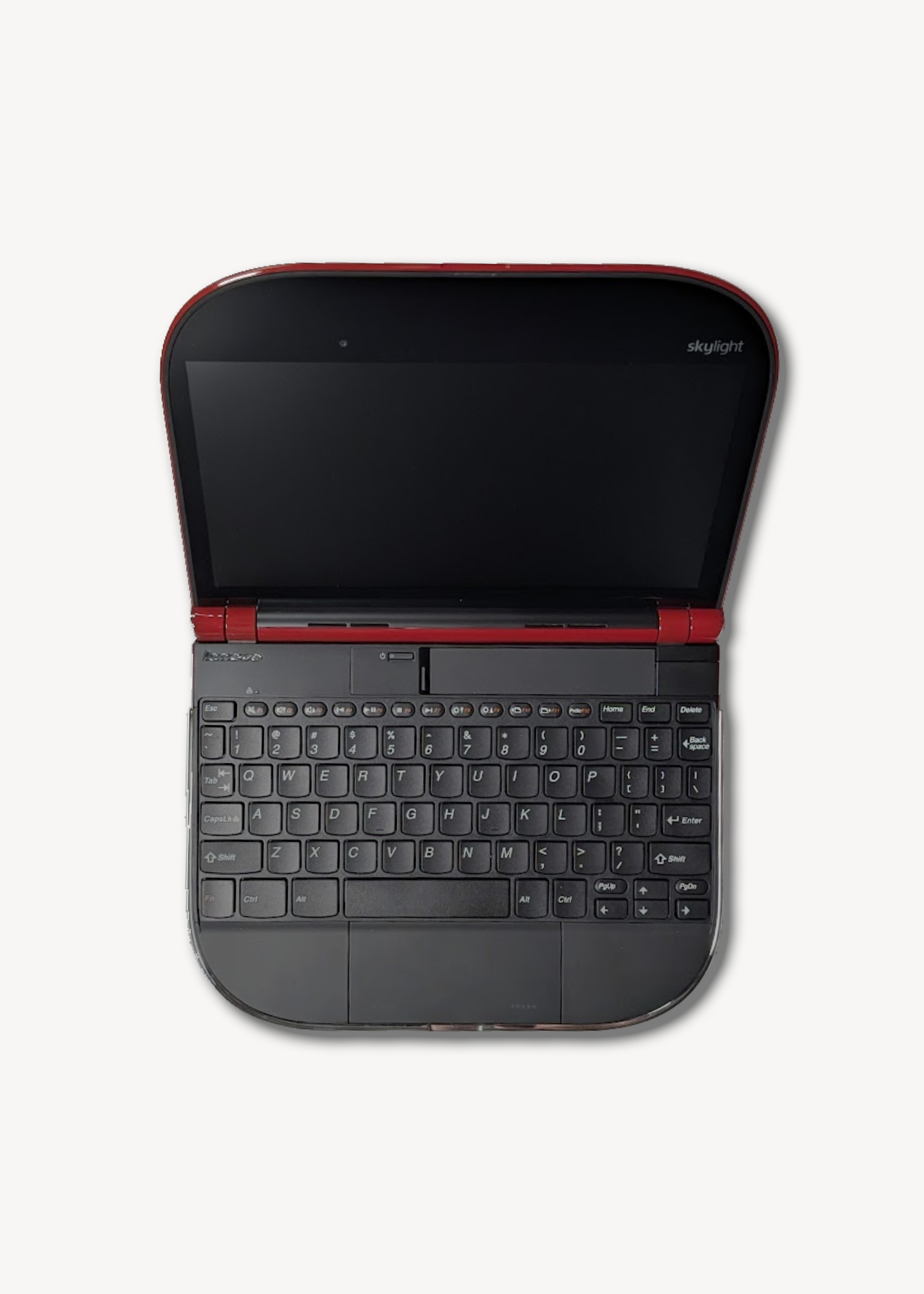
Skylight was an early “smartbook” product designed as a lightweight, always-connected device that blended elements of a smartphone and laptop. The imaginative overall product design was created by Richard Sapper, but the keyboard was the work of David and his team. Although the product was short-lived, the sculpted island style keyboard was eventually adopted for use on future ThinkPad and consumer laptops. The sculpted key surface and unique D-shape aid substantially in enhancing comfort and improving typing accuracy.
Lenovo ThinkPad Wordmark with Heartbeat LED
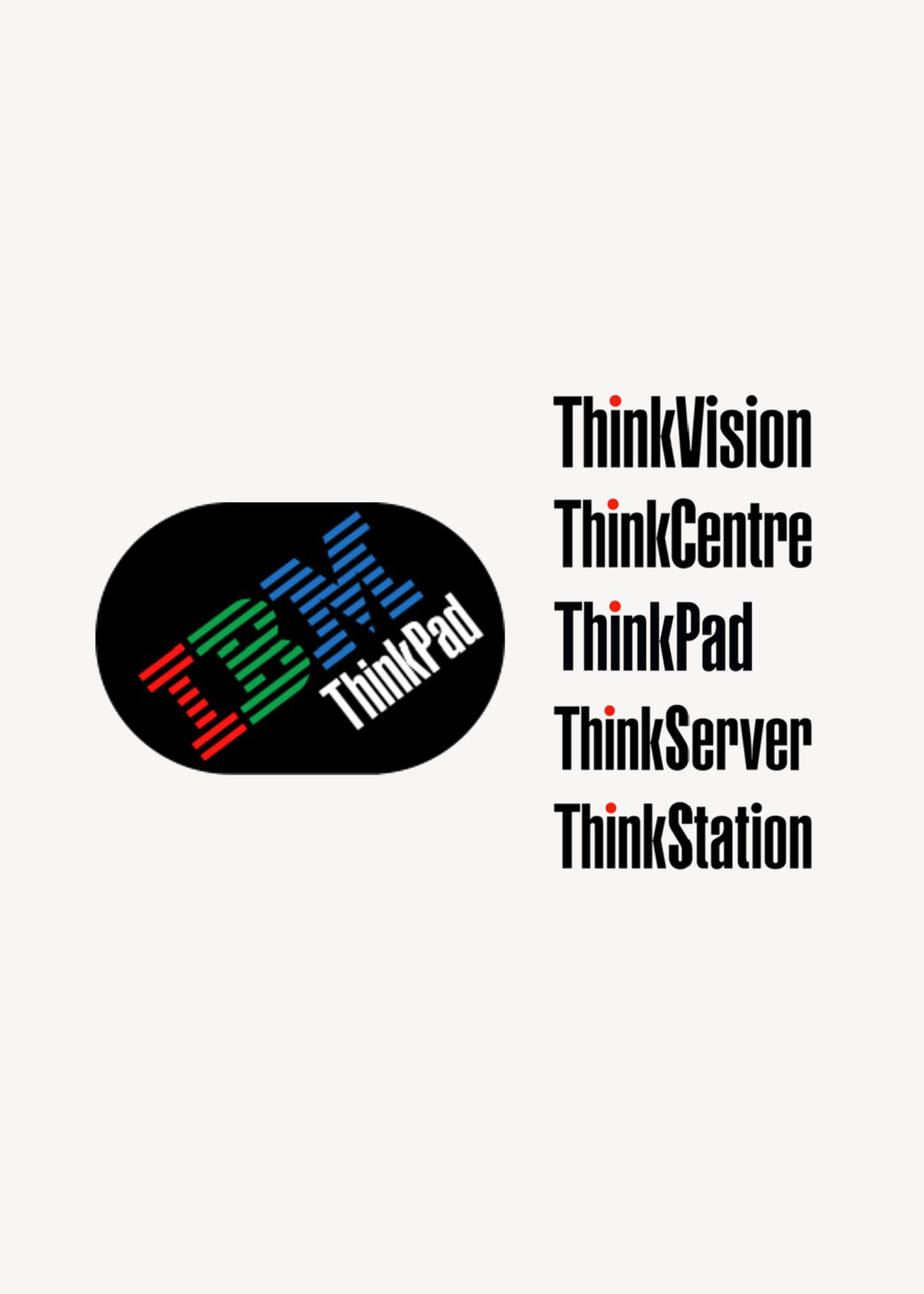

Shortly following the Lenovo acquisition of IBM's PC business, the IBM logo was removed from ThinkPad. David was a strong proponent of establishing ThinkPad as the primary badge on the product due to the brand's high recognition and subsequent value. He proposed using the sub-brand font, normally appearing below the IBM logo, as ThinkPad's new wordmark. He enhanced it with a bright red dot over the letter i which was derived from the TrackPoint cap. His now iconic concept was universally adopted as the new ThinkPad product badge worldwide in 2007.
In 2010 the dot was enhanced with a glowing red LED that is still in use today. The dot glows solid if the ThinkPad is powered on and slowly pulses like a heartbeat when in a suspended sleep state. The design draws attention and adds life to the brand.
ThinkPad X1 Carbon

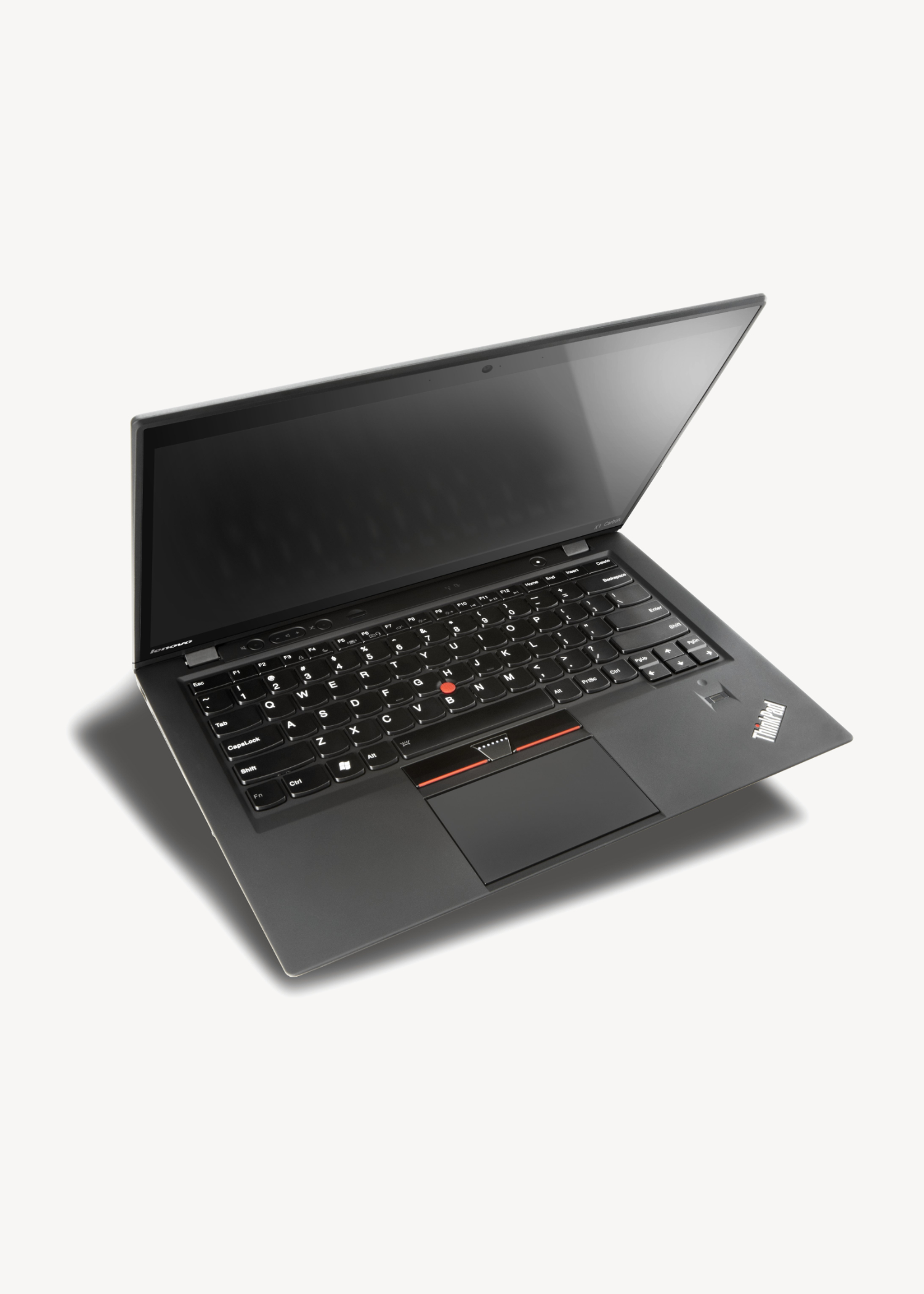
The first-generation ThinkPad X1 Carbon introduced a bold new interpretation of classic ThinkPad design. It's carbon-fiber reinforced chassis delivered exceptional strength with a remarkably low weight. The sculpted island-style keyboard, subtle red accents, and gently tapered edges gave it a modern precision appearance without sacrificing the brand's renowned usability & iconic visual impression.
Lenovo ThinkPad Precision Wireless Travel Mouse
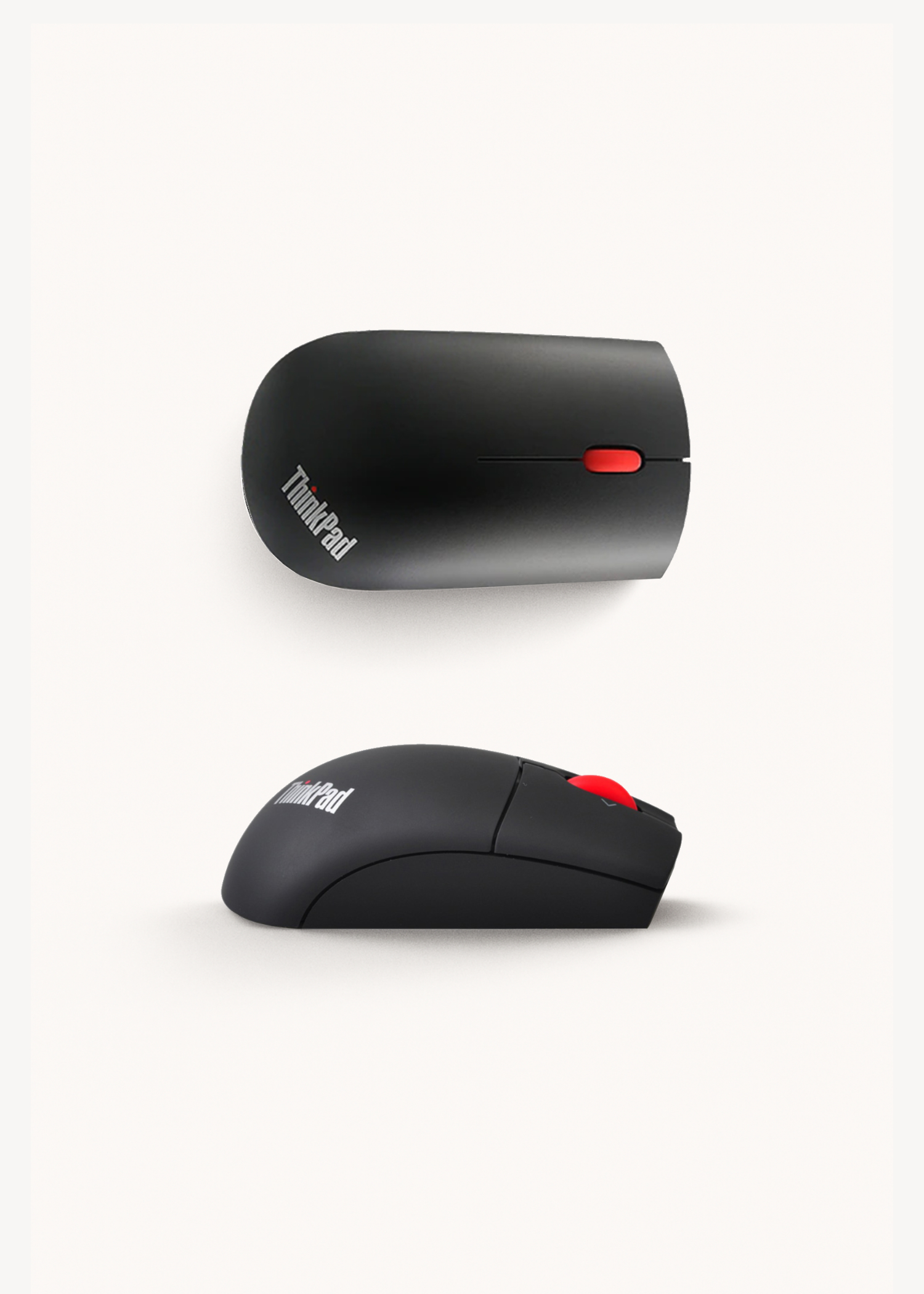
The scaled-down travel mouse shares it's essential geometry with a mouse originally created for IBM's Aptiva lineup in the late 1990's. The characteristically low front, generously sculpted tail and inwardly inclined side surfaces enhance ergonomics and daily use. These design concepts have been nearly universally adopted by other computer/accessory manufacturers.
Lenovo ThinkPad 8 Tablet QuickShot Cover

When using a tablet as a camera the screen cover typically flops around since folding it all the way around would block the camera. The quickshot cover eliminates this inconvenience thanks to a patented folding corner. When folded back, it automatically launched the camera app to let you take a picture instantly. The flopping cover annoyance was eliminated.
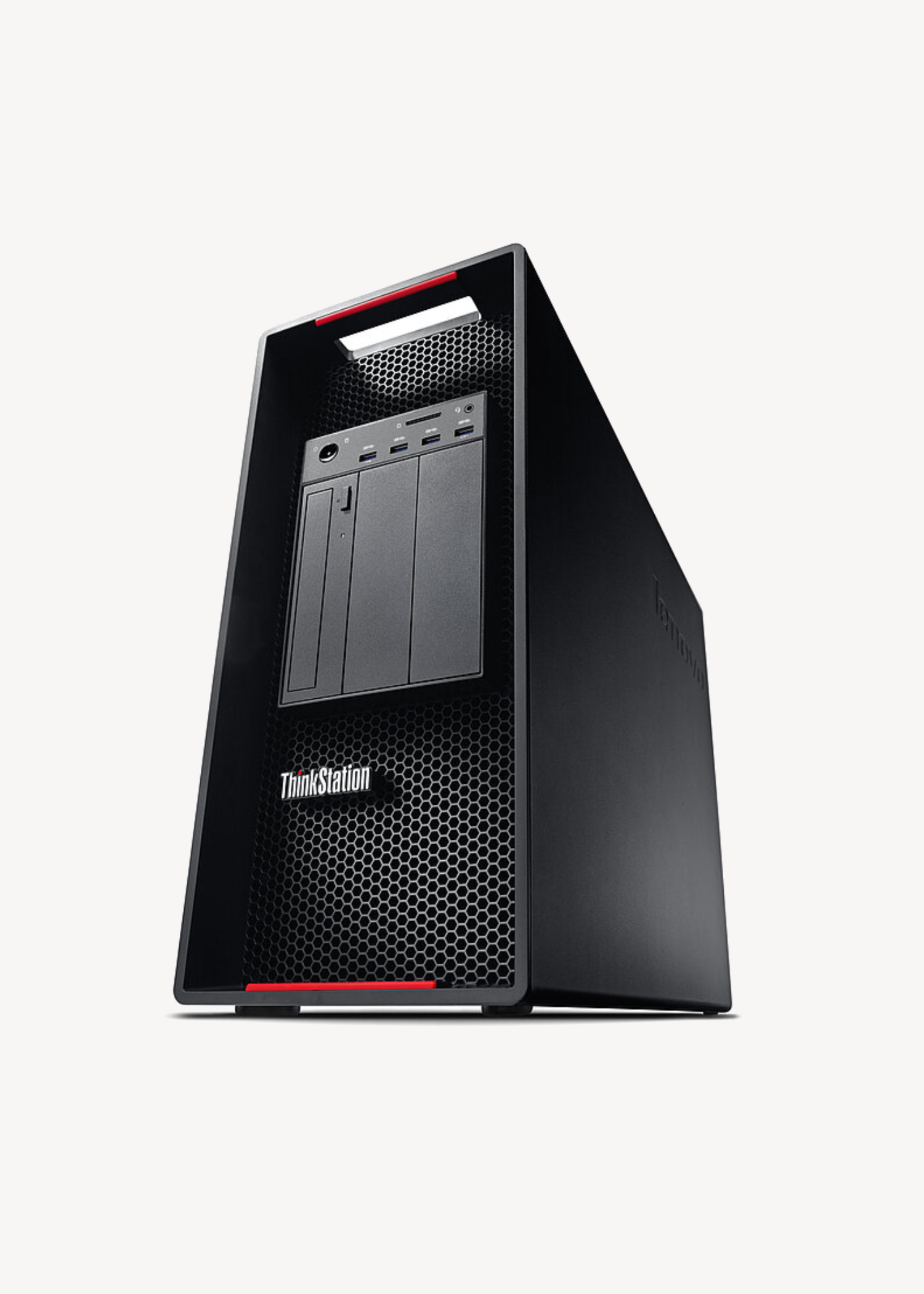

Lenovo ThinkStation P900
The revolutionary design replaced the bezel/box paradigm with a form that resembles a rectangular tube through which large volumes of air pass. The unique appearance telegraphs raw power. The design, however, is much more than skin deep. The machine's innovative interior is highly modular and eliminates the need for tools to replace or upgrade key components. Flush handles are thoughtfully incorporated in the shell for moving the workstation.
Lenovo ThinkPad X1 Tablet
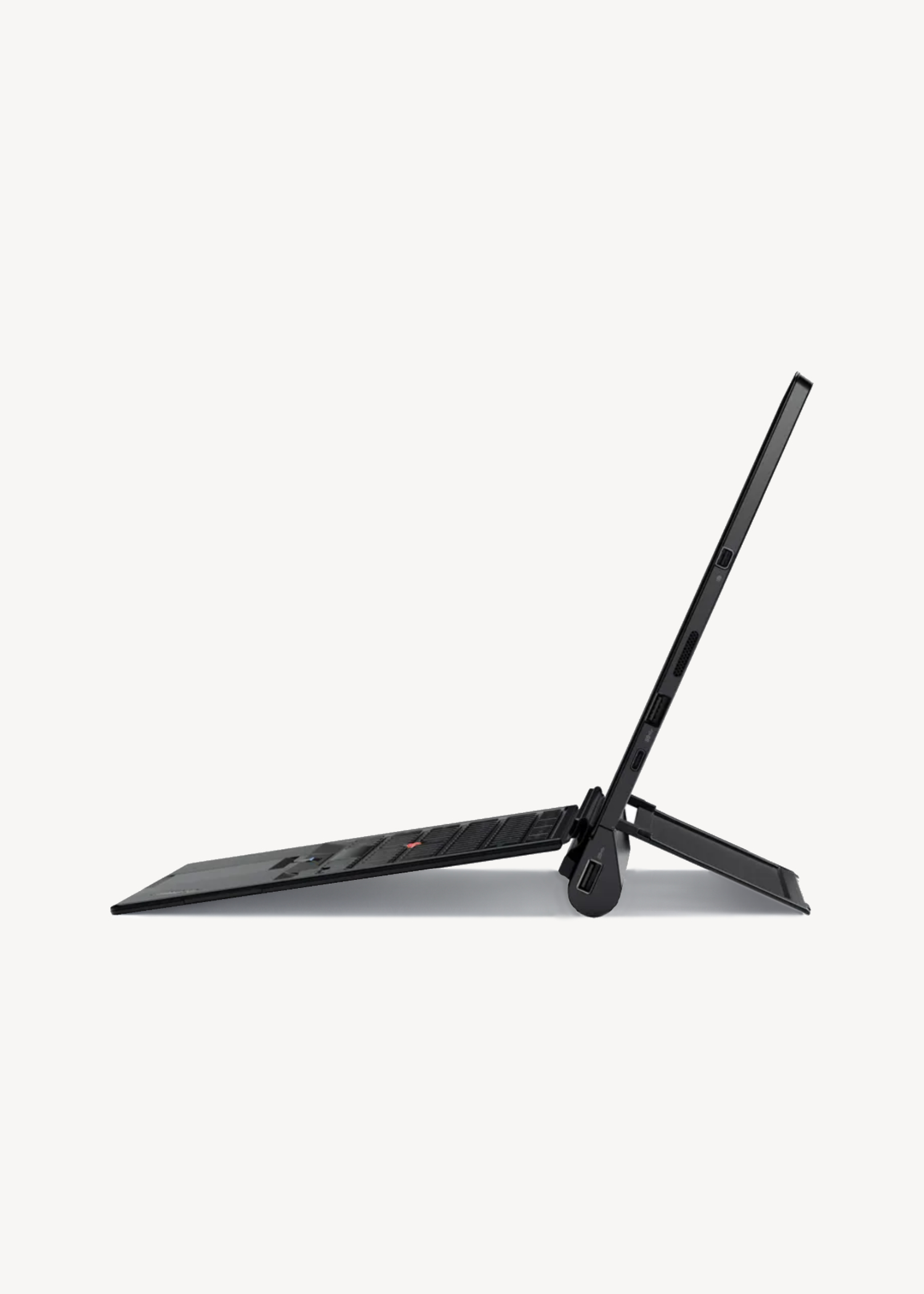
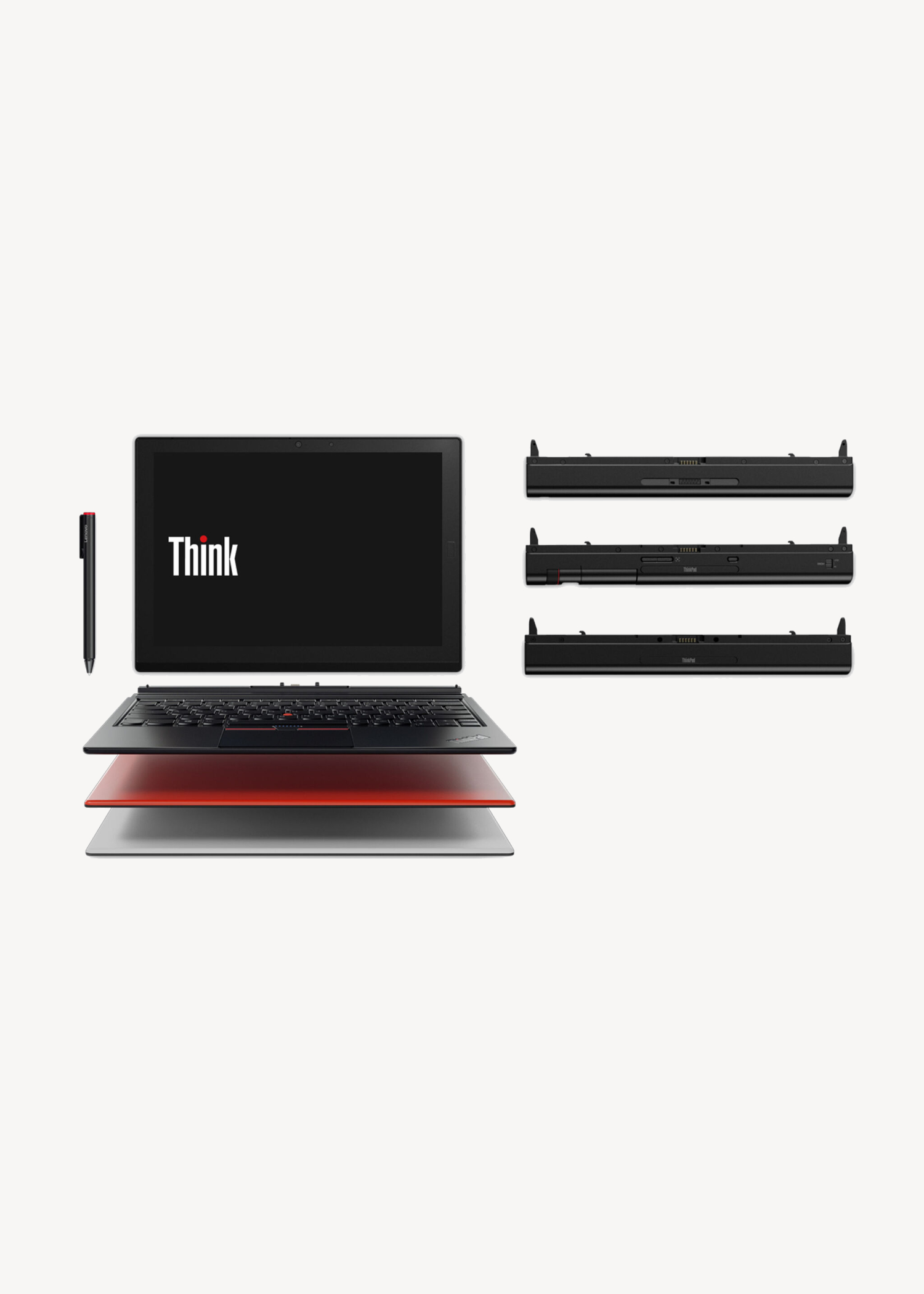
The pioneering ThinkPad X1 Tablet design featured a uniquely hinged kickstand that enabled customizing the user experience with a system of snap-on modules. Modules offered were the Productivity Module, which added extra battery life and additional ports; the Presenter Module, featuring a built-in pico projector for critical presentations; and the 3D Imaging Module, equipped with an Intel RealSense camera for depth sensing and 3D scanning. Together, these modules provided flexible, on-demand functionality while preserving the tablet’s portability.
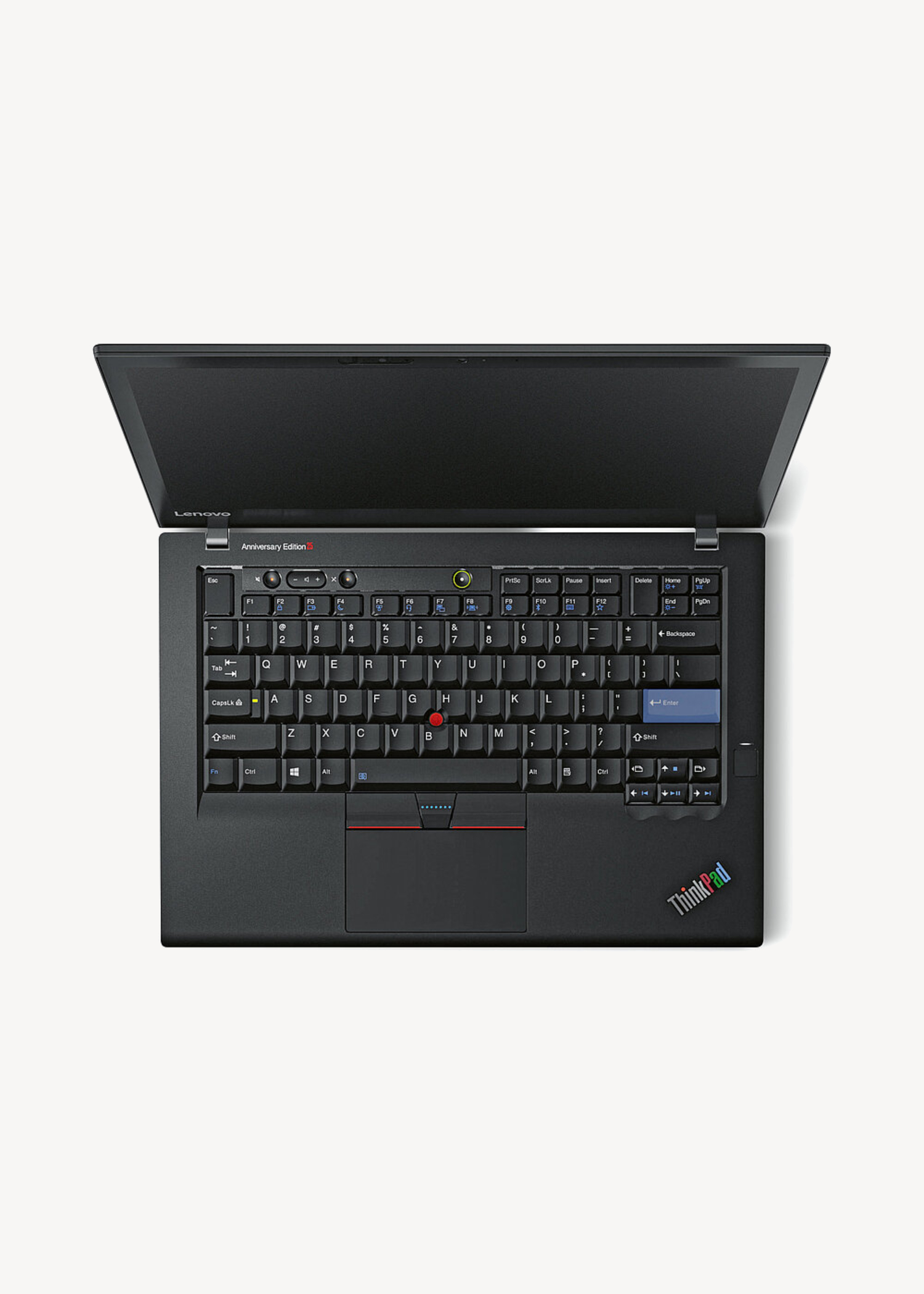
Lenovo ThinkPad T25
ThinkPad 25 was created and launched to celebrate the 25th anniversary of the iconic brand. It artfully blended retro design elements with modern engineering. Inspired heavily by years of passionate customer feedback and social-media campaigns calling for a “classic ThinkPad” revival, the project brought back beloved features such as the 7-row keyboard with blue accents, a tradition-inspired ThinkPad logo, and TrackPoint cap options. Wrapped in a soft-touch black chassis and powered by contemporary hardware, the ThinkPad 25 stood as a collaborative tribute—shaped not only by Lenovo’s designers but also by a global community of fans.
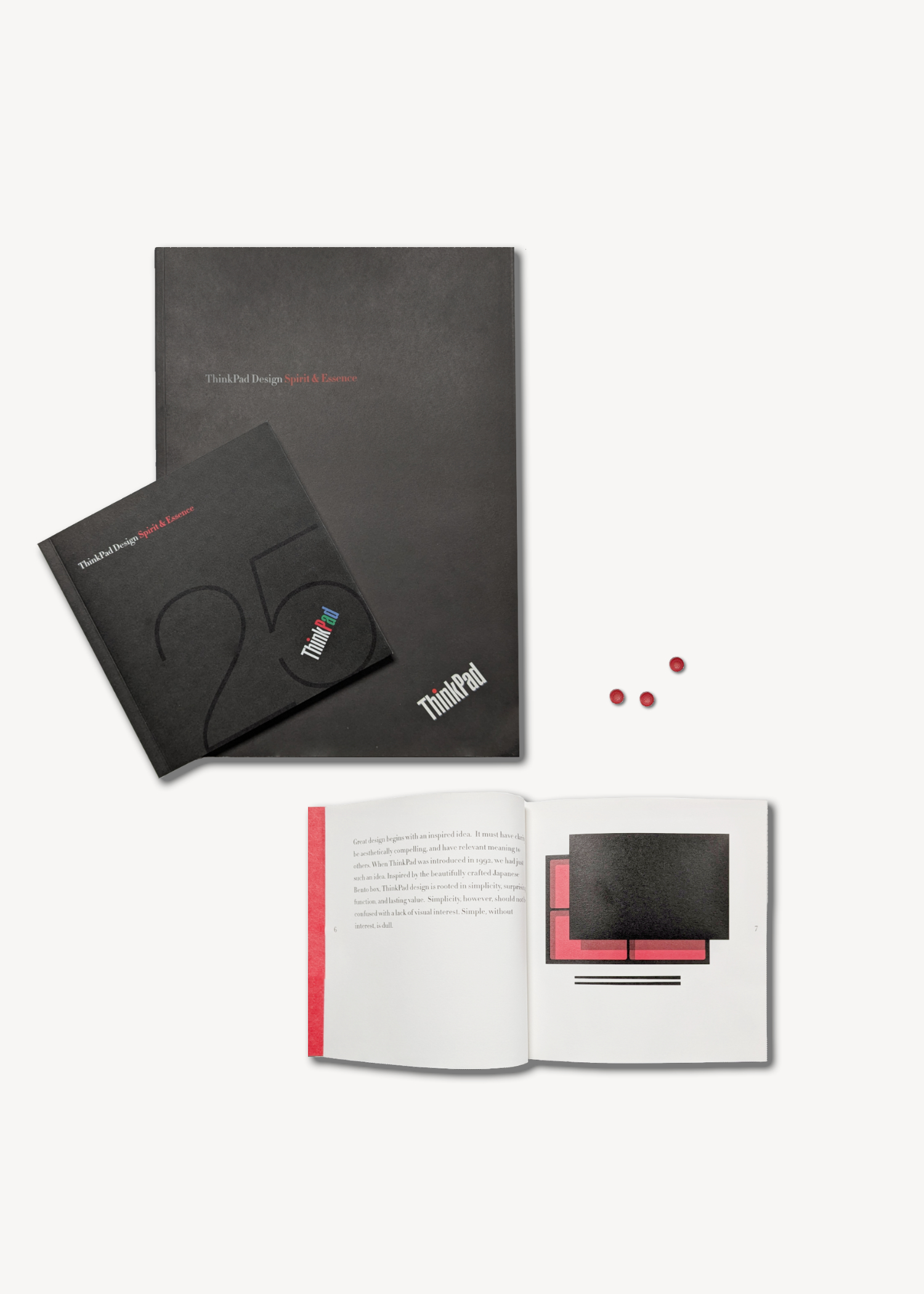
ThinkPad Design: Spirit & Essence Booklets
Originally written and designed for the 20th anniversary celebration held at the MoMA. The highly collectable work was updated in 2025 for the 25th anniversary limited edition ThinkPad T25. Both booklets document and illuminate David Hill's beliefs and philosophies that have shaped the design of ThinkPad for decades.
Lenovo ThinkPad ThinkShutter

The ThinkPad ThinkShutter is a simple, built-in mechanical privacy cover designed to give users instant control over their webcam. Sliding smoothly across the lens, it provides a clear visual indication when the camera is physically blocked, eliminating reliance on questionable software controls or LED indicators. It integrates cleanly into the display bezel adding negligible thickness. Achieving peace of mind with makeshift solutions such as masking tape, Post-it notes, and even clothespins are a thing of the past.